The Mazda blue coolant light often surprises drivers, especially when it appears for the first time. Many people think every dashboard light signals a serious problem. Fortunately, this blue indicator usually has a much simpler meaning. It tells you that the engine coolant is still cold and has not reached its normal operating temperature.
You will usually see the light after starting the engine, especially on cold mornings or after the vehicle has been parked for several hours. As you begin driving, the engine warms the coolant. The light then turns off automatically once the coolant reaches the proper temperature. In most situations, this is completely normal and does not require any repairs.
However, you should not ignore the light if it stays on much longer than usual. A thermostat problem, a faulty coolant temperature sensor, or another cooling system issue may prevent the engine from warming up correctly. You may also notice weak cabin heat, poor fuel economy, or unusual temperature readings. These symptoms often indicate that the cooling system needs further inspection.
This guide explains everything you need to know about the Mazda blue coolant light. You will learn what it means, why it turns on, how long it should stay on, and when it may indicate a problem. You will also find practical tips to diagnose common causes, choose the right repair, and keep your Mazda cooling system working properly.
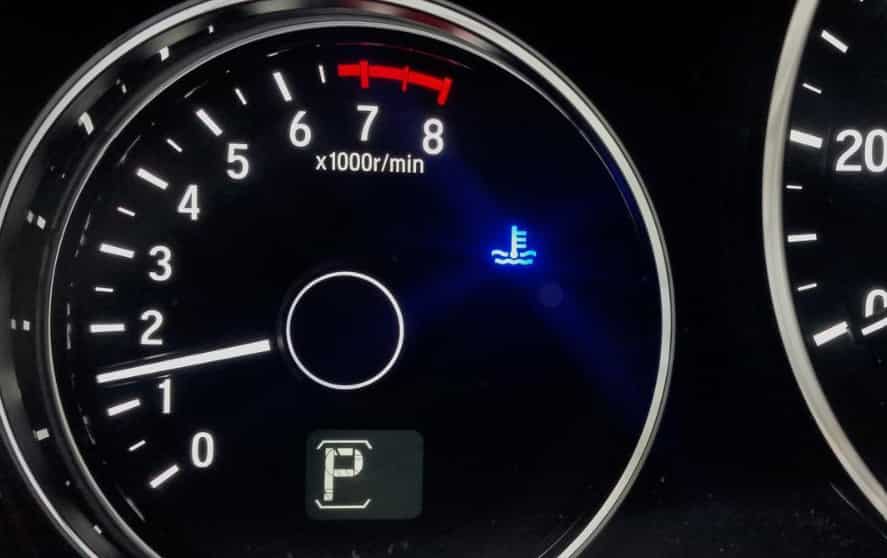
What Does the Mazda Blue Coolant Light Mean?
The Mazda blue coolant light tells you that the engine coolant is still below its normal operating temperature. This indicator appears when you start the engine after it has cooled down. In most cases, it is completely normal and disappears once the engine reaches the correct temperature. Unlike many dashboard lights, this blue indicator does not usually warn you about a mechanical failure.
Many drivers confuse coolant temperature with coolant level. These are two different things. The blue light only shows that the coolant is cold. It does not tell you that the coolant reservoir is empty or that the cooling system has developed a leak. If the coolant level becomes too low, your Mazda may display a different warning light or message depending on the model and model year.
The light appears because the engine needs time to reach its most efficient operating temperature. During this warm up period, the engine oil also becomes less viscous and flows more easily through internal components. At the same time, the cooling system gradually increases the coolant temperature to support efficient combustion, reduce emissions, and improve fuel economy.
Outside temperature also affects how long the light remains on. You may notice that it turns off quickly on a warm day but stays on longer during winter. Driving conditions also play an important role. Gentle driving allows the engine to warm naturally, while repeated short trips may prevent the coolant from reaching its normal operating temperature.
It is also important to understand that the blue coolant light is different from the red coolant warning light. The blue light indicates a cold engine and usually requires no action beyond normal driving. The red warning light signals that the engine temperature has become too high and may indicate overheating. If a red coolant warning appears, you should reduce engine load and inspect the vehicle as soon as it is safe to do so.
In short, the Mazda blue coolant light is an informational indicator rather than an emergency warning. It helps drivers understand that the engine is still warming up. As long as the light turns off after the engine reaches its normal operating temperature and no other symptoms appear, the cooling system is most likely operating as intended.
Can You Drive with the Mazda Blue Coolant Light On?
Yes, you can usually drive with the Mazda blue coolant light on. The light simply tells you that the engine is still warming up. It does not indicate that the engine is overheating or that the cooling system has failed. In most situations, you can start driving immediately instead of waiting for the light to turn off.
Although it is safe to drive, you should give the engine time to reach its normal operating temperature. Drive smoothly and avoid sudden acceleration during the first few minutes of your trip. Moderate engine speed and gentle throttle input allow the engine oil and coolant to circulate properly. This approach also helps reduce wear on internal engine components.
Many drivers believe they should let the engine idle until the blue light disappears. Modern Mazda engines do not require long warm up periods at idle. In fact, gentle driving warms the engine more efficiently than leaving the vehicle parked with the engine running. Unless extreme weather conditions require additional defrosting, you can begin driving shortly after starting the engine.
You should also avoid placing excessive stress on a cold engine. High engine speed, rapid acceleration, and heavy towing increase engine load before the coolant and engine oil reach their ideal temperatures. Waiting a few minutes before demanding maximum performance helps protect the engine and supports long term reliability.
Pay attention to how the light behaves during normal driving. It should turn off once the engine reaches its operating temperature. If the Mazda blue coolant light remains on after an extended drive or returns unexpectedly after the engine has already warmed up, the cooling system may have a problem. A faulty thermostat, a malfunctioning coolant temperature sensor, or another cooling system issue could prevent the engine from reaching the correct temperature.
In most cases, the blue coolant light is simply part of the normal warm up process. Drive gently, monitor the dashboard, and let the engine reach its operating temperature naturally. If the light behaves differently than usual or appears with other warning signs, inspect the cooling system to identify the underlying cause before it develops into a more expensive repair.
How Long Should the Mazda Blue Coolant Light Stay On?
There is no fixed time for the Mazda blue coolant light to stay on. The exact duration depends on several factors, including the outside temperature, driving conditions, engine size, and how long the vehicle has been parked. In most cases, the light turns off after the engine reaches its normal operating temperature.
On a warm day, the engine usually warms up faster. The blue coolant light may disappear after only a few minutes of normal driving. During colder weather, the engine needs more time to heat the coolant. As a result, the light may remain on longer than usual. This behavior is completely normal and should not cause concern if the light turns off once the engine reaches its operating temperature.
Short trips can also affect how long the indicator stays on. If you only drive a few miles before turning the engine off, the coolant may never become fully warm. The blue light may appear every time you restart the vehicle because the engine has not completed a full warm up cycle. This situation is common during winter or in heavy city traffic.
Your driving style also plays an important role. Gentle driving allows the engine to warm naturally while reducing unnecessary wear. Long periods of idling may warm the engine slowly, while steady driving at moderate speeds often helps the coolant reach its normal temperature more efficiently. Extreme weather, frequent stops, and heavy use of the heater can also influence the warm up process.
You should pay attention to changes in the light’s normal behavior rather than focusing on a specific number of minutes. If the Mazda blue coolant light stays on much longer than it normally does, even after a sufficient drive, the cooling system may not be working correctly. A thermostat that remains open, a faulty coolant temperature sensor, or another cooling system problem can delay engine warm up and keep the indicator illuminated.
The best way to judge whether the light is normal is to compare it with your vehicle’s usual pattern. If it turns off consistently after the engine warms up and no other symptoms appear, the system is likely operating as intended. However, if the light begins staying on noticeably longer or appears together with poor cabin heat, abnormal temperature readings, or reduced fuel economy, it is a good idea to inspect the cooling system before a minor issue becomes a costly repair.
Why Does the Mazda Blue Coolant Light Stay On?
The Mazda blue coolant light should turn off after the engine reaches its normal operating temperature. If it remains on much longer than expected, the cooling system may not be working correctly. Although cold weather can delay engine warm up, a blue light that stays on during normal driving often points to a mechanical or electrical issue that requires attention.
Cold temperatures are one of the most common reasons for a longer warm up period. The engine loses heat more quickly when the outside temperature drops, so it takes longer for the coolant to reach its normal operating temperature. If you mainly drive short distances, the engine may never warm up completely before you reach your destination. In this situation, the blue coolant light may remain on for most of the trip.
A faulty thermostat is another common cause. The thermostat controls the flow of coolant between the engine and the radiator. When it sticks open, coolant circulates too early and prevents the engine from warming up at the proper rate. Besides a blue coolant light that stays on longer than usual, you may also notice weak cabin heat, lower fuel efficiency, or an engine temperature that stays below normal.
A defective coolant temperature sensor can also keep the indicator illuminated. This sensor sends temperature information to the engine control module and the instrument cluster. If it reports incorrect data, the dashboard may continue showing the blue coolant light even after the engine has warmed up. In some cases, the check engine light may also appear because the control module detects an abnormal sensor signal.
Low coolant can contribute to cooling system problems, although it is not the direct meaning of the blue coolant light. If the coolant level drops because of a leak or poor maintenance, the engine may struggle to regulate temperature correctly. You should always check the coolant level when the engine is completely cool. If the level continues to fall, inspect the cooling system for leaks instead of simply adding more coolant.
Electrical problems can also affect the warning indicator. Damaged wiring, loose connectors, or corrosion may interrupt communication between the coolant temperature sensor and the vehicle’s control system. Although these problems are less common than a faulty thermostat or sensor, they can produce inaccurate temperature readings and cause the light to stay on unexpectedly.
The best way to identify the real cause is to observe the vehicle’s overall behavior. If the Mazda blue coolant light stays on together with poor heater performance, unusual temperature readings, coolant loss, or reduced fuel economy, the cooling system should be inspected as soon as possible. Finding the problem early often prevents more serious engine damage and reduces repair costs.
Mazda Blue Coolant Light vs. Red Coolant Warning Light
Many drivers assume that every coolant indicator means the same thing. However, the Mazda blue coolant light and the red coolant warning light serve completely different purposes. Understanding the difference helps you respond correctly and prevents unnecessary concern or costly engine damage.
The blue coolant light tells you that the engine coolant is still cold. It usually appears after a cold start and disappears once the engine reaches its normal operating temperature. In most cases, you can continue driving without any problems. Simply drive smoothly and avoid placing heavy demands on the engine until the light turns off.
The red coolant warning light indicates a much more serious situation. It means the engine coolant temperature has become too high or the engine is overheating. Continuing to drive with an overheating engine can damage the cylinder head, head gasket, radiator, or other major engine components. If the red warning light appears, reduce engine load immediately and stop the vehicle in a safe location as soon as possible. Allow the engine to cool before checking the cooling system.
The table below highlights the key differences between these two dashboard indicators.
| Indicator | Meaning | Is It Safe to Drive? | Recommended Action | Risk Level |
|---|---|---|---|---|
| Blue coolant light | Engine coolant is still cold | Yes, under normal driving conditions | Drive gently until the engine reaches its operating temperature | Low |
| Red coolant warning light | Engine coolant temperature is too high or the engine is overheating | No, unless necessary to reach a safe stopping place | Stop safely, allow the engine to cool, and inspect the cooling system | High |
Although the blue indicator is usually normal, you should still pay attention to how it behaves. If the Mazda blue coolant light remains on after the engine has fully warmed up or appears together with poor heater performance, coolant loss, or abnormal temperature readings, the cooling system may require inspection. By comparison, a red coolant warning should never be ignored because it can quickly lead to severe engine damage.
Remember that color plays an important role in Mazda’s dashboard warning system. A blue light generally provides information, while a red light signals that immediate action may be necessary. Knowing this difference allows you to respond appropriately and helps protect your engine from avoidable damage.
When Should You Worry?
In most situations, the Mazda blue coolant light is nothing to worry about. It simply shows that the engine is still warming up. Once the coolant reaches its normal operating temperature, the light should switch off automatically. If this happens consistently, your cooling system is likely working as designed.
You should pay closer attention if the light stays on much longer than it normally does. Every vehicle develops a familiar warm up pattern, so noticeable changes often indicate an underlying problem. If the indicator remains illuminated after a normal drive, the engine may not be reaching its proper operating temperature. A faulty thermostat or coolant temperature sensor is often responsible for this behavior.
The blue coolant light also deserves attention when it appears together with other symptoms. Weak cabin heat, poor fuel economy, coolant leaks, or an unstable temperature gauge may all point to a cooling system fault. Although each symptom can have different causes, they often indicate that the engine cannot regulate its temperature correctly.
You should also monitor the coolant level regularly. A low coolant level does not directly trigger the blue indicator, but it can reduce the cooling system’s ability to control engine temperature. If you need to add coolant frequently, inspect the system for leaks instead of treating the low level as a normal condition.
Another warning sign is a blue coolant light that returns after the engine has already reached its normal operating temperature. Under normal conditions, the indicator should remain off for the rest of the drive. If it comes back unexpectedly, the cooling system may be sending inaccurate temperature information or struggling to maintain stable operating conditions.
Professional diagnosis becomes important when the blue coolant light remains on after a sufficient drive or repeatedly behaves differently from its usual pattern. A qualified technician can inspect the thermostat, coolant temperature sensor, wiring, and cooling system components to identify the exact cause. Early diagnosis often prevents larger repair bills and helps maintain reliable engine performance.
As a general rule, the Mazda blue coolant light is normal during engine warm up but abnormal when it stays on without a clear reason. Paying attention to changes in the light’s behavior and responding early can help you avoid unnecessary repairs and keep your Mazda running efficiently.
How to Diagnose a Mazda Blue Coolant Light That Won’t Turn Off
If the Mazda blue coolant light stays on longer than expected, do not replace parts immediately. A systematic inspection helps you identify the real cause and avoid unnecessary repair costs. Start with the simplest checks before moving on to more advanced diagnostics.
Begin by observing when the light appears and how long it remains on. Consider the outside temperature, the length of your trip, and your normal driving conditions. Compare the current behavior with your vehicle’s usual warm up pattern. If the light always turns off after the engine reaches its operating temperature, the system is likely functioning normally.
Next, check the coolant level after the engine has cooled completely. Never remove the radiator cap while the engine is hot because the cooling system remains under pressure. Look at the coolant reservoir and make sure the level falls within the recommended range. If the level is low, inspect the radiator, hoses, water pump, and reservoir for visible signs of leakage.
You should also evaluate the heater’s performance. A properly functioning cooling system should produce warm air once the engine reaches its normal operating temperature. If the heater continues blowing cool air after several minutes of driving, the thermostat may be stuck open or the cooling system may contain trapped air.
Keep an eye on the engine temperature gauge if your Mazda is equipped with one. The needle should rise gradually and then remain stable near its normal operating position. If the temperature stays unusually low or changes frequently, the thermostat or coolant temperature sensor may not be working correctly.
An OBD2 scanner can provide additional information when a warning light appears or the engine control module detects a fault. Diagnostic trouble codes related to coolant temperature or thermostat performance can help narrow down the problem. However, fault codes should support the diagnosis rather than replace a physical inspection.
Finally, inspect the coolant temperature sensor and its electrical connections. Look for loose connectors, damaged wiring, corrosion, or signs of moisture around the sensor. Electrical faults can interrupt the temperature signal and cause the dashboard to display incorrect information. If the wiring appears intact and the coolant level is correct, further testing of the thermostat and temperature sensor may be necessary.
By following these steps, you can identify many common causes of a Mazda blue coolant light that remains on. If the problem persists after these basic checks, schedule a professional inspection to prevent minor cooling system issues from developing into major engine repairs.
How to Fix a Mazda Blue Coolant Light That Stays On
The correct solution for a Mazda blue coolant light that stays on depends on the underlying cause. In many cases, the light behaves normally and requires no repair. However, if it remains illuminated after the engine reaches its operating temperature, you should identify the problem before replacing any components.
If the light appears only after a cold start and turns off during normal driving, no action is necessary. Allow the engine to warm up naturally by driving at moderate speeds. Avoid aggressive acceleration or high engine speed until the blue indicator disappears. This simple habit reduces engine wear and helps the cooling system reach its normal operating temperature more efficiently.
If the coolant level is below the recommended mark, add the correct type of coolant specified for your Mazda model. Always check the coolant level when the engine is completely cool. If the level drops repeatedly, do not continue topping it up without finding the source of the leak. Even a small coolant leak can become a larger problem over time.
A thermostat that sticks open is one of the most common reasons the engine warms up too slowly. Replacing a faulty thermostat usually restores normal coolant circulation and allows the engine to reach its proper operating temperature. After the repair, the blue coolant light should turn off within its normal warm up period.
A defective coolant temperature sensor can also cause incorrect dashboard readings. If testing confirms that the sensor is sending inaccurate temperature data, replacing it should resolve the issue. After installation, clear any stored fault codes and verify that the cooling system operates normally during a road test.
Electrical problems require careful inspection. Loose connectors, damaged wiring, or corrosion can interrupt communication between the coolant temperature sensor and the engine control module. Repairing the affected wiring or replacing damaged connectors often restores an accurate temperature signal and prevents the blue indicator from remaining on unnecessarily.
Air trapped inside the cooling system may also affect coolant circulation. This situation sometimes occurs after replacing coolant or performing cooling system repairs. Bleeding the system according to Mazda’s service procedure removes trapped air and helps restore normal coolant flow. If you are unfamiliar with this process, seek assistance from a qualified technician to avoid introducing additional problems.
If the Mazda blue coolant light continues to stay on after these repairs, schedule a professional inspection. A technician can perform pressure testing, sensor diagnostics, and thermostat evaluation to determine the exact cause. Addressing the issue early helps protect the engine, improves fuel efficiency, and reduces the risk of more expensive cooling system repairs in the future.
Which Mazda Models Have a Blue Coolant Light?
The Mazda blue coolant light is available on many Mazda vehicles, but the dashboard display can vary by model, model year, trim level, and market. Some vehicles use a blue coolant temperature indicator, while others rely on a temperature gauge or a digital information display. For this reason, you should always refer to your owner’s manual to confirm how your specific vehicle reports coolant temperature.
Many popular Mazda models include a blue coolant indicator or a similar temperature notification. These models include the Mazda3, Mazda6, Mazda CX3, Mazda CX5, Mazda CX30, Mazda CX50, Mazda CX9, Mazda CX90, and the Mazda MX5 Miata. Depending on the production year, the appearance and location of the indicator may differ slightly, but its purpose remains the same. It informs the driver that the engine coolant has not yet reached its normal operating temperature.
Older Mazda models may use a traditional temperature gauge instead of a blue indicator light. In these vehicles, drivers monitor engine temperature by watching the gauge rise from the cold position toward the normal operating range. Newer models often combine dashboard indicators with digital driver information systems to provide clearer and more detailed status updates.
If you recently switched to a newer Mazda, you may notice differences in the dashboard compared with your previous vehicle. These changes do not necessarily indicate a different cooling system. Instead, Mazda has updated its instrument clusters over the years to improve visibility and help drivers understand vehicle information more easily.
Regardless of the model you drive, the Mazda blue coolant light serves the same basic purpose. It lets you know that the engine is still warming up. As long as the light turns off after the engine reaches its normal operating temperature and no other warning signs appear, the cooling system is generally operating as expected.
How to Prevent Cooling System Problems
Regular maintenance is the best way to keep your Mazda cooling system working efficiently. Although the Mazda blue coolant light usually indicates a cold engine, proper maintenance helps prevent the mechanical problems that can cause the light to remain on longer than expected. A few simple checks can improve reliability and reduce the risk of unexpected repairs.
Check the coolant level regularly, especially before long trips or during seasonal weather changes. Always inspect the coolant reservoir when the engine is completely cool. If the level drops below the recommended range, identify the cause before adding more coolant. A small leak can gradually become a serious cooling system problem if left untreated.
Using the correct coolant is equally important. Mazda recommends specific coolant formulations for its vehicles, and using the wrong product may reduce cooling efficiency or increase the risk of corrosion. If you need to replace or top up the coolant, follow the specifications listed in your owner’s manual.
Inspect the cooling system for signs of wear during routine maintenance. Look for cracked hoses, loose clamps, coolant stains, or damage around the radiator and water pump. Catching these problems early often prevents coolant leaks and helps maintain stable engine temperatures.
Pay attention to changes in your vehicle’s normal behavior. If the cabin heater produces less heat than usual, the engine takes much longer to warm up, or the temperature gauge behaves unexpectedly, schedule an inspection before the problem becomes more serious. Early diagnosis is usually less expensive than repairing damage caused by an overheating or poorly regulated engine.
Following the manufacturer’s maintenance schedule also helps extend the life of the cooling system. Replacing coolant at the recommended interval, inspecting key components, and addressing small issues promptly can improve engine performance and reduce long term repair costs.
Good maintenance habits make it easier to recognize when something is wrong. If the Mazda blue coolant light suddenly behaves differently from its normal pattern, you will be more likely to notice the change and resolve the issue before it affects the engine or other cooling system components.
Frequently Asked Questions
Is the Mazda blue coolant light normal?
Yes. The Mazda blue coolant light is normally part of the engine warm up process. It indicates that the coolant has not yet reached its normal operating temperature. The light should turn off automatically once the engine warms up.
Can I drive with the Mazda blue coolant light on?
Yes. You can usually drive as soon as you start the engine. Drive smoothly and avoid hard acceleration until the light turns off. Gentle driving helps the engine reach its operating temperature more efficiently.
Does the blue coolant light mean the coolant level is low?
No. The blue coolant light indicates coolant temperature, not coolant level. A low coolant level may trigger a different warning depending on your Mazda model.
Why does the blue coolant light stay on longer in winter?
Cold weather removes heat from the engine more quickly, so the coolant needs more time to reach its normal operating temperature. This is usually normal unless the light remains on after a sufficient drive.
Can a bad thermostat cause the blue coolant light to stay on?
Yes. A thermostat that sticks open allows coolant to circulate too early. As a result, the engine warms up more slowly, and the blue coolant light may stay on longer than expected.
Can a faulty coolant temperature sensor keep the blue light on?
Yes. The coolant temperature sensor sends temperature information to the engine control module and the dashboard. If it reports incorrect data, the blue coolant light may remain on even though the engine has already warmed up.
Why does the blue coolant light come back on while driving?
This is not typical under normal conditions. If the light returns after the engine reaches its operating temperature, the cooling system may have a faulty sensor, thermostat, or electrical problem. The vehicle should be inspected to determine the exact cause.
What is the difference between the blue and red coolant lights?
The blue coolant light indicates that the engine is still cold. The red coolant warning light indicates that the engine temperature is too high and may be overheating. A red warning requires immediate attention because continued driving can damage the engine.
How much does it cost to repair a coolant temperature problem?
Repair costs depend on the underlying cause. Replacing a thermostat or coolant temperature sensor is usually less expensive than repairing engine damage caused by an overheating condition. A professional diagnosis helps identify the correct repair before unnecessary parts are replaced.
Should I visit a mechanic if the blue coolant light stays on?
Yes. If the Mazda blue coolant light remains on after the engine reaches its normal operating temperature or appears together with coolant leaks, poor heater performance, or abnormal temperature readings, a qualified technician should inspect the cooling system.
Conclusion
The Mazda blue coolant light usually indicates that the engine coolant is still below its normal operating temperature. In most cases, this is a normal part of the warm up process and does not require any immediate action. You can continue driving, but gentle acceleration and moderate engine speed will help the engine warm up more efficiently.
Problems begin when the light behaves differently from its normal pattern. If it stays on after a sufficient drive, returns unexpectedly, or appears with symptoms such as poor cabin heat, coolant loss, or unstable temperature readings, the cooling system should be inspected. Common causes include a faulty thermostat, a defective coolant temperature sensor, low coolant, or an electrical issue affecting the temperature signal.
Understanding what the Mazda blue coolant light means allows you to respond with confidence instead of unnecessary concern. Regular maintenance, routine coolant inspections, and early diagnosis of cooling system problems can improve engine reliability and help prevent expensive repairs. If the indicator continues to behave abnormally, consult a qualified technician to identify the cause and restore your Mazda’s cooling system to proper working condition.