The keyword Kia Telluride engine problems attracts many drivers who want to know if this SUV is truly reliable. Many buyers choose this model because it offers strong comfort, modern design, and good family usability. However, concerns about long term engine performance still appear in user discussions.
The Kia Telluride is a mid size SUV from Kia. It targets family users who want space, comfort, and reliability in one vehicle. The model has a strong reputation in the market. Even so, some owners report issues related to engine noise, oil consumption, and inconsistent performance in certain situations. These issues do not always point to major engine failure. They still raise questions about real world durability.
This article explains Kia Telluride engine problems from 2020 to 2026. It covers common issues, symptoms, causes, and long term reliability. The analysis focuses on real user feedback and mechanical insights. The goal is to help readers understand whether these engine concerns are rare cases or part of a larger pattern that affects ownership decisions.
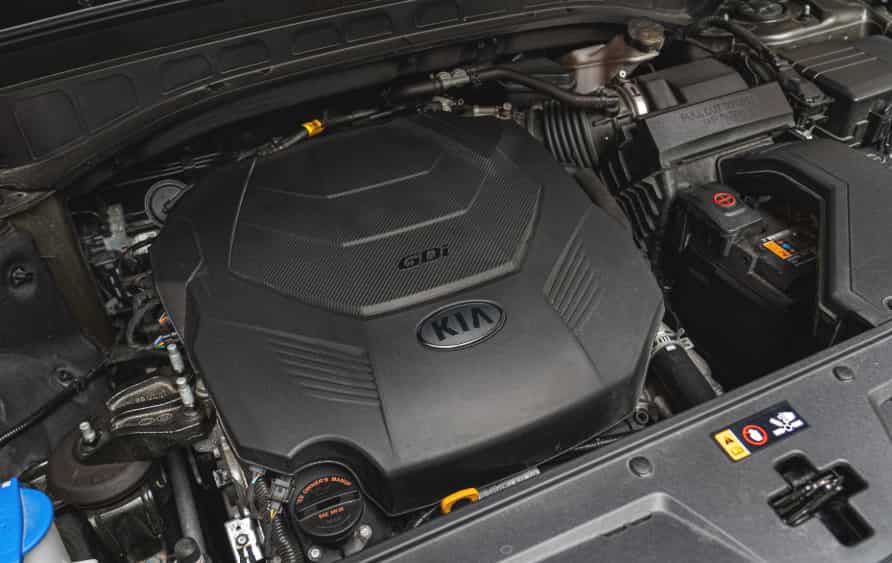
ENGINE OVERVIEW
The Kia Telluride uses a 3.8 liter V6 engine across most model years from 2020 to 2026. This engine focuses on smooth power delivery and stable performance rather than aggressive output. It connects with an automatic transmission that supports both city driving and long distance travel.
This engine design aims to balance performance and durability. Kia builds it for family use, towing capability, and consistent daily driving. Many owners appreciate the smooth acceleration and predictable behavior during normal use. The engine also supports highway driving with stable power output at higher speeds.
In terms of maintenance, the engine requires regular oil changes, cooling system checks, and routine inspections. These factors play an important role in long term durability. When owners follow the recommended maintenance schedule, the engine often performs well over time.
However, like many modern V6 engines, it can show sensitivity to oil quality and maintenance habits. Small neglect in service intervals may lead to performance issues or unusual engine behavior. This makes proper care an important factor in long term reliability.
Overall, the Kia Telluride engine focuses on balance and comfort driven performance. It does not aim for high performance racing characteristics. Instead, it prioritizes smooth operation and family oriented usability.
COMMON KIA TELLURIDE ENGINE PROBLEMS
The Kia Telluride shows several engine related issues that appear across different model years from 2020 to 2026. These issues do not affect every vehicle, but they appear often enough in user reports to be considered common concerns. Most of them relate to performance behavior rather than complete engine failure.
One of the most reported issues is engine ticking or knocking noise during cold starts. Drivers often notice this sound when the engine has been parked for several hours. The noise usually comes from temporary oil circulation delay or valve train movement. In most cases, the sound reduces after the engine reaches normal operating temperature. While this does not usually indicate serious damage, it still creates concern for many owners.
Another common issue is oil consumption behavior. Some drivers report that the engine uses more oil than expected between service intervals. This can depend on driving style, load conditions, and maintenance habits. In some cases, frequent highway driving or heavy use may increase oil usage. Although this is not always a sign of failure, it requires monitoring to avoid long term wear.
A smaller group of owners reports engine misfire or rough idle. This often links to ignition components such as spark plugs or coil packs. Fuel delivery issues may also contribute. When this occurs, the engine may feel unstable at low speeds or during acceleration.
Overheating can also appear under heavy conditions such as towing or steep driving. This usually relates to cooling system load rather than structural engine damage. Proper coolant levels and system maintenance help reduce this risk.
Overall, these Kia Telluride engine problems reflect minor to moderate performance concerns rather than critical engine failure. Most issues connect to maintenance, driving conditions, and usage patterns.
SYMPTOMS OF KIA TELLURIDE ENGINE PROBLEMS
Drivers who search for Kia Telluride engine problems often start by noticing small changes in vehicle behavior. These early symptoms usually appear before any serious mechanical issue develops. Understanding these signs helps drivers react early and prevent more costly repairs.
One of the most common symptoms is the check engine light. This warning can appear for many reasons, including sensor issues, ignition irregularities, or fuel system imbalance. While the light does not always indicate severe damage, it signals that the engine needs inspection.
Another clear symptom is unusual engine noise. Drivers may hear ticking, knocking, or light rattling during startup or acceleration. These sounds often become more noticeable when the engine is cold. In some cases, the noise decreases after the engine warms up, but it still indicates that internal components are under stress.
Loss of power is another important sign. The vehicle may feel slower during acceleration or less responsive when climbing hills. This symptom often connects to misfires, airflow issues, or fuel delivery inconsistencies. It can also affect driving comfort during highway merging or overtaking.
Some owners also report higher fuel consumption when engine performance declines. The engine may burn more fuel to maintain the same level of output. This usually signals inefficiency in combustion or sensor calibration issues.
Finally, rough idle can appear when the vehicle is stationary. The engine may vibrate slightly or feel unstable at low RPM. This symptom often relates to ignition system wear or minor fuel imbalance.
Overall, these symptoms help identify Kia Telluride engine problems early. When drivers recognize them quickly, they can prevent more serious damage and maintain long term engine reliability.
KIA TELLURIDE ENGINE RELIABILITY ANALYSIS 2020 TO 2026
The Kia Telluride shows generally strong engine reliability across model years from 2020 to 2026. Most drivers report stable long term performance when they follow proper maintenance schedules. The 3.8 liter V6 engine delivers consistent output and supports both city driving and highway travel without major structural failures in most cases.
Early model years such as 2020 and 2021 receive more attention from users who track Kia Telluride engine problems. Some of these reports include noise during cold starts and minor oil consumption concerns. These issues often relate to driving conditions and maintenance habits rather than design failure. Over time, Kia improved manufacturing consistency and reduced the frequency of similar complaints.
From 2022 onward, user feedback shows more stable performance. Many owners report smoother operation and fewer irregular engine behaviors. The engine continues to perform well under normal driving conditions, including family use and long distance travel. Regular maintenance plays a major role in maintaining this stability.
Across all model years, the engine shows better reliability when owners follow oil change intervals and use recommended fluids. Neglect or delayed maintenance increases the chance of performance issues such as rough idle or temporary noise. Driving style also influences long term durability, especially under heavy load or towing conditions.
Overall, the Kia Telluride engine maintains a solid reliability profile from 2020 to 2026. While minor concerns exist in user reports, the majority of cases do not indicate serious engine failure. The engine performs best when owners combine proper maintenance with normal driving behavior.
CAUSES BEHIND KIA TELLURIDE ENGINE PROBLEMS
The Kia Telluride engine problems reported by owners usually come from a combination of mechanical behavior, maintenance habits, and driving conditions rather than a single design flaw. Understanding these causes helps explain why some vehicles show symptoms while others run smoothly for many years.
One of the main causes is maintenance quality. The 3.8 liter V6 engine depends heavily on regular oil changes and proper fluid quality. When owners delay service intervals or use incorrect oil grades, the engine may develop ticking noise, rough idle, or increased wear over time. Even small neglect can influence long term performance.
Another important factor is driving style. Frequent short trips prevent the engine from reaching optimal operating temperature. This can lead to incomplete combustion and minor carbon buildup. On the other hand, heavy acceleration, towing, or long highway driving under load may increase stress on engine components and cooling systems.
Environmental conditions also play a role. Extreme heat or cold can affect oil circulation and engine startup behavior. Cold starts often create temporary noise that concerns drivers, even though it usually disappears after warming up. Dusty or high humidity environments may also influence air intake efficiency over time.
Sensor calibration and electronic control systems can also contribute to perceived engine issues. Modern engines rely on multiple sensors to regulate fuel and air balance. If any sensor provides inaccurate data, the engine may show symptoms like misfire, rough idle, or reduced performance even without physical damage.
Overall, Kia Telluride engine problems often result from combined external and operational factors. The engine itself remains structurally stable, but its performance depends strongly on how it is maintained and used in real world conditions.
REPAIR COST AND OWNERSHIP IMPACT
The cost of dealing with Kia Telluride engine problems depends on the type of issue and how early the driver identifies it. In most cases, the engine does not require major repairs. Many problems relate to small components that support engine performance rather than the engine block itself.
Minor repairs such as replacing spark plugs, ignition coils, or sensors usually stay within a moderate cost range. These parts affect engine stability and can cause symptoms like rough idle or misfire when they wear out. When replaced on time, they restore normal engine behavior without significant expense.
Oil related concerns also fall under regular maintenance costs. Frequent oil changes or top ups may slightly increase ownership expenses, especially for drivers who use the vehicle in demanding conditions. However, this cost remains manageable when compared to major mechanical repairs.
More serious repairs such as engine internal work or full replacement are rare. These situations often occur only when maintenance is neglected or when external factors cause long term wear. In such cases, repair costs increase significantly and may affect overall ownership satisfaction.
Warranty coverage plays an important role in reducing financial risk. Many Kia Telluride models still fall under manufacturer warranty during early ownership years. This coverage helps protect owners from unexpected repair expenses related to engine performance issues.
Overall, ownership impact depends more on maintenance behavior than on inherent engine failure risk. Drivers who follow proper service schedules typically experience lower costs and fewer disruptions. The engine remains cost efficient over time when maintained correctly and used under normal driving conditions.
CONCLUSION
The Kia Telluride engine problems discussed in this article show a mix of minor performance concerns and general maintenance related issues rather than widespread engine failure. Across model years from 2020 to 2026, the engine demonstrates overall stability when it receives proper care and regular maintenance.
The 3.8 liter V6 engine in the Kia Telluride delivers consistent performance for family driving, highway travel, and everyday use. Most reported issues such as ticking noise, oil consumption behavior, or occasional rough idle do not indicate serious structural damage. Instead, they often relate to driving conditions, service habits, and normal wear over time.
When owners follow maintenance schedules, use correct fluids, and monitor early symptoms, the engine tends to perform reliably over the long term. Many problems appear only when service intervals are delayed or when the vehicle operates under heavy stress for long periods. This makes preventive maintenance a key factor in long term engine health.
Overall, the Kia Telluride remains a strong choice in the mid size SUV segment. Its engine does not show signs of major systemic failure patterns based on general user reports. Instead, it behaves like a modern V6 engine that requires consistent care to maintain optimal performance.
If you are considering this vehicle, understanding these Kia Telluride engine problems helps you make a more informed decision. Paying attention to early symptoms and maintaining the engine properly can significantly improve ownership experience and long term reliability.