Liqui Moly is a high quality engine oil brand from Germany. It is known for advanced lubricant technology and strong engine protection. Many drivers choose Liqui Moly because they want reliable performance and premium oil quality.
Engine oil plays an important role in vehicle performance. It reduces friction between moving parts. It also helps control heat and prevent harmful deposits inside the engine. A suitable oil can support smoother operation and longer engine life.
Liqui Moly produces different types of engine oils for various vehicles. Its product range includes fully synthetic oils, semi synthetic oils, and specialized formulas. Each oil has different specifications for different engine requirements.
However, a premium brand does not automatically mean the best choice for every vehicle. Drivers need to check important factors such as oil viscosity, manufacturer recommendations, engine type, and driving conditions.
This article examines whether Liqui Moly is good oil by analyzing its quality, benefits, engine protection, product selection, and value compared with other premium engine oil brands.
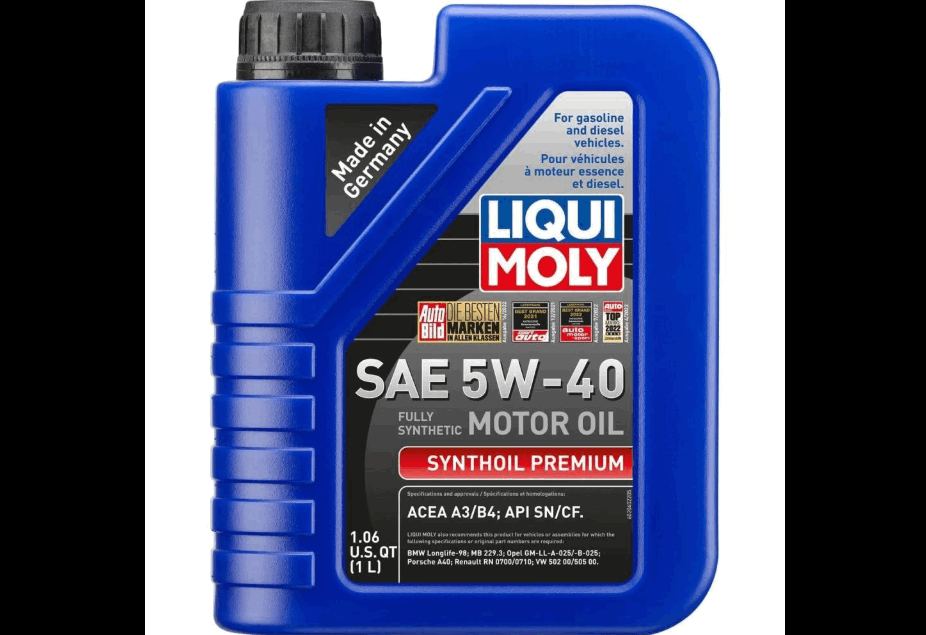
Is Liqui Moly a Good Engine Oil Brand?
Liqui Moly is a good engine oil brand because it combines German lubricant engineering, specialized formulations, and products designed for different engine requirements. The brand focuses on protecting engines, reducing friction, and maintaining stable lubrication under various operating conditions.
Liqui Moly started in Germany and developed its reputation through automotive lubricants and engine care products. The company produces oils for passenger cars, motorcycles, commercial vehicles, and specialized applications. Its product range includes fully synthetic oils, semi synthetic oils, and oils developed for specific engine technologies.
One reason drivers consider Liqui Moly a premium oil brand is its focus on formulation quality. Engine oil needs to perform under different temperatures, pressures, and driving conditions. Liqui Moly products use additive packages that help control deposits, reduce wear, and support cleaner engine operation.
The brand also offers oils that meet industry standards and vehicle manufacturer requirements. These specifications help drivers select products that match their engine design. A suitable Liqui Moly oil depends on factors such as viscosity grade, certification requirements, and the recommendations from the vehicle manufacturer.
However, brand reputation alone does not determine whether an engine oil is the right choice. A premium oil cannot replace the need for correct specifications. A driver using the wrong viscosity or unsuitable formulation may not receive the expected benefits.
Overall, Liqui Moly has established itself as a strong engine oil brand because it combines product variety, technical development, and a focus on engine protection. The best results come when drivers choose the correct Liqui Moly oil for their specific vehicle.
What Makes Liqui Moly Engine Oil High Quality?
Liqui Moly engine oil has high quality because it uses advanced formulations designed to protect engines under different operating conditions. Engine oil quality depends on several factors, including base oil composition, additive technology, viscosity stability, and protection performance.
One important factor in Liqui Moly products is additive technology. Additives improve the basic function of engine oil by providing extra protection. Anti wear additives help reduce friction between metal components. Cleaning additives help control sludge and deposits that can affect engine performance over time.
Liqui Moly also develops synthetic engine oils that maintain stable performance across a wide temperature range. Modern engines often operate under higher pressure and temperature conditions, especially turbocharged engines and performance vehicles. A stable oil formulation helps maintain lubrication when the engine experiences demanding conditions.
Another factor that affects engine oil quality is compliance with technical standards. Liqui Moly produces oils that meet different industry specifications, including API and ACEA requirements, along with approvals from some vehicle manufacturers. These standards help vehicle owners select oils that match their engine requirements.
The quality of engine oil also depends on choosing the correct product. For example, a 5W-30 oil designed for fuel efficient engines may not provide the same performance requirements as a 5W-40 oil designed for higher temperature protection. Drivers should always check the recommended viscosity and specifications before changing oil.
Liqui Moly is considered a premium engine oil brand because it combines formulation technology, protection features, and application specific products. Its quality comes from matching the right oil with the right engine rather than using the brand name alone.
What Are the Benefits of Using Liqui Moly Engine Oil?
Liqui Moly engine oil provides several benefits that support engine performance, protection, and long term reliability. The main advantages come from its ability to reduce friction, control deposits, maintain lubrication, and support different engine designs.
One major benefit of Liqui Moly oil is improved engine wear protection. Engine components move at high speeds and create significant friction during operation. A quality lubricant creates a protective layer between metal surfaces, which reduces direct contact and helps limit component wear. This protection is especially important during cold starts when engine parts need immediate lubrication.
Liqui Moly oil also helps maintain engine cleanliness. Combustion processes create contaminants that can form sludge and deposits inside the engine. Advanced detergent and dispersant additives help keep these particles suspended and reduce deposit buildup. A cleaner engine can maintain more consistent performance over time.
Another benefit is stable performance under different temperature conditions. Engines experience temperature changes during daily driving, highway use, and heavy loads. Liqui Moly formulations are designed to maintain proper viscosity, which helps the oil flow effectively during cold starts and continue protecting components at higher temperatures.
Some Liqui Moly products may also support fuel efficiency by reducing internal friction. Lower friction allows engine components to move more efficiently, although fuel economy improvements depend on factors such as engine condition, driving habits, and oil specifications.
Overall, Liqui Moly engine oil offers benefits related to engine protection, cleanliness, and lubrication stability. These advantages become more effective when drivers select a product that matches their vehicle’s technical requirements.
Which Liqui Moly Oil Should You Choose for Your Vehicle?
The best Liqui Moly oil for a vehicle depends on the engine design, manufacturer requirements, and driving conditions. Different engines need different oil characteristics, so drivers should select a product based on technical specifications rather than brand preference alone.
The first factor to check is the recommended viscosity grade. Engine oil viscosity describes how easily the oil flows at different temperatures. For example, 5W-30 oil is commonly used in modern engines that require efficient lubrication and fuel economy support. In comparison, 5W-40 oil provides stronger high temperature protection and is often suitable for engines that operate under heavier loads.
Drivers should also check manufacturer approvals and industry specifications before choosing Liqui Moly oil. Vehicle manufacturers design engines with specific lubrication requirements. Using an oil that matches these requirements helps maintain proper engine operation and protects important components.
Liqui Moly offers several product lines for different applications. Some formulations focus on modern fuel efficient engines, while others target high performance vehicles, older engines, or specific European vehicle standards. For example, high mileage oils are designed for vehicles with older engines that may require additional support for seals and internal components.
Driving conditions also influence oil selection. Vehicles used for frequent short trips, extreme temperatures, heavy towing, or high performance driving may need different oil characteristics compared with vehicles used for normal daily commuting.
Choosing the correct Liqui Moly oil requires understanding the vehicle’s needs. A premium oil provides the best results when its specifications match the engine’s requirements, operating environment, and maintenance schedule.
Is Liqui Moly Better Than Other Engine Oil Brands?
Liqui Moly is often compared with other premium engine oil brands such as Mobil 1, Castrol, Shell, and Valvoline. The answer depends on the factors used for comparison, including formulation technology, engine compatibility, product availability, and price.
One advantage of Liqui Moly is its strong focus on specialized lubricant products. The brand develops different formulations for specific engine requirements, including modern European vehicles, high mileage engines, and performance applications. This approach allows drivers to select oils based on their vehicle needs rather than choosing a single universal product.
Mobil 1 is also recognized for synthetic oil technology and strong performance in demanding conditions. Castrol has a long history in automotive lubrication and offers products designed for many vehicle manufacturers. Shell and Valvoline also provide a wide range of engine oils with different specifications and performance features.
The difference between these brands is not only about reputation. Engine oil performance depends on the formulation, certification, viscosity grade, and compatibility with the engine. A Liqui Moly oil that matches the manufacturer’s requirements may perform better than another brand that does not meet the correct specifications.
Price is another important comparison factor. Liqui Moly products are usually positioned in the premium segment, which means they often cost more than standard engine oils. However, some drivers consider the additional cost worthwhile because of the brand’s focus on engine protection and specialized formulations.
Liqui Moly is not automatically better than every competing oil brand. The best engine oil is the one that provides the correct specifications, protection level, and performance characteristics for a specific vehicle.
Is Liqui Moly Worth the Money?
Liqui Moly is worth the money for drivers who want premium engine protection and a product that matches their vehicle requirements. However, the value of any engine oil depends on the engine type, driving conditions, and maintenance priorities.
Premium engine oils usually cost more because they use advanced formulations, higher quality base oils, and specialized additives. These features help the oil maintain stable performance, protect engine components, and manage deposits over longer periods of operation. For vehicles with modern engines, turbochargers, or strict manufacturer requirements, choosing a high quality oil can support long term reliability.
The additional cost of Liqui Moly may be valuable for drivers who prioritize engine protection and want a product designed for specific applications. For example, a vehicle that requires a particular ACEA specification or OEM approval may benefit from using a Liqui Moly formulation that meets those requirements.
However, expensive oil does not always provide better results when it does not match the vehicle. A standard engine oil that meets the correct specifications can provide reliable protection for many everyday vehicles. The most important factor is choosing the correct viscosity, certification, and formulation.
Liqui Moly is a good investment when drivers select the right product for their engine and driving conditions. The value comes from technical compatibility and protection performance rather than simply paying a higher price.
For vehicle owners who maintain premium cars, performance engines, or vehicles with specific lubrication requirements, Liqui Moly can provide meaningful advantages. For regular vehicles, the decision should focus on meeting manufacturer specifications rather than choosing the most expensive oil available.
How Does Engine Oil Quality Affect Vehicle Performance?
Engine oil quality directly affects how efficiently an engine operates, how well it handles heat, and how long its components can maintain reliable performance. The main function of engine oil is to reduce friction between moving parts while creating a protective layer that supports smooth engine operation.
High quality engine oil helps control friction inside the engine. Components such as pistons, bearings, and camshafts move at high speeds and experience constant pressure. Without proper lubrication, these parts can generate excessive heat and experience faster wear. A suitable oil reduces metal contact and helps maintain consistent engine performance.
Engine oil also plays an important role in temperature control. During operation, engines generate significant heat from combustion and mechanical movement. Quality oil transfers heat away from critical components and maintains stable viscosity across different temperatures. This allows the lubricant to continue protecting the engine during cold starts, highway driving, and heavy workloads.
Another important function is controlling deposits and contaminants. Fuel combustion produces particles that can accumulate inside the engine. Effective oil formulations contain cleaning additives that help prevent sludge formation and maintain cleaner internal components.
Engine performance depends on several factors, including oil quality, maintenance habits, and vehicle condition. A premium engine oil such as Liqui Moly can support better protection when it matches the engine’s specifications. However, regular oil changes and correct product selection remain essential for maintaining long term vehicle reliability.
What Should You Check Before Buying Engine Oil?
Choosing the right engine oil requires checking several technical factors before making a purchase. A high quality oil only provides the expected benefits when it matches the requirements of the vehicle and engine design.
The first factor to check is the vehicle manufacturer’s recommendation. Car manufacturers specify the required oil standards, viscosity grades, and performance requirements for each engine. These recommendations are based on engine design, operating temperature, and component protection needs.
Oil viscosity is another important factor. The viscosity grade shows how the oil flows at low and high temperatures. For example, 5W-30 and 5W-40 oils have different performance characteristics. A 5W-30 oil is commonly used in many modern engines that prioritize efficiency, while a 5W-40 oil can provide stronger protection in higher temperature conditions.
Drivers should also review industry certifications and approvals. Standards such as API and ACEA help identify whether an oil meets specific performance requirements. Some vehicles also require OEM approvals from manufacturers such as BMW, Mercedes-Benz, Volkswagen, or other automotive brands.
Driving conditions should also influence oil selection. Vehicles used for frequent short trips, extreme weather, towing, or high performance driving may require different lubrication characteristics compared with vehicles used for normal commuting.
Selecting Liqui Moly oil should involve more than choosing a premium brand. Drivers should match the oil specification with their vehicle requirements, because the correct formulation provides better engine protection and more consistent performance.
How Often Should You Change Liqui Moly Engine Oil?
The frequency of changing Liqui Moly engine oil depends on the vehicle manufacturer’s recommendation, engine condition, oil type, and driving environment. There is no single oil change interval that works for every vehicle because different engines place different demands on lubricants.
The first factor to consider is the maintenance schedule provided by the vehicle manufacturer. Car manufacturers test engines with specific oil requirements and recommend service intervals based on engine design and operating conditions. Following these recommendations helps maintain proper lubrication and reduces the risk of unnecessary engine wear.
The type of Liqui Moly oil also affects how long it can maintain its performance. Fully synthetic oils usually provide stronger stability under high temperatures compared with conventional oils. They are designed to resist breakdown and maintain protection during longer operating periods, although drivers should still follow the recommended service interval.
Driving conditions can also change oil replacement needs. Frequent short trips, heavy traffic, extreme temperatures, towing, and aggressive driving can increase stress on engine oil. These conditions may cause faster oil degradation because the engine experiences more heat cycles and contamination.
Regular oil changes remain essential even when using premium engine oils. Liqui Moly can provide strong protection, but no lubricant can eliminate the effects of time, heat, and engine operation. Checking oil condition, following maintenance schedules, and choosing the correct formulation help ensure consistent engine performance.
Conclusion
Liqui Moly is a good engine oil choice for drivers who want premium lubrication, strong engine protection, and products designed for specific vehicle requirements. The brand has built its reputation through German lubricant technology, specialized formulations, and a wide range of engine oils for different applications.
However, the best engine oil is not always the most expensive option. Vehicle owners should focus on choosing an oil that matches their engine specifications, viscosity requirements, manufacturer approvals, and driving conditions. A correctly selected Liqui Moly product can support cleaner engine operation, reduce wear, and maintain stable performance over time.
Drivers who own modern engines, performance vehicles, or cars with specific lubrication requirements may find additional value from Liqui Moly’s specialized formulations. For everyday vehicles, meeting the correct technical requirements remains the most important factor.
Overall, Liqui Moly is a reliable premium engine oil brand, but its benefits depend on selecting the right product for the right engine. Understanding oil specifications helps drivers make better maintenance decisions and achieve long term vehicle reliability.