Hyundai Santa Fe Transmission Recall: What Owners Need to Know About Symptoms, Risks, and Fixes is a topic that has gained strong attention among drivers of the Hyundai Santa Fe. Many owners are searching for answers after noticing changes in how their vehicle shifts or responds on the road. Concerns usually start when the transmission does not feel smooth or behaves differently during acceleration.
A transmission recall happens when a manufacturer finds a defect that can affect safety or performance. In this case, the issue relates to how the transmission system handles gear changes and power delivery. Some drivers notice early warning signs, while others only learn about the problem after a recall notice appears.
This situation often creates confusion. Many owners are unsure whether their vehicle is affected or whether the symptoms they feel are serious. This uncertainty makes it difficult to decide what action to take. Some continue driving without checking the issue, while others worry about safety risks.
This article explains the Hyundai Santa Fe transmission recall in clear terms. It covers what the recall means, what symptoms to watch for, how to check if a vehicle is affected, and what repair options are available. The goal is to help owners understand the situation quickly and take the right steps without confusion or delay.
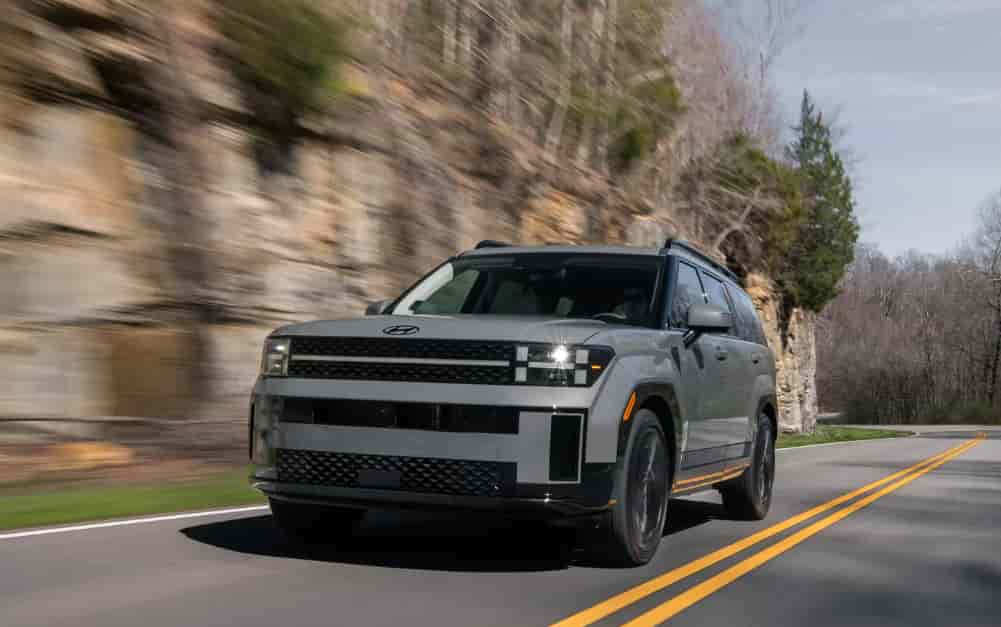
What is Hyundai Santa Fe Transmission Recall
A transmission recall is an official safety action taken by a car manufacturer when a defect is found in the transmission system. The issue can affect how a vehicle performs or how safely it operates. In the case of the Hyundai Santa Fe, a transmission recall usually relates to problems in gear shifting, power delivery, or transmission control.
The transmission system transfers engine power to the wheels. It also manages gear changes while the vehicle accelerates or slows down. When this system does not work correctly, the driver may notice unstable or unusual behavior on the road. Common signs include gear slipping, delayed shifting, jerking during acceleration, or loss of smooth power delivery.
Manufacturers issue a recall when they detect that a defect may create safety risks or reduce driving performance. In most cases, the company inspects the affected vehicles and repairs or replaces faulty parts at no cost to the owner. This process helps reduce accident risk and restore proper vehicle function.
A transmission recall does not mean every vehicle will fail. It means a specific group of vehicles may have a higher chance of developing the same issue. These vehicles often come from the same production period or use the same components. Owners should check whether their car is included in the recall list and take action if needed.
Which Hyundai Santa Fe Models Are Affected
Not every vehicle is included in a transmission recall, even when the issue involves the Hyundai Santa Fe. Manufacturers usually limit recalls to specific production years, engine types, or transmission configurations where the defect was detected.
In most cases, affected models come from a defined manufacturing range. These vehicles may share the same transmission design or software version. When a defect appears in one batch, similar vehicles produced during the same period are more likely to be reviewed. This is why recall lists often focus on certain model years instead of the entire lineup.
Owners should also understand that different trims can have different components. A base model and a higher trim may use different transmission tuning or control systems. This difference can affect whether a vehicle is included in the recall group.
Automakers typically identify affected vehicles through internal testing, warranty claims, and real world performance reports. Once enough data confirms a pattern, they release a recall notice for specific models. Drivers are then advised to check their vehicle identification number to confirm status.
Even if a vehicle is not included in a recall, it can still develop transmission issues over time. Regular maintenance and early diagnosis remain important to avoid unexpected failures. Owners should not assume safety simply because their model is not listed in a recall notice.
Symptoms of Transmission Problems Before Recall Notice
Transmission issues often appear before any official recall notice is released for the Hyundai Santa Fe. Many drivers notice early warning signs while driving, but they may not immediately connect these symptoms to a serious mechanical problem.
One of the most common symptoms is delayed shifting. The vehicle may take longer than usual to change gears, especially during acceleration. This can make the driving experience feel slow or unresponsive. In some cases, the engine revs higher than expected before the gear engages.
Another frequent sign is gear slipping. The transmission may unexpectedly change gears or fail to stay in the correct gear. This creates unstable driving behavior and can reduce control, especially on highways or during overtaking.
Drivers may also feel jerking or shaking when the car shifts. This happens when the transmission does not transfer power smoothly. Over time, this symptom can become more noticeable and affect driving comfort.
Unusual noises can also indicate a problem. A whining, buzzing, or clunking sound from the transmission area often signals internal wear or malfunction. These sounds usually become louder as the issue develops.
In some cases, warning lights appear on the dashboard. These alerts indicate that the vehicle’s system has detected abnormal transmission behavior and requires inspection.
When these symptoms appear, drivers should not ignore them. Early diagnosis can prevent further damage and reduce repair costs. Even if no recall notice has been issued yet, these signs suggest that the vehicle needs immediate attention.
Causes of Transmission Issues in Hyundai Santa Fe
Transmission problems in the Hyundai Santa Fe can come from several technical and mechanical factors. In many cases, the issue does not come from a single fault but from a combination of design, software, and wear over time.
One common cause is related to the transmission control system. This system manages gear shifts based on speed, engine load, and driving conditions. If the control software is not properly calibrated, it can send incorrect signals, which leads to rough or delayed shifting.
Another cause comes from internal mechanical wear. Transmission components such as clutches, gears, and valves operate under high pressure and heat. When these parts wear out faster than expected, the system loses smooth performance. This can lead to slipping gears or hesitation during acceleration.
Heat buildup is also a key factor. Automatic transmissions rely on fluid to lubricate and cool internal parts. If the fluid degrades or overheating occurs, friction increases and performance drops. Over time, this can damage critical components inside the system.
Manufacturing inconsistencies can also play a role. If a batch of vehicles uses slightly different parts or assembly tolerances, long term reliability may vary. This is one reason why recalls often target specific production periods instead of all models.
Driving conditions also affect transmission health. Frequent stop and go traffic, heavy loads, or aggressive acceleration can increase stress on the system. These conditions may accelerate existing weaknesses in the transmission design.
Understanding these causes helps explain why transmission issues appear in some vehicles earlier than others. It also highlights why early inspection is important when symptoms begin to show.
How to Check If Your Vehicle Is Under Recall
Owners of the Hyundai Santa Fe can check recall status using several simple methods. The most accurate way is to use the Vehicle Identification Number, also known as VIN. This number is unique to each car and allows manufacturers to identify specific vehicles affected by a recall.
The VIN check can be done through the official recall database provided by government safety agencies or directly through the manufacturer’s website. When the VIN is entered, the system shows whether the vehicle has any open recalls, including transmission related issues.
Another reliable method is to contact an authorized dealership. Service advisors can check the vehicle status using internal systems. They can also confirm whether the vehicle needs inspection or repair under a recall program.
Owners should also review official notifications sent by the manufacturer. These letters usually explain the issue, the affected models, and the next steps for repair. However, not all owners receive notices at the same time, so checking manually is still important.
It is recommended to check the VIN even if the vehicle is running normally. Some recall issues do not show immediate symptoms but still require inspection. Early verification helps prevent unexpected failures and ensures the vehicle remains safe to drive.
Regular checks are especially important for used vehicles. Previous owners may not have completed recall repairs, so new owners should always confirm status after purchase.
What Should Owners Do If Affected
If a vehicle is confirmed under transmission recall, owners of the Hyundai Santa Fe should act quickly to reduce risk and avoid further damage. The first step is to contact an authorized service center to schedule an inspection. The dealership will verify the issue and explain the required repair process.
In most recall cases, the manufacturer covers the repair cost. This may include software updates, transmission component repairs, or full replacement depending on the severity of the defect. Owners do not need to pay for these services if the vehicle is officially included in the recall program.
During the repair process, the service center will inspect the transmission system and confirm whether parts need adjustment or replacement. In some situations, the vehicle may only require a software update to improve shifting performance. In more serious cases, mechanical components may be replaced to restore proper function.
Owners are usually advised to avoid delaying the repair appointment. Even if the vehicle still drives normally, the underlying issue can worsen over time and lead to unexpected failure. Early service helps reduce the risk of breakdown and improves overall safety.
If the vehicle is used daily, the dealership may offer temporary solutions depending on availability and location. Repair times can vary based on parts supply and service demand, so early scheduling is recommended.
Taking immediate action ensures that the recall process is completed safely and that the vehicle returns to proper operating condition.
Risks of Ignoring Transmission Recall
Ignoring a transmission recall on the Hyundai Santa Fe can lead to serious consequences over time. Even if the vehicle still appears to drive normally, the underlying defect may continue to develop and affect safety and performance.
One major risk is sudden transmission failure while driving. This can cause the vehicle to lose power unexpectedly, especially during acceleration or highway driving. In such situations, the driver may have limited control, which increases the risk of accidents.
Another risk is progressive damage to internal components. When a known transmission issue is not repaired, friction and heat can build up inside the system. This can lead to more severe mechanical failure and significantly higher repair costs later.
Drivers may also experience worsening symptoms over time. Issues like delayed shifting, jerking, and gear slipping often become more frequent and more severe. This makes the vehicle less comfortable and less reliable for daily use.
Ignoring a recall can also affect the long term value of the vehicle. A car with an open recall or unresolved transmission issue may be harder to sell or trade in. Buyers often avoid vehicles with known safety defects.
In some cases, continued driving with a faulty transmission can cause damage beyond the transmission system itself. Related components such as the engine and drivetrain may also be affected.
For these reasons, addressing a recall early is always the safer choice. It helps protect both the driver and the vehicle while preventing unnecessary repair expenses in the future.
Fixes and Repair Solutions
When a transmission recall is confirmed for the Hyundai Santa Fe, manufacturers provide official repair solutions designed to restore safe and stable performance. The exact fix depends on the severity and type of transmission issue identified in the recall campaign.
In many cases, the first solution is a software update. This update adjusts how the transmission control system manages gear shifts. It can improve shifting timing, reduce jerking, and correct abnormal behavior caused by calibration errors.
If the issue is mechanical, technicians may repair or replace specific transmission components. These parts can include clutch assemblies, valve bodies, or sensors that control gear engagement. The goal is to restore proper internal function without replacing the entire system if possible.
In more severe cases, a full transmission replacement may be required. This usually happens when internal damage is extensive or when repeated failures are detected. Although this is less common, it provides a long term solution for affected vehicles.
All recall related repairs are typically performed at no cost to the owner. Authorized service centers follow manufacturer guidelines to ensure the repair meets safety and quality standards. After the repair, the vehicle is tested to confirm proper operation.
Owners are encouraged to complete the repair as soon as possible after receiving notice. Delaying service may allow the problem to worsen and increase the risk of additional damage.
Conclusion
The Hyundai Santa Fe transmission recall is an important safety issue that owners should not ignore. It highlights potential problems in the transmission system that can affect driving performance, comfort, and overall safety. Understanding the issue early helps drivers avoid unnecessary risks and costly repairs.
In most cases, the recall process is straightforward. Owners simply need to check their VIN, confirm whether their vehicle is affected, and schedule a repair with an authorized service center. The manufacturer usually covers all repair costs, which makes early action even more important.
The most critical step is awareness. Symptoms such as delayed shifting, gear slipping, or unusual noises should never be ignored. Even if the vehicle still operates, these signs often indicate deeper mechanical issues that may worsen over time.
By taking timely action, owners can ensure their vehicle remains safe and reliable. Checking recall status regularly and responding quickly to official notices is the best way to protect both the driver and the vehicle’s long term value.