Hyundai Palisade battery problems often cause a dead battery, slow cranking, or repeated starting failures. Some owners also find that the battery dies after the vehicle sits overnight. These symptoms do not always mean that the battery itself has failed.
Several electrical problems can drain the Hyundai Palisade 12 volt battery. Common causes include parasitic draw, charging system faults, loose battery connections, and electrical components that remain active. A weak battery can also lose its charge faster, especially after short trips or long parking periods.
Start the diagnosis by testing the battery voltage and its ability to hold a charge. Next, check whether the charging system supplies enough voltage while the engine runs. If both tests show normal results, check the vehicle for parasitic electrical draw. This process helps identify the real cause before you replace parts.
This guide explains the main Hyundai Palisade battery problems, their causes, and the correct fixes. It also covers common symptoms, battery drain, electrical faults, diagnostic steps, and situations that require professional service.
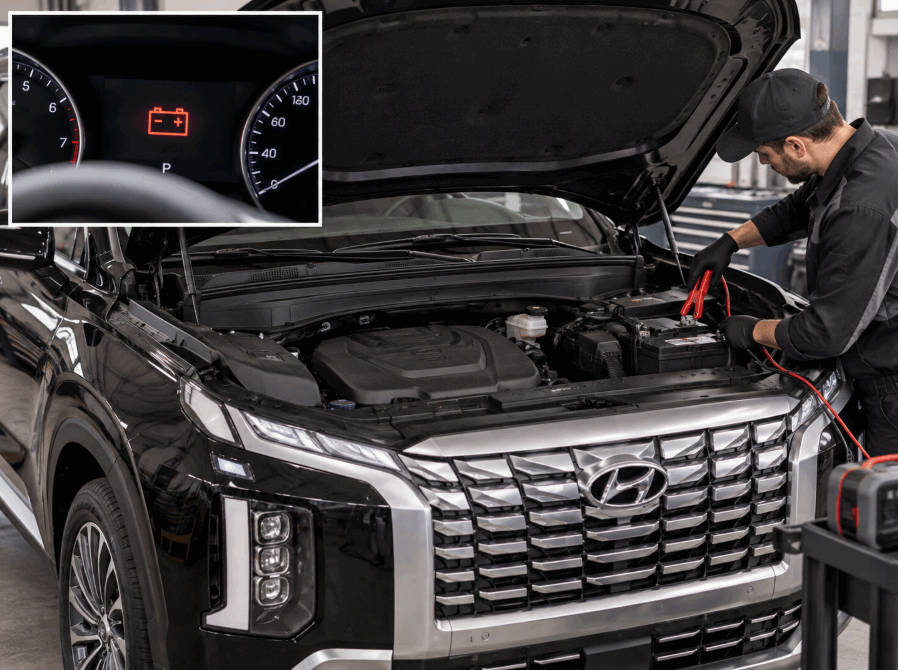
What Are the Most Common Hyundai Palisade Battery Problems?
There are five main Hyundai Palisade battery problems that drivers may notice. These include a dead battery after parking, slow engine cranking, a no start condition, repeated jump starts, and rapid battery discharge. Each symptom points to a loss of available electrical power, but the battery itself may not always cause the problem.
A dead battery after several hours of parking often indicates that something continues to consume electricity after the vehicle shuts down. This type of battery drain becomes easier to recognize when the vehicle starts normally after a jump but loses power again after sitting. Replacing the battery without finding the electrical draw may only provide a temporary solution.
Slow cranking indicates that the starter does not receive enough electrical current. A weak battery can cause this symptom, but poor battery connections can create the same result. Drivers may also notice dim interior lights or slower electrical accessories before the engine starts.
A complete no start condition occurs when the battery cannot supply enough power to operate the starting system. Hyundai has documented one specific cause on certain Palisade LX2 vehicles. Technical Service Bulletin 26 EE 007H states that a stuck relay can keep the cooling fan running after the ignition turns off. The fan can then drain the battery and leave the vehicle unable to start.
Repeated jump starts also signal that the vehicle needs further diagnosis. A healthy charging system should restore battery energy while the engine runs. If the battery repeatedly loses its charge, technicians should test the battery, charging system, electrical connections, and parasitic current draw.
What Causes Hyundai Palisade Battery Problems?
There are five main areas to check when a Hyundai Palisade develops repeated battery problems. These are battery condition, parasitic electrical draw, charging system performance, battery connections, and electrical components that remain active after shutdown.
Battery condition should come first because every automotive battery loses capacity as it ages. Heat, repeated deep discharge, long parking periods, and frequent short trips can accelerate this process. A battery may still show voltage but fail to provide enough current during engine starting. A proper battery load or conductance test helps identify this condition.
Parasitic electrical draw occurs when a component continues using excessive power after the vehicle turns off. The Hyundai cooling fan issue provides a documented example. Hyundai states that a stuck relay inside the engine room PCB block can keep the cooling fan operating after shutdown. The service procedure calls for replacement of the engine room PCB block when the bulletin conditions apply.
Charging system problems can also leave the battery undercharged. The alternator must replace the electrical energy used during starting and supply power while the engine runs. A charging fault can gradually reduce the battery state of charge until the Palisade struggles to start.
Poor battery connections can restrict current even when the battery remains healthy. Loose terminals, corrosion, or damaged cables increase electrical resistance between the battery and vehicle. Technicians should inspect these connections before replacing major electrical components.
Electrical accessories and control modules also require attention when the battery drains while parked. A parasitic draw test measures current after the vehicle enters its normal sleep state. Technicians can then isolate the circuit that consumes excessive power. This approach identifies the source of the drain instead of treating a dead battery as the root cause.
How Do You Diagnose Hyundai Palisade Battery Problems?
Diagnosing Hyundai Palisade battery problems requires a step by step electrical inspection. Replacing the battery should not become the first solution unless testing confirms that the battery has lost its ability to store power. A complete diagnosis checks the battery condition, charging system, electrical connections, and possible power drains.
The first step is a battery voltage test. A fully charged 12 volt battery usually shows around 12.6 volts when the vehicle remains off. A lower reading may indicate a low state of charge or a battery that cannot maintain proper energy levels. However, voltage alone cannot confirm battery health because a damaged battery can still display normal voltage.
The second step is a battery load test. This test measures how well the battery performs when it supplies high current during engine starting. A battery with internal damage may show acceptable voltage but fail under load. This explains why some Hyundai Palisade owners experience starting problems even after charging the battery.
The third step is a charging system test. The alternator must provide enough electrical output to recharge the battery after each drive. A charging system inspection measures alternator output, battery charging voltage, and electrical stability while the engine operates.
A parasitic draw test becomes necessary when the battery and charging system work correctly but the battery continues to lose power while parked. This test measures the electrical current that flows after the vehicle turns off and enters sleep mode. Technicians then inspect individual circuits to find the component that consumes excessive power.
What Should You Check When a Hyundai Palisade Battery Keeps Dying?
When a Hyundai Palisade battery keeps dying, check five areas before replacing the battery. These areas include battery age, driving habits, electrical accessories, battery connections, and hidden electrical drains.
Battery age affects performance because automotive batteries gradually lose capacity over time. Most batteries experience reduced starting power as internal materials wear down. A battery that has experienced repeated deep discharge may fail earlier because each complete discharge damages its internal structure.
Driving habits also influence battery performance. Short trips may prevent the alternator from fully restoring the energy used during engine startup. A Palisade that frequently travels short distances may develop a low state of charge even when the battery and alternator operate normally.
Aftermarket accessories can create additional electrical demand. Dash cameras, remote starters, phone chargers, and additional lighting systems may continue drawing power when the vehicle is parked. An accessory that does not enter standby mode can gradually discharge the battery.
Battery terminals and cables require regular inspection because electrical resistance affects current flow. Corrosion or loose connections can reduce starting performance and prevent efficient charging. Cleaning the terminals and securing the connections can solve some starting issues without replacing the battery.
Hidden electrical drains require a more detailed inspection. A component that remains active after shutdown can slowly remove battery power. On certain Hyundai Palisade LX2 vehicles, Hyundai identified a cooling fan relay issue that could keep the cooling fan operating after the vehicle was turned off. This condition can drain the battery and create a no start situation.
How Do You Fix Hyundai Palisade Battery Problems?
Fixing Hyundai Palisade battery problems depends on the cause of the power loss. A battery replacement solves the issue only when the battery cannot hold enough charge. Other problems require electrical repairs, charging system service, or correction of the component that creates the battery drain.
Replace the battery when testing shows reduced capacity or poor starting performance. A damaged battery cannot store enough energy for the starter, even when the alternator works correctly. Drivers should also check the battery warranty because premature battery failure may require further inspection before replacement.
Repair the charging system when the alternator cannot restore battery power during operation. A charging fault can make a new battery lose energy quickly. Technicians usually test alternator output, charging voltage, and related electrical components before replacing the battery.
Fix parasitic electrical drains by identifying the circuit that continues using power after shutdown. The repair depends on the failed component. A technician may need to repair wiring, replace a relay, update a control module, or remove an accessory that creates excessive electrical demand.
For certain Hyundai Palisade LX2 vehicles, Hyundai identified a condition where a stuck relay inside the engine room PCB block could keep the cooling fan running after the vehicle shuts down. The repair procedure involves replacing the engine room PCB block when the vehicle meets the conditions described in the technical service bulletin.
How Much Does It Cost to Fix Hyundai Palisade Battery Problems?
The cost to fix Hyundai Palisade battery problems depends on the failed component and the amount of diagnosis required. A simple battery replacement usually costs less than electrical repairs because technicians can complete the repair faster. However, repeated battery failure may require deeper testing to find the actual cause.
A new 12 volt battery represents the most common repair cost for a weak or failed battery. The final price depends on battery type, brand, warranty coverage, and labor rates. Drivers should confirm battery specifications before installation because the wrong battery type can affect vehicle performance.
Electrical diagnosis can increase repair costs because technicians need additional time to locate the source of the drain. A parasitic draw test requires measuring electrical current after the vehicle shuts down and checking different circuits until the faulty component appears.
Charging system repairs vary depending on the failed part. An alternator problem may require component replacement, while a loose connection may only require cleaning or tightening. Testing the charging system before replacing the battery prevents unnecessary expenses.
Owners should also check Hyundai service information, warranty coverage, and applicable technical service bulletins before paying for repairs. A documented manufacturer issue may provide important repair guidance, especially when the problem involves specific electrical components.
How Can You Prevent Hyundai Palisade Battery Problems?
Preventing Hyundai Palisade battery problems requires regular battery maintenance and early detection of electrical issues. A healthy battery depends on proper charging, clean connections, suitable driving patterns, and quick response to early warning signs.
Inspect the battery terminals regularly to prevent corrosion and poor electrical contact. Corroded or loose terminals increase resistance and reduce the amount of power that reaches the starter. Cleaning the connections and checking terminal tightness can help maintain reliable starting performance.
Drive the vehicle long enough to allow the charging system to restore battery energy. Frequent short trips may not provide enough time for the alternator to replace the power used during startup. Drivers who use their Palisade mainly for short distances should monitor battery condition more frequently.
Limit unnecessary electrical loads when the vehicle remains parked for extended periods. Accessories such as dash cameras, additional lighting, and aftermarket electronic devices can increase battery demand. These devices should enter standby mode correctly or disconnect when the vehicle is not in use.
Pay attention to early battery warning signs. Slow engine cranking, dim lights, repeated jump starts, and unusual electrical behavior indicate that the vehicle needs inspection. Early diagnosis can prevent complete battery failure and avoid unexpected no start situations.
Should Hyundai Palisade Owners Worry About Battery Problems?
Hyundai Palisade owners should investigate repeated battery failures, but a battery issue does not always indicate a major vehicle defect. Many battery problems come from normal battery wear, charging issues, electrical accessories, or conditions that increase power consumption.
A single dead battery does not always mean the vehicle has a serious electrical problem. Extreme temperatures, long storage periods, and frequent short trips can reduce battery performance. However, a battery that repeatedly loses power after replacement requires a complete electrical diagnosis.
Owners should separate confirmed manufacturer information from general battery complaints. Hyundai has released technical service information for specific Palisade LX2 electrical conditions, including a cooling fan relay issue that can continue operating after shutdown. Other battery complaints may require individual inspection to identify the actual cause.
The most effective approach is to identify the source of the power loss before replacing parts. A proper diagnosis protects owners from unnecessary repairs and helps technicians apply the correct solution.
Understanding Hyundai Palisade battery problems requires looking beyond the battery itself. The battery, charging system, electrical modules, accessories, and vehicle usage patterns all influence starting reliability. By following a structured diagnostic process, owners can find the real cause and restore dependable vehicle operation.