Have you ever struggled with a car door that refuses to lock or unlock properly? A malfunctioning door lock actuator can turn a simple task into a stressful experience. Many car owners immediately think of expensive repairs without realizing that resetting the actuator can often fix the problem quickly and effectively. Understanding how to reset a door lock actuator can save you both time and money while restoring your vehicle’s security.
This step-by-step guide is designed for any car model, from compact sedans to SUVs and minivans. By following these instructions, you will learn how to identify the issue, safely reset the actuator, and test the door functions to ensure everything works perfectly. The method is straightforward and does not require professional tools, making it accessible even for beginners or those with minimal DIY experience.
Resetting your door lock actuator addresses common frustrations such as doors failing to lock or unlock, remote key malfunctions, and unexpected security issues. With this guide, you can regain full control over your vehicle’s door system, avoid unnecessary repair costs, and feel confident handling minor actuator problems on your own. By the end, you will have a reliable solution that keeps your car doors functioning smoothly and securely.
Contents
Identify the Problem Before Resetting the Door Lock Actuator
The first step in learning how to reset a door lock actuator is to identify the problem. Check whether the actuator causes the door malfunction. Common signs include a car door that will not lock or unlock, strange noises from the door when using the key fob or interior lock switch, or inconsistent responses from the remote key. Ignoring these signs can damage the actuator further, increase repair costs, or create security risks.
Observe which doors do not work properly. If only one door fails, the actuator likely causes the problem. If multiple doors do not respond, check the wiring, the central locking system, or the fuses. Use a multimeter or test light to see if power reaches the actuator. These checks help you decide whether to reset or replace the actuator.
Also, rule out external factors. The actuator might work fine, but a worn lock mechanism, broken linkage, or debris inside the door panel can cause the same symptoms. Inspect all components carefully. Correctly identifying the actuator problem saves time, reduces frustration, and ensures a more effective reset. Once you confirm the issue, you can move to the next step and safely reset the door lock actuator.
Disconnect the Car Battery for Safety
Before you start resetting the door lock actuator, disconnect the car battery to ensure safety. Working with electrical components while the battery is connected can cause short circuits, damage the actuator, or even create a risk of electric shock. Disconnecting the battery protects both you and your vehicle.
Locate the car battery, usually under the hood. Identify the negative terminal first. Using a wrench, loosen the bolt and remove the negative cable. After that, remove the positive cable. Always remove the negative cable first and reconnect it last. This simple sequence prevents accidental electrical contact and reduces the chance of sparks.
After disconnecting the battery, wait at least 10 to 15 minutes before touching the actuator. This pause allows residual power to drain from the vehicle’s system and ensures that the actuator resets properly. During this time, you can gather the tools needed for the next steps, such as screwdrivers, a trim removal tool, and a flashlight.
Disconnecting the battery may feel like an extra step, but it makes the entire reset process safer and more effective. Taking these precautions helps you avoid unnecessary damage and ensures that you can work on the door lock actuator with confidence. Once the battery is safely disconnected, you are ready to move to the next step: accessing the door lock actuator.
Access the Door Lock Actuator
After disconnecting the battery, the next step in learning how to reset a door lock actuator is to access the actuator itself. Start by removing the door panel carefully. Most vehicles use clips and screws to hold the panel in place. Use a trim removal tool or flathead screwdriver to gently pry the panel away. Keep all screws and clips in a small container so you do not lose them.
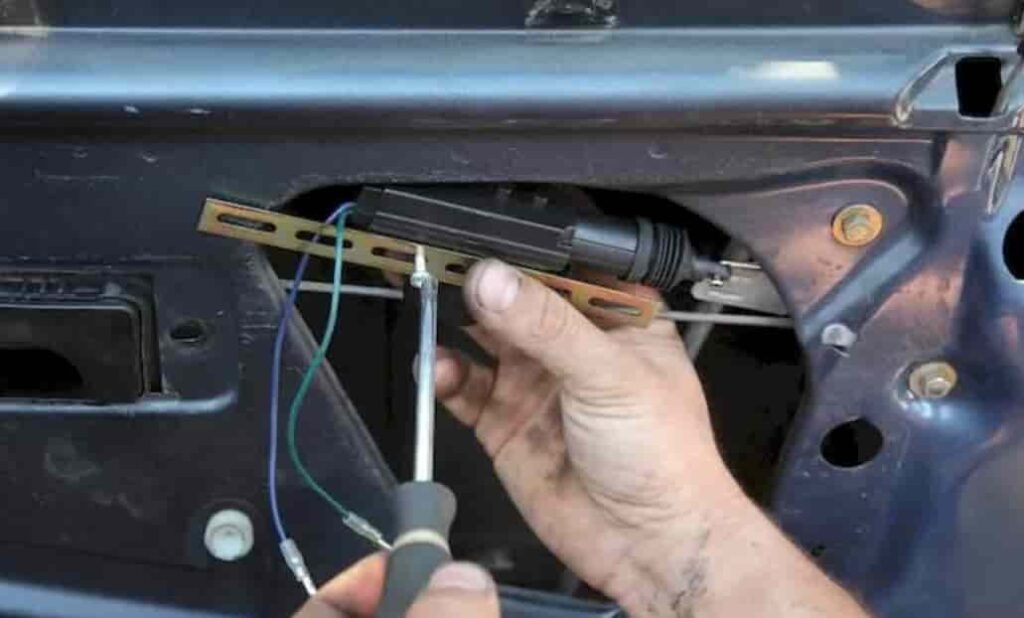
Once the panel is removed, locate the door lock actuator. It usually sits near the door latch inside the door frame. Look for a small motor connected to the lock mechanism. Make sure you can see the actuator clearly before attempting to reset it. Take a flashlight if needed, and note how the actuator connects to the door lock and wiring harness.
Inspect the actuator and surrounding components. Check for loose wires, broken linkages, or debris that might block its movement. Cleaning the area can improve the actuator’s function and prevent future problems. Understanding the actuator’s position and connections ensures that you perform the reset correctly and safely.
Accessing the actuator may seem tricky at first, but taking your time prevents damage to the door panel and other components. Once you have clear access, you are ready to proceed to the next step: performing the reset. Proper access makes the reset process more efficient and reduces the risk of mistakes that could require professional repairs.
Reset the Door Lock Actuator
With the actuator fully accessible, you can now reset it. Start by disconnecting the actuator’s wiring connector carefully. Avoid pulling on the wires directly. Leave it disconnected for about 30 seconds to one minute. This pause allows the actuator’s internal system to clear any electrical memory and prepares it for a fresh start.
After the pause, reconnect the wiring connector firmly. Ensure the connector clicks into place to establish a solid electrical connection. Loose connections can prevent the actuator from functioning correctly and may cause repeated issues.
For vehicles equipped with an OBD2 system, you can use a diagnostic tool to perform a digital reset. Connect the OBD2 tool to the car’s port and follow the instructions to reset the actuator. This method is faster and sometimes more effective than manual resets, especially for newer car models.
If you prefer a manual approach, move the door lock switch a few times while the actuator is connected. This step helps the actuator recalibrate its position. Listen for smooth operation without unusual noises. Repeating the lock and unlock process confirms that the actuator responds correctly.
Resetting the actuator may take a few attempts, but patience ensures proper function. Avoid forcing the mechanism, as this can damage the actuator or door components. Once the reset is complete, you are ready to test the actuator and reassemble the door panel in the next step. Properly resetting the door lock actuator restores smooth locking and unlocking, enhances vehicle security, and reduces the risk of future malfunctions.
Test and Reassemble the Door Lock Actuator
After resetting the door lock actuator, the next step is to test its function before reassembling the door panel. Reconnect the car battery, starting with the positive terminal and then the negative terminal. This order ensures safety and proper electrical connection.
Test the door lock actuator by using both the key fob and the interior lock switch. Observe whether the door locks and unlocks smoothly. Listen for any unusual noises such as grinding, clicking, or hesitation, which may indicate incomplete reset or mechanical issues. Repeat the lock and unlock process a few times to confirm consistent performance.
If the actuator works correctly, carefully reassemble the door panel. Align the panel with its clips and screw holes, then press or screw it into place. Ensure that all screws and clips are securely fastened. Double-check that the door handle, window switches, and lock mechanism operate correctly before finishing.
During this process, remain patient and gentle to avoid damaging the door panel or internal components. Reassembling the door correctly not only restores the vehicle’s appearance but also ensures long-term functionality of the door lock actuator. Completing this final step allows you to enjoy a fully functional, secure, and reliable door locking system.
Testing and reassembling the actuator is a critical part of the reset process. Proper verification guarantees that your efforts result in a smooth, fully operational door lock. Following these steps carefully helps prevent future issues, reduces repair costs, and gives you confidence in maintaining your car’s door system.
Conclusion
Resetting a door lock actuator may seem intimidating at first, but following the step-by-step guide makes the process straightforward and manageable for any car owner. By identifying the problem, disconnecting the battery, accessing the actuator, performing the reset, and carefully testing and reassembling, you can restore full functionality to your vehicle’s doors without relying on professional help.
Understanding how to reset a door lock actuator not only saves money but also helps you avoid unnecessary stress and delays caused by malfunctioning locks. Performing the reset correctly ensures smooth operation, prevents future issues, and enhances the overall security of your vehicle. Even if you have minimal DIY experience, this guide equips you with the knowledge and confidence to handle actuator problems safely and efficiently.
Take the time to inspect each step carefully and follow the instructions precisely. A properly reset actuator keeps your doors operating reliably and protects your car from potential security risks. If you encounter challenges or unusual behavior during the reset process, do not hesitate to seek professional assistance. Sharing your experience or questions can also help other car owners facing similar issues.
By mastering how to reset the door lock actuator, you gain control over your car’s locking system, reduce repair costs, and enjoy peace of mind knowing your vehicle’s doors work exactly as they should.