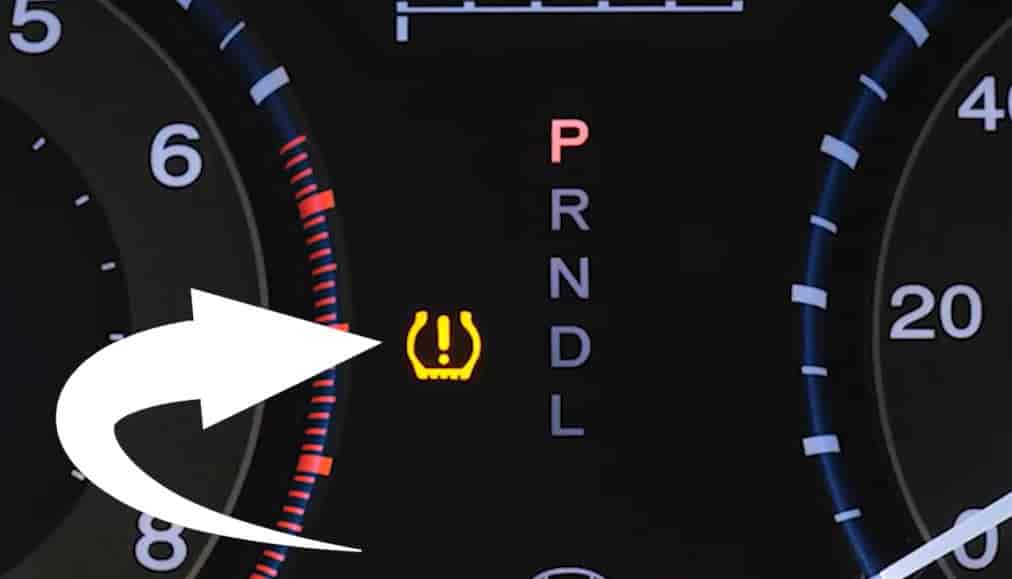
Dealing with a constantly lit TPMS light can be frustrating for any driver. Even when your tire pressures are correct, the warning light may stay on, creating unnecessary stress. Many car owners wonder if there is a way to eliminate the alert permanently without affecting their vehicle’s safety.
Tire Pressure Monitoring Systems are designed to protect you by alerting you to low tire pressure. However, sensors can malfunction or older vehicles may display false warnings that never disappear. Ignoring the light is not recommended because it can mask real tire issues.
Understanding how to permanently turn off TPMS light ensures you can manage your dashboard alerts safely. In this step-by-step guide, we will explore methods suitable for any car, from simple dashboard resets to advanced tools. Following this guide will help you save time, reduce stress, and take control of your vehicle’s warning system.
Contents
Understand Your TPMS System
Before you attempt to permanently turn off the TPMS light, it is crucial to understand how your vehicle’s Tire Pressure Monitoring System works. Most cars use either a direct or indirect TPMS. Direct TPMS uses sensors mounted inside each tire to measure air pressure and send real-time data to your dashboard. These sensors can detect even small pressure changes and alert you immediately if a tire is underinflated. Indirect TPMS does not use physical sensors but relies on your vehicle’s ABS or wheel speed sensors to monitor differences in wheel rotation. When a tire loses pressure, its rotation speed changes, triggering the TPMS warning light. Knowing which system your car has will help you choose the most effective method to manage or disable the light.
It is important to note that TPMS lights exist for your safety. A tire that is underinflated can cause uneven wear, reduce fuel efficiency, and increase the risk of a blowout. Similarly, a faulty sensor may trigger false alerts. Permanently turning off the TPMS light without understanding the system can create safety risks and mask real issues. By learning how to permanently turn off TPMS light while understanding how it works, you can make informed decisions. This knowledge ensures that you can control your dashboard alerts confidently without compromising your vehicle’s safety or violating regulations. Understanding your TPMS system is the first and most important step before any reset or permanent disable procedure.
Check for Underlying Issues
Before attempting to permanently turn off the TPMS light, it is essential to check for any underlying issues that may be causing the warning. The TPMS light can indicate low tire pressure, a faulty sensor, or even a dead sensor battery. Ignoring these issues and simply disabling the light can lead to serious safety risks, including tire blowouts or uneven tire wear. Start by visually inspecting each tire and using a tire pressure gauge to ensure all tires are properly inflated according to the manufacturer’s specifications.
If the tire pressures are correct, the next step is to examine the sensors. Many TPMS sensors have a limited battery life, typically around five to ten years, depending on the vehicle and usage. A sensor that has failed or is malfunctioning can trigger a warning light even if your tires are fine. In some cases, environmental factors like extreme temperatures or road vibrations can temporarily cause the TPMS light to come on. Identifying the root cause of the alert is crucial before proceeding to any reset or permanent disable method.
Understanding these underlying issues ensures that you do not ignore a real problem while managing your TPMS light. Checking your tires and sensors carefully allows you to address safety concerns first. Once you are confident that your tires are in good condition and sensors are functioning correctly, you can move on to the next steps of resetting or permanently turning off the TPMS light safely.
Use OBD2 Scanner or TPMS Tool
One of the most effective ways to permanently turn off the TPMS light is by using an OBD2 scanner or a dedicated TPMS tool. These devices allow you to communicate directly with your car’s onboard computer and manage the TPMS system efficiently. An OBD2 scanner can read error codes, reset warnings, and in some cases, disable the TPMS light entirely. Dedicated TPMS tools are specifically designed to reset, program, or deactivate tire pressure sensors, providing a more precise solution for this issue.
To begin, locate your vehicle’s OBD2 port, usually found under the dashboard near the driver’s seat. Connect the scanner or TPMS tool and follow the on-screen instructions to access the TPMS settings. Make sure your car’s ignition is on but the engine is not running. Depending on your tool, you may be able to reset all sensors, clear false alerts, or disable the TPMS warning light permanently. Always consult the tool’s manual for step-by-step instructions to avoid accidental changes to other vehicle systems.
Using an OBD2 scanner or TPMS tool is a safe and reliable method if done correctly. It allows you to take control of your dashboard alerts while ensuring that your sensors are not ignored or damaged. By understanding how to operate these tools, you can manage your TPMS system effectively and confidently. This step provides a professional approach to permanently turning off the TPMS light without compromising your vehicle’s safety or functionality.
Manual Dashboard Reset
Some vehicles offer a manual option to reset or turn off the TPMS light directly from the dashboard. This method is usually the simplest and does not require any special tools. Depending on your car’s make and model, the reset option can often be found in the settings menu of your instrument cluster or through a combination of buttons, such as holding the tire pressure reset button while the ignition is on. Consult your vehicle’s owner manual for exact instructions, as procedures can vary significantly between different manufacturers.
To perform a manual reset, ensure all tires are properly inflated to the recommended pressure. Turn the ignition to the “on” position without starting the engine, then follow the specific sequence outlined for your vehicle. Many cars will flash the TPMS light several times and then turn it off once the reset is successful. In some cases, the light may remain on if the sensors detect a persistent issue, such as a failing sensor or a tire that is still underinflated.
Manual dashboard resets are convenient and quick for minor issues or false alerts. They are a reliable way to temporarily turn off the TPMS light and verify that your system is functioning correctly. While this method may not always permanently disable the warning, it is an important step to understand and attempt before using more advanced tools or procedures. Knowing how to navigate your dashboard reset options ensures you can manage your TPMS alerts effectively and safely.
Permanent Disable
For advanced users, permanently turning off the TPMS light involves deactivating the system using software or wiring modifications. This method should only be considered if you fully understand the risks and legal implications. Disabling TPMS permanently can prevent false alerts, but it also removes an important safety feature that monitors tire pressure. Always ensure your tires are in excellent condition and regularly check pressures manually if you choose this approach.
Permanent disable can be achieved using specialized TPMS software or aftermarket modules that allow you to bypass the sensors. Some vehicles may require adjustments in the car’s ECU or wiring to stop the dashboard from receiving signals from the sensors. It is crucial to follow precise instructions from a reputable source or professional tool to avoid damaging your vehicle’s electrical system. Improper modification may cause other warning lights to appear or interfere with safety systems.
Before attempting this advanced step, weigh the convenience against potential safety and legal concerns. Many drivers find it safer to combine proper tire maintenance with a temporary reset or OBD2 solution rather than permanently disabling the TPMS. Understanding how to permanently turn off TPMS light using advanced methods gives you full control over your dashboard alerts, but it should be done responsibly. If you are unsure, consulting a professional mechanic is recommended to ensure your vehicle remains safe and compliant with local regulations.
Conclusion
Permanently turning off the TPMS light can provide relief from constant dashboard warnings, but it is important to approach this process carefully. Understanding your TPMS system, checking for underlying issues, and using proper tools or manual reset options are essential steps to ensure safety. Each method, from simple dashboard resets to advanced permanent disables, has its own benefits and risks.
By following the step-by-step guide, you can manage your TPMS alerts confidently without compromising tire safety. Always ensure your tires are correctly inflated and sensors are functioning properly before considering permanent disable methods. While advanced tools and software provide full control over the TPMS system, regular maintenance and monitoring remain the safest approach.
Ultimately, learning how to permanently turn off TPMS light is about balancing convenience with vehicle safety. Addressing sensor issues first and understanding your car’s system ensures that you do not ignore real problems. With proper knowledge, you can take control of your dashboard alerts, reduce stress from false warnings, and enjoy a more comfortable driving experience. Following these steps will help you manage the TPMS light effectively for any car.