When shopping for a rugged SUV, one question stands out above the rest: How long do Jeep Wranglers last? Whether you’re considering a brand-new model or a used Wrangler with over 100,000 miles on the odometer, understanding its expected lifespan is essential before making a purchase.
The good news is that a well-maintained Jeep Wrangler can typically last between 200,000 and 300,000 miles, with many owners reporting even higher mileage. Depending on annual driving habits, that translates to approximately 15 to 20 years of reliable ownership. However, reaching those impressive numbers depends on several factors, including routine maintenance, driving conditions, off-road usage, and the specific model year.
The Jeep Wrangler has earned a reputation as one of the most durable off-road vehicles ever built. Its body-on-frame construction, solid axles, and proven four-wheel-drive system make it capable of handling challenging terrain while remaining dependable for everyday driving. Yet, like any vehicle, neglecting maintenance or ignoring common mechanical issues can significantly shorten its lifespan and lead to expensive repairs.
In this comprehensive guide, we’ll explore how long Jeep Wranglers really last, the average mileage you can expect, the factors that influence longevity, common problems to watch for, and practical maintenance tips to help your Wrangler stay on the road for years to come. Whether you’re a current owner or planning to buy one, this guide will help you make an informed decision and maximize the life of your investment.
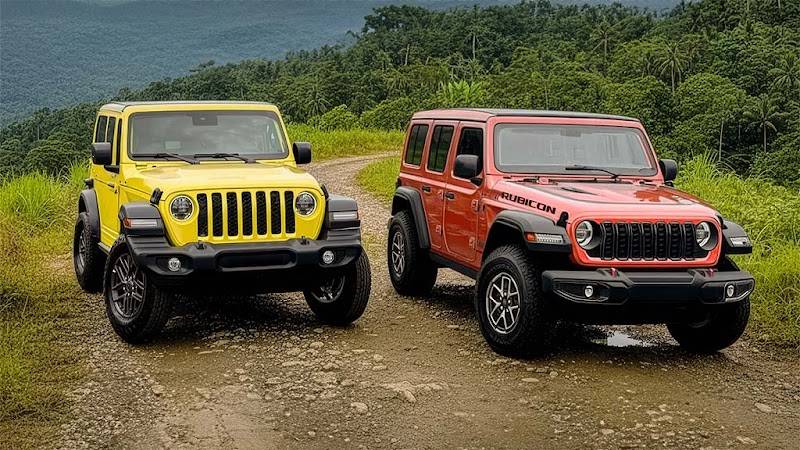
How Long Do Jeep Wranglers Last on Average?
A well maintained Jeep Wrangler can typically last between 200,000 and 300,000 miles. For the average driver covering about 12,000 to 15,000 miles per year, that translates to roughly 15 to 20 years of ownership. Some carefully maintained Wranglers can remain operational even longer, although major components may need to be repaired or replaced along the way.
The lifespan of a Jeep Wrangler depends heavily on how the vehicle is used. A Wrangler driven mainly on paved roads may experience less stress than one regularly used for rock crawling, deep mud, heavy towing, or long off road trips. While the Wrangler is designed for demanding conditions, repeated exposure to harsh terrain can accelerate wear on the suspension, steering, drivetrain, tires, and underbody.
Maintenance history is often more important than mileage alone. A Wrangler with 150,000 miles and complete service records may be a better purchase than one with 90,000 miles that has been neglected. Regular oil changes, cooling system inspections, transmission service, rust prevention, and timely suspension repairs all play a major role in long term reliability.
Climate also matters. Wranglers driven in coastal regions or areas that use road salt during winter may develop frame and underbody corrosion faster. Rust can shorten the useful life of the vehicle even when the engine and transmission are still running well.
In general, owners can expect the following lifespan ranges:
| Vehicle Condition | Expected Mileage | Estimated Ownership Period |
|---|---|---|
| Poorly maintained | 100,000 to 150,000 miles | 7 to 12 years |
| Average maintenance | 150,000 to 220,000 miles | 10 to 16 years |
| Well maintained | 200,000 to 300,000 miles | 15 to 20 years |
| Exceptional care | More than 300,000 miles | 20 years or longer |
These figures are not guarantees, but they provide a realistic picture of Jeep Wrangler longevity.
Can a Jeep Wrangler Last 200,000 or Even 300,000 Miles?
Yes, a Jeep Wrangler can last 200,000 miles, and reaching 300,000 miles is possible with consistent maintenance and responsible ownership. However, a high mileage Wrangler will usually need more than basic oil changes to remain dependable.
Reaching 200,000 miles often requires regular servicing of the engine, transmission, cooling system, suspension, and four wheel drive components. Parts such as water pumps, alternators, wheel bearings, control arms, shocks, seals, and sensors may need replacement during the vehicle’s lifetime. These repairs do not necessarily mean the Wrangler is unreliable. They are part of keeping an older vehicle safe and functional.
The engine is only one part of the longevity equation. A Wrangler may have a strong engine but still become expensive to own if the frame is heavily rusted, the transmission is slipping, or the steering system has been neglected. Owners who inspect problems early and repair them before they spread are more likely to reach higher mileage.
Wranglers used for frequent off road driving require additional attention. Mud, water, dust, and repeated suspension movement can damage seals, joints, electrical connections, and underbody components. Cleaning the vehicle after trail use and inspecting the drivetrain can prevent small issues from becoming major repairs.
A Wrangler approaching 300,000 miles may have already received substantial work, including cooling system repairs, suspension replacement, gasket replacement, transmission service, or engine related repairs. That does not automatically make it a poor vehicle. In fact, detailed maintenance records can show that the previous owner invested in keeping the vehicle in good condition.
The key is to focus on overall mechanical health rather than the odometer alone. A properly maintained high mileage Wrangler can still provide years of dependable service, while a neglected low mileage example may quickly become a financial burden.
Factors That Affect Jeep Wrangler Longevity
Several factors determine how long a Jeep Wrangler will last. Understanding them can help owners avoid expensive repairs and extend the vehicle’s usable life.
Engine Maintenance
Routine engine care is one of the most important factors in Jeep Wrangler longevity. Oil and filter changes should be completed at the recommended intervals, especially if the vehicle is used in dusty conditions, extreme temperatures, or frequent stop and go traffic.
Owners should also monitor coolant levels, engine temperature, oil leaks, unusual noises, and changes in performance. Overheating can cause serious engine damage, including warped components, damaged gaskets, and internal wear. Spark plugs, belts, hoses, filters, and fluids should also be replaced according to the maintenance schedule.
Ignoring warning lights or small leaks can turn an affordable repair into a major engine problem.
Transmission Care
Both automatic and manual transmissions can last a long time when properly maintained. Transmission fluid should be inspected and serviced based on the manufacturer’s recommendations and the vehicle’s usage.
Wranglers used for towing, off road driving, or heavy traffic may place additional stress on the transmission. Hard shifting, slipping, delayed engagement, or unusual noises should be investigated immediately. Manual transmission owners should also pay attention to clutch wear and changes in pedal feel.
Proper transmission care can help prevent one of the most expensive repairs a high mileage Wrangler owner may face.
Rust Prevention
Rust is a serious concern, especially on older Wranglers. The frame, floor panels, suspension mounting points, rocker panels, and underbody should be inspected regularly.
Vehicles exposed to snow, road salt, coastal air, mud, or standing water are at greater risk. Washing the undercarriage, removing trapped dirt, treating surface corrosion, and applying protective coatings can slow the spread of rust.
Severe structural corrosion can make a Wrangler unsafe and uneconomical to repair, even if the engine still runs well.
Driving Habits
Aggressive acceleration, hard braking, excessive towing, and high speed driving can increase mechanical wear. Off road use adds stress to steering components, axles, suspension parts, skid plates, and drivetrain systems.
Responsible driving does not mean avoiding trails completely. It means using the correct tire pressure, selecting proper four wheel drive settings, avoiding unnecessary wheel spin, and inspecting the vehicle after difficult trips.
Highway driving is generally easier on the engine than repeated short trips because the vehicle reaches full operating temperature and experiences fewer cold starts. However, regardless of where the Wrangler is driven, smooth driving habits and preventive maintenance remain essential.
A Jeep Wrangler can be remarkably durable, but its lifespan is shaped by how well the owner protects the engine, transmission, frame, suspension, and drivetrain over time.
Common Jeep Wrangler Problems That Can Shorten Its Lifespan
Although the Jeep Wrangler is known for its durability, no vehicle is immune to mechanical issues. Understanding the most common problems can help owners identify potential concerns early and prevent costly repairs that could reduce the vehicle’s lifespan.
One of the best known Jeep Wrangler issues is the infamous Death Wobble. This phenomenon causes the steering wheel to shake violently after hitting a bump at moderate or highway speeds. Contrary to popular belief, the problem is not caused by a single defective part. Instead, it is usually the result of worn suspension or steering components such as track bars, ball joints, tie rod ends, control arm bushings, or improperly balanced tires. Addressing these issues promptly is essential because prolonged driving with steering instability can accelerate wear on other suspension parts.
Oil leaks are another common issue, particularly on older Wranglers. Valve cover gaskets, rear main seals, and oil filter housing assemblies can develop leaks over time. Small leaks may seem harmless, but ignoring them can lead to low oil levels, overheating, and premature engine wear. Regular inspections can catch these problems before they become expensive engine repairs.
Rust remains one of the biggest threats to the longevity of any Jeep Wrangler, especially models driven in regions with harsh winters or coastal climates. Frame corrosion, rusted suspension mounts, and deteriorating underbody components can compromise structural integrity. Unlike mechanical parts that can often be replaced, severe frame rust may make the vehicle unsafe or economically impractical to repair.
Suspension wear is expected on Wranglers that frequently travel off road. Shocks, springs, bushings, wheel bearings, and control arms gradually wear out after years of rough terrain. While these components are designed to be replaced, delaying repairs can negatively affect ride quality, handling, and tire wear.
Electrical problems may also appear as the vehicle ages. Faulty sensors, power window failures, lighting issues, and intermittent dashboard warning lights are relatively common. Most electrical issues are minor, but diagnosing them early helps prevent larger system failures.
Cooling system failures deserve special attention because overheating is one of the fastest ways to shorten engine life. Radiators, thermostats, water pumps, hoses, and cooling fans should be inspected regularly. A neglected cooling system can lead to warped cylinder heads or blown head gaskets, repairs that are significantly more expensive than routine maintenance.
Transmission problems are less common on properly maintained Wranglers but can occur in high mileage vehicles. Delayed shifting, slipping gears, or unusual noises should never be ignored. Routine fluid changes and early diagnosis can greatly extend transmission life.
Most of these issues develop gradually rather than suddenly. Owners who perform regular inspections and repair small problems before they worsen are far more likely to enjoy a Wrangler that exceeds 200,000 miles.
Jeep Wrangler Lifespan by Generation
Not every Jeep Wrangler generation offers the same level of reliability. Engineering improvements, engine options, and manufacturing updates have influenced the longevity of each generation over the years.
TJ Generation (1997 to 2006)
The TJ remains one of the most respected Wrangler generations ever produced. It introduced coil spring suspension, which significantly improved ride comfort while maintaining excellent off road capability. Many enthusiasts consider the legendary 4.0 liter inline six engine to be one of Jeep’s most reliable powerplants.
With proper maintenance, a TJ can easily exceed 250,000 miles. However, buyers should carefully inspect the frame for rust, especially near the rear control arm mounts and skid plate areas. Older TJ models may also require suspension refreshes, cooling system repairs, and replacement of aging rubber components.
JK Generation (2007 to 2018)
The JK introduced a four door Unlimited model, making the Wrangler more practical for families and daily use. Early models equipped with the 3.8 liter V6 are generally considered less powerful and somewhat less reliable than later versions.
Beginning in 2012, Jeep replaced the older engine with the 3.6 liter Pentastar V6, which delivered better performance, fuel efficiency, and overall reliability. Well maintained JK Wranglers from 2012 onward frequently surpass 200,000 miles with routine servicing.
Prospective buyers should inspect suspension components, steering systems, and transmission performance, particularly on vehicles that have seen heavy off road use or extensive aftermarket modifications.
JL Generation (2018 to Present)
The current JL generation builds upon the Wrangler’s traditional strengths while adding modern technology, improved safety features, and more efficient powertrains. Buyers can choose from several engines, including the proven 3.6 liter Pentastar V6, the turbocharged 2.0 liter four cylinder, the EcoDiesel, and the plug in hybrid 4xe.
Although the JL has not been on the road as long as previous generations, early ownership data suggests strong long term durability when maintenance schedules are followed. Software updates, electronic systems, and hybrid components may require specialized service, but overall build quality has improved compared with earlier generations.
Owners who follow factory maintenance recommendations can reasonably expect the JL to remain reliable well beyond 200,000 miles.
Overall, every Wrangler generation has the potential for a long service life. Choosing a model with a documented maintenance history is usually more important than selecting a specific generation alone.
Is a High Mileage Jeep Wrangler Worth Buying?
A high mileage Jeep Wrangler can be an excellent purchase if it has been properly maintained. Mileage alone should never be the deciding factor when evaluating a used Wrangler. A vehicle with 180,000 miles and complete service records may provide far greater value than another with only 90,000 miles that has been neglected.
Before purchasing a high mileage Wrangler, review maintenance records whenever possible. Documentation showing regular oil changes, transmission service, cooling system maintenance, differential fluid replacement, and suspension repairs indicates that the previous owner cared for the vehicle. Consistent preventive maintenance is often the strongest predictor of future reliability.
Inspect the frame thoroughly for corrosion, cracks, or signs of previous repairs. Rust can become a much larger problem than engine wear because structural damage is expensive to fix and may affect safety. Also examine the suspension, steering linkage, driveshafts, axles, and transfer case for excessive wear or fluid leaks.
Take the vehicle on an extended test drive. Listen for unusual engine noises, transmission hesitation, drivetrain vibrations, steering instability, or brake pulsation. Confirm that the four wheel drive system engages smoothly and that all electronic features operate correctly.
Modified Wranglers deserve additional attention. Lift kits, oversized tires, aftermarket bumpers, and suspension upgrades can improve off road performance, but poorly installed modifications may increase wear on steering and drivetrain components. Whenever possible, choose vehicles modified with high quality parts and supported by professional installation records.
A pre purchase inspection by an experienced mechanic is one of the smartest investments a buyer can make. A thorough inspection can identify hidden mechanical problems that may not be obvious during a short test drive.
If the frame is solid, the engine runs smoothly, the transmission shifts properly, and maintenance records are complete, a high mileage Jeep Wrangler can still provide many years of dependable ownership. In many cases, these vehicles also offer excellent value because depreciation has already occurred while the Wrangler continues to maintain strong resale demand.
How to Make Your Jeep Wrangler Last Longer
Owning a Jeep Wrangler is a long term commitment, and the good news is that there are many steps you can take to maximize its lifespan. While Wranglers are built to withstand harsh environments, consistent preventive maintenance is the key to keeping the vehicle reliable for hundreds of thousands of miles.
The first and most important habit is following the factory maintenance schedule. Regular oil and filter changes keep internal engine components properly lubricated and reduce friction that causes premature wear. Using the manufacturer recommended oil grade and replacing filters at the proper intervals can significantly extend engine life.
Pay close attention to the cooling system. Many major engine failures begin with overheating that could have been prevented by replacing worn hoses, a failing thermostat, or an aging water pump. Check coolant levels regularly and inspect the radiator for leaks or corrosion. If the temperature gauge begins climbing higher than normal, have the problem diagnosed immediately.
Transmission and differential fluids should also be serviced according to Jeep’s maintenance recommendations. Clean transmission fluid reduces internal wear and helps ensure smooth shifting, while fresh differential fluid protects gears during everyday driving and demanding off road adventures.
If you frequently drive off road, make it a habit to clean the undercarriage after every trip. Mud, sand, and road salt can trap moisture against the frame and suspension components, increasing the risk of corrosion. A thorough wash followed by regular rust prevention treatments can dramatically extend the life of the frame.
Tire maintenance is another often overlooked factor. Rotate the tires at recommended intervals, maintain proper tire pressure, and check wheel alignment regularly. Uneven tire wear places additional stress on steering and suspension components while reducing overall driving stability.
Inspect the suspension and steering system during routine maintenance. Replacing worn ball joints, tie rod ends, shocks, and bushings before they fail completely helps preserve ride quality and prevents additional damage to surrounding components.
Driving habits also make a significant difference. Avoid aggressive acceleration, excessive speeding over rough terrain, and unnecessary towing beyond the vehicle’s rated capacity. Smooth driving reduces stress on the drivetrain and extends the life of the engine, transmission, and axles.
Finally, never ignore warning lights or unusual noises. Small repairs are almost always less expensive than waiting for a component to fail completely. Addressing problems early is one of the most effective ways to ensure your Jeep Wrangler remains dependable for well over 200,000 miles.
Jeep Wrangler vs. Other Long Lasting SUVs
The Jeep Wrangler is often praised for its durability, but how does it compare with other SUVs known for exceptional longevity? While every vehicle’s lifespan depends on maintenance and driving conditions, some models consistently earn a reputation for lasting hundreds of thousands of miles.
| Vehicle | Average Lifespan | Reliability | Maintenance Cost | Best For |
|---|---|---|---|---|
| Jeep Wrangler | 200,000 to 300,000 miles | Good | Moderate | Off road enthusiasts |
| Toyota 4Runner | 250,000 to 350,000 miles | Excellent | Low to Moderate | Daily driving and adventure |
| Toyota Land Cruiser | 300,000 to 400,000 miles | Excellent | High | Extreme durability |
| Ford Bronco | 180,000 to 250,000 miles | Good | Moderate | Off road recreation |
| Subaru Outback | 200,000 to 300,000 miles | Very Good | Moderate | Families and road trips |
The Jeep Wrangler stands out because of its legendary off road capability and strong resale value. Its body on frame construction, solid axles, and removable doors and roof create a driving experience that few competitors can match. For buyers who regularly explore trails, mountains, deserts, or beaches, the Wrangler remains one of the best choices available.
The Toyota 4Runner is widely recognized for exceptional reliability and lower long term maintenance costs. It may not offer the same level of customization or off road personality as the Wrangler, but it is often preferred by drivers seeking dependable everyday transportation with excellent off road capability.
The Toyota Land Cruiser has earned a global reputation for surviving some of the harshest environments on Earth. Many examples continue operating well beyond 300,000 miles with proper maintenance. However, higher purchase prices and maintenance costs make it a more expensive long term investment.
Ford reintroduced the Bronco as a direct competitor to the Wrangler, offering impressive off road technology and modern features. While early ownership reports have been encouraging, the Bronco does not yet have the decades long reliability history that supports the Wrangler’s reputation.
Ultimately, the best choice depends on your priorities. If your goal is maximum off road capability combined with long term ownership potential, the Jeep Wrangler continues to be one of the strongest contenders in its class.
Frequently Asked Questions
Is 200,000 miles a lot for a Jeep Wrangler?
Not necessarily. A Jeep Wrangler that has been properly maintained can still have many years of useful life after reaching 200,000 miles. Maintenance history is far more important than the mileage shown on the odometer.
Can a Jeep Wrangler last 300,000 miles?
Yes. Many owners have reported Wranglers exceeding 300,000 miles through regular maintenance, careful driving, and timely replacement of worn components.
What is the most reliable Jeep Wrangler engine?
The 4.0 liter inline six engine found in many TJ models is widely regarded as one of Jeep’s most reliable engines. The modern 3.6 liter Pentastar V6 has also established an excellent reputation for durability when properly maintained.
Are Jeep Wranglers expensive to maintain?
Maintenance costs are generally moderate compared with other off road vehicles. Routine servicing is affordable, but suspension repairs, steering components, and off road related wear can increase long term ownership costs.
Which Jeep Wrangler generation lasts the longest?
The TJ, JK, and JL generations are all capable of exceeding 200,000 miles when properly maintained. Many enthusiasts consider the TJ to be the most durable because of its simple design and highly reliable 4.0 liter engine.
Is it safe to buy a used Wrangler with more than 150,000 miles?
Yes, provided the vehicle has a solid maintenance history, minimal frame rust, a healthy drivetrain, and passes a professional pre purchase inspection.
How often should a Jeep Wrangler be serviced?
Routine inspections should be performed according to the maintenance schedule in the owner’s manual. Oil changes, fluid inspections, tire rotations, and brake checks should never be delayed, especially for vehicles used off road.
Conclusion
So, how long do Jeep Wranglers last? The answer depends largely on how well they are maintained, but most owners can reasonably expect a lifespan of 200,000 to 300,000 miles, or approximately 15 to 20 years of dependable service. With diligent maintenance, careful driving habits, and timely repairs, many Wranglers continue performing well beyond these averages.
One of the Wrangler’s greatest strengths is its ability to combine everyday practicality with exceptional off road capability. Its rugged construction, proven four wheel drive system, and strong aftermarket support make it a vehicle that owners often keep for decades rather than just a few years. While common issues such as suspension wear, rust, or cooling system problems should never be ignored, they can usually be managed through preventive maintenance and early repairs.
If you are shopping for a used Jeep Wrangler, do not focus solely on mileage. Instead, evaluate the vehicle’s maintenance history, inspect the frame carefully, verify that the drivetrain is in good condition, and invest in a professional inspection before making your purchase. A well cared for high mileage Wrangler is often a better investment than a neglected low mileage example.
Whether you already own a Wrangler or are considering buying one, following a proactive maintenance routine is the best way to maximize its lifespan and protect its resale value. With proper care, your Jeep Wrangler can remain a dependable companion for daily commuting, weekend adventures, and countless off road journeys for many years to come.
Have you owned a high mileage Jeep Wrangler? Share your experience, maintenance tips, or favorite adventures in the comments below. Your insights may help other owners keep their Wranglers on the road for even longer.