Finding the right Honda Power Steering Fluid Equivalent is more important than many drivers realize. Power steering fluid keeps the steering system smooth and responsive. It lubricates internal components, protects seals, reduces friction, and helps the pump operate efficiently. The wrong fluid can create steering noise, damage seals, increase pump wear, and lead to costly repairs.
Many Honda owners search for an alternative when Genuine Honda Power Steering Fluid is unavailable or too expensive. At first, using a universal power steering fluid may seem like a simple solution. However, Honda designed many hydraulic steering systems around a specific fluid formulation. Because of that, not every aftermarket product offers the same level of protection or performance.
Several manufacturers now produce fluids that specifically target Honda and Acura hydraulic steering systems. These products can serve as reliable alternatives when they clearly state Honda compatibility. Even so, you should always verify your vehicle’s model year before buying any replacement fluid. A product that works well in one Honda may not suit another model.
You should also identify your steering system before purchasing any fluid. Many modern Honda vehicles use Electric Power Steering instead of a hydraulic system. These models do not require power steering fluid. If your vehicle has EPS, adding fluid is unnecessary because the system operates with an electric motor rather than hydraulic pressure.
This guide explains everything you need to know about choosing the best Honda Power Steering Fluid Equivalent. You will discover safe alternatives, compare OEM and aftermarket options, understand compatibility across Honda models, and learn which fluids to avoid. By the end of this guide, you will know exactly how to protect your steering system and choose the right replacement with confidence.
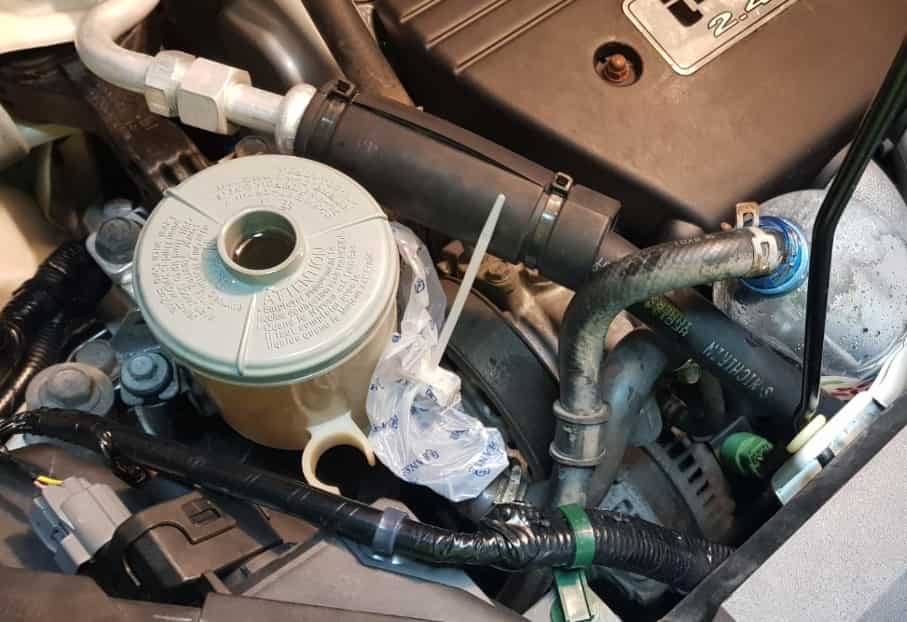
What Is the Best Honda Power Steering Fluid Equivalent?
The best Honda Power Steering Fluid Equivalent depends on your vehicle’s steering system and the fluid specification listed in the owner’s manual. In most cases, Genuine Honda Power Steering Fluid remains the safest option because Honda designed it specifically for its hydraulic steering systems. However, several aftermarket products also perform well when manufacturers clearly state compatibility with Honda or Acura vehicles.
Many drivers assume that all power steering fluids work the same way. That assumption often leads to problems. Different manufacturers use different additive packages, viscosity levels, and seal conditioners. A fluid that performs well in one vehicle may reduce steering performance or shorten component life in another. Choosing a compatible product helps protect the steering pump, steering rack, hoses, and internal seals.
Price should never be the only factor when selecting a replacement fluid. A cheaper product may save money today, but poor compatibility can increase repair costs later. Instead, compare the product label, manufacturer recommendations, and application guide before making a decision. Reputable brands usually publish detailed compatibility information for specific Honda models.
Another important factor is your vehicle’s steering design. Older Honda models commonly use hydraulic power steering, while many newer models rely on Electric Power Steering. Hydraulic systems require the correct fluid to operate properly. Electric Power Steering systems do not use power steering fluid at all. Confirming your steering system before buying any product prevents unnecessary purchases and costly mistakes.
If you cannot find Genuine Honda Power Steering Fluid, choose an aftermarket product that specifically lists Honda or Acura hydraulic steering systems on the label. Avoid products that only claim universal compatibility without providing clear application information. This simple step greatly reduces the risk of steering noise, seal damage, and premature pump wear.
Genuine Honda Power Steering Fluid Remains the Safest Choice
Genuine Honda Power Steering Fluid remains the benchmark for Honda hydraulic steering systems. Engineers developed this fluid to match the pressure, seal materials, and operating temperature of Honda vehicles. As a result, it delivers consistent steering feel and reliable protection under normal driving conditions.
Many owners choose the original fluid because it minimizes compatibility concerns. It also reduces the chance of pump noise, fluid leaks, and seal deterioration. Although the purchase price may be higher than some aftermarket products, the additional cost often provides greater long term value by helping protect expensive steering components.
Quality Aftermarket Fluids Can Be Reliable Alternatives
A high quality aftermarket product can also serve as an excellent Honda Power Steering Fluid Equivalent. The most important requirement is clear compatibility with Honda hydraulic steering systems. Always read the product label carefully before making a purchase.
Several manufacturers formulate power steering fluids specifically for Honda and Acura vehicles. These products often deliver excellent lubrication, stable viscosity, and reliable seal protection. Many drivers use them successfully during routine maintenance when Genuine Honda Power Steering Fluid is unavailable.
Avoid Universal Fluids Without Verified Compatibility
Not every universal power steering fluid works well in Honda vehicles. Some products target a wide range of manufacturers but do not match Honda’s fluid characteristics. Using an incompatible fluid may cause whining noises, heavy steering, fluid foaming, or premature seal wear.
Always verify compatibility through the manufacturer’s application guide instead of relying on marketing claims. If the label does not specifically mention Honda or Acura hydraulic steering systems, consider another product with clearer compatibility information. Spending a few extra minutes on research can prevent expensive repairs in the future.
Honda Power Steering Fluid Equivalents Compared
Choosing the right Honda Power Steering Fluid Equivalent requires more than comparing prices or selecting the first product on the shelf. Every power steering fluid uses a unique blend of base oils and additives. These ingredients affect lubrication, seal protection, corrosion resistance, and temperature stability. Because Honda designed many hydraulic steering systems around a specific fluid formula, using the correct replacement helps maintain smooth steering and extends the life of important components.
Genuine Honda Power Steering Fluid remains the safest choice because Honda engineered it specifically for its hydraulic steering systems. It delivers consistent steering performance, protects rubber seals, and minimizes the risk of pump noise or premature wear. Although it often costs more than aftermarket products, many owners consider the additional expense worthwhile because it provides proven compatibility.
Several aftermarket manufacturers also produce fluids that specifically support Honda and Acura hydraulic steering systems. These products can offer excellent performance when the label clearly states Honda compatibility. Always verify the manufacturer’s application guide before purchasing. A fluid that works well for one Honda model may not suit another model or production year.
Universal power steering fluids deserve extra caution. Some products advertise broad compatibility with many vehicle brands, but those claims do not always match Honda’s fluid requirements. Using an incompatible fluid can cause heavy steering, fluid foaming, whining noises, or seal deterioration over time. Automatic transmission fluid presents a similar concern. While some vehicles allow ATF in the steering system, most Honda hydraulic systems require a dedicated power steering fluid instead.
The comparison below highlights the most common replacement options and explains their strengths and limitations. Reviewing these differences will help you select a Honda Power Steering Fluid Equivalent that delivers reliable performance while reducing the risk of expensive steering system repairs.
Genuine Honda Power Steering Fluid
Genuine Honda Power Steering Fluid remains the benchmark for every Honda Power Steering Fluid Equivalent on the market. Honda developed this fluid specifically for its hydraulic power steering systems, ensuring the correct viscosity, lubrication properties, and seal protection. Because the formula matches the design of Honda steering pumps and steering racks, it delivers smooth steering performance under both normal driving and demanding conditions.
One of the biggest advantages of using Genuine Honda Power Steering Fluid is reliability. Drivers rarely need to worry about compatibility because the fluid meets the exact requirements specified by Honda. It also helps reduce steering noise, minimizes pump wear, and protects rubber seals from premature deterioration. These benefits become even more important as the vehicle ages and steering components experience additional wear.
Another reason many owners prefer the original fluid is its consistent performance across different temperatures. Whether you drive in hot summers or cold winters, the fluid maintains stable lubrication and supports predictable steering response. This stability helps extend the service life of the hydraulic steering system while reducing the risk of expensive repairs.
The main disadvantage is cost. Genuine Honda Power Steering Fluid usually costs more than many aftermarket alternatives, and it may not always be available at local auto parts stores. Some drivers also find it less convenient to purchase because dealerships remain the primary source in many areas.
Despite the higher price, Genuine Honda Power Steering Fluid continues to be the safest option for long term reliability. If you want maximum compatibility and the lowest risk of steering system problems, the original Honda fluid remains the best choice. It sets the standard that every quality Honda Power Steering Fluid Equivalent attempts to match.
Honda Specific Aftermarket Power Steering Fluid
A high quality aftermarket product can serve as an excellent Honda Power Steering Fluid Equivalent when it is specifically formulated for Honda and Acura hydraulic steering systems. Several well known lubricant manufacturers develop products that closely match the performance of Genuine Honda Power Steering Fluid. These fluids aim to provide reliable lubrication, protect internal seals, and maintain smooth steering without requiring the original factory fluid.
The most important factor is compatibility. Do not assume that every aftermarket power steering fluid is suitable for a Honda. Instead, look for products that clearly state compatibility with Honda or Acura hydraulic power steering systems. Reputable manufacturers usually publish detailed application guides that allow you to verify the correct fluid based on your vehicle’s year, model, and engine.
A properly formulated aftermarket fluid can offer many of the same benefits as the original Honda product. It helps reduce friction inside the steering pump, protects hoses and seals from wear, and maintains stable viscosity across a wide temperature range. Many premium aftermarket fluids also contain advanced anti oxidation and anti corrosion additives that help extend fluid life and improve long term system reliability.
Another advantage is availability. Unlike Genuine Honda Power Steering Fluid, aftermarket alternatives are often easier to find through local auto parts stores and online retailers. They also tend to cost less, making them an attractive option for routine maintenance without sacrificing performance.
Even so, quality varies between manufacturers. Products with vague descriptions or unsupported universal claims should be avoided. Choosing a trusted brand that specifically lists Honda compatibility provides greater confidence and reduces the risk of steering noise, fluid leaks, or premature pump wear. For many owners, a well engineered aftermarket product delivers an excellent balance between performance, protection, and overall value.
Asian Vehicle Power Steering Fluid
Many drivers assume that any Asian Vehicle Power Steering Fluid can replace Genuine Honda Power Steering Fluid. While this assumption sounds reasonable, it is not always accurate. The term “Asian vehicle” covers many manufacturers, including Honda, Toyota, Nissan, Mazda, Hyundai, Kia, and Subaru. Each company may use different fluid specifications, which means one formula cannot automatically meet every requirement.
Some premium Asian vehicle power steering fluids are compatible with Honda hydraulic steering systems. These products often include additives that improve lubrication, reduce oxidation, protect seals, and maintain stable performance in both high and low temperatures. When manufacturers specifically list Honda or Acura on the product label, these fluids can become a reliable Honda Power Steering Fluid Equivalent for routine maintenance.
However, not every product marketed for Asian vehicles supports Honda applications. Some formulas target only selected brands or specific steering systems. Using the wrong fluid may reduce steering performance, increase pump noise, or shorten the service life of important hydraulic components. For this reason, you should never rely solely on the words “Asian Vehicle” printed on the bottle.
Before purchasing any replacement fluid, review the manufacturer’s compatibility chart. Most reputable brands provide online application guides where you can search by vehicle year, model, and engine. This simple step helps eliminate guesswork and ensures the product matches your Honda’s steering system.
Asian vehicle power steering fluid can offer an excellent balance between performance, availability, and cost when it is specifically approved for Honda hydraulic systems. Always confirm compatibility before filling the reservoir. A few minutes of research can prevent expensive steering repairs and help maintain smooth, reliable steering performance for years to come.
Synthetic Power Steering Fluid With Honda Compatibility
Synthetic power steering fluid has become increasingly popular because it offers excellent thermal stability and long lasting performance. Many premium formulations resist oxidation, maintain consistent viscosity, and continue to protect steering components under demanding driving conditions. However, the word synthetic alone does not guarantee that a product is the right Honda Power Steering Fluid Equivalent.
The most important consideration is compatibility with Honda hydraulic steering systems. A fully synthetic fluid may outperform a conventional product in laboratory testing, but it can still cause problems if its additive package does not match Honda’s requirements. Always choose a synthetic fluid that clearly lists Honda or Acura compatibility instead of relying on marketing claims or premium pricing.
One advantage of synthetic power steering fluid is its ability to maintain stable performance across a wide temperature range. It flows quickly during cold starts and continues to provide effective lubrication in hot weather. This stability helps reduce steering pump wear, protects rubber seals, and minimizes fluid breakdown during extended service intervals. Drivers who frequently travel in areas with extreme weather may benefit from these characteristics.
Synthetic formulas also resist sludge formation and oxidation more effectively than many conventional fluids. Cleaner fluid helps maintain consistent hydraulic pressure and supports smoother steering response over time. As a result, the steering system can operate more efficiently throughout the fluid’s service life.
Although synthetic products often cost more than conventional alternatives, the additional investment may provide better long term protection when the fluid meets Honda specifications. Before making a purchase, confirm that the manufacturer specifically recommends the product for Honda hydraulic power steering systems. Compatibility should always remain the first priority because the correct formulation protects the steering system far more effectively than any premium marketing label.
Universal Power Steering Fluid
Universal power steering fluid is one of the most common alternatives drivers consider when searching for a Honda Power Steering Fluid Equivalent. These products are widely available, reasonably priced, and often claim compatibility with many vehicle brands. While that convenience makes them appealing, it also creates confusion because universal compatibility does not always mean the fluid meets Honda’s specific requirements.
Many universal fluids work well in vehicles that share similar hydraulic system designs. However, Honda has traditionally used its own power steering fluid formulation for many hydraulic steering systems. Differences in viscosity, friction modifiers, and seal conditioning additives can affect steering performance over time. Even if the steering system appears to operate normally after filling the reservoir, long term use of an incompatible fluid may increase component wear or create steering noise.
Before choosing a universal product, read the label carefully. Reputable manufacturers clearly identify the vehicle brands and steering systems their fluid supports. If Honda or Acura hydraulic power steering systems are not specifically listed, you should continue looking for a more suitable alternative. A detailed application guide provides much greater confidence than a broad marketing statement printed on the front of the bottle.
Universal power steering fluid may serve as a temporary solution when Genuine Honda Power Steering Fluid or a Honda specific aftermarket product is unavailable. In that situation, replacing the temporary fluid with a fully compatible product as soon as possible helps protect the steering pump, steering rack, and rubber seals from unnecessary wear.
Although universal fluids offer convenience and lower prices, compatibility should always come first. Selecting a product that explicitly supports Honda hydraulic steering systems is the safest way to maintain smooth steering performance and reduce the risk of expensive repairs in the future.
Honda Power Steering Fluid Compatibility by Model
Choosing the correct Honda Power Steering Fluid Equivalent becomes much easier when you understand your vehicle’s steering system. Many drivers assume every Honda requires the same fluid, but that is not true. Honda has produced both hydraulic power steering systems and Electric Power Steering across different models and production years. As a result, checking the model year is just as important as choosing the right fluid.
Older Honda vehicles commonly use hydraulic power steering. These systems rely on hydraulic pressure to assist steering and require the correct power steering fluid for proper operation. Using an incompatible fluid may increase pump noise, reduce steering performance, and shorten the life of seals or hoses.
Many newer Honda models use Electric Power Steering instead. These systems replace the hydraulic pump with an electric motor and do not require power steering fluid. Drivers sometimes spend money on replacement fluid without realizing their vehicle has no hydraulic reservoir. Identifying the steering system before purchasing any product helps prevent unnecessary expenses and maintenance mistakes.
The table below provides a general compatibility overview for popular Honda models. Always verify the owner’s manual because steering systems may change between production years and trim levels.
| Honda Model | Common Steering System | Power Steering Fluid Requirement |
|---|---|---|
| Accord | Hydraulic on many older models, EPS on many newer models | Check model year before purchasing fluid |
| Civic | Hydraulic on older generations, EPS on many recent generations | EPS models do not require power steering fluid |
| CR V | Hydraulic and EPS depending on production year | Verify the steering system before servicing |
| Pilot | Hydraulic on older models, EPS on selected newer models | Follow the owner’s manual specification |
| Odyssey | Mostly hydraulic on earlier generations | Use Honda compatible power steering fluid |
| Ridgeline | Varies by generation | Confirm the steering system before buying fluid |
| Fit | Mostly Electric Power Steering | No hydraulic power steering fluid required |
| HR V | Electric Power Steering on most models | No power steering fluid required |
| Passport | Depends on model year | Check the owner’s manual |
| Element | Hydraulic power steering | Honda compatible fluid recommended |
| S2000 | Electric Power Steering | No power steering fluid required |
| Insight | Electric Power Steering | No hydraulic fluid required |
Even vehicles with the same model name may use different steering systems depending on the production year or market. For that reason, the safest approach is to confirm your vehicle’s specifications before selecting a Honda Power Steering Fluid Equivalent. Taking a few minutes to verify compatibility helps protect the steering system and prevents expensive maintenance errors later.
Can You Use Automatic Transmission Fluid in a Honda Power Steering System?
Many vehicle owners wonder whether automatic transmission fluid can replace power steering fluid. This question often appears because several vehicle manufacturers have recommended ATF for their hydraulic steering systems. However, Honda follows a different approach for many of its hydraulic power steering systems. In most cases, Honda recommends using a dedicated power steering fluid instead of automatic transmission fluid.
Automatic transmission fluid and power steering fluid may look similar, but they serve different purposes. Each product contains a unique blend of additives that supports the system it was designed to protect. Transmission fluid focuses on clutch operation, gear lubrication, and heat management inside the transmission. Power steering fluid concentrates on hydraulic pressure, pump lubrication, seal protection, and smooth steering performance.
Using automatic transmission fluid in a Honda hydraulic steering system may not cause immediate failure, but it can create long term problems. Drivers may notice whining noises while turning the steering wheel, heavier steering during cold starts, fluid leaks around rubber seals, or reduced steering performance over time. These issues develop because the fluid does not match the characteristics required by many Honda steering systems.
Some older owner’s manuals from various manufacturers allow ATF in emergency situations, but that recommendation should never become a routine maintenance practice unless Honda specifically approves it for your exact vehicle. If automatic transmission fluid was added by mistake, replacing it with the correct Honda compatible power steering fluid as soon as possible helps reduce the risk of unnecessary wear.
Before filling the reservoir, always verify the required fluid specification in the owner’s manual. Choosing the correct Honda Power Steering Fluid Equivalent provides better lubrication, protects expensive steering components, and helps maintain smooth, predictable steering throughout the life of the vehicle.
Can You Use Universal Power Steering Fluid in a Honda?
Many drivers choose universal power steering fluid because it is easy to find and usually costs less than manufacturer specific products. While this option may seem convenient, it is not always the best Honda Power Steering Fluid Equivalent. The word “universal” does not guarantee that the fluid meets Honda’s hydraulic steering requirements. Instead, it simply means the manufacturer designed the product for a wide range of applications.
The biggest concern is compatibility. Honda hydraulic steering systems often require a specific viscosity and additive package to deliver smooth steering and protect internal components. A universal fluid may perform well in one vehicle but fail to provide the same level of protection in another. Over time, using an incompatible product can increase steering pump wear, create whining noises, damage rubber seals, or reduce steering response.
Some premium universal power steering fluids specifically list Honda and Acura hydraulic steering systems on the product label. These products are generally much safer because the manufacturer has tested them for those applications. Before purchasing any fluid, check the application guide on the manufacturer’s website or product packaging. This simple step helps confirm that the fluid matches your vehicle’s requirements.
Universal power steering fluid may work as a temporary solution when the correct Honda compatible fluid is unavailable. However, drivers should replace the temporary fluid with the proper product as soon as possible. Prolonged use of an unsuitable fluid increases the risk of expensive repairs and may shorten the life of the steering system.
If you want the safest long term solution, choose a product that clearly identifies Honda compatibility rather than relying on broad universal claims. A properly matched Honda Power Steering Fluid Equivalent protects the steering pump, steering rack, hoses, and seals while maintaining smooth steering performance under everyday driving conditions.
How to Choose the Right Honda Power Steering Fluid Equivalent
Choosing the right Honda Power Steering Fluid Equivalent is easier when you focus on compatibility instead of marketing claims. Many products promise universal performance, but the best replacement is always the one that matches your Honda’s hydraulic steering system. Spending a few extra minutes researching the correct fluid can help prevent steering problems and reduce long term maintenance costs.
Start by checking your owner’s manual. Honda provides the recommended fluid specification for each vehicle. This information confirms whether your vehicle uses hydraulic power steering or Electric Power Steering. If your Honda has Electric Power Steering, you do not need power steering fluid because the system operates with an electric motor instead of hydraulic pressure.
Next, read the product label carefully. Look for statements that specifically mention Honda or Acura hydraulic power steering systems. A clear compatibility statement provides much greater confidence than a generic claim of universal performance. Manufacturers that support Honda applications usually publish detailed compatibility charts for different model years and engine options.
You should also consider the reputation of the manufacturer. Well established lubricant companies invest in research, testing, and quality control to ensure consistent performance. Reading recent customer reviews can also provide useful insight into long term reliability, steering feel, and overall product quality. Although reviews should not replace manufacturer recommendations, they often reveal real world experiences that technical specifications cannot fully explain.
Finally, avoid mixing different power steering fluids whenever possible. Different formulations may contain incompatible additive packages that reduce lubrication or affect seal performance. If you are unsure which fluid is currently in the system, performing a complete fluid replacement is often the safest solution. Choosing the correct Honda Power Steering Fluid Equivalent from the beginning helps protect the steering pump, steering rack, and hydraulic seals while maintaining smooth and reliable steering performance for years to come.
How to Replace Honda Power Steering Fluid Safely
Replacing power steering fluid is one of the simplest maintenance tasks for a hydraulic steering system. Fresh fluid improves lubrication, removes contaminants, and helps the steering pump operate more efficiently. If the fluid appears dark, smells burnt, or contains visible debris, replacing it can restore smoother steering and reduce unnecessary wear on internal components.
Before starting, make sure you have the correct Honda Power Steering Fluid Equivalent, a clean funnel, a fluid extractor or turkey baster, a drain container, and several clean shop towels. Park the vehicle on a level surface and allow the engine to cool completely. Cleaning the area around the reservoir cap before opening it also helps prevent dirt from entering the hydraulic system.
Begin by removing as much old fluid as possible from the reservoir. Refill the reservoir with fresh power steering fluid until it reaches the recommended level. Start the engine and slowly turn the steering wheel from one side to the other several times. This process circulates the new fluid through the steering pump, hoses, and steering rack. Stop the engine and inspect the fluid level again. Repeat the procedure until the fluid inside the reservoir appears clean.
After completing the replacement, check the steering system for leaks, unusual noises, or foaming inside the reservoir. Smooth steering with a stable fluid level usually indicates that the service was successful.
If the wrong fluid was previously added or the fluid shows heavy contamination, a complete system flush is often a better solution than a simple reservoir exchange. Flushing removes a much larger amount of old fluid and helps restore proper lubrication throughout the hydraulic steering system. Using the correct Honda Power Steering Fluid Equivalent after the flush provides the best protection for the steering pump, steering rack, hoses, and rubber seals over the long term.
Signs You Are Using the Wrong Power Steering Fluid
Using the wrong Honda Power Steering Fluid Equivalent does not always cause immediate damage. In many cases, the first warning signs appear gradually as the hydraulic system struggles to operate with an incompatible fluid. Recognizing these symptoms early can help prevent expensive repairs and extend the life of the steering system.
One of the most common warning signs is a whining or groaning noise while turning the steering wheel. This sound often becomes louder during parking or low speed maneuvers because the steering pump works harder under increased hydraulic pressure. If the noise continues after topping off the reservoir, the fluid may not provide the correct lubrication.
Heavy steering is another common symptom. The steering wheel may feel normal after the engine warms up but become noticeably stiffer during cold starts. Inconsistent steering assistance usually indicates that the fluid cannot maintain stable hydraulic performance under different temperatures.
Drivers should also inspect the power steering fluid itself. Healthy fluid normally appears clean and free of bubbles. Foamy fluid, excessive discoloration, or a burnt smell may indicate contamination, overheating, or fluid breakdown. These conditions reduce lubrication and accelerate wear inside the steering pump and steering rack.
Fluid leaks can also develop when the wrong product affects rubber seals. Damaged seals may allow fluid to escape around hoses, fittings, or the steering rack. Ignoring small leaks often leads to lower fluid levels, increased pump noise, and reduced steering performance over time.
If you notice any of these warning signs after changing the fluid, inspect the steering system immediately. Replacing the incompatible product with the correct Honda Power Steering Fluid Equivalent often resolves minor issues before permanent damage occurs. Prompt maintenance protects expensive steering components and helps restore smooth, quiet, and reliable steering performance.
Common Mistakes When Choosing a Honda Power Steering Fluid Equivalent
Choosing the correct Honda Power Steering Fluid Equivalent is not difficult, but many drivers still make simple mistakes that can affect steering performance and increase maintenance costs. Understanding these common errors helps you avoid unnecessary repairs and keeps the hydraulic steering system operating smoothly for years.
The most common mistake is assuming that every power steering fluid works the same. Many products look similar, but each manufacturer uses different additives and viscosity levels. A fluid designed for another vehicle brand may not provide the protection required by Honda hydraulic steering systems.
Another frequent mistake is purchasing a product simply because it claims universal compatibility. While some universal fluids support Honda applications, many do not. Always verify the manufacturer’s compatibility chart instead of relying on general marketing statements printed on the bottle.
Many owners also forget to identify their steering system before buying replacement fluid. Modern Honda vehicles often use Electric Power Steering, which does not require power steering fluid. Purchasing hydraulic fluid for an EPS equipped vehicle wastes both time and money.
Mixing different power steering fluids is another problem that drivers often overlook. Different formulations may contain incompatible additive packages that reduce lubrication and affect seal performance. If you are unsure which fluid is currently in the system, replacing the old fluid completely is usually a safer option than topping it off with another product.
Ignoring small leaks is another expensive mistake. Many drivers continue adding new fluid instead of repairing the source of the leak. Low fluid levels force the steering pump to work harder and increase the risk of premature failure. Regular inspections help identify damaged hoses, worn seals, or loose fittings before they develop into major repairs.
Finally, never choose a Honda Power Steering Fluid Equivalent based only on price. A slightly more expensive product that clearly lists Honda compatibility often provides better protection and longer service life. Investing in the correct fluid today can help prevent costly steering system repairs in the future.
Frequently Asked Questions
What is the best Honda Power Steering Fluid Equivalent?
The best Honda Power Steering Fluid Equivalent is a product that specifically supports Honda or Acura hydraulic power steering systems. Genuine Honda Power Steering Fluid remains the safest option because Honda designed it for maximum compatibility. Several premium aftermarket fluids also provide excellent performance when manufacturers clearly state Honda compatibility.
Can I use universal power steering fluid in my Honda?
Yes, but only if the manufacturer specifically lists compatibility with Honda hydraulic power steering systems. Do not assume that every universal fluid meets Honda’s requirements. Always verify the application guide before adding any replacement fluid.
Can I use automatic transmission fluid instead of Honda power steering fluid?
Most Honda hydraulic steering systems require a dedicated power steering fluid rather than automatic transmission fluid. Unless your owner’s manual specifically approves ATF, using it may increase steering noise, reduce lubrication, and shorten the life of the steering pump or seals.
Does every Honda require power steering fluid?
No. Many modern Honda vehicles use Electric Power Steering instead of a hydraulic steering system. Electric Power Steering does not require power steering fluid because an electric motor provides steering assistance.
Can I mix different power steering fluids?
Mixing different fluids is not recommended unless the manufacturer confirms compatibility. Different formulations may contain additives that react differently inside the steering system. If you are unsure which fluid is already in the reservoir, replacing the old fluid completely is usually the safest option.
How often should Honda power steering fluid be replaced?
Honda does not specify the same replacement interval for every model. Many technicians recommend inspecting the fluid during routine maintenance and replacing it whenever it becomes dark, contaminated, or develops a burnt smell. Vehicles driven in severe conditions may require more frequent service.
What happens if I use the wrong power steering fluid?
Using the wrong fluid may cause whining noises, heavy steering, fluid leaks, seal damage, or premature steering pump wear. Replacing the incorrect fluid with a compatible Honda Power Steering Fluid Equivalent as soon as possible helps reduce the risk of permanent damage.
How do I know if my Honda uses hydraulic power steering?
The easiest way is to check your owner’s manual or inspect the engine compartment. A hydraulic steering system has a power steering fluid reservoir, while an Electric Power Steering system does not. You can also confirm the steering system by searching your vehicle’s year, model, and engine specification.
Conclusion
Choosing the right Honda Power Steering Fluid Equivalent is one of the simplest ways to protect your vehicle’s hydraulic steering system and avoid unnecessary repair costs. Although many replacement products are available, compatibility should always take priority over price or convenience. A fluid that matches Honda’s specifications helps maintain smooth steering, protects the steering pump, preserves rubber seals, and supports reliable performance throughout the life of the vehicle.
Genuine Honda Power Steering Fluid remains the safest choice because Honda developed it specifically for its hydraulic steering systems. However, several high quality aftermarket products also deliver excellent results when manufacturers clearly state compatibility with Honda or Acura vehicles. Before purchasing any replacement fluid, verify your vehicle’s model year, confirm whether it uses hydraulic or Electric Power Steering, and review the manufacturer’s application guide. Taking these simple steps helps eliminate guesswork and reduces the risk of costly maintenance mistakes.
Regular inspection is just as important as selecting the correct fluid. Clean power steering fluid, proper fluid levels, and early leak detection all contribute to better steering performance and longer component life. Ignoring unusual noises, heavy steering, or contaminated fluid may allow small issues to develop into expensive repairs that could have been prevented with routine maintenance.
We hope this guide has helped you understand how to choose the best Honda Power Steering Fluid Equivalent for your vehicle. If you are still unsure which fluid is compatible with your Honda, leave your vehicle’s model, model year, engine, and trim level in the comments. We will help you identify the correct power steering fluid and recommend the safest replacement for your specific Honda.