The Honda CR-V immobilizer system protects your vehicle by allowing the engine to start only when it detects a correctly programmed key. When the system fails to recognize the key, the engine may crank without starting or refuse to start altogether. Many owners assume that every immobilizer-related problem requires a reset, but this is not always the correct solution. A failed key fob battery, a damaged transponder chip, a weak vehicle battery, or a communication error between the immobilizer control unit and the engine control module can produce similar symptoms.
Understanding the real cause of the problem is the first step toward restoring normal vehicle operation. In some situations, a simple ignition cycle or battery reconnection is enough to restore communication. In other cases, the immobilizer memory must be synchronized with the vehicle’s electronic control modules, or the key must be programmed again using Honda diagnostic equipment. Performing the wrong procedure can waste time and leave the vehicle unable to start.
This guide explains how the Honda CRV immobilizer system works, when an immobilizer reset is necessary, and how to perform the correct reset procedure safely. It also covers the most common reasons why a reset fails, how to distinguish an immobilizer fault from a defective key, and when professional key programming becomes the only effective solution. By following the correct diagnostic sequence, you can identify the source of the problem more quickly and avoid replacing expensive components unnecessarily.
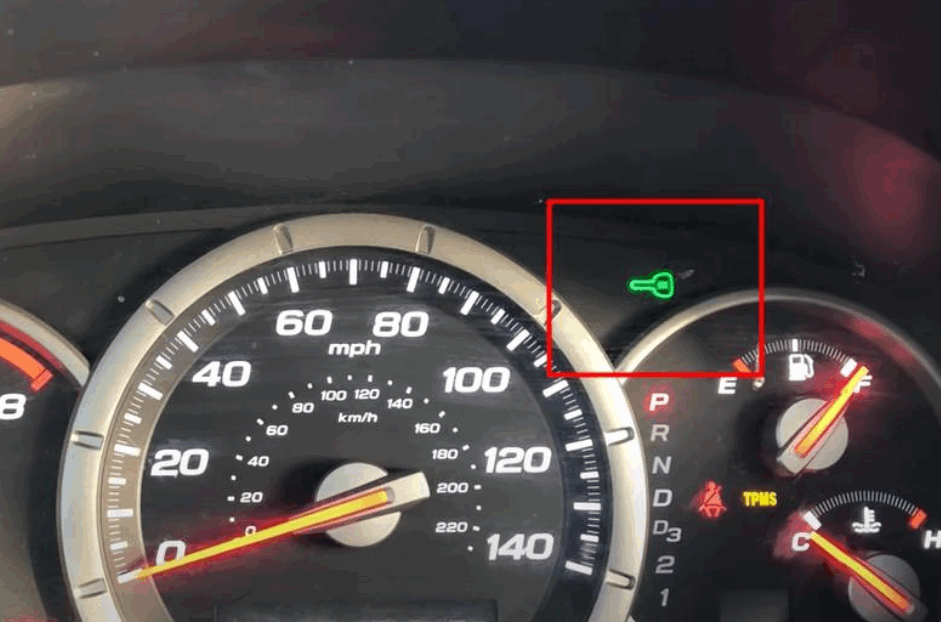
What Is the Honda CR-V Immobilizer System and How Does It Work?
The Honda CR-V immobilizer system protects your vehicle from unauthorized engine starts. It verifies the key before the engine can run. Every genuine Honda key contains a transponder chip with a unique encrypted code. When you insert the key into the ignition or press the Start button, the immobilizer immediately reads that code. The system then compares it with the data stored inside the vehicle. If both codes match, the engine starts normally. If they do not match, the immobilizer blocks the ignition and fuel systems to stop the engine from running.
Several electronic components work together during this verification process. The immobilizer antenna reads the signal from the transponder chip and sends it to the Body Control Module. Next, the module checks whether the key belongs to the vehicle. If the verification succeeds, it sends an approval signal to the Engine Control Unit. The ECU then activates the fuel injection and ignition systems. This entire process takes less than one second. Although it happens almost instantly, it provides strong protection against vehicle theft because a copied metal key cannot pass the electronic authentication.
The immobilizer can stop working correctly when communication between these components fails. A weak vehicle battery, a low key fob battery, a damaged transponder chip, or a faulty antenna ring can interrupt the verification process. Software synchronization issues may also prevent the system from recognizing a valid key. In these situations, the immobilizer warning light usually flashes or stays on, and the engine remains locked. Understanding how the Honda CR-V immobilizer system works helps you identify the real cause of the problem. It also helps you decide whether you need a simple reset, key programming, or a complete diagnostic inspection.
When Does a Honda CRV Immobilizer Reset Become Necessary?
A Honda CRV immobilizer reset becomes necessary when the security system loses communication with a programmed key or one of the vehicle’s control modules. In most cases, the immobilizer does not fail without a reason. Instead, another component interrupts the authentication process and prevents the engine from starting. As a result, the immobilizer warning light may flash continuously, and the engine may crank without starting. In some vehicles, the starter does not engage at all because the system blocks engine authorization as soon as it detects an invalid or missing key signal.
Several situations can trigger this communication problem. A weak vehicle battery often causes a temporary loss of synchronization after replacement or a complete discharge. A low key fob battery can also reduce signal strength and make it difficult for the immobilizer to recognize the transponder. In other cases, replacing the Engine Control Unit, Body Control Module, or ignition switch changes the vehicle’s security configuration. These repairs often require the immobilizer to relearn the programmed key before the engine can start again. Even using an aftermarket key without proper programming can produce the same symptoms because the immobilizer accepts only authorized transponder codes.
However, not every starting problem requires an immobilizer reset. A worn starter motor, a faulty fuel pump, or a damaged ignition system can produce similar symptoms while the immobilizer continues to function normally. Before attempting a reset, inspect the immobilizer indicator, test the spare key, and verify the condition of the vehicle battery. These simple checks help identify the actual cause of the problem and reduce unnecessary repairs. If the immobilizer still refuses to recognize a valid key after these inspections, a reset or professional key programming becomes the next logical step.
How to Perform a Honda CRV Immobilizer Reset Step by Step
You can reset the Honda CR-V immobilizer only when a temporary communication error causes the problem. The procedure cannot repair a failed control module or program a new key. Before you begin, make sure the vehicle battery is fully charged. You should also use an original Honda key whenever possible. A weak battery or an aftermarket key can interrupt the verification process and cause the reset to fail.
Insert the programmed key into the ignition after turning off all electrical accessories. Turn the key to the ON position without starting the engine. Leave it there for about ten seconds. Watch the immobilizer warning light during this time. If the light stops flashing and turns off, switch the ignition back to the OFF position. Wait another ten seconds before repeating the process. Complete the ignition cycle two or three times. Then try to start the engine. This procedure allows the immobilizer to verify the encrypted key code again. It may also restore communication with the Engine Control Unit after a temporary interruption.
If the engine still does not start, test the vehicle with a spare programmed key. If the spare key works, the original key likely has a damaged transponder or needs reprogramming. If neither key starts the vehicle, disconnect the negative battery terminal for several minutes. Then reconnect it and repeat the reset procedure. This step may clear minor electronic faults. However, it cannot erase immobilizer data or register a new key.
Some Honda CR-V models require the Honda Diagnostic System (HDS) after module replacement. This tool synchronizes the immobilizer, the Body Control Module, and the Engine Control Unit. A manual reset cannot complete this process. If the warning light continues to flash, professional key programming or electronic diagnosis is the most reliable solution.
Why Doesn’t the Honda CRV Immobilizer Reset Work?
A Honda CRV immobilizer reset may fail because the underlying problem is not a temporary communication error. Instead, the system may detect a hardware fault or an invalid key. In these situations, repeating the reset procedure will not restore normal operation. The immobilizer continues to block engine authorization until the actual cause is resolved.
A damaged transponder key is one of the most common reasons for a failed reset. The transponder chip may stop sending a valid encrypted code after physical damage or years of daily use. The immobilizer cannot verify the key if it receives incomplete or corrupted data. As a result, the warning light continues to flash, and the engine remains disabled. Testing a spare programmed key is often the fastest way to confirm whether the original key is faulty.
Electrical problems can also prevent a successful reset. A weak battery may reduce system voltage below the required level during startup. Loose battery terminals, damaged wiring, or a faulty immobilizer antenna can interrupt communication between the key and the control modules. Even if the reset procedure is correct, the immobilizer cannot complete the authentication process when these components fail to exchange data reliably.
In some cases, the issue involves the vehicle’s electronic control modules rather than the key itself. Replacing the Engine Control Unit, Body Control Module, or Smart Key module usually breaks the original security synchronization. A manual reset cannot restore this encrypted relationship. These components must complete an immobilizer relearn with the Honda Diagnostic System or an equivalent professional scan tool. If diagnostic trouble codes remain active after the relearn process, further electronic testing is necessary to identify the defective component instead of repeating the reset procedure.
Does Every Honda CR-V Model Use the Same Immobilizer Reset Procedure?
Not every Honda CR-V model uses the same immobilizer reset procedure. Honda has updated its security system several times across different generations. As a result, the reset method depends on the model year, key type, and electronic architecture. Older vehicles with a traditional ignition key often support simple synchronization procedures. Newer models with Smart Entry and Push Button Start rely on more advanced security systems.
Honda CR-V models built in the early 2000s usually use a basic transponder key and a separate immobilizer control unit. Many temporary communication problems can be resolved by completing a manual ignition cycle or reconnecting the battery. However, these procedures work only when the key is already programmed and all system components function correctly. They cannot register a replacement key or repair damaged control modules.
Later Honda CR-V models use integrated electronic modules that exchange encrypted data continuously. The immobilizer communicates with the Body Control Module, the Engine Control Unit, and the Smart Key system during every engine start. When one of these modules is replaced, the vehicle loses its security synchronization. A manual reset cannot restore this encrypted connection. The system requires the Honda Diagnostic System (HDS) or a compatible professional scan tool to complete the relearn process.
Before attempting any reset procedure, identify the exact model year and key system installed in your Honda CR-V. Following instructions for the wrong generation may waste time and lead to unnecessary repairs. If your owner’s manual recommends key registration or immobilizer programming after a repair, follow that guidance instead of repeating a manual reset. Using the correct procedure for your specific model improves the chance of restoring normal operation and prevents unnecessary diagnostic work.
When Do You Need Key Programming Instead of an Immobilizer Reset?
An immobilizer reset cannot solve every key recognition problem. In many cases, the vehicle requires key programming instead of a reset. The difference is simple. A reset restores communication between existing components. Key programming adds or registers a transponder key in the immobilizer’s memory. If the key has never been registered, the immobilizer will reject it regardless of how many reset attempts you perform.
Key programming becomes necessary after replacing or adding a key. It is also required when you install a new Engine Control Unit, Body Control Module, or Smart Key module. These components store encrypted security information that must match the immobilizer database. Without programming, the control modules cannot verify the key. The immobilizer then blocks the engine to protect the vehicle from unauthorized access.
Several signs indicate that key programming is the correct solution. The engine may crank but never start. The immobilizer warning light may continue flashing after every reset attempt. Both the original key and the spare key may fail to start the vehicle after a control module replacement. These symptoms usually point to missing or incorrect security registration instead of a temporary synchronization problem.
Professional equipment is normally required to complete key programming. Honda technicians use the Honda Diagnostic System (HDS) to register new transponder keys and synchronize the immobilizer with the vehicle’s electronic modules. Some advanced locksmiths also have compatible programming tools. Once the process is complete, the immobilizer stores the new encrypted key data and authorizes normal engine operation. Choosing key programming instead of repeatedly attempting an immobilizer reset saves time, prevents unnecessary troubleshooting, and addresses the actual cause of the starting problem.
How Can You Prevent Future Immobilizer Problems?
You can prevent most Honda CR-V immobilizer problems by maintaining both the vehicle’s electrical system and the programmed keys. The immobilizer depends on stable communication between the key, the antenna, and several control modules. If one component fails, the system may reject a valid key and prevent the engine from starting. Regular maintenance reduces this risk and helps the immobilizer operate as intended.
Keep the vehicle battery in good condition because low voltage is a common cause of immobilizer communication errors. Replace an aging battery before it begins to fail, especially if the engine cranks slowly or the electrical system behaves unpredictably. You should also replace the key fob battery when its range decreases or the vehicle responds inconsistently. A strong power supply allows the immobilizer to read and verify the transponder signal without interruption.
Protect your Honda keys from physical damage, moisture, and strong impacts. The transponder chip inside the key is sensitive to internal damage even when the key blade appears normal. Avoid attaching heavy keychains because excessive weight can increase wear on the ignition cylinder in older Honda CR-V models. If you notice intermittent starting problems, test the spare programmed key before assuming the immobilizer has failed.
Professional servicing also plays an important role after major electrical repairs. If you replace the Engine Control Unit, the Body Control Module, or the Smart Key system, complete the required immobilizer relearn before driving the vehicle. In addition, scan the vehicle for diagnostic trouble codes whenever the immobilizer warning light remains on. Early diagnosis helps identify small electrical faults before they develop into more expensive repairs. Following these preventive practices improves system reliability and reduces the chance of future immobilizer reset issues.
Conclusion
A Honda CRV immobilizer reset can restore normal engine operation when a temporary communication error prevents the system from recognizing a programmed key. However, the procedure has clear limitations. It cannot register a new transponder key, repair faulty electronic components, or restore synchronization after major control module replacements. Understanding these limitations helps you choose the correct solution instead of repeating a reset that cannot resolve the underlying problem.
The first step is always to identify the cause of the immobilizer failure. Check the vehicle battery, test a spare programmed key, and observe the immobilizer warning light before attempting any reset procedure. If these basic checks do not solve the problem, inspect the vehicle for electrical faults or diagnostic trouble codes. This approach reduces unnecessary repairs and helps you focus on the component that actually causes the starting issue.
Modern Honda CR-V models rely on encrypted communication between multiple electronic modules. As a result, some immobilizer problems require professional key programming or an immobilizer relearn with the Honda Diagnostic System. Following the correct procedure for your specific model year improves repair accuracy and prevents additional complications. By understanding how the immobilizer works, recognizing common failure symptoms, and applying the appropriate repair method, you can restore reliable vehicle operation while avoiding unnecessary replacement costs.