Finding oil under your Honda CR-V can be stressful, especially when you do not know where the leak is coming from or how much the repair may cost. A small oil spot may look harmless at first, but even a minor leak can become a serious problem if the engine loses too much oil over time. Low oil levels can increase friction, raise engine temperature, damage internal components, and lead to expensive repairs.
A Honda CR-V oil leak can come from several areas. Common sources include the valve cover gasket, VTEC solenoid gasket, timing chain cover, oil pan, oil filter, drain plug, crankshaft seal, and rear main seal. The exact cause often depends on the model year, engine type, mileage, maintenance history, and the location of the oil residue.
Some leaks are simple and affordable to fix, while others require major engine or transmission work. That is why accurate diagnosis is important before replacing any parts. Oil can travel across the engine, collect on protective panels, and drip far from the original source.
This guide explains the most common Honda CR-V oil leak causes, warning signs, repair costs, diagnostic steps, and practical repair options. You will also learn when it may be safe to drive, when you should stop immediately, and how to prevent future leaks.
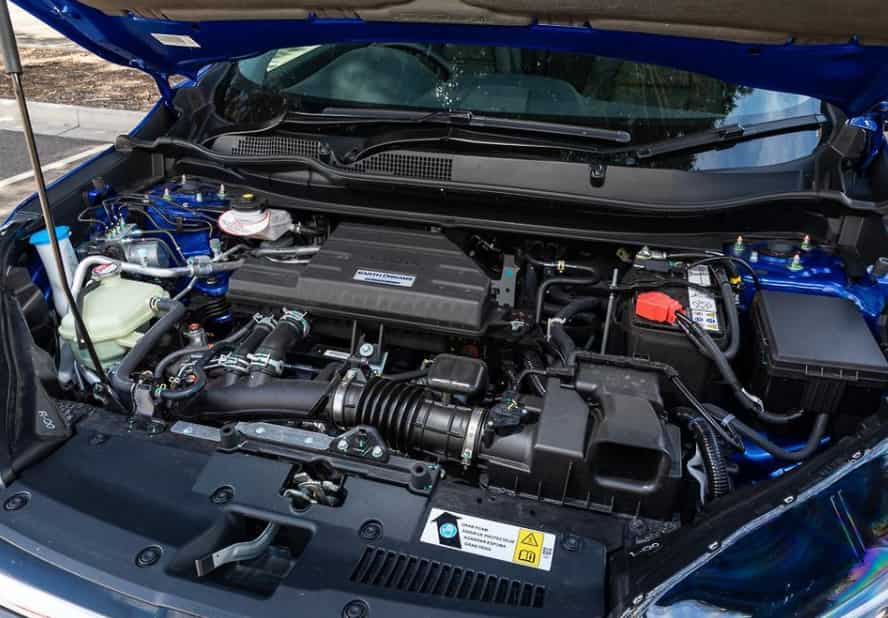
Why Is My Honda CR V Leaking Oil?
A Honda CR V oil leak can happen for several reasons, and identifying the exact cause is the first step toward preventing serious engine damage. While some leaks are minor and develop slowly over time, others can appear suddenly after routine maintenance or as a result of worn engine components. Ignoring even a small leak can lead to low oil levels, poor engine lubrication, increased wear, and costly repairs if the problem is left unresolved.
One of the most common causes of an oil leak is the natural aging of gaskets and seals. Rubber components are constantly exposed to heat, pressure, and vibration, causing them to harden and lose their sealing ability. As these parts deteriorate, engine oil can begin to seep through small gaps and eventually become visible around the engine or underneath the vehicle. A restricted PCV valve can also contribute to the problem by creating excessive crankcase pressure that forces oil past otherwise healthy seals.
Improper maintenance is another common reason for oil leaks. A loose oil filter, a damaged filter gasket, an incorrectly installed drain plug, or a worn sealing washer can all allow oil to escape shortly after an oil change. In some cases, engine overheating may damage sealing surfaces and shorten the lifespan of gaskets, while impacts from road debris or potholes can crack the oil pan or other engine components. Understanding these possible causes makes it easier to diagnose the source of a Honda CR V oil leak and choose the most effective repair before the damage becomes more severe.
Most Common Honda CR V Oil Leak Locations
Locating a Honda CR V oil leak can be more difficult than many owners expect. Oil does not always drip directly from the damaged part. Instead, it often flows across engine components before reaching the ground. Heat, gravity, and airflow can change the direction of the leak, making the source appear lower or farther away than it actually is. This is why a careful inspection should always begin at the highest point where fresh oil is visible. Starting from the bottom may lead to the wrong diagnosis and unnecessary repairs.
Several components on the Honda CR V are known to develop oil leaks as the vehicle ages. Rubber gaskets and engine seals gradually lose their flexibility after years of exposure to heat and pressure. Routine maintenance mistakes, such as an improperly installed oil filter or drain plug, can also create leaks. In some cases, engine overheating or road debris may damage important sealing surfaces and allow oil to escape. Identifying the correct leak location is essential because each component requires a different repair method and repair cost.
The following sections explain the most common places where a Honda CR V oil leak occurs. You will learn how to recognize the warning signs, understand why each component fails, and identify the symptoms that point to a specific leak. This information will help you narrow down the source before replacing any parts. It will also help you decide whether the repair is suitable for a skilled DIY project or requires professional service. A proper diagnosis saves time, reduces repair costs, and protects your engine from long term damage caused by low oil levels.
Valve Cover Gasket
The valve cover gasket is one of the most common sources of a Honda CR V oil leak. This gasket sits between the valve cover and the cylinder head, creating a tight seal that keeps engine oil inside the engine. It also prevents dirt, moisture, and debris from entering the valve train. Because the gasket works in a high temperature environment, it gradually becomes hard and brittle over time. Once the rubber loses its flexibility, small gaps form along the sealing surface and allow engine oil to escape.
A leaking valve cover gasket usually leaves fresh oil around the top of the engine. As the leak becomes worse, gravity pulls the oil down the sides of the cylinder head. The oil may eventually reach the exhaust manifold or other hot engine parts. When this happens, many drivers notice a burning oil smell after the engine reaches normal operating temperature. Some vehicles may also produce light smoke from the engine compartment after a long drive or while sitting at a traffic light.
Although this type of leak often starts slowly, it should never be ignored. Escaping oil attracts dust and dirt, creating thick deposits around the engine. Continued leakage may also damage nearby ignition coils, spark plug tubes, wiring connectors, and rubber hoses. These secondary problems can increase repair costs if they remain untreated.
Inspecting the valve cover gasket is usually straightforward because it sits near the top of the engine. If you notice fresh oil around the valve cover, replacing the gasket early can prevent additional damage. During the repair, inspect the valve cover for cracks and replace any worn rubber grommets. Installing new sealing components at the same time helps restore even clamping pressure and reduces the risk of future oil leaks.
VTEC Solenoid or Spool Valve Gasket
The VTEC solenoid, also called the spool valve assembly, is another common source of a Honda CR V oil leak. This component controls oil flow to the variable valve timing system, helping the engine deliver better performance and fuel efficiency. A small rubber gasket seals the assembly against the cylinder head. After years of exposure to heat and engine oil, the gasket can harden, crack, or shrink. Once this happens, engine oil begins to seep around the housing and spread across nearby components.
A leaking VTEC solenoid gasket often creates confusion because the oil does not stay in one place. It can flow down the side of the engine, collect around the transmission housing, or reach the lower engine block. Many owners mistake this pattern for a valve cover gasket leak or even a rear main seal failure. As a result, they replace the wrong part and continue to experience oil loss.
The best way to identify this leak is to clean the area thoroughly before performing another inspection. After driving for a short distance, look for fresh oil around the edge of the VTEC solenoid housing. A bright flashlight can help reveal small leaks before they spread across the engine. In some cases, a UV dye test provides a faster and more accurate diagnosis.
Replacing the VTEC solenoid gasket is usually less expensive than repairing larger engine leaks. However, technicians should also inspect the solenoid screen and mounting surface during the repair. Dirt, old gasket material, or damaged sealing surfaces can prevent the new gasket from creating a proper seal. A careful installation reduces the chance of another Honda CR V oil leak and helps the variable valve timing system continue operating as designed.
Timing Chain Cover
The timing chain cover is another area that can develop a Honda CR V oil leak, although it is less common than a valve cover gasket or VTEC solenoid gasket. The timing chain cover protects the timing chain and related components while sealing engine oil inside the front of the engine. Instead of using a traditional rubber gasket, many Honda CR V engines rely on a special liquid sealant to create a durable seal. Over time, constant heat cycles, engine vibration, and normal wear can weaken this sealant and allow oil to escape.
A timing chain cover leak often begins as a small seep rather than a heavy drip. Fresh oil usually appears along the front or side of the engine before slowly running down to the oil pan or lower engine block. This pattern can make the leak difficult to identify because the oil spreads across several components. Without a careful inspection, many owners assume the oil pan or valve cover is leaking when the timing chain cover is actually responsible.
Technicians often clean the engine before confirming this type of leak. They inspect the cover after a short drive and look for fresh oil around the sealing surface. If the leak remains difficult to locate, a UV dye test can help reveal the exact source. Finding the highest point where fresh oil appears is the most reliable way to confirm the diagnosis.
Repairing a timing chain cover leak usually requires more labor than replacing a simple gasket. Several engine accessories may need to be removed before technicians can access the cover. The old sealant must also be cleaned completely before applying a new layer. A proper repair restores the seal, prevents future oil loss, and helps protect the timing chain from contamination and poor lubrication.
Oil Pan and Oil Pan Seal
The oil pan sits at the bottom of the engine and stores the oil that lubricates moving components. Although it is built from durable steel or aluminum, it remains exposed to road hazards and everyday driving conditions. Over time, the sealing material between the oil pan and the engine block can wear out and allow oil to escape. In other cases, a damaged drain plug, a worn sealing washer, or an impact from road debris may create a leak.
An oil pan leak usually leaves fresh oil around the bottom of the engine. You may also notice oil collecting on the crossmember, splash shield, or other underbody components. As the vehicle moves, airflow can carry the oil toward the rear of the chassis. This makes it difficult to determine the exact source without a thorough inspection. For this reason, technicians always inspect the oil pan together with the drain plug, oil filter, and nearby sealing surfaces.
Small leaks often develop slowly and appear as light oil stains after the vehicle has been parked for several hours. Larger leaks can leave noticeable puddles on the ground and cause the engine oil level to drop more quickly than expected. Driving with a leaking oil pan increases the risk of low engine oil, poor lubrication, and accelerated engine wear.
Repair methods depend on the cause of the leak. Replacing a damaged drain plug or sealing washer is usually simple and inexpensive. If the sealing material has failed, the oil pan must be removed, cleaned, and resealed according to the manufacturer’s specifications. A cracked or severely damaged oil pan often requires complete replacement. Repairing the problem early helps prevent additional engine damage and keeps the lubrication system operating safely.
Oil Filter and Filter Housing
The oil filter is another common source of a Honda CR V oil leak, especially after a recent oil change. The filter removes dirt and metal particles from the engine oil before they circulate through the lubrication system. A rubber gasket around the filter creates a tight seal against the engine. If this gasket becomes damaged or the filter is installed incorrectly, engine oil can quickly leak under pressure.
Several mistakes can cause an oil filter leak. The filter may not be tightened correctly, the gasket may become pinched during installation, or the old gasket may remain attached to the engine. This last problem, often called a double gasket, prevents the new filter from sealing properly and can lead to rapid oil loss. Using the wrong filter size or a low quality replacement part may also create sealing problems.
An oil filter leak usually appears near the side or lower section of the engine. Fresh oil may coat the filter body and surrounding components before dripping onto the splash shield or the ground. In some cases, the leak becomes noticeable only after the engine reaches normal operating temperature because oil pressure increases as the engine runs.
Inspecting the oil filter should always be part of an oil leak diagnosis. Check that the filter is the correct part number and confirm that only one gasket is in place. Also inspect the mounting surface for dirt, scratches, or old gasket material that could prevent a proper seal. Replacing the filter with a high quality part and installing it according to Honda specifications usually resolves the problem. After completing the repair, start the engine and inspect the area carefully to confirm that the Honda CR V oil leak has stopped.
Front Crankshaft Seal
The front crankshaft seal plays an important role in keeping engine oil inside the engine while allowing the crankshaft to rotate freely. This seal sits behind the crankshaft pulley at the front of the engine. It must withstand constant rotation, engine heat, and oil pressure throughout its service life. As the seal ages, the rubber gradually hardens and loses its ability to maintain a tight fit around the spinning crankshaft. Once the sealing surface wears out, engine oil begins to escape.
A leaking front crankshaft seal often leaves oil around the crankshaft pulley and the lower front section of the engine. Because the pulley rotates at high speed, it can throw oil onto nearby components. This makes the leak appear larger than it actually is. Oil may spread across the timing cover, splash shield, or lower engine bay, making it difficult to identify the original source during a quick visual inspection.
Technicians usually clean the affected area before beginning the diagnosis. After the engine runs for a short time, they inspect the seal and surrounding components for fresh oil. If several nearby parts also show signs of leakage, a UV dye test may help confirm whether the front crankshaft seal is responsible. Taking time to verify the source prevents unnecessary repairs and reduces overall maintenance costs.
Replacing a front crankshaft seal requires access to the crankshaft pulley and timing components. The repair demands the correct tools and careful installation to avoid damaging the new seal. If the crankshaft surface also shows signs of wear, technicians may need to repair or replace additional parts. Addressing the leak early helps protect the engine from oil loss and prevents contamination of nearby belts and engine components.
Rear Main Seal
The rear main seal is one of the most critical sealing components in the engine. It surrounds the rear end of the crankshaft where the engine connects to the transmission. Its primary job is to keep engine oil inside the crankcase while allowing the crankshaft to rotate at high speed. Although the seal is designed to last for many years, constant heat, pressure, and normal engine wear eventually reduce its sealing ability. Once the rubber hardens or the sealing lip wears out, engine oil can begin to leak.
A rear main seal leak is often difficult to identify because the oil usually appears between the engine and the transmission. From underneath the vehicle, the leak may look similar to an oil pan leak or a transmission fluid leak. Engine oil can also spread across the bell housing before dripping onto the ground. Without a thorough inspection, many owners replace the wrong gasket and continue to experience oil loss.
Technicians normally inspect the upper part of the engine before diagnosing a rear main seal failure. Oil from the valve cover gasket, VTEC solenoid gasket, or timing chain cover can travel downward and collect in the same area. Confirming that these components remain dry is an important step before replacing the rear main seal. In difficult cases, technicians may clean the engine and use UV dye to trace the exact leak source.
Repairing a rear main seal is one of the most labor intensive oil leak repairs on a Honda CR V. The transmission must usually be removed to gain access to the seal. For this reason, labor costs are significantly higher than most other gasket replacements. A proper diagnosis is essential because replacing the rear main seal without confirming the source can result in unnecessary expense while the original Honda CR V oil leak remains unresolved.
Honda CR V Oil Leak Symptoms
Recognizing the early symptoms of a Honda CR V oil leak can help you prevent serious engine damage and avoid expensive repairs. Many leaks begin as a slow seep that produces only minor warning signs. As the problem becomes worse, the engine loses more oil and the symptoms become easier to notice. Paying attention to these changes allows you to identify the problem before it affects engine performance or reliability.
Oil leaks do not always produce the same symptoms. The warning signs often depend on the location of the leak, the amount of oil escaping, and how long the problem has existed. Some leaks create visible oil spots under the vehicle, while others produce a burning smell after the engine reaches normal operating temperature. In more severe cases, the oil level may drop quickly enough to trigger the oil pressure warning light or cause unusual engine noise.
Drivers should never ignore these warning signs. Even a small leak can reduce engine lubrication if the oil level continues to fall. Running the engine with insufficient oil increases friction between internal components and accelerates wear. Over time, this can lead to overheating, bearing damage, or complete engine failure.
The following symptoms are the most common indicators of a Honda CR V oil leak. Learning how to recognize each one will help you identify the problem earlier, choose the correct repair, and reduce the risk of long term engine damage.
Oil Spots Under the Vehicle
Oil spots under the vehicle are often the first sign of a Honda CR V oil leak. Many owners discover the problem after noticing dark stains on the driveway, garage floor, or parking space. Although this symptom seems easy to recognize, the location of the oil spot does not always reveal the true source of the leak. Engine oil can travel across engine components and underbody panels before it finally reaches the ground.
Fresh engine oil usually appears amber or light brown. As the oil ages, it becomes darker and thicker because it collects dirt and combustion byproducts. If you notice new oil spots after parking your Honda CR V for several hours, inspect the vehicle before driving again. A growing stain often indicates that the leak is becoming more severe.
The size of the oil spot also provides useful information. A few small drops may come from a minor gasket seep, while a larger puddle often suggests a more serious problem. However, you should never judge the severity of a leak by size alone. Even a slow leak can lower the engine oil level if it continues for weeks or months.
Place a clean piece of cardboard under the engine overnight if you cannot determine where the oil is coming from. The fresh stain can help you identify the general area of the leak before beginning a visual inspection. After locating the affected area, inspect the valve cover gasket, VTEC solenoid, timing chain cover, oil filter, and oil pan for fresh oil. Finding the source early allows you to repair the leak before it causes low oil levels, poor lubrication, or unnecessary engine damage.
Burning Oil Smell
A burning oil smell is one of the most common symptoms of a Honda CR V oil leak. This odor usually appears when engine oil drips onto hot components, such as the exhaust manifold or exhaust pipe. As the oil heats up, it begins to burn and releases a strong smell that often enters the cabin through the ventilation system. Many drivers notice the odor after driving for several minutes or when stopping at a traffic light.
The smell may come and go during the early stages of the leak. A small amount of oil can burn away quickly, making the problem seem less serious than it actually is. As the leak becomes larger, the odor usually becomes stronger and lasts longer after the engine reaches normal operating temperature. In some cases, light smoke may also rise from the engine compartment when the vehicle is parked.
Several engine components can allow oil to reach hot surfaces. A worn valve cover gasket is one of the most common causes because oil can run directly onto the exhaust manifold. A leaking VTEC solenoid gasket or timing chain cover may produce similar symptoms if the escaping oil follows the same path. Identifying the highest point where fresh oil appears is the best way to locate the original source of the leak.
Do not ignore a burning oil smell, even if the engine seems to operate normally. Continued oil loss can reduce lubrication and increase engine wear. Oil that repeatedly contacts hot exhaust components may also create excessive smoke and increase the risk of an engine compartment fire in severe cases. A prompt inspection can identify the leak early and prevent a minor repair from becoming a much more expensive problem.
Low Engine Oil Level
A dropping engine oil level is a strong indication that your Honda CR V may have an oil leak. While a small amount of oil consumption is normal in some high mileage engines, the oil level should not decrease significantly between scheduled oil changes. If you find yourself adding oil regularly, it is important to inspect the engine for external leaks before assuming the oil is simply being consumed during normal operation.
The easiest way to monitor the oil level is by checking the dipstick when the engine is cool and parked on a level surface. Remove the dipstick, wipe it clean, insert it fully, and then remove it again to read the oil level. If the oil repeatedly falls below the recommended range, there is a good chance that oil is escaping from a gasket, seal, or another engine component.
Low engine oil does not always produce immediate symptoms. The engine may continue to run normally until the oil level drops far enough to reduce lubrication. As this happens, friction between moving parts increases, causing additional heat and accelerated wear. If the problem continues, you may hear ticking sounds from the valve train or notice the oil pressure warning light. These signs indicate that the engine no longer has enough oil to operate safely.
Checking the oil level every few weeks is one of the simplest ways to protect your engine. If the level continues to fall after topping it off, inspect common leak locations such as the valve cover gasket, oil filter, oil pan, timing chain cover, and crankshaft seals. Finding and repairing the source of the Honda CR V oil leak early helps maintain proper lubrication, extends engine life, and prevents costly mechanical repairs.
Oil Pressure Warning Light
The oil pressure warning light is one of the most serious signs of a Honda CR V oil leak. This warning does not simply indicate that the oil level is low. Instead, it means the engine is not maintaining enough oil pressure to lubricate critical internal components. If this light comes on while driving, you should treat it as an urgent warning and take immediate action.
An external oil leak can gradually reduce the amount of oil inside the engine. As the oil level continues to fall, the oil pump may no longer supply enough pressure to circulate oil effectively. Without proper lubrication, moving parts such as the crankshaft, camshafts, bearings, and valve train begin to experience increased friction. Even a few minutes of operation with insufficient oil pressure can cause severe engine damage.
If the oil pressure warning light appears, pull over as soon as it is safe to do so and switch off the engine. Check the engine oil level using the dipstick after allowing the engine to cool for a few minutes. If the oil level is below the recommended range, add the correct type of engine oil before restarting the vehicle. However, if the warning light remains on or the engine produces unusual noises, do not continue driving. The vehicle should be inspected by a qualified technician to determine the exact cause.
Although a Honda CR V oil leak is a common reason for low oil pressure, other mechanical problems can produce the same warning. A faulty oil pressure sensor, a clogged oil pickup screen, or a worn oil pump may also reduce oil pressure. A complete diagnosis is necessary to identify the underlying problem and prevent unnecessary repairs. Responding quickly to this warning can protect your engine from catastrophic failure and significantly reduce repair costs.
Smoke from the Engine Bay
Smoke coming from the engine bay is a warning sign that should never be ignored. In many cases, this symptom occurs when engine oil leaks onto hot exhaust components and begins to burn. Even a small Honda CR V oil leak can produce visible smoke once the engine reaches normal operating temperature. The smoke may appear only after driving for several minutes, making the problem easy to overlook during a quick inspection.
The smoke is usually thin and light in color, although the exact appearance depends on the amount of oil reaching the hot surface. It often becomes more noticeable after stopping the vehicle because airflow no longer carries the smoke away from the engine compartment. At the same time, you may notice a strong burning oil smell entering the cabin through the heating or air conditioning vents.
Several leak locations can cause this symptom. A worn valve cover gasket is one of the most common sources because oil can drip directly onto the exhaust manifold. Leaks from the VTEC solenoid gasket or timing chain cover may also allow oil to reach hot engine parts. In some cases, oil spreads across nearby components before reaching the exhaust, making the original leak difficult to identify without cleaning the engine first.
If you see smoke from the engine bay, park the vehicle safely and inspect the engine after it has cooled. Do not touch hot engine components during the inspection. Look for fresh oil around the upper and front sections of the engine, then trace the oil to its highest visible point. Repairing the leak early prevents continued oil loss, reduces the risk of damage to surrounding components, and helps avoid the possibility of an engine compartment fire caused by excessive oil contacting hot exhaust parts.
How to Diagnose a Honda CR V Oil Leak
Diagnosing a Honda CR V oil leak starts with identifying where the oil first appears rather than where it drips onto the ground. Oil often flows across engine components before reaching the lower engine bay, making the original leak difficult to locate. Begin by parking the vehicle on a level surface and checking the engine oil level with the dipstick. If the level is below the recommended range, add the correct engine oil before continuing the inspection.
Next, clean the engine using a degreaser or brake cleaner to remove old oil residue. After the engine is dry, let it idle for several minutes and inspect common leak locations such as the valve cover gasket, VTEC solenoid gasket, timing chain cover, oil filter, oil pan, and crankshaft seals. Fresh oil usually appears at the highest point of the leak, making it easier to identify the faulty component.
If the leak cannot be found during a visual inspection, adding UV dye to the engine oil is an effective diagnostic method. After driving the vehicle for a short distance, a UV flashlight can reveal the exact path of the leaking oil. This technique is especially useful for slow leaks that only appear after the engine reaches operating temperature.
Although many minor leaks can be diagnosed at home, larger leaks or leaks hidden behind major engine components often require professional inspection. Repairing the correct component the first time helps prevent unnecessary expenses and protects the engine from low oil levels, poor lubrication, and long term mechanical damage.
Honda CR V Oil Leak Repair Cost
The cost to repair a Honda CR V oil leak depends on the source of the leak, the engine model, and local labor rates. Some repairs are simple and inexpensive, while others require significant disassembly and several hours of labor. For this reason, obtaining an accurate diagnosis before replacing any parts is the best way to avoid unnecessary expenses.
Minor repairs, such as replacing an oil filter, drain plug washer, or valve cover gasket, are usually among the most affordable options. Leaks from the VTEC solenoid gasket or oil pan seal typically involve moderate labor and remain relatively cost effective if addressed early. More complex repairs, including a timing chain cover reseal or a rear main seal replacement, can be considerably more expensive because technicians must remove multiple engine or transmission components to access the leaking area.
Ignoring an oil leak often increases the total repair cost. As the engine continues to lose oil, internal components receive less lubrication and experience greater wear. Oil may also damage rubber belts, electrical connectors, and surrounding engine parts, creating additional repairs that could have been avoided with early maintenance.
If your Honda CR V shows signs of an oil leak, schedule an inspection as soon as possible. Identifying the exact source allows the repair to be completed before the leak becomes more severe. In many cases, fixing a small leak early costs far less than repairing engine damage caused by operating with a low oil level. Regular maintenance and routine inspections remain the most effective way to reduce long term ownership costs and keep your Honda CR V running reliably.
How to Prevent Honda CR V Oil Leaks
Preventing a Honda CR V oil leak is much easier and less expensive than repairing one after it has developed. Most oil leaks occur because gaskets and seals gradually wear out due to heat, age, and continuous exposure to engine oil. While these components cannot last forever, proper maintenance can significantly extend their service life and reduce the risk of unexpected leaks.
One of the most important preventive measures is following the recommended oil change schedule. Clean engine oil helps protect seals by reducing sludge buildup and minimizing excessive engine temperatures. Always use the engine oil grade and oil filter specified by Honda, as incorrect products may affect lubrication and sealing performance. During every oil change, inspect the drain plug washer and oil filter to ensure they are installed correctly and free from damage.
Routine visual inspections also play an important role in early leak prevention. Check the engine bay regularly for fresh oil around the valve cover gasket, VTEC solenoid, timing chain cover, oil pan, and crankshaft seals. Detecting a small seep before it becomes a major leak can save hundreds of dollars in future repair costs. It is also a good habit to monitor the engine oil level with the dipstick every few weeks, especially before long trips.
Finally, avoid delaying repairs when the first signs of a Honda CR V oil leak appear. Replacing a worn gasket early is often a simple repair, while ignoring the problem may lead to low oil pressure, increased engine wear, and costly mechanical damage. Consistent maintenance remains the best strategy for keeping your Honda CR V reliable and protecting the engine for many years.
Frequently Asked Questions
Can I drive my Honda CR V with an oil leak?
It depends on the severity of the leak. A minor seep may not create an immediate safety issue, but driving with a significant oil leak can quickly reduce the engine oil level and lead to serious engine damage. If you notice the oil pressure warning light or a large oil puddle under the vehicle, stop driving and have the leak repaired as soon as possible.
What is the most common Honda CR V oil leak?
The most common sources include the valve cover gasket, VTEC solenoid gasket, oil filter, timing chain cover, and oil pan seal. These components naturally wear over time due to heat, vibration, and normal engine operation.
How much does it cost to fix a Honda CR V oil leak?
Repair costs vary depending on the location of the leak. Replacing a valve cover gasket or oil filter is generally inexpensive, while repairs involving the timing chain cover or rear main seal are more costly because they require additional labor.
How can I tell where the oil leak is coming from?
Start by cleaning the engine and inspecting it after a short drive. Fresh oil usually appears near the highest point of the leak. If the source is difficult to locate, a UV dye test can help trace the exact path of the leaking oil.
Can regular maintenance prevent oil leaks?
Yes. Routine oil changes, regular inspections, and replacing worn gaskets before they fail can greatly reduce the risk of oil leaks. Keeping the engine clean and checking the oil level regularly also helps detect small problems before they become major repairs.
Conclusion
A Honda CR V oil leak may seem like a minor problem at first. However, ignoring it can lead to expensive engine repairs and reduced reliability. Learning the common leak locations helps you find problems earlier. Recognizing the warning signs also makes diagnosis much easier.
Oil leaks can develop from the valve cover gasket, VTEC solenoid, oil pan, timing chain cover, or crankshaft seal. Each component wears over time. Finding the exact source is the first step toward a successful repair. Early repairs help protect the engine. They also reduce long term maintenance costs.
Simple maintenance can greatly lower the risk of future oil leaks. Change the engine oil at the recommended intervals. Check the oil level regularly with the dipstick. Inspect the engine for fresh oil during routine maintenance. These habits help you detect small leaks before they become serious problems.
If you notice oil spots under the vehicle, a burning oil smell, smoke from the engine bay, or a low oil level, do not ignore the warning. Inspect the vehicle as soon as possible. If you cannot locate the source, seek help from a qualified technician. A professional diagnosis can prevent unnecessary repairs and protect your engine. Taking action early keeps your Honda CR V safe, reliable, and ready for many more miles.