A 3.6 Pentastar lifter replacement becomes necessary when faulty hydraulic roller lifters affect valve movement, create engine noise, or damage other valve train components. The Chrysler 3.6L Pentastar V6 engine uses lifters, rocker arms, and camshafts to control cylinder airflow. When a lifter fails, the engine can develop ticking sounds, misfires, power loss, and internal wear.
The 3.6L Pentastar engine powers many Chrysler, Dodge, Jeep, and Ram vehicles. Common applications include the Jeep Grand Cherokee, Jeep Wrangler, Dodge Charger, and Ram 1500. Lifter failure usually happens because of roller wear, poor lubrication, low oil pressure, or excessive friction between the lifter and camshaft.
Early diagnosis helps prevent larger engine repairs. A damaged lifter can wear the camshaft and increase replacement costs. Vehicle owners need to understand the symptoms, repair options, and replacement expenses before approving major engine work.
This guide explains the main signs of a bad 3.6 Pentastar lifter, the causes of lifter failure, the replacement cost, and the repair process. It also explains when a lifter replacement requires additional repairs, such as camshaft replacement or valve train inspection.
What Are the Symptoms of a Bad 3.6 Pentastar Lifter?
A bad 3.6 Pentastar lifter creates several symptoms that affect engine performance and valve train operation. The most common signs include ticking noise, misfires, rough running, and reduced power. These problems appear because the lifter cannot maintain proper contact between the camshaft and rocker arm.
A failing lifter usually produces a ticking or tapping sound from the cylinder head area. The noise often follows engine speed because the lifter moves with the camshaft rotation. When the hydraulic mechanism or roller bearing wears out, the lifter creates excessive movement inside the valve train. This movement produces the mechanical ticking sound that many Pentastar owners notice.
A damaged lifter can also cause misfires and trigger the check engine light. The engine depends on accurate valve timing to control air intake and exhaust flow. When a lifter fails, the affected valve may not open or close correctly. This reduces combustion efficiency and causes uneven engine operation.
Other symptoms include rough idle, hesitation during acceleration, and decreased engine performance. A failed lifter can also damage the camshaft if the vehicle continues operating for an extended period. Early diagnosis helps prevent additional repairs and reduces the risk of replacing more valve train components.
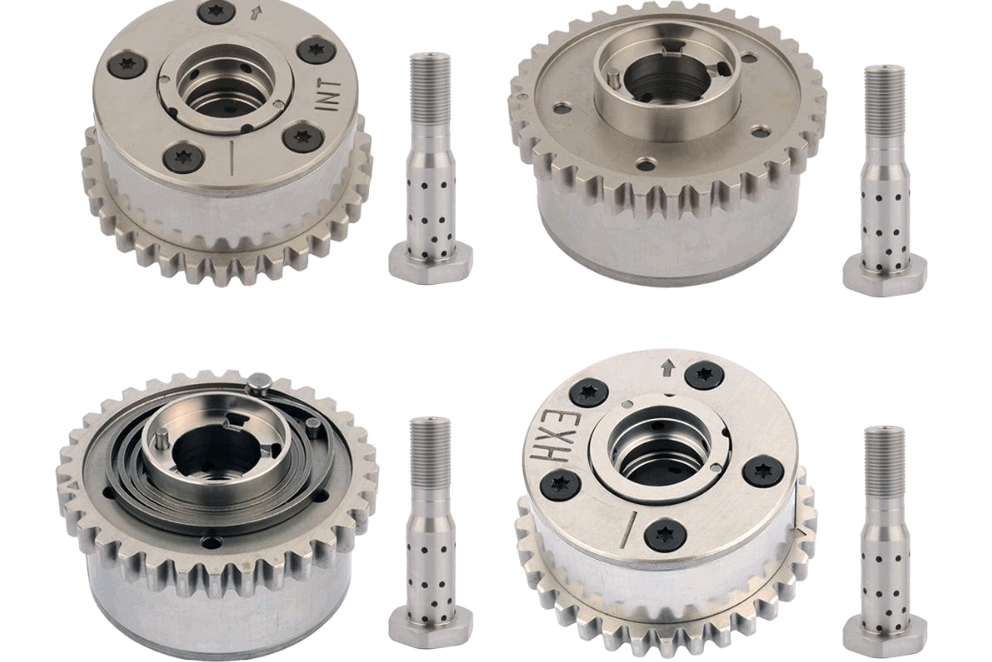
The 3.6 Pentastar cam phaser torque specification is essential when repairing the VVT system on the 3.6L Pentastar V6 engine. The correct torque keeps the cam phaser securely attached to the camshaft. It also helps the engine maintain accurate valve timing.
The cam phaser controls camshaft adjustment through oil pressure and electronic VVT commands. This process allows the engine to change valve timing based on speed, load, and driving conditions. A wrong torque value can affect camshaft position and VVT operation.
Incorrect cam phaser bolt tightening can create several engine problems. The engine may develop timing errors, VVT fault codes, rough idle conditions, or reduced performance. In severe cases, improper installation can damage timing components.
This guide covers the 3.6 Pentastar cam phaser torque specs and explains the correct installation approach. It also covers related timing system components and common mistakes. The goal is to help technicians and vehicle owners understand why torque accuracy matters for reliable Pentastar engine operation.
What Is the Torque Specification for the 3.6 Pentastar Cam Phaser?
The 3.6 Pentastar cam phaser torque specification is important for maintaining correct camshaft timing and reliable VVT system operation. The cam phaser bolt must receive the correct tightening force to secure the phaser against the camshaft without creating excessive stress on the timing components.
For most 3.6L Pentastar V6 applications, the cam phaser bolt torque specification follows the manufacturer’s service procedure and may include both a torque value and an additional tightening angle. The exact specification can vary depending on the engine generation, vehicle model, and model year. Technicians should always verify the correct procedure using the factory service manual for the specific application.
The cam phaser uses the bolt clamping force to maintain a stable connection between the camshaft and the variable valve timing actuator. This connection allows the PCM, VVT solenoids, and engine oil pressure system to adjust camshaft timing accurately. A loose connection can allow unwanted movement, while excessive tightening can damage threads or distort components.
Using a calibrated torque wrench is necessary during installation. The correct procedure also requires proper bolt condition, clean contact surfaces, and accurate timing alignment before final tightening. Following the correct torque specification protects the camshaft timing system and reduces the risk of VVT performance problems after repair.
Why Does Proper Cam Phaser Torque Matter on the 3.6 Pentastar Engine?
Proper cam phaser torque matters because the 3.6 Pentastar V6 engine depends on precise camshaft timing control. The cam phaser connects directly to the camshaft and allows the VVT system to adjust valve timing during engine operation. The correct bolt torque creates the required clamping force to keep this connection stable.
The VVT system changes camshaft position according to engine speed, load, and operating conditions. The PCM controls this process through VVT solenoids and oil pressure. When the cam phaser remains firmly attached, the system can adjust timing accurately and maintain efficient combustion.
Incorrect torque can create two major problems: insufficient clamping force and excessive mechanical stress. An under-torqued cam phaser bolt may loosen over time and allow movement between the phaser and camshaft. This movement can cause inaccurate timing signals, unstable engine operation, and VVT-related fault codes.
An over-torqued bolt creates a different type of risk. Excessive tightening force can stretch the bolt beyond its intended specification, damage threads, or place unnecessary stress on timing components. These problems may reduce component durability and increase repair costs.
Correct cam phaser torque also supports long-term engine reliability. The 3.6 Pentastar timing system contains several precision components that work together, including camshafts, timing chains, position sensors, and VVT actuators. A small installation error in one component can affect the performance of the entire system.
How Do You Install a 3.6 Pentastar Cam Phaser Correctly?
Installing a 3.6 Pentastar cam phaser correctly requires accurate timing alignment, proper component preparation, and the correct torque procedure. The cam phaser is part of a precision timing system, so every installation step affects valve timing accuracy and engine performance.
Before installing the cam phaser, technicians should inspect the camshaft, timing components, and mounting surfaces. The contact surfaces must remain clean and free from oil residue, debris, or damage. A clean connection allows the cam phaser to sit correctly against the camshaft and receive consistent clamping force from the bolt.
The installation process starts with positioning the camshaft and timing components according to the correct timing marks. Proper alignment ensures that the cam phaser matches the intended camshaft position before tightening. Incorrect alignment can create timing errors even when the bolt receives the correct torque.
After positioning the cam phaser, the installer should tighten the bolt using a calibrated torque wrench. The correct procedure may require a specific torque value followed by an additional angle tightening step depending on the engine application. Using impact tools or guessing the torque can create installation problems because the fastener requires controlled tightening force.
A final inspection should confirm that the timing marks remain aligned and that all related components operate correctly. Proper installation protects the VVT system, reduces the chance of timing issues, and helps maintain reliable performance from the 3.6L Pentastar V6 engine.
Does the 3.6 Pentastar Cam Phaser Require Torque Angle Tightening?
The 3.6 Pentastar cam phaser may require torque angle tightening depending on the specific engine application and service procedure. Torque angle tightening adds a controlled rotation after the initial torque step. This method helps achieve accurate bolt clamping force when standard torque measurements cannot provide consistent results.
A torque specification measures the twisting force applied to a fastener. A torque angle specification measures additional bolt rotation after the initial tightening stage. Engine manufacturers use this method because bolt stretch creates a more predictable clamping force than torque alone.
The cam phaser bolt plays an important role in maintaining the connection between the camshaft and VVT actuator. The bolt must hold the component securely while allowing the timing system to operate under changing engine loads. Incorrect tightening can affect camshaft position accuracy and VVT performance.
Technicians should not assume that every 3.6 Pentastar engine uses the same tightening procedure. Chrysler, Dodge, Jeep, and Ram vehicles may use different service specifications depending on model year and engine configuration. The factory service manual remains the most reliable source for the correct torque and angle procedure.
Using the correct torque angle process helps prevent loose fasteners, damaged bolts, and timing system failures. It also ensures that the cam phaser maintains the precise position required for proper engine operation.
What Problems Can Incorrect Cam Phaser Torque Cause?
Incorrect cam phaser torque can create serious problems in the 3.6 Pentastar V6 timing system. The cam phaser depends on the correct bolt clamping force to maintain a stable connection with the camshaft. When the bolt does not receive the correct torque, the VVT system may lose timing accuracy.
An under-torqued cam phaser bolt can gradually loosen during engine operation. The movement between the cam phaser and camshaft can change the intended camshaft position. This condition may trigger VVT fault codes, incorrect timing signals, and unstable engine performance. Drivers may notice symptoms such as rough idle, poor acceleration, or unusual engine noise.
An over-torqued cam phaser bolt can also cause mechanical issues. Excessive tightening force can stretch the bolt, damage threads, or place additional stress on the camshaft and timing components. These problems may reduce the service life of the VVT system and increase the possibility of expensive repairs.
Incorrect cam phaser installation can also affect the relationship between the camshaft position sensor and the engine control module. The PCM relies on accurate sensor feedback to control valve timing adjustments. If the camshaft position does not match the expected value, the system may store diagnostic trouble codes related to camshaft timing performance.
The most common results of incorrect cam phaser torque include VVT system failure, timing instability, reduced engine efficiency, and possible internal engine damage. Following the correct torque procedure helps maintain the accuracy and reliability of the entire 3.6 Pentastar timing system.
How Does the 3.6 Pentastar Cam Phaser Work With the VVT System?
The 3.6 Pentastar cam phaser works with the Variable Valve Timing (VVT) system to adjust camshaft position during engine operation. This adjustment allows the engine to optimize valve timing based on driving conditions, engine speed, and load requirements. The cam phaser is the mechanical component that changes the relationship between the camshaft and timing system.
The VVT system uses several connected components to control camshaft movement. The PCM monitors engine conditions through sensors and sends commands to the VVT solenoids. The solenoids regulate engine oil pressure that moves the cam phaser. This process allows the camshaft timing to advance or retard when necessary.
During low-speed operation, the VVT system can adjust camshaft timing to improve engine response and efficiency. During higher engine speeds, the system changes timing settings to support airflow and combustion performance. The cam phaser must maintain precise movement because even small timing errors can affect engine operation.
The 3.6L Pentastar V6 uses this system to improve fuel efficiency, reduce emissions, and provide smoother power delivery. The camshaft position sensor provides feedback to the PCM, allowing the engine computer to confirm whether the cam phaser reaches the requested position.
A properly installed cam phaser with the correct torque specification supports the entire VVT system. The bolt connection keeps the phaser synchronized with the camshaft, while the hydraulic and electronic controls manage timing adjustments. This interaction allows the Pentastar engine to maintain accurate valve timing throughout different driving conditions.
Which Vehicles Use the 3.6 Pentastar Cam Phaser System?
The 3.6 Pentastar cam phaser system appears in many Chrysler, Dodge, Jeep, and Ram vehicles that use the 3.6L Pentastar V6 engine. This engine family became widely used because it provides a balance of power, fuel efficiency, and reliability across different vehicle platforms.
Chrysler used the 3.6L Pentastar V6 in models such as the Chrysler 300 and Chrysler Pacifica. Dodge applications include vehicles like the Dodge Charger, Dodge Challenger, and Dodge Durango. Jeep vehicles that use this engine include the Jeep Grand Cherokee, Jeep Wrangler, and Jeep Gladiator. Ram also used the 3.6L Pentastar V6 in models such as the Ram 1500.
Although these vehicles share the same engine family, cam phaser torque specifications and installation procedures may differ depending on the model year and engine generation. Manufacturers can update component designs, bolt specifications, or service procedures during production changes.
The 3.6L Pentastar engine has received several updates since its introduction. These updates may affect timing components, VVT operation, and repair procedures. Technicians should identify the exact vehicle application before performing cam phaser replacement or timing system repairs.
Understanding the vehicle application helps prevent incorrect repair procedures. A torque specification from one Pentastar version may not apply to another version. Checking the correct service information ensures that the cam phaser receives the proper installation procedure and maintains reliable VVT system operation.
What Other Timing Components Should Be Checked During Cam Phaser Replacement?
Cam phaser replacement on the 3.6 Pentastar V6 requires inspection of the complete timing system because the cam phaser does not operate as an independent component. The timing chain, camshaft components, sensors, and VVT control parts work together to maintain accurate valve timing.
The timing chain should receive careful inspection during cam phaser service. A stretched or worn timing chain can affect camshaft synchronization and create timing errors even when the new cam phaser receives the correct torque specification. Excessive chain slack may also create abnormal engine noise and inaccurate camshaft position readings.
The camshaft position sensor should also be checked because it provides important feedback to the PCM. This sensor allows the engine computer to compare the actual camshaft position with the requested VVT position. A damaged sensor, incorrect installation, or poor connection can create symptoms that appear similar to a cam phaser failure.
The VVT solenoids and oil passages require inspection because the cam phaser depends on hydraulic pressure for operation. Contaminated oil, restricted passages, or faulty solenoids can prevent the cam phaser from responding correctly to PCM commands.
Technicians should also inspect timing marks and related fasteners during installation. Proper alignment ensures that the camshafts maintain the correct relationship with the crankshaft. Checking these components together improves repair accuracy and reduces the risk of repeated timing system problems after cam phaser replacement.
A complete timing system inspection helps ensure that the 3.6 Pentastar V6 operates correctly after repair. The cam phaser torque specification is only one part of a successful installation. Every connected timing component must function correctly to achieve reliable engine performance.
Conclusion
The 3.6 Pentastar cam phaser torque specification plays an important role in maintaining accurate valve timing and reliable VVT system performance. The cam phaser connects the camshaft with the variable valve timing system, so correct bolt tightening directly affects engine operation.
A proper installation requires more than applying torque to the cam phaser bolt. Technicians must follow the correct service procedure, confirm timing alignment, inspect related components, and use accurate tools. The timing chain, camshaft position sensor, VVT solenoids, and oil control system all contribute to proper cam phaser operation.
Incorrect torque can create several problems, including VVT faults, timing instability, reduced engine performance, and possible component damage. Under-torquing may allow movement between components, while over-torquing may create unnecessary stress on the bolt and timing system.
Following the correct 3.6 Pentastar cam phaser torque procedure helps protect engine reliability and prevents avoidable repair issues. For accurate results, always verify the specification for the exact vehicle model and engine configuration before completing the repair.
A properly maintained VVT system allows the 3.6L Pentastar V6 engine to deliver consistent performance, efficient combustion, and dependable operation throughout its service life.