The 6.7 Cummins manual regen switch location depends on the truck model and engine application. Some 6.7 Cummins vehicles have a dedicated regen button. Others let the engine control module manage regeneration automatically.
A manual regen switch helps drivers start the DPF regeneration process when normal driving cannot remove enough soot. The switch allows the engine to increase exhaust temperature and clean the diesel particulate filter.
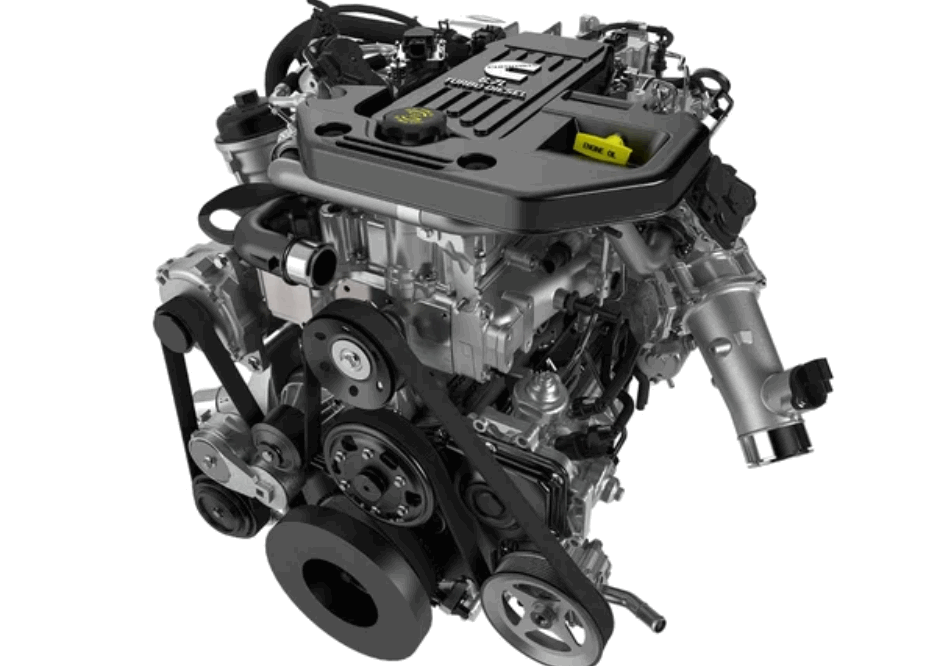
The 6.7L Cummins Turbo Diesel engine uses a complete exhaust aftertreatment system. This system includes the diesel particulate filter, exhaust temperature sensors, and electronic controls. These components work together to monitor soot levels and manage regeneration cycles.
Many owners search for the regen switch location after seeing a DPF warning light or experiencing reduced engine power. However, the switch location changes between Ram 2500, Ram 3500, and commercial applications. Some trucks use dashboard controls, while others require diagnostic equipment.
This guide explains where to find the 6.7 Cummins manual regen switch, how DPF regeneration works, and how to solve common regen problems. Understanding the regeneration system helps diesel owners maintain performance and avoid unnecessary DPF repairs.
Where Is the Manual Regen Switch Located on a 6.7 Cummins?
The manual regen switch location on a 6.7 Cummins depends on the vehicle configuration and model year. Cummins engines power different trucks and equipment, so manufacturers place regeneration controls in different areas. A Ram 2500 or Ram 3500 may use a different control layout compared with commercial trucks that use the same 6.7L Cummins diesel engine.
Most 6.7 Cummins trucks with a manual regen function place the switch inside the cab. Drivers should check the dashboard, instrument panel, or auxiliary switch area near other vehicle controls. The button usually includes labels such as “DPF Regen,” “Regeneration,” or a filter-related symbol. Some commercial applications place the switch near power take-off controls or other equipment-specific switches.
However, not every 6.7 Cummins vehicle has a physical manual regen button. Many models rely on the engine control module (ECM) to start automatic regeneration when the diesel particulate filter collects enough soot. In these systems, the driver does not activate regeneration with a switch. The truck completes the process automatically when operating conditions allow proper exhaust temperatures.
Owners should identify their exact truck model before searching for the regen switch. The 6.7 Cummins engine appears in multiple applications, including Ram heavy-duty pickups and commercial vehicles. Checking the owner’s manual or service information provides the most accurate location because the control layout changes between different manufacturers and production years.
Does Every 6.7 Cummins Have a Manual Regen Button?
Not every 6.7 Cummins engine has a manual regen button. The availability of a manual regeneration control depends on the vehicle manufacturer, model year, and application type. Cummins supplies the engine, but each vehicle manufacturer decides how the DPF regeneration system operates.
Many Ram 2500 and Ram 3500 trucks with the 6.7 Cummins Turbo Diesel rely on automatic regeneration. The engine control module monitors diesel particulate filter soot levels, exhaust temperature, and driving conditions. When the system detects enough soot buildup, the ECM starts an active regeneration cycle without requiring driver input.
Some 6.7 Cummins applications include a manual regen option because their operating conditions create more frequent DPF loading. Commercial trucks, work vehicles, and equipment that spend long periods idling often need additional regeneration control. These vehicles may include a dedicated switch that allows operators to start a parked regeneration cycle.
The difference between automatic, manual, and forced regeneration depends on how the vehicle manages soot removal. Automatic regeneration happens during normal driving when the exhaust reaches the required temperature. Manual regeneration allows the driver or operator to start the cleaning process through a dedicated control. Forced regeneration requires a diagnostic tool and technician support because it bypasses normal operating conditions.
Before searching for a manual regen switch, owners should confirm their exact vehicle specifications. The presence of a 6.7 Cummins engine does not guarantee that the truck includes a physical regen button. Checking the owner’s manual, dashboard controls, or diagnostic system provides the correct information for each application.
How Does the 6.7 Cummins DPF Regeneration System Work?
The 6.7 Cummins DPF regeneration system removes accumulated soot from the diesel particulate filter through a controlled cleaning process. The engine control module monitors the exhaust system and activates regeneration when soot levels reach a specific threshold. This process keeps exhaust flow efficient and helps the engine maintain normal performance.
The regeneration cycle starts when the ECM detects increased soot inside the diesel particulate filter. The system uses information from sensors, including exhaust gas temperature sensors and pressure sensors, to measure DPF condition. The ECM then adjusts engine operation to increase exhaust temperature and create the conditions needed to burn trapped soot.
During active regeneration, the engine increases exhaust heat by changing fuel injection timing and other operating parameters. The high exhaust temperature converts stored soot into carbon dioxide and reduces the amount of material inside the DPF. A typical regeneration cycle continues until sensors confirm that the filter has reached an acceptable soot level.
The 6.7 Cummins system uses different regeneration methods depending on driving conditions. Passive regeneration happens when normal engine operation creates enough heat to clean the DPF. Active regeneration happens when the ECM increases exhaust temperature because normal driving does not produce enough heat. Manual or forced regeneration becomes necessary when the system needs additional assistance to complete the cleaning process.
Understanding how DPF regeneration works helps owners recognize problems earlier. A failed regeneration cycle can increase soot buildup, trigger warning lights, and reduce engine power. Proper maintenance of the DPF system allows the 6.7 Cummins engine to operate efficiently and avoid unnecessary repairs.
How Do You Perform a Manual Regen on a 6.7 Cummins?
A manual regen on a 6.7 Cummins starts with confirming that the vehicle meets the required operating conditions. The regeneration system needs enough fuel, proper engine temperature, and a safe location to complete the cleaning cycle. Starting a regen in unsuitable conditions can interrupt the process and leave soot inside the diesel particulate filter.
Before activating manual regeneration, drivers should park the vehicle in an open area away from flammable materials. The engine should reach normal operating temperature, and the vehicle should remain stationary if the system requires a parked regeneration cycle. Many applications also require the parking brake to stay engaged and the transmission to remain in the correct position.
When the driver activates the manual regen switch, the engine control module increases exhaust temperature to clean the DPF. The system adjusts engine operation and monitors exhaust sensors throughout the process. The diesel particulate filter then burns accumulated soot and restores normal exhaust flow.
A 6.7 Cummins regeneration cycle usually takes between 20 and 45 minutes, depending on soot levels, engine condition, and operating environment. A heavily loaded DPF requires more time because the system needs to remove a larger amount of accumulated material. Drivers should avoid shutting down the engine during regeneration because an interrupted cycle can prevent complete soot removal.
A successful manual regen reduces DPF pressure and allows the engine to return to normal operation. If the system cannot complete regeneration, the vehicle may require diagnostic testing to identify problems with sensors, the DPF, or other exhaust aftertreatment components.
Why Does a 6.7 Cummins Need Manual Regen?
A 6.7 Cummins needs manual regeneration when the diesel particulate filter collects more soot than normal driving conditions can remove. The DPF captures soot from diesel exhaust to reduce emissions, but the filter must clean itself regularly to maintain proper airflow. When regeneration cannot complete automatically, manual regen helps restore the filter’s operating condition.
The most common cause of excessive DPF soot buildup is frequent short-distance driving. Short trips prevent the exhaust system from reaching the high temperatures required for passive regeneration. As a result, soot continues to accumulate inside the filter until the ECM requests an active or manual regeneration cycle.
Another common cause involves interrupted regeneration cycles. Turning off the engine before regeneration finishes can leave unburned soot inside the DPF. Repeated interruptions increase filter restriction and force the system to request additional regeneration. Drivers who frequently idle their trucks for long periods may also experience more frequent regen requirements because idling produces lower exhaust temperatures.
A clogged DPF can create several noticeable performance problems. Common signs include a DPF warning light, reduced engine power, increased fuel consumption, and limp mode activation. The ECM may limit engine performance to protect the exhaust system when DPF pressure becomes too high.
Manual regeneration provides a solution when the system still allows the cleaning process to continue. However, repeated manual regen requests usually indicate an underlying problem. Faulty exhaust temperature sensors, incorrect operating conditions, damaged components, or excessive ash accumulation inside the DPF can prevent normal regeneration.
Understanding why the 6.7 Cummins requires manual regen helps owners address the root cause instead of only treating the warning message. Regular maintenance and proper driving habits reduce unnecessary DPF problems and improve long-term diesel engine reliability.
What Should You Do If the 6.7 Cummins Regen Process Fails?
A failed regen process on a 6.7 Cummins usually indicates that the DPF system cannot remove accumulated soot under normal operating conditions. The first step is identifying why the regeneration cycle stopped. Common causes include sensor failures, excessive soot buildup, low exhaust temperature, or operating conditions that prevent the system from completing the cleaning process.
The engine control module stores information about the regeneration system through fault codes and sensor readings. Using a diagnostic scanner helps identify problems with components such as the exhaust gas temperature sensor, DPF pressure sensor, and other aftertreatment system parts. These diagnostic results provide a clearer direction than replacing parts without testing.
Drivers should also check basic operating conditions before assuming a major component failure. A low fuel level, frequent short trips, extended idling, or repeated interrupted regen cycles can prevent successful regeneration. Correcting these conditions may allow the 6.7 Cummins system to complete a normal cleaning cycle.
A forced regeneration may become necessary when manual regen cannot remove enough soot. This process uses professional diagnostic equipment to command the ECM to increase exhaust temperature and clean the DPF. Technicians usually perform forced regeneration when the vehicle reaches a high soot level or enters reduced power mode.
However, forced regeneration cannot solve every DPF problem. A filter with excessive ash buildup, internal damage, or long-term neglect may require professional cleaning or replacement. Ash differs from soot because regeneration burns soot but cannot remove accumulated ash from the DPF.
Proper troubleshooting prevents unnecessary repair costs and protects the 6.7 Cummins exhaust system. Addressing the cause of failed regeneration helps maintain engine performance and extends the service life of DPF components.
How Can You Prevent 6.7 Cummins DPF Regen Problems?
Preventing DPF regen problems on a 6.7 Cummins requires consistent maintenance and driving habits that support proper exhaust temperatures. The diesel particulate filter depends on regular regeneration cycles to remove soot. When the engine cannot complete these cycles, soot buildup increases and creates additional stress on the exhaust aftertreatment system.
Regular highway driving helps the DPF complete regeneration naturally. Long periods of low-speed driving and frequent short trips keep exhaust temperatures lower, which limits the system’s ability to burn accumulated soot. Allowing the engine to operate under normal load for extended periods helps the exhaust system reach the temperature required for effective regeneration.
Proper maintenance also reduces regeneration problems. Owners should follow the recommended service schedule, use the correct engine oil specification, and monitor the diesel exhaust fluid (DEF) system. Incorrect oil, contaminated DEF, or neglected maintenance can affect emissions components and increase the chance of regeneration failures.
Drivers should respond quickly when warning lights appear. A DPF warning light indicates that the system needs attention, while reduced engine power often means the vehicle has reached a more serious restriction level. Ignoring these warnings allows soot accumulation to continue and may require more expensive repairs.
Regular inspection of key components also improves DPF reliability. Exhaust temperature sensors, pressure sensors, and related aftertreatment components help the ECM control regeneration accurately. A faulty sensor can prevent the system from recognizing when regeneration needs to start.
Maintaining a 6.7 Cummins DPF system is easier when owners understand how regeneration works. Proper driving patterns, scheduled maintenance, and early diagnosis help prevent manual regen issues and keep the engine operating efficiently.
Conclusion: How Can You Maintain a Reliable 6.7 Cummins DPF Regeneration System?
The 6.7 Cummins manual regen switch location depends on the vehicle application, model year, and manufacturer configuration. Some trucks provide a dedicated regeneration control, while others rely on automatic DPF management through the engine control module. Finding the correct regeneration method starts with understanding how the specific vehicle controls the diesel particulate filter system.
The DPF regeneration process plays an important role in maintaining engine performance and reducing exhaust restrictions. A healthy system allows the ECM, sensors, and exhaust components to work together to remove accumulated soot. When regeneration fails repeatedly, the problem usually comes from operating conditions, sensor issues, maintenance problems, or excessive DPF restriction.
Owners can reduce regen problems by following proper maintenance schedules, allowing the engine to complete regeneration cycles, and responding quickly to warning signs. Checking the correct regen procedure for the specific 6.7 Cummins application helps prevent unnecessary repairs and protects expensive exhaust components.
For long-term reliability, diesel owners should view manual regeneration as a maintenance solution rather than a replacement for proper system care. Understanding the relationship between the Cummins engine, DPF system, and regeneration process helps keep the truck efficient and ready for daily operation.