A comfortable drive can quickly become frustrating when your Honda CR V AC starts blowing hot air instead of delivering the cold airflow you expect. This problem is especially common during hot weather when a properly working air conditioning system is essential for daily commuting, long trips, and overall driving comfort. When warm air comes from the vents, many owners immediately assume the AC system needs a simple recharge, but the real cause can be much more complex.
A Honda CR V air conditioner may blow hot air because of several issues, including low refrigerant levels, refrigerant leaks, compressor failure, condenser problems, electrical faults, or damaged climate control components. Some problems are easy to resolve, while others require professional diagnosis to prevent unnecessary repairs and additional expenses.
Finding the exact cause is the key to restoring reliable cooling performance. Replacing parts without proper testing can waste money and may not solve the underlying problem. In this guide, you will discover the most common causes of Honda CR V AC blowing hot air, the warning signs to look for, the diagnostic steps involved, and the repair solutions that can help bring your air conditioning system back to normal operation.
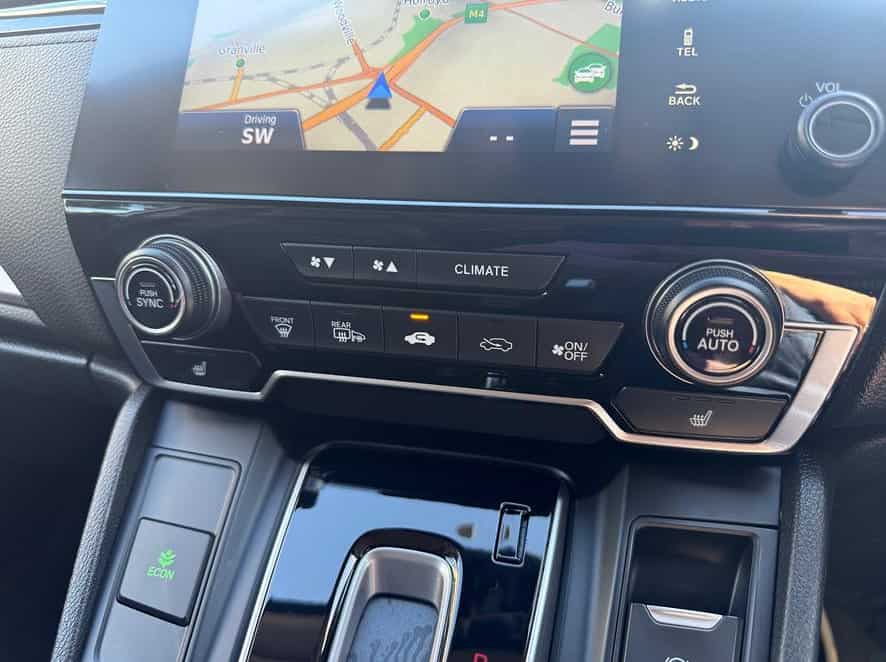
Why Is My Honda CR V AC Blowing Hot Air?
When your Honda CR V AC starts blowing hot air, the system is not removing heat properly. The air conditioner has many parts that work together. These parts help absorb heat and create cool air inside the cabin.
The AC system uses refrigerant to transfer heat. The compressor moves this refrigerant through the system. The condenser removes heat from the refrigerant. The evaporator then cools the air before it reaches the vents. If one component fails, the AC may stop producing cold air.
One of the most common reasons for Honda CR V AC blowing hot air is low refrigerant. Refrigerant does not normally disappear over time. A low level usually means there is a leak somewhere in the system. When refrigerant pressure becomes too low, the AC cannot absorb enough heat from the cabin.
A faulty AC compressor is another common cause. The compressor is responsible for circulating refrigerant through the system. If it fails, the refrigerant cannot move correctly. The result is warm air from the vents, even when the AC is turned on.
Other possible causes include a damaged condenser, a failed cooling fan, or a faulty blend door actuator. A condenser problem reduces heat removal. A cooling fan failure affects airflow when the vehicle is stopped. A blend door actuator issue can prevent cold air from entering the cabin.
Finding the exact cause is important before replacing any parts. A proper diagnosis can save money and prevent unnecessary repairs. By understanding the symptoms, Honda CR V owners can identify problems faster and choose the right repair solution.
Common Symptoms of Honda CR V AC Problems
A Honda CR V AC problem can appear in many different ways. Some drivers notice hot air immediately after turning on the system. Others experience weak cooling that slowly becomes worse. Recognizing these symptoms early can help prevent expensive repairs and protect the entire air conditioning system.
One common sign is hot air coming from every vent. This usually means the AC system is not creating enough cooling pressure. Low refrigerant, a refrigerant leak, or a damaged compressor are common causes. The blower fan may still work, but the air temperature remains warm.
Another symptom is cold air that changes to warm air after a few minutes. This often points to an intermittent AC problem. The compressor may stop working during operation. Low refrigerant pressure or an electrical fault can also interrupt cooling performance.
Some Honda CR V owners notice that the AC feels cold while driving but becomes warm when the vehicle stops. This often happens when the condenser fan is not working correctly. Without enough airflow, the system cannot release heat effectively at idle.
Uneven temperature from different vents is another warning sign. If one side blows cold air while the other side blows warm air, the blend door actuator may be faulty. Weak airflow, unusual noises, and unpleasant odors can also indicate problems with the cabin filter, blower motor, or evaporator area.
Identifying these symptoms is the first step toward finding the correct repair. A proper diagnosis helps avoid unnecessary part replacements and restores reliable cooling performance.
10 Common Causes of Honda CR V AC Blowing Hot Air
A Honda CR V AC blowing hot air problem can come from different parts of the cooling system. Some causes are simple and affordable to fix. Others require advanced diagnosis and professional repair. Understanding the most common causes helps you identify the problem faster and avoid unnecessary expenses.
Low Refrigerant Level
Low refrigerant is one of the most common reasons behind a Honda CR V AC blowing hot air issue. Refrigerant is the fluid that absorbs heat from inside the cabin. It allows the AC system to create cold air and maintain a comfortable temperature.
When the refrigerant level becomes too low, the system cannot remove enough heat. The vents may continue blowing air, but the temperature will feel warm instead of cold. Many drivers assume the AC only needs a recharge, but low refrigerant usually indicates another problem.
A properly working AC system should not lose refrigerant during normal operation. A low refrigerant level often means there is a leak somewhere in the system. Common leak locations include hoses, seals, condenser lines, and compressor connections.
A refrigerant recharge may temporarily improve cooling performance. However, the problem will return if the leak is not repaired. A professional inspection can identify the leak source and prevent repeated AC failures.
Refrigerant Leak
A refrigerant leak is another major cause of Honda CR V AC blowing hot air. The AC system depends on a sealed circuit to maintain the correct pressure. When refrigerant escapes, the system loses its ability to cool the cabin.
Leaks can develop in several areas. Damaged hoses, worn seals, cracked condenser components, and faulty service ports are common examples. In some cases, the leak is small and causes cooling performance to decrease slowly. In other cases, the AC may stop working suddenly.
Some warning signs can help identify a refrigerant leak. These include weak cooling, oily residue near AC components, hissing sounds, or a system that stops working shortly after a recharge.
Adding more refrigerant without repairing the leak is not a permanent solution. It can also hide the real problem and increase repair costs later. Proper leak detection is the best way to restore long term AC performance.
Faulty AC Compressor
The AC compressor is one of the most important parts of the Honda CR V air conditioning system. It compresses and circulates refrigerant throughout the system. Without proper compressor operation, the refrigerant cannot move correctly and the cabin will not receive cold air.
A failing compressor can create several symptoms. The AC may blow warm air, cooling may become inconsistent, or unusual noises may appear when the system is running. In some cases, the compressor clutch may fail and prevent the compressor from engaging.
Compressor problems can happen because of internal wear, electrical issues, insufficient lubrication, or contamination inside the AC system. Since compressor replacement can be expensive, accurate diagnosis is important before replacing the entire unit.
If your Honda CR V AC stops cooling and the compressor does not activate, a technician should inspect the electrical system, refrigerant pressure, and compressor operation before recommending repairs.
Faulty Compressor Clutch or Control Valve
A Honda CR V AC compressor does not always fail completely. In some cases, the problem comes from smaller components that control compressor operation. The compressor clutch and control valve play important roles in activating and regulating the cooling process.
The compressor clutch connects the compressor to the engine power system. When the AC is turned on, the clutch should engage and allow the compressor to operate. If the clutch fails, the compressor may not start, even though the rest of the AC system appears normal.
A faulty control valve can also affect cooling performance. This component controls refrigerant flow inside the compressor. When it stops working correctly, the compressor may not create the pressure needed for proper cooling.
Common symptoms include warm air from the vents, inconsistent cooling, and an AC system that works only sometimes. Diagnosing this problem requires checking electrical signals, refrigerant pressure, and compressor operation.
Replacing smaller compressor components can sometimes restore AC performance without replacing the entire compressor assembly. This makes accurate diagnosis important because it can reduce unnecessary repair costs.
Damaged or Blocked Condenser
The condenser is responsible for releasing heat from the refrigerant after it leaves the compressor. It works by converting high pressure refrigerant gas into a cooler liquid form. If the condenser cannot remove heat effectively, the entire AC system may struggle to produce cold air.
A damaged condenser is a common reason for Honda CR V AC blowing hot air. Dirt, leaves, road debris, and bent fins can reduce airflow across the condenser surface. This prevents the system from releasing heat properly.
A leaking condenser can create another serious problem. When refrigerant escapes through cracks or damaged areas, the AC system loses pressure. As a result, the vents may produce warm air instead of cool airflow.
Common signs of condenser problems include weak cooling, poor AC performance during hot weather, and visible damage near the front of the vehicle. Regular cleaning and inspection can help maintain proper condenser operation.
Failed Cooling Fan
The cooling fan plays an important role in maintaining AC performance, especially when the vehicle is not moving. The fan helps move air through the condenser and allows the refrigerant to release heat.
A failed cooling fan can cause a Honda CR V AC to blow cold air while driving but warm air when stopped. At higher speeds, natural airflow may temporarily help the system. However, the AC performance can drop significantly at idle.
Common causes of cooling fan failure include a damaged fan motor, faulty relay, electrical problems, or a failed control module. In some cases, the fan may work intermittently before completely stopping.
Checking the cooling fan is an important diagnostic step when the AC only struggles at low speeds. Repairing the fan system can often restore normal cooling without requiring major AC component replacement.
Clogged Cabin Air Filter
A clogged cabin air filter is one of the easiest Honda CR V AC problems to overlook. The cabin air filter cleans the air before it enters the vehicle interior. Over time, dust, pollen, and debris can block airflow through the filter.
A dirty filter usually does not make the AC produce hot air directly. However, it can reduce airflow from the vents and make the cabin feel warmer. The system may still create cold air, but the reduced airflow prevents that cold air from reaching passengers effectively.
Common signs of a blocked cabin air filter include weak airflow, unpleasant smells, and reduced AC performance. Replacing the filter is usually a simple and affordable maintenance task. It can improve airflow and help the AC system work more efficiently.
Honda CR V owners should check the cabin air filter regularly, especially when driving in areas with heavy traffic, dust, or pollution. A clean filter supports better air quality and helps prevent unnecessary strain on the blower motor.
Faulty Blend Door Actuator
The blend door actuator controls the temperature of the air entering the cabin. It moves the blend door between the hot and cold air positions. When this component fails, the AC system may not deliver the correct temperature.
A faulty blend door actuator can cause unusual symptoms. One side of the vehicle may blow cold air while the other side blows warm air. The temperature setting may also stop responding correctly.
Many drivers mistake this issue for a refrigerant or compressor problem. However, the AC system may be cooling properly while the blend door prevents cold air from reaching the vents.
Common warning signs include clicking sounds behind the dashboard, incorrect temperature control, and inconsistent airflow. Replacing the actuator can restore proper climate control performance.
Electrical Problems, Fuses, or Relays
Modern Honda CR V AC systems depend on electrical components to operate correctly. A failure in the electrical system can prevent the compressor, cooling fan, or climate control module from working properly.
A blown fuse or damaged relay can stop power from reaching important AC components. Wiring problems, sensor failures, or control module issues can also interrupt normal operation.
Electrical faults can be difficult to identify because the symptoms may look similar to mechanical problems. For example, a compressor may appear damaged when the real issue is a failed relay or missing electrical signal.
A proper diagnosis should include checking fuses, relays, wiring connections, and system error codes. Finding the actual electrical fault can prevent unnecessary replacement of expensive AC components.
Faulty Expansion Valve or Evaporator
The expansion valve and evaporator are critical parts of the cooling process. The expansion valve controls refrigerant flow into the evaporator. The evaporator absorbs heat from the cabin air and creates the cooling effect.
When the expansion valve fails, the refrigerant flow may become incorrect. This can cause weak cooling, inconsistent temperatures, or warm air from the vents. A blocked evaporator can create similar problems by reducing heat absorption.
Evaporator problems can be more complex because the component is located deep inside the dashboard area. Repairs may require significant labor time compared with simpler AC repairs.
Signs of expansion valve or evaporator issues include poor cooling performance, unusual moisture problems, and AC operation that changes without a clear reason. Professional testing is usually required to confirm these failures.
Understanding these ten common causes makes it easier to diagnose a Honda CR V AC blowing hot air problem. The correct repair depends on identifying the exact component that has failed rather than replacing parts based only on symptoms.
How to Diagnose a Honda CR V AC Blowing Hot Air Problem
Finding the cause of a Honda CR V AC blowing hot air problem requires a step by step inspection. Many AC issues have similar symptoms, so replacing parts without testing can lead to unnecessary expenses. A proper diagnosis helps identify the failed component and ensures the correct repair is performed.
Step 1: Check the Climate Control Settings
Start with the simplest possible causes. Make sure the AC button is turned on and the temperature setting is at the lowest level. Check that the system is not using outside air when recirculation mode is needed.
Some Honda CR V models include climate control features that can affect cooling performance. Incorrect settings may make the AC feel warmer than expected. Always confirm the basic controls before checking mechanical components.
Step 2: Inspect Airflow From the Vents
The strength of airflow can provide important clues. Turn the fan speed to the highest setting and check the air coming from each vent.
Weak airflow may indicate a clogged cabin air filter or a blower motor problem. Strong airflow with warm air usually points to an issue with the cooling system rather than the ventilation system.
Comparing airflow between different vents can also help identify blend door actuator problems. Uneven temperatures often indicate that the air distribution system is not working correctly.
Step 3: Check If the AC Compressor Is Operating
The compressor is a key part of the cooling process. When the AC is turned on, the compressor should engage and begin circulating refrigerant.
Listen for a clicking sound when the compressor clutch activates. Also observe whether the engine idle changes slightly after turning on the AC.
If the compressor does not engage, the cause may be low refrigerant pressure, an electrical issue, a faulty clutch, or compressor damage. Further testing is needed before replacing any parts.
Step 4: Inspect the Cooling Fans
Cooling fans are essential for proper condenser operation. Turn on the AC and check whether the fans operate normally.
If the AC works while driving but becomes warm when stopped, a failed cooling fan is a possible cause. The vehicle receives natural airflow while moving, but the system may struggle at idle without fan support.
Step 5: Look for Refrigerant Leak Signs
A refrigerant leak can slowly reduce AC performance. Check for oily residue around AC connections, hoses, and compressor areas.
Other warning signs include repeated refrigerant loss after recharge, weak cooling, or unusual sounds from the AC system. A professional leak test can locate small leaks that are difficult to see.
Step 6: Measure Refrigerant Pressure
Refrigerant pressure testing provides valuable information about AC system condition. Incorrect pressure levels can indicate low refrigerant, overcharging, compressor problems, or restricted components.
Pressure readings should be compared with manufacturer specifications. Using incorrect refrigerant levels can reduce performance and damage the system.
Step 7: Scan for Diagnostic Trouble Codes
Modern Honda CR V models use electronic systems to control many AC functions. A diagnostic scan tool can reveal problems related to sensors, climate control modules, and electrical components.
Error codes do not always identify the exact failed part. However, they provide useful information and help technicians focus on the correct area.
A complete diagnosis combines visual inspection, system testing, and symptom analysis. This approach helps determine why the Honda CR V AC is blowing hot air and prevents unnecessary repairs.
Honda CR V AC Repair Solutions
The best repair solution for a Honda CR V AC blowing hot air problem depends on the exact cause. Some issues can be fixed with simple maintenance. Others require professional tools and advanced diagnosis.
A cabin air filter replacement is one of the easiest solutions. A dirty filter can reduce airflow and make the AC feel less effective. Replacing the filter improves air circulation and helps the system work more efficiently.
If the problem comes from low refrigerant, the system needs a proper inspection first. Refrigerant does not normally disappear during regular use. A low level usually means there is a leak. Repairing damaged hoses, seals, or AC components is necessary before adding new refrigerant.
An AC recharge can restore cooling performance when the system has the correct refrigerant level. However, overcharging or adding refrigerant without fixing a leak can create more problems.
For serious failures, the compressor may need repair or replacement. The compressor is responsible for moving refrigerant through the AC system. A faulty compressor clutch, control valve, or internal damage can prevent cold air production.
Other repairs may involve replacing a cooling fan, blend door actuator, or electrical component. Each part affects AC performance in a different way. Accurate diagnosis helps avoid unnecessary repairs and ensures the correct solution is applied.
A professional inspection is often the best choice when the Honda CR V AC continues blowing hot air after basic checks. Finding the real cause saves time, reduces costs, and restores reliable cooling performance.
Honda CR V AC Repair Cost Overview
The repair cost for a Honda CR V AC blowing hot air problem depends on the failed component, repair complexity, and labor rates in your area. A simple maintenance service may cost much less than replacing major AC parts.
A cabin air filter replacement is usually one of the most affordable solutions. It requires minimal labor and can improve airflow when the filter becomes dirty or blocked. This repair is often the first step when diagnosing weak AC performance.
Refrigerant recharge is another common service. The cost depends on the refrigerant type, the amount needed, and whether the system has a leak. If a leak is found, the total expense will increase because the damaged component must be repaired before recharging.
Compressor related repairs are usually more expensive. Replacing a compressor may require additional work, such as removing contaminated refrigerant, replacing related components, and testing the entire AC system. Accurate diagnosis is important because compressor replacement should only be performed when necessary.
Cooling fan replacement, blend door actuator repair, and electrical repairs usually fall into the medium cost range. The final price depends on the location of the component and the amount of labor required.
Several factors can affect Honda CR V AC repair costs. These include the vehicle model year, refrigerant type, replacement parts, labor rates, and the overall condition of the AC system.
Before approving any repair, ask for a complete diagnosis and a detailed estimate. Understanding the cause of the problem helps you avoid unnecessary expenses and choose the most effective repair solution.
Can You Fix a Honda CR V AC Problem Yourself?
Some Honda CR V AC problems can be checked and fixed at home. However, many AC repairs require special tools and technical knowledge. Understanding what you can safely do yourself can help you save time and avoid unnecessary damage.
Simple tasks are usually safe for most vehicle owners. You can check the climate control settings, inspect the cabin air filter, and look for visible dirt around the condenser area. You can also check whether the cooling fans operate when the AC is turned on.
Replacing a dirty cabin air filter is one of the easiest maintenance tasks. It can improve airflow and help the AC system perform better. Cleaning light debris from the condenser surface may also improve heat transfer.
However, some repairs should be handled by trained technicians. Refrigerant testing, leak detection, compressor replacement, and electrical diagnosis require specialized equipment. Working with refrigerant without proper tools can damage the AC system and create safety risks.
Many drivers try a quick refrigerant recharge when their Honda CR V AC is blowing hot air. This may provide temporary cooling, but it does not solve problems caused by leaks or damaged components. Incorrect refrigerant levels can also reduce system performance.
A good approach is to complete basic checks first. If the problem continues, professional diagnosis is the best option. A technician can identify the real cause and recommend the correct repair without unnecessary part replacement.
How to Prevent Future Honda CR V AC Problems
Preventing Honda CR V AC problems is easier and less expensive than repairing a failed system. Regular maintenance helps keep important components working correctly and reduces the chance of unexpected cooling problems.
One of the simplest maintenance steps is replacing the cabin air filter on schedule. A clean filter allows better airflow and reduces stress on the blower motor. It also helps maintain better air quality inside the vehicle.
Keeping the condenser clean is another important step. Dirt, leaves, and road debris can block airflow and reduce the system’s ability to release heat. Regular inspection can help maintain proper AC performance, especially before hot weather arrives.
Running the AC system regularly can also help maintain component condition. Using the AC occasionally during cooler months allows refrigerant and lubrication to circulate through the system. This can help protect seals and reduce the chance of leaks.
It is also important to address small cooling problems early. Weak airflow, unusual noises, or reduced cooling performance may indicate a developing issue. Ignoring these signs can lead to more expensive repairs later.
Avoid unnecessary refrigerant recharges without proper diagnosis. Low refrigerant usually means there is a leak somewhere in the system. Finding and repairing the leak is the correct long term solution.
A professional AC inspection before extreme weather can help identify potential problems early. Regular maintenance, careful observation, and timely repairs can keep your Honda CR V air conditioning system reliable for years.
Frequently Asked Questions
Why is my Honda CR V AC blowing hot air all of a sudden?
A Honda CR V AC may suddenly blow hot air because of a refrigerant leak, compressor failure, electrical problem, or cooling fan issue. A sudden loss of cooling usually requires inspection because the cause can vary between different components.
Why does my Honda CR V AC get warm when the car stops?
If the AC becomes warm when the vehicle stops but works while driving, the cooling fan may be failing. The condenser needs airflow to release heat. When the fan does not operate correctly, AC performance can decrease at idle.
Can a dirty cabin air filter make the AC blow hot air?
A dirty cabin air filter usually does not create hot air directly. However, it can reduce airflow and make the AC feel less effective. Replacing a clogged filter can improve airflow and overall comfort.
How do I know if my Honda CR V AC compressor is bad?
A failing AC compressor may cause warm air, unusual noises, inconsistent cooling, or a compressor that does not engage. A professional diagnosis is recommended before replacing the compressor because other problems can create similar symptoms.
Does low refrigerant always mean there is a leak?
Yes, low refrigerant usually indicates a leak because refrigerant does not normally disappear during regular AC operation. The leak source should be repaired before adding more refrigerant.
Why is one side of my Honda CR V blowing hot air?
Uneven temperature between sides may indicate a faulty blend door actuator. This component controls how warm and cold air enter the cabin. A problem with this part can cause one side to blow cold air while the other side feels warm.
Is it safe to drive with a bad AC compressor?
You can usually drive with an AC problem, but a damaged compressor may create additional issues. If the compressor makes unusual noises or affects the engine operation, it should be inspected as soon as possible.
Can I recharge my Honda CR V AC myself?
Some owners attempt a DIY recharge, but this may not solve the real problem. Low refrigerant often means there is a leak. Incorrect refrigerant levels can also damage AC performance.
How often should a Honda CR V AC system be serviced?
There is no fixed service interval for every vehicle. However, regular inspections, cabin filter replacement, and early attention to cooling problems can help maintain system performance.
Why did the AC stop cooling after a recharge?
If the AC stops cooling after a recharge, there may still be a leak or another failed component. Possible causes include compressor problems, electrical faults, or incorrect refrigerant levels.
Conclusion
A Honda CR V AC blowing hot air problem can come from many different causes. Some issues are simple, such as a dirty cabin air filter or reduced airflow. Other problems can be more serious, including refrigerant leaks, compressor failure, electrical faults, or damaged AC components.
The most important step is finding the real cause before starting any repair. Adding refrigerant without checking for leaks or replacing expensive parts without proper testing can lead to unnecessary costs. A complete diagnosis helps identify the failed component and ensures the correct repair is completed.
Regular maintenance can also prevent many Honda CR V AC problems. Replacing the cabin air filter, keeping the condenser clean, and checking cooling performance early can help maintain reliable operation. Small warning signs should not be ignored because minor AC issues can become more expensive over time.
If your Honda CR V AC is blowing hot air, start with basic checks and pay attention to the symptoms. When the problem continues, a professional inspection is the best way to restore proper cooling performance. The right diagnosis can save money, improve comfort, and keep your Honda CR V air conditioning system working efficiently for years.