Seeing the Drive light flashing on your Honda Civic can be alarming, especially if the vehicle appears to drive normally. Many drivers immediately assume the transmission has failed, while others continue driving because no obvious performance issues are present. Both reactions can lead to unnecessary risks. A flashing Drive light is more than a simple dashboard warning. It is the vehicle’s way of telling you that the transmission control system has detected an abnormal condition that requires attention. Ignoring the warning may allow a minor issue to develop into a more expensive repair over time.
In many Honda Civic models equipped with an automatic transmission, a flashing Drive or D indicator commonly points to a fault within the transmission control system. The problem may be as simple as deteriorated transmission fluid, a faulty pressure switch, or a malfunctioning shift solenoid. However, it can also indicate electrical faults, damaged wiring, sensor failures, or internal transmission wear. Because several different components can trigger the same warning, replacing parts without proper diagnosis often wastes both time and money.
This guide explains everything you need to know about Honda Civic Drive Light Flashing. You will learn what the warning means, the most common symptoms and causes, how to diagnose the problem correctly, the repair options available, and the expected repair costs. By the end of this article, you will have a clear understanding of whether your Honda Civic is safe to drive and what steps you should take to prevent further transmission damage.
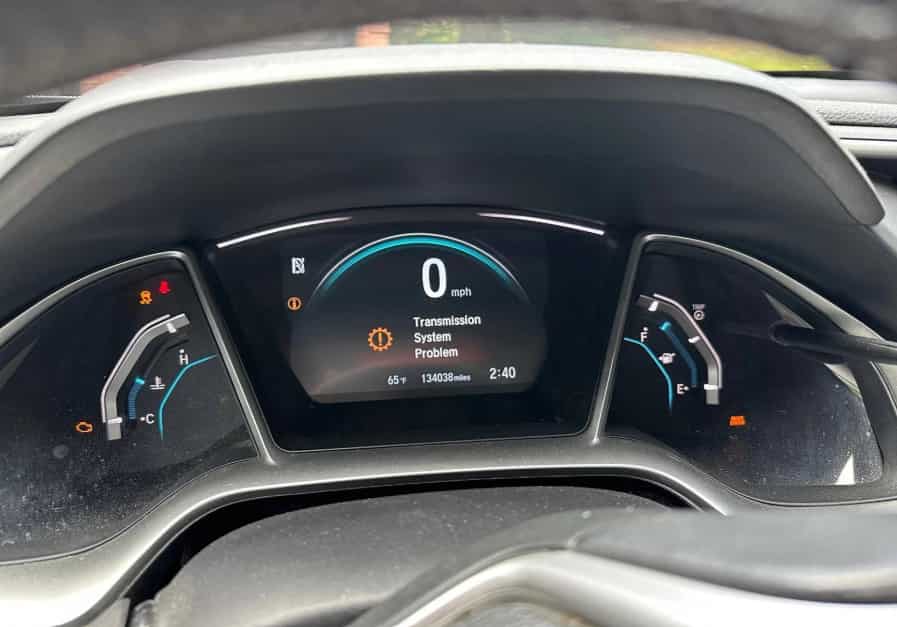
What Does a Flashing Drive Light Mean on a Honda Civic?
A flashing Drive light on a Honda Civic usually indicates that the transmission control system has detected a fault affecting the operation of the automatic transmission or continuously variable transmission. Unlike the normal green Drive indicator that simply confirms the selected gear, a flashing light serves as a warning that one or more transmission related components may not be functioning correctly. In many cases, the vehicle stores diagnostic trouble codes that help identify the affected system, even if the car still appears to drive normally. This early warning allows drivers to address the problem before it develops into a more serious and expensive repair.
The exact meaning of the warning can vary depending on the model year and transmission type. Older Honda Civic models commonly use a flashing D indicator to alert the driver to transmission faults, while some newer models display a dedicated transmission system warning instead. Regardless of the indicator design, the underlying purpose remains the same. The vehicle has detected an abnormal condition that should be diagnosed as soon as possible. Common triggers include low or contaminated transmission fluid, a failing shift solenoid, a faulty transmission pressure switch, damaged wiring, speed sensor failures, or communication problems within the transmission control system.
Although some drivers notice no immediate changes in vehicle performance, a flashing Drive light should never be ignored. Transmission problems often begin with intermittent electrical faults or minor hydraulic pressure issues before progressing to harsh shifting, gear slipping, delayed engagement, or complete transmission failure. Identifying the root cause early can reduce repair costs, improve driving safety, and help preserve the long term reliability of your Honda Civic. For that reason, the first step is always to diagnose the warning rather than assume the transmission itself has failed.
Is It Safe to Drive With the Honda Civic Drive Light Flashing?
Whether you can continue driving depends on how your Honda Civic behaves after the warning appears. Some vehicles continue to shift normally even when the Drive light flashes. In this situation, you may drive a short distance to a nearby repair shop. Keep your speed low and avoid rapid acceleration. Watch the transmission carefully during the trip. A flashing warning always indicates that the transmission control system has detected a problem. Even if the car feels normal, the fault can become worse over time.
You should stop driving if the transmission begins to slip or shift harshly. Other warning signs include delayed gear engagement, strong jerking, unusual noises, or a burning smell. Red transmission fluid under the vehicle is another serious symptom. Some drivers also notice that the engine speed increases while the vehicle barely accelerates. This often indicates that the transmission cannot transfer power correctly. Continuing to drive under these conditions can increase internal wear and lead to much higher repair costs.
The safest decision is to diagnose the problem as soon as possible. Start by checking for warning lights and obvious transmission symptoms. Next, scan the vehicle for diagnostic trouble codes and inspect the transmission fluid if your model allows it. If the vehicle enters limp mode or refuses to move, arrange for towing instead of driving. Early diagnosis often reveals problems such as contaminated transmission fluid, a faulty pressure switch, damaged wiring, or a failing shift solenoid. Fixing these issues early helps protect the transmission and reduces the chance of major repairs later.
Common Symptoms of a Flashing Drive Light
A flashing Drive light rarely appears without other warning signs. In some cases, the symptoms are easy to notice. In others, they develop slowly over time. Paying attention to these changes can help you identify the problem before the transmission suffers serious damage. Even if the vehicle still drives, small changes in shifting performance often indicate that the transmission control system needs attention.
One of the most common symptoms is hard or delayed shifting. The transmission may hesitate before changing gears or shift with a noticeable jerk. Some drivers also experience gear slipping. The engine speed increases, but the vehicle accelerates slowly. This happens when the transmission cannot transfer engine power efficiently. Over time, repeated slipping can damage internal clutches and other transmission components.
You may also notice unusual noises while driving. A whining, humming, or grinding sound can indicate excessive wear inside the transmission. In some cases, the vehicle vibrates during acceleration or while changing gears. Drivers sometimes report a burning smell after longer trips. This often suggests that the transmission fluid has overheated or lost its protective properties. If you see red fluid leaking under the vehicle, inspect the transmission immediately because low fluid levels can quickly create more serious problems.
Additional symptoms may include poor fuel economy, inconsistent gear changes, or the transmission entering limp mode. Some Honda Civic models also illuminate the Check Engine light together with the flashing Drive indicator. When multiple warning lights appear at the same time, the problem usually requires electronic diagnosis with an OBD II scanner. Identifying these symptoms early allows you to repair the underlying fault before it develops into an expensive transmission failure.
Common Causes of Honda Civic Drive Light Flashing
Several different problems can cause the Drive light to flash on a Honda Civic. Some issues involve simple maintenance, while others require professional repairs. Understanding the most common causes helps you narrow down the problem and avoid replacing parts that still work properly. A complete diagnosis should always confirm the root cause before any repair begins.
Low or contaminated transmission fluid is one of the most common causes. Automatic transmission fluid lubricates internal components, controls hydraulic pressure, and helps regulate temperature. As the fluid ages, it loses its protective properties and may collect dirt or metal particles. Low fluid levels can also reduce hydraulic pressure and affect gear changes. These conditions often trigger transmission warning lights and cause poor shifting performance.
Faulty shift solenoids are another common source of the problem. These electronic valves control the flow of transmission fluid during each gear change. When a solenoid sticks or fails, the transmission may hesitate, shift roughly, or remain in the wrong gear. A defective transmission pressure switch can produce similar symptoms because it sends incorrect pressure information to the transmission control module. Speed sensors can also fail over time. Incorrect speed data prevents the control system from selecting the proper gear and may activate the flashing Drive light.
Electrical problems should never be overlooked. Damaged wiring, loose connectors, poor grounds, or corrosion can interrupt communication between transmission components. A weak battery or unstable charging system may also create voltage problems that affect electronic controls. In more serious cases, worn clutch packs, damaged valve body components, or internal transmission failure may trigger the warning. Although these repairs cost more, they are far less common than fluid problems or faulty electrical components. A professional scan tool and careful inspection remain the fastest way to identify the exact cause.
Why the Drive Light Flashes Intermittently
Many Honda Civic owners notice that the Drive light does not flash all the time. It may appear during one trip and disappear during the next. This behavior often confuses drivers because the transmission seems to return to normal. However, an intermittent warning does not mean the problem has gone away. It usually indicates that the transmission control system detects a fault only under certain operating conditions.
Temperature is one of the most common factors. Transmission fluid becomes thinner as it heats up. A weak pressure switch, worn solenoid, or aging transmission component may work normally when the fluid is cold but begin to fail after the transmission reaches operating temperature. Some electrical faults also appear only after components expand from heat. As a result, the warning light may flash only during longer drives or in heavy traffic.
Driving conditions can also affect the warning. Some faults appear only during highway speeds, rapid acceleration, steep hills, or frequent stop and go traffic. During these situations, the transmission experiences higher loads and requires more precise hydraulic pressure. Even a small problem can become noticeable under these conditions. Once the load decreases, the warning may disappear until the same conditions occur again.
Intermittent electrical connections are another common cause. Loose connectors, damaged wiring, or corrosion can interrupt communication for only a fraction of a second. The transmission control module records the fault and activates the flashing Drive light. After the connection stabilizes, the transmission may operate normally again. Although the warning disappears, the stored diagnostic trouble code usually remains in the system. Scanning the vehicle as soon as possible increases the chance of identifying the fault before it becomes more frequent or causes permanent transmission damage.
How to Diagnose a Flashing Drive Light on a Honda Civic
Diagnosing a flashing Drive light requires a logical process. Many transmission problems produce similar symptoms, so guessing rarely leads to the correct repair. A systematic inspection helps identify the actual fault and prevents unnecessary part replacement. Even if the vehicle still drives normally, you should diagnose the warning as soon as possible.
Start by observing how the vehicle behaves. Notice whether the transmission shifts smoothly or hesitates between gears. Listen for unusual noises during acceleration or deceleration. Pay attention to vibrations, delayed engagement, or gear slipping. These symptoms provide valuable clues before any diagnostic equipment is connected.
Next, connect an OBD II scanner and check for stored diagnostic trouble codes. Many Honda Civic transmission problems generate codes that identify faults in the shift solenoids, pressure switches, speed sensors, or transmission control system. Record every code before clearing the memory. Clearing the codes too early may make the diagnosis more difficult if the problem appears only occasionally.
After scanning the vehicle, inspect the transmission fluid. Check the fluid level if your Honda Civic model includes a transmission dipstick. Healthy transmission fluid should appear clean and bright red. Dark fluid, a burnt smell, or visible metal particles often indicate excessive wear or overheating. Also inspect the wiring harness, electrical connectors, and battery terminals for corrosion or loose connections. Finally, perform a road test to confirm whether the warning returns under specific driving conditions. Combining the scan results with a physical inspection provides the most accurate diagnosis and helps determine the correct repair without replacing unnecessary components.
Common Diagnostic Codes Related to a Flashing Drive Light
A flashing Drive light often appears together with one or more diagnostic trouble codes. These codes help technicians identify the affected system and reduce unnecessary repairs. While a trouble code does not always identify the exact failed part, it provides an excellent starting point for diagnosis. Reading the codes with an OBD II scanner is much more reliable than replacing parts based on symptoms alone.
One of the most common codes is P0700, which indicates that the transmission control system has detected a fault. This code usually appears with additional transmission related codes that provide more specific information. Codes such as P0750, P0753, P0758, and P0760 often point to problems with the shift solenoids. These components control hydraulic fluid flow during gear changes. A faulty solenoid can cause delayed shifting, harsh gear changes, or gear slipping.
Codes related to transmission pressure switches are also common. Depending on the Honda Civic model year, you may see codes such as P0842, P0847, or P0872. These codes often indicate incorrect hydraulic pressure readings or a faulty pressure switch. Speed sensor problems may trigger codes such as P0720 or P0722. When the transmission control module receives incorrect speed information, it cannot calculate the proper shift timing.
Although these codes provide valuable information, they should never be treated as a final diagnosis. A damaged wire, poor electrical connection, low transmission fluid level, or weak battery can trigger the same code as a failed component. Technicians usually combine scan results with a visual inspection, electrical testing, and a road test before replacing any parts. This approach improves diagnostic accuracy, reduces repair costs, and helps restore normal transmission operation more efficiently.
How to Fix a Honda Civic Drive Light That Is Flashing
The correct repair depends on the cause of the warning. Some problems require only routine maintenance, while others involve replacing faulty transmission components. For this reason, you should always diagnose the fault before purchasing replacement parts. A careful inspection saves time, reduces repair costs, and prevents unnecessary work.
If the transmission fluid is low or contaminated, replacing it with the correct Honda approved automatic transmission fluid is often the first step. Fresh fluid restores proper lubrication, improves hydraulic pressure, and helps reduce transmission temperature. During the service, inspect the fluid for metal particles or a burnt smell. These signs may indicate internal transmission wear that requires additional attention.
Electrical faults are another common repair. Inspect the wiring harness, electrical connectors, and battery terminals for corrosion, loose connections, or damaged insulation. Repairing a broken wire or cleaning a corroded connector may eliminate the warning without replacing expensive components. If diagnostic testing identifies a faulty shift solenoid, pressure switch, or speed sensor, replace the affected part according to the manufacturer’s repair procedure. After completing the repair, clear the diagnostic trouble codes and perform a road test to confirm that the warning does not return.
More serious transmission problems require professional service. Worn clutch packs, a damaged valve body, or internal mechanical failure cannot be corrected with a fluid change alone. These conditions often require transmission disassembly or replacement. Continuing to drive with these faults may increase internal damage and significantly raise repair costs. Addressing the problem early gives you the best chance of avoiding a complete transmission replacement and helps maintain the long term reliability of your Honda Civic.
Honda Civic Drive Light Flashing Repair Cost
The cost to repair a flashing Drive light varies because several different problems can trigger the warning. Some repairs involve basic maintenance, while others require extensive transmission work. The final cost depends on the failed component, labor rates in your area, and the model year of your Honda Civic. An accurate diagnosis is the best way to estimate repair expenses before replacing any parts.
A transmission fluid service is usually the least expensive repair. If old or contaminated fluid causes the warning, replacing the fluid may restore normal operation. Repairing damaged wiring or cleaning corroded electrical connectors also costs much less than replacing major transmission components. These simple repairs often solve intermittent transmission warnings before they develop into larger problems.
Replacing a faulty shift solenoid, transmission pressure switch, or speed sensor usually falls into the mid range of repair costs. The price depends on the location of the component and the amount of labor required. Some parts are easy to access, while others require additional disassembly. If the transmission control module fails, programming or replacement may increase the total repair cost.
The highest repair costs usually involve internal transmission damage. Worn clutch packs, damaged bearings, or a failed valve body often require major transmission repairs or a complete rebuild. In severe cases, replacing the entire transmission may become the most practical solution. Although these repairs can be expensive, early diagnosis often prevents small problems from becoming major failures. Regular maintenance, routine fluid changes, and prompt attention to warning lights remain the most effective ways to reduce long term ownership costs and extend the service life of your Honda Civic.
Can Resetting the Battery Fix a Flashing Drive Light?
Many Honda Civic owners disconnect the battery after the Drive light starts flashing. They hope the warning will disappear without further repairs. Resetting the battery may clear stored diagnostic trouble codes for a short time. However, this method does not fix the underlying problem. If the transmission control system still detects the same fault, the warning light will usually return after the vehicle completes its self checks.
A battery reset can sometimes help after a completed repair. For example, replacing a faulty shift solenoid or repairing damaged wiring may require clearing the stored fault codes. Disconnecting the battery can erase temporary memory on some older Honda Civic models. However, many newer models retain important diagnostic information or require a scan tool to clear codes correctly. For this reason, technicians often use a professional OBD II scanner instead of disconnecting the battery.
Resetting the battery can also create new issues. The vehicle may lose radio presets, clock settings, and other stored preferences. Some models require additional relearning procedures for the engine control system or automatic transmission after battery power is restored. These procedures allow the control modules to adapt to normal driving conditions again.
The best approach is to identify the cause of the flashing Drive light before attempting any reset. Read the diagnostic trouble codes, inspect the transmission system, and complete the necessary repairs first. After fixing the problem, clear the codes with an appropriate scan tool and perform a road test. If the warning does not return, the repair was successful. If the light flashes again, additional diagnosis is necessary because another fault remains in the transmission control system.
How to Prevent Future Transmission Warnings
Preventive maintenance is the best way to reduce the risk of a flashing Drive light. Although some transmission problems develop without warning, many begin with small issues that regular inspections can detect early. Following the recommended maintenance schedule helps keep the transmission operating smoothly and reduces the chance of expensive repairs later.
Check the transmission fluid at the recommended service intervals if your Honda Civic model includes a transmission dipstick. The fluid should remain clean and at the correct level. If it becomes dark, develops a burnt smell, or contains visible debris, replace it with the correct Honda approved automatic transmission fluid. Using the proper fluid protects internal components, maintains hydraulic pressure, and improves shift quality throughout the life of the transmission.
Driving habits also affect transmission health. Avoid sudden acceleration whenever possible, especially before the engine and transmission reach normal operating temperature. Do not overload the vehicle beyond its recommended capacity. If you frequently drive in heavy traffic or mountainous areas, inspect the transmission more often because these conditions increase heat and mechanical stress. Address even minor shifting problems quickly instead of waiting for the warning light to appear.
Routine inspections can also prevent electrical faults from becoming larger problems. Check the battery, charging system, wiring harness, and electrical connectors during regular maintenance. Corrosion or loose connections may interrupt communication between transmission components and trigger warning lights. Finally, scan the vehicle whenever the Check Engine light or Drive light appears, even if the symptoms disappear later. Early diagnosis remains the most effective way to prevent serious transmission damage and extend the service life of your Honda Civic.
Frequently Asked Questions
Why is my Honda Civic Drive light flashing but the car still drives normally?
A flashing Drive light means the transmission control system has detected a fault. The transmission may continue to operate normally during the early stages of the problem. However, the warning should never be ignored because the condition can become more serious over time. Reading the diagnostic trouble codes is the best way to identify the cause.
Can low transmission fluid cause the Drive light to flash?
Yes. Low or contaminated transmission fluid is one of the most common causes of a flashing Drive light. Insufficient fluid can reduce hydraulic pressure, affect gear changes, and trigger transmission related warning lights. Checking the fluid condition should be one of the first diagnostic steps.
Is it safe to drive with a flashing Drive light?
You may be able to drive a short distance if the transmission shifts normally and no other warning signs appear. However, you should avoid long trips and heavy acceleration. If the transmission slips, shifts harshly, or enters limp mode, stop driving and arrange for professional service.
Will disconnecting the battery clear the flashing Drive light?
Disconnecting the battery may temporarily erase stored fault codes on some Honda Civic models. However, it does not repair the underlying transmission problem. If the fault remains, the Drive light will usually return after the vehicle completes its system checks.
Can a bad shift solenoid cause a flashing Drive light?
Yes. A faulty shift solenoid can interrupt normal gear changes and activate the flashing Drive indicator. Drivers may also notice delayed shifting, harsh gear engagement, or transmission slipping before the warning appears.
Which diagnostic codes are commonly associated with a flashing Drive light?
Common transmission related codes include P0700, P0750, P0753, P0758, P0760, P0842, P0847, P0872, P0720, and P0722. These codes help identify problems with the transmission control system, shift solenoids, pressure switches, or speed sensors.
Does a flashing Drive light always mean the transmission has failed?
No. Many cases involve electrical faults, sensor failures, contaminated transmission fluid, or worn transmission components that can be repaired without replacing the entire transmission. A complete diagnosis is necessary before making repair decisions.
How can I prevent the Drive light from flashing again?
Follow the recommended maintenance schedule, replace transmission fluid at the proper intervals, inspect electrical connections regularly, and address shifting problems as soon as they appear. Early maintenance helps prevent minor faults from developing into major transmission repairs.
Conclusion
A flashing Drive light on a Honda Civic should never be treated as a minor warning. While the vehicle may continue to drive normally for a short period, the transmission control system has already detected a condition that requires attention. The underlying cause may be as simple as contaminated transmission fluid or a faulty pressure switch. In other cases, the warning may point to electrical faults, damaged wiring, failing shift solenoids, or internal transmission wear. Identifying the problem early helps prevent additional damage and reduces repair costs.
The most effective approach is to observe the symptoms, scan the vehicle for diagnostic trouble codes, inspect the transmission system, and complete the necessary repairs before the problem becomes more severe. Avoid relying on temporary solutions such as disconnecting the battery because they rarely solve the actual fault. Regular maintenance, proper transmission fluid service, and routine inspections remain the best ways to protect your transmission and improve long term reliability.
If your Honda Civic Drive Light Flashing warning has appeared, do not wait until the transmission performance gets worse. A prompt diagnosis and timely repair can save thousands of dollars, improve driving safety, and help keep your Honda Civic running smoothly for many years.