A broken air conditioner can make every drive in your Honda Accord uncomfortable, especially during hot summer days. Many owners search for a Honda Accord Air Conditioning Recall as soon as the system stops blowing cold air. They hope Honda will cover the repair and reduce unexpected costs. However, finding the right answer is not always easy. Some air conditioning problems qualify for an official recall, while others fall under a warranty extension, a technical service bulletin, or a standard repair.
Knowing the difference can save both time and money. A failing compressor, a leaking condenser, or a damaged evaporator often leads to expensive repairs. Ignoring the first warning signs may also allow a minor problem to become a major system failure. Before spending hundreds or even thousands of dollars, you should confirm whether your vehicle qualifies for any available repair program.
This complete guide explains everything about the Honda Accord Air Conditioning Recall in one place. You will learn how to identify common air conditioning symptoms, understand which components fail most often, and check whether your Honda Accord qualifies for repair coverage. The guide also explains how to verify your VIN, compare recalls with warranty extensions, and prepare for a dealership inspection. By the end of this article, you will know what to expect, what questions to ask, and how to choose the best solution for your vehicle.
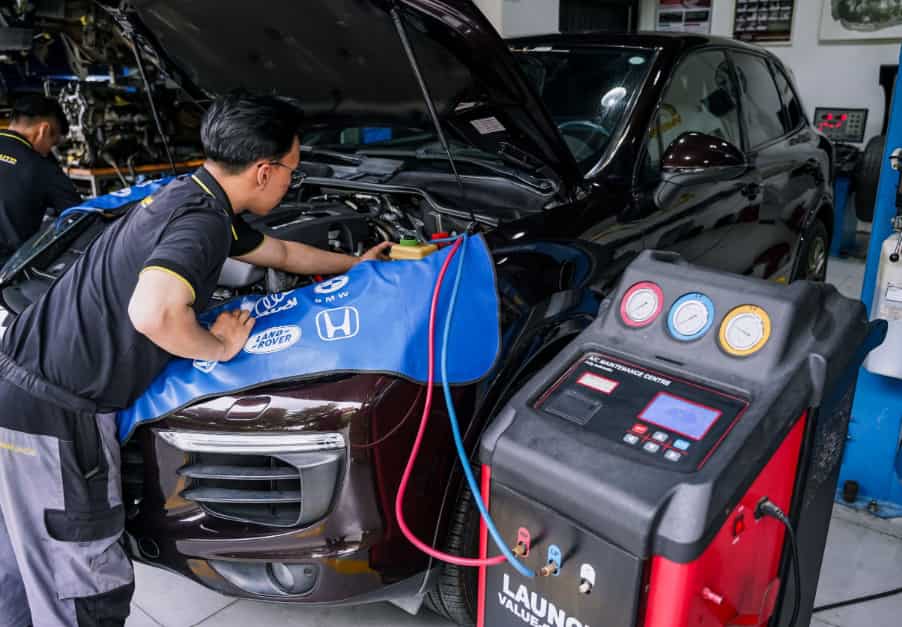
Is There a Honda Accord Air Conditioning Recall?
Many drivers begin searching for a Honda Accord Air Conditioning Recall after the air conditioner stops blowing cold air. A sudden loss of cooling can make daily driving uncomfortable, especially during warm weather. Because thousands of owners have reported similar problems over the years, many people assume every air conditioning failure is part of an official recall. However, that is not always the case. A common problem does not automatically become a manufacturer recall.
Honda and government safety agencies review each issue before they decide whether a recall is necessary. They consider the cause of the defect, the number of affected vehicles, and whether the problem creates a safety risk. If the issue does not meet those requirements, Honda may address it through another program instead. Depending on the specific component and vehicle, the repair may fall under a warranty extension, a technical service bulletin, or the standard factory warranty.
Air conditioning systems also contain several parts that can fail independently. A leaking condenser, a worn compressor, a damaged evaporator, or a faulty pressure sensor can all produce similar symptoms. Drivers often notice warm air, weak airflow, unusual noises, or cooling that comes and goes. Although these signs look similar, each problem requires a different diagnosis before a technician can recommend the correct repair.
The best way to determine whether your vehicle qualifies for an official Honda Accord Air Conditioning Recall is to check the Vehicle Identification Number. A VIN search can confirm open recall campaigns, completed repairs, and other manufacturer programs that apply to your specific vehicle. Taking this simple step before scheduling service can save time, reduce unnecessary repair costs, and help you understand the repair options available for your Honda Accord.
Which Honda Accord Model Years May Experience Air Conditioning Problems?
Air conditioning problems can affect different Honda Accord model years, but the symptoms and repair methods are not always the same. Some owners notice that the system no longer blows cold air, while others experience weak airflow, strange noises, or cooling that stops after a few minutes. These issues may appear similar, yet they often result from different components inside the air conditioning system. For this reason, you should never assume that every model year has the same defect or qualifies for the same repair program.
Several factors influence how an air conditioning system performs over time. Vehicle age, driving conditions, climate, maintenance history, and component wear all play important roles. A Honda Accord that operates in extremely hot weather may place more stress on the compressor and condenser than a vehicle driven in a milder climate. Regular maintenance can also extend the life of important air conditioning components and reduce the risk of unexpected failures.
It is equally important to understand that the model year alone cannot determine whether your vehicle qualifies for an official Honda Accord Air Conditioning Recall or another manufacturer program. Production dates, factory equipment, and the Vehicle Identification Number all affect eligibility. Two vehicles built in the same year may receive different repair recommendations because they use different parts or belong to different production batches.
Before scheduling any repair, owners should verify their VIN through official Honda resources or an authorized dealership. This simple step confirms whether the vehicle has an open recall, a warranty extension, or another service campaign. It also helps technicians identify the correct repair procedure and prevents unnecessary replacement of parts that may not have failed.
Common Honda Accord Air Conditioning Symptoms
Recognizing the early signs of an air conditioning problem can help you avoid more expensive repairs. Many Honda Accord owners first notice a gradual drop in cooling performance before the system stops working completely. Although these symptoms may seem minor at first, they often indicate that one or more components require immediate inspection. Identifying the warning signs early allows technicians to diagnose the problem accurately and recommend the most effective repair.
The most common symptom is warm air coming from the vents even when the air conditioner is set to the lowest temperature. In some cases, the system may cool normally for several minutes before the airflow becomes warm again. This condition often points to low refrigerant, a failing compressor, or a refrigerant leak somewhere in the system. Drivers may also notice that the cabin takes much longer to cool than it did in the past.
Weak airflow is another common complaint. Even when the air feels cold, limited airflow can reduce overall comfort inside the vehicle. A clogged cabin air filter, a worn blower motor, or a problem with the ventilation system may cause this issue. Some owners also hear clicking, grinding, or squealing noises while the air conditioner operates. These sounds can indicate internal compressor damage or worn mechanical components that require professional inspection.
Other warning signs include unpleasant odors from the vents, visible moisture around air conditioning components, and cooling performance that changes with engine speed. While these symptoms do not always indicate an official Honda Accord Air Conditioning Recall, they should never be ignored. A complete inspection can identify the root cause before a small fault develops into a major and costly repair.
Common Causes of Honda Accord AC Failure
A Honda Accord air conditioning system relies on several components that work together to deliver consistent cooling. When one part begins to fail, the entire system can lose efficiency or stop working altogether. Understanding the most common causes of failure helps owners recognize potential problems early and choose the right repair instead of replacing parts unnecessarily.
One of the most common causes is a failing air conditioning compressor. The compressor circulates refrigerant throughout the system and maintains the pressure needed for proper cooling. As internal parts wear over time, the compressor may produce unusual noises, cycle on and off frequently, or stop working completely. When this happens, the cabin temperature rises quickly, especially during hot weather.
Refrigerant leaks also cause many cooling problems. Small leaks often develop around the condenser, hoses, seals, or connection points. As refrigerant escapes, the system loses pressure and gradually delivers warmer air. Many drivers simply recharge the refrigerant, but the cooling problem usually returns because the original leak remains. A complete leak inspection is the only reliable way to identify the damaged component.
Electrical faults can also prevent the air conditioner from operating correctly. A defective pressure sensor, damaged wiring, failed relay, or blown fuse may interrupt communication between important system components. In some cases, the compressor remains in good condition, but the electrical system prevents it from engaging.
Blocked airflow creates another common source of poor cooling performance. Dirt, leaves, insects, and road debris can restrict airflow through the condenser. A clogged cabin air filter may also reduce the amount of cool air entering the passenger compartment. Regular maintenance helps prevent these problems and improves the overall efficiency of the air conditioning system.
Although these issues often produce similar symptoms, they do not always indicate an official Honda Accord Air Conditioning Recall. A professional diagnosis remains the most effective way to determine the exact cause of the failure and identify the most appropriate repair for your specific vehicle.
Recall Versus Warranty Extension Versus Technical Service Bulletin
Many Honda Accord owners use the word “recall” to describe any major air conditioning problem. However, manufacturers use several different programs to address vehicle issues, and each program follows its own rules. Understanding the difference helps owners set realistic expectations before visiting a dealership and reduces confusion when discussing repair options.
An official recall applies to a specific safety related defect or a vehicle that does not meet required safety standards. When a vehicle qualifies, the manufacturer performs the repair at no cost to the owner. Every recall applies only to eligible vehicles, so owners should always verify their Vehicle Identification Number before scheduling service. A VIN search confirms whether an open recall applies and whether a previous owner has already completed the required repair.
A warranty extension works differently. Instead of announcing a safety recall, the manufacturer may extend coverage for a particular component that has shown a higher than expected failure rate. Owners who meet the published conditions may receive repairs without paying the full cost. Eligibility usually depends on the model year, mileage, repair history, and the failed component. Not every vehicle with similar symptoms qualifies for the same coverage.
A Technical Service Bulletin, often called a TSB, serves another purpose. It provides repair instructions and diagnostic procedures for dealership technicians. A TSB helps technicians identify known issues more efficiently, but it does not automatically provide free repairs. Owners may still need to pay for parts and labor unless another coverage program applies.
Before approving any repair, ask the dealership to check for an open Honda Accord Air Conditioning Recall, a warranty extension, or a Technical Service Bulletin. This simple request helps you understand every available repair option and may reduce your out of pocket expenses if your vehicle qualifies for manufacturer support.
How to Check Whether Your Honda Accord Qualifies
Checking your vehicle before scheduling repairs can save both time and money. Many owners approve expensive air conditioning repairs without knowing that their Honda Accord may qualify for a manufacturer program. Taking a few minutes to verify your vehicle information helps you understand whether an official Honda Accord Air Conditioning Recall, a warranty extension, or another service program applies to your car.
Start by locating your Vehicle Identification Number, commonly known as the VIN. You can find this number on the driver side dashboard near the windshield, inside the driver side door frame, or on your vehicle registration documents. The VIN identifies your vehicle and allows Honda to determine which factory campaigns apply to your specific model.
Next, enter the VIN into Honda’s official recall lookup tool or the National Highway Traffic Safety Administration recall database. These resources show whether your vehicle has an open safety recall that still requires repair. They also help you confirm whether a previous owner already completed the required work. Reviewing this information before visiting a dealership prevents unnecessary appointments and helps you prepare for the inspection.
After verifying your VIN, contact an authorized Honda dealership and describe the symptoms you have noticed. Explain when the problem started, how often it occurs, and whether the system blows warm air, makes unusual noises, or cools only part of the time. Clear information allows technicians to perform a more accurate diagnosis.
Finally, ask the service advisor to check for every available repair program before approving any work. Request a written diagnosis, an itemized repair estimate, and an explanation of any available coverage. These documents make it easier to compare repair options and help you make an informed decision about the next steps for your Honda Accord.
Honda Accord Air Conditioning Repair Options
Choosing the right repair option depends on the cause of the problem, the condition of your vehicle, and any manufacturer coverage that may apply. Some air conditioning issues require only a minor repair, while others involve replacing expensive components. Understanding the available options helps you make a better decision and avoid paying for unnecessary work.
An authorized Honda dealership is often the best place to start. Factory trained technicians have access to Honda diagnostic procedures, genuine replacement parts, and the latest service information. They can also check your Vehicle Identification Number for an open Honda Accord Air Conditioning Recall, warranty extension, or other manufacturer program before beginning repairs. If your vehicle qualifies for coverage, the dealership can complete the repair according to Honda’s official requirements.
An independent repair shop may also provide a reliable solution, especially when the vehicle no longer qualifies for factory coverage. Many experienced technicians specialize in automotive air conditioning systems and offer competitive labor rates. Before authorizing repairs, ask whether the shop has experience with Honda vehicles and whether it uses quality replacement parts that meet manufacturer specifications.
The repair itself depends on the failed component. A technician may replace the compressor, condenser, evaporator, pressure sensor, expansion valve, or damaged refrigerant lines. If the compressor fails internally, the repair may also include flushing the system to remove metal particles that could damage new components. Replacing only the failed part without cleaning the system may shorten the life of the new equipment.
Regardless of where you choose to repair your Honda Accord, always request a complete diagnosis before approving any work. A written inspection report, detailed estimate, and explanation of the failed component provide valuable information and help ensure that the recommended repair solves the actual problem instead of treating only the symptoms.
How Much Does Honda Accord Air Conditioning Repair Cost?
The cost of repairing a Honda Accord air conditioning system varies according to the failed component, labor rates, and the model year of the vehicle. Some problems require only a simple repair, while others involve replacing major parts and recharging the entire system. Understanding the possible costs helps owners plan their budget and avoid unexpected expenses.
A basic inspection and system diagnosis usually represent the lowest repair expense. If technicians discover a minor refrigerant leak or a worn seal, the repair may remain relatively affordable. However, simply adding refrigerant without fixing the source of the leak rarely provides a lasting solution. The system will often lose cooling performance again after a short period.
Replacing larger components increases the total repair cost. A new compressor, condenser, evaporator, or expansion valve requires additional labor because technicians must recover the refrigerant, install new parts, test the system, and verify proper operating pressure. If compressor failure contaminates the system with metal debris, the repair may also require flushing the refrigerant lines and replacing additional components to protect the new equipment.
Labor costs also vary by location. Authorized Honda dealerships often charge higher hourly rates than independent repair shops, although they provide factory procedures, genuine parts, and access to manufacturer service programs. Independent shops may offer lower prices, but owners should confirm the technician has experience repairing Honda air conditioning systems.
Before paying for repairs, ask the dealership or repair shop to check whether your vehicle qualifies for a Honda Accord Air Conditioning Recall, warranty extension, or other manufacturer assistance. Even if no recall applies, another coverage program could reduce your out of-pocket costs. Requesting a written estimate before approving repairs also makes it easier to compare prices and understand exactly what work the technician recommends.
Conclusion
Understanding a Honda Accord Air Conditioning Recall begins with knowing that not every air conditioning failure results in an official recall. Similar symptoms can stem from different causes, including a leaking condenser, a worn compressor, electrical faults, or normal component wear. For that reason, an accurate diagnosis is always the first step toward an effective repair.
Throughout this guide, you have learned how to identify common symptoms, understand the most frequent causes of air conditioning failure, distinguish between a recall, a warranty extension, and a Technical Service Bulletin, and verify whether your Honda Accord qualifies for manufacturer support. These steps can help you avoid unnecessary repairs, reduce unexpected expenses, and make informed decisions when your air conditioning system stops performing as expected.
If you suspect your vehicle has an air conditioning problem, check your Vehicle Identification Number before scheduling service. A VIN lookup can confirm whether an open recall or another manufacturer program applies to your specific Honda Accord. Even if no recall exists, early inspection often prevents a minor issue from becoming a much more expensive repair.
Keeping your air conditioning system in good condition improves comfort, protects long term reliability, and makes every drive more enjoyable. If you found this guide helpful, consider sharing it with other Honda Accord owners or leaving a comment about your experience. Your feedback may help other drivers identify similar problems and choose the right repair solution with greater confidence.