The GMC Sierra has earned a strong reputation as one of America’s most capable full size pickup trucks. Whether it is used for daily commuting, towing heavy trailers, or tackling demanding job sites, owners expect dependable performance from every component, especially the transmission. However, even a well engineered truck can develop mechanical issues over time, and transmission problems remain one of the most concerning and expensive repairs Sierra owners may encounter.
From rough gear changes and delayed shifting to transmission slipping and complete failure, these issues can affect driving comfort, fuel efficiency, and overall vehicle safety. While some problems are minor and can be resolved with routine maintenance, others may require significant repairs if left untreated. Recognizing the early warning signs is essential because addressing a small issue today can help prevent a much larger repair bill tomorrow.
This comprehensive guide explores the most common GMC Sierra transmission problems, their symptoms, underlying causes, available repair solutions, and practical maintenance tips. We will also examine which model years are more prone to transmission issues, discuss estimated repair costs, and explain how proper maintenance can extend the lifespan of your truck’s transmission.
Whether you currently own a GMC Sierra, are considering purchasing a used model, or simply want to better understand potential transmission concerns, this guide will provide the information you need to make informed decisions and keep your truck operating reliably for years to come.
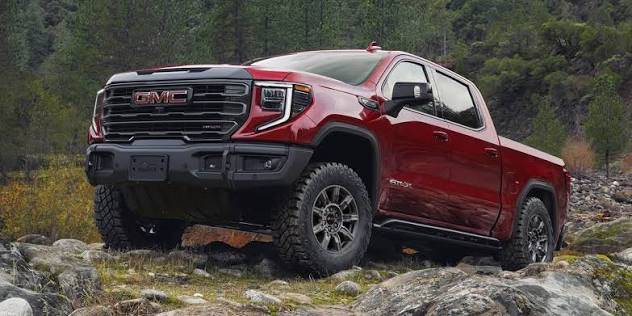
Common Symptoms of GMC Sierra Transmission Problems
Transmission issues rarely happen without warning. In most cases, your GMC Sierra will exhibit one or more symptoms before a major failure occurs. Recognizing these early warning signs can help you schedule repairs before minor issues escalate into costly transmission damage.
Hard Shifting
Hard shifting is one of the most frequently reported GMC Sierra transmission problems. Instead of transitioning smoothly between gears, the truck may jerk or produce a noticeable thump during acceleration or deceleration. Drivers often notice this issue when shifting from first to second gear or while downshifting at lower speeds.
Hard shifting can result from worn clutch packs, malfunctioning shift solenoids, contaminated transmission fluid, or outdated transmission control module software. Ignoring this symptom places additional stress on internal components and may shorten the transmission’s service life.
Delayed Gear Engagement
Another common symptom is delayed engagement when shifting into Drive or Reverse. Instead of responding immediately, the transmission may hesitate for several seconds before the vehicle begins moving.
This delay usually indicates insufficient hydraulic pressure inside the transmission. Low fluid levels, a worn valve body, leaking seals, or internal clutch wear are common causes. While the delay may seem minor initially, it often becomes more noticeable as internal components continue to deteriorate.
Transmission Slipping
Transmission slipping occurs when the engine speed increases without a corresponding increase in vehicle speed. You may notice the tachometer climbing rapidly while acceleration feels sluggish or inconsistent.
Slipping commonly happens because the transmission cannot maintain sufficient friction between its clutch packs. Worn friction materials, low transmission fluid, damaged bands, or internal pressure loss are often responsible. Continued driving under these conditions generates excessive heat that accelerates wear and increases the likelihood of complete transmission failure.
Shuddering or Vibration
Many GMC Sierra owners describe a noticeable vibration while accelerating steadily or maintaining highway speeds. The sensation often feels similar to driving over rumble strips even though the road surface is smooth.
Transmission shudder is frequently associated with torque converter lockup problems, degraded transmission fluid, or excessive heat. In some cases, software calibration updates may reduce the symptom, while more severe cases require replacement of the torque converter or additional internal repairs.
Unusual Noises
Grinding, whining, humming, or clunking noises should never be ignored. These sounds often become more noticeable during gear changes or while accelerating under load.
A whining sound may indicate a failing transmission pump, while grinding noises often suggest worn bearings or damaged internal gears. Clunking during shifts may point to excessive internal wear, damaged mounts, or driveline components that require further inspection.
Burning Smell
A burning odor coming from underneath the vehicle usually indicates overheating transmission fluid. Healthy automatic transmission fluid helps lubricate moving components while carrying heat away from internal parts. As the fluid degrades, its ability to cool and lubricate decreases significantly.
Persistent overheating can damage seals, clutch packs, and valve body components, ultimately leading to expensive repairs if the underlying cause is not addressed.
Transmission Fluid Leaks
Transmission fluid leaks are another warning sign that should never be overlooked. Fresh transmission fluid is typically bright red or pink, while older fluid may appear dark brown with a burnt smell.
Leaks often develop around transmission pan gaskets, cooler lines, axle seals, or input and output shaft seals. Even a slow leak can gradually lower fluid levels enough to reduce hydraulic pressure and accelerate internal wear.
Check Engine Light
Although the Check Engine Light can illuminate for many reasons, transmission-related fault codes are among the most common causes. Modern GMC Sierra models continuously monitor transmission performance through multiple sensors.
When abnormal shifting patterns, pressure irregularities, or solenoid failures are detected, the transmission control module stores diagnostic trouble codes that can be retrieved using an OBD-II scanner. Prompt diagnosis helps identify problems before additional damage occurs.
Limp Mode
If the transmission detects a serious malfunction, the vehicle may enter Limp Mode to protect itself from further damage. In this condition, the truck limits engine power and may remain locked in a single gear, making acceleration slow and highway driving difficult.
While Limp Mode allows drivers to move the vehicle to a repair facility, it should never be considered a long-term solution. Immediate diagnosis is recommended to prevent more extensive transmission damage.
Understanding these symptoms is only the first step. Each warning sign usually points to a specific mechanical or electronic fault inside the transmission. In the next section, we will examine the most common GMC Sierra transmission problems in detail, including their causes, repair options, and the transmission systems most commonly affected.
Most Common GMC Sierra Transmission Problems
Although transmission designs have improved over the years, several issues continue to affect different GMC Sierra model years. Some problems develop gradually through normal wear, while others are linked to specific transmission designs or manufacturing defects. Understanding these failures helps owners identify problems early and choose the most effective repair strategy.
1. Hard Shifting
Hard shifting is among the most frequently reported complaints from GMC Sierra owners. Instead of seamless gear changes, the transmission may shift aggressively, producing noticeable jolts that reduce driving comfort.
This problem often appears during cold starts but can eventually occur even after the transmission reaches normal operating temperature. In many cases, drivers report harsh shifts between first and second gear or while downshifting as the vehicle slows.
Several factors can contribute to hard shifting, including worn shift solenoids, contaminated transmission fluid, valve body wear, outdated transmission software, or excessive clutch wear. Heavy towing and infrequent maintenance may accelerate these conditions.
Repair solutions vary depending on the underlying cause. A transmission fluid service or software update may resolve minor issues, while damaged solenoids or valve body components may require replacement. If internal clutch damage has already occurred, a transmission rebuild may become necessary.
2. Delayed Gear Engagement
Delayed engagement occurs when the transmission hesitates before moving after selecting Drive or Reverse. Instead of responding immediately, several seconds may pass before power reaches the wheels.
The delay usually becomes more noticeable after the vehicle has been parked overnight or during cold weather. As wear increases, the hesitation may occur every time the transmission changes direction.
Low hydraulic pressure remains one of the primary causes. Worn seals, leaking valve body passages, low transmission fluid, clogged filters, and deteriorated clutch packs can all reduce the pressure required for proper gear engagement.
Early diagnosis often limits repair costs because replacing worn seals or servicing the valve body is generally less expensive than repairing severe internal damage caused by prolonged slipping.
3. Transmission Slipping
Transmission slipping is a serious issue that directly affects both performance and safety. Drivers may notice the engine revving higher than normal while the vehicle accelerates slowly or unexpectedly loses power under load.
Slipping commonly occurs because worn clutch packs fail to maintain sufficient friction between rotating components. Low fluid levels, overheating, damaged bands, and pressure loss inside the hydraulic system may also contribute.
As slipping continues, internal temperatures rise rapidly, accelerating wear on friction materials and increasing the likelihood of complete transmission failure. Continuing to tow heavy loads under these conditions can significantly worsen the damage.
Owners experiencing transmission slipping should avoid aggressive driving and schedule a professional inspection as soon as possible.
4. Torque Converter Failure
The torque converter transfers engine power to the transmission while allowing smooth acceleration from a complete stop. When it begins to fail, drivers may notice shuddering during light acceleration, vibration at highway speeds, poor fuel economy, or delayed acceleration.
A failing torque converter clutch often produces symptoms that resemble driving across rough pavement. Heat buildup and contaminated transmission fluid frequently accelerate converter wear.
Minor converter issues may sometimes improve after replacing degraded transmission fluid, but worn internal bearings or damaged lockup clutches typically require complete torque converter replacement. Ignoring these symptoms may eventually contaminate the transmission with metal debris, creating additional repair costs.
5. Valve Body Problems
The valve body serves as the hydraulic control center of an automatic transmission. It directs transmission fluid through a network of passages and valves, ensuring that each gear change occurs at the correct time and under the proper pressure. When the valve body begins to fail, even a healthy transmission can exhibit serious shifting issues.
One of the most common symptoms of a faulty valve body is inconsistent or erratic shifting. Drivers may notice sudden gear changes, delayed upshifts, harsh downshifts, or unexpected gear hunting while maintaining a constant speed. In some cases, the transmission may become stuck in a single gear or enter Limp Mode to protect itself from further damage.
Valve body problems often develop due to worn valves, damaged separator plates, contaminated transmission fluid, or malfunctioning pressure control solenoids. Over time, microscopic metal particles generated by normal transmission wear can circulate through the hydraulic system and accelerate internal valve wear. Excessive heat also contributes to premature deterioration by reducing the lubricating properties of the transmission fluid.
Diagnosing a valve body problem usually requires a professional inspection using advanced diagnostic equipment. Mechanics may perform hydraulic pressure tests, scan for diagnostic trouble codes, and inspect transmission fluid for signs of contamination. Depending on the severity of the damage, repairs may involve replacing individual solenoids, rebuilding the valve body, or installing a completely new assembly.
Addressing valve body issues early often prevents unnecessary wear on clutch packs and other internal transmission components, reducing the likelihood of a much more expensive overhaul later.
6. Transmission Fluid Leaks
Transmission fluid is essential for lubrication, cooling, and hydraulic pressure. Even a relatively small leak can eventually create significant transmission problems if fluid levels are allowed to drop below the manufacturer’s recommended specifications.
Fresh automatic transmission fluid is typically bright red or pink. As it ages, it gradually darkens and may develop a burnt odor. If you notice reddish fluid collecting beneath your GMC Sierra after parking, a transmission leak should be investigated as soon as possible.
Common leak locations include the transmission pan gasket, cooler lines, axle seals, front pump seal, rear output shaft seal, and transmission cooler connections. Damage from road debris, aging rubber seals, corrosion, or improper installation during previous repairs can all contribute to fluid loss.
Driving with insufficient transmission fluid reduces hydraulic pressure and increases friction between moving components. Without adequate lubrication, clutch packs, bearings, gears, and internal seals experience accelerated wear. Excessive heat generated by low fluid levels can further damage sensitive transmission components and significantly shorten the transmission’s lifespan.
Fortunately, many transmission leaks are relatively inexpensive to repair when detected early. Replacing a leaking gasket or damaged cooler line costs considerably less than rebuilding a transmission that has suffered extensive internal damage due to fluid starvation.
Vehicle owners should periodically inspect the area beneath their truck for fresh fluid spots and check transmission fluid levels according to the maintenance schedule outlined in the owner’s manual. Early detection remains one of the simplest and most effective ways to avoid major transmission repairs.
7. Complete Transmission Failure
Complete transmission failure represents the most severe outcome of prolonged transmission neglect or catastrophic internal damage. At this stage, the transmission can no longer transfer engine power effectively, leaving the vehicle unable to move or severely limiting its drivability.
Several warning signs typically appear before total failure occurs. Persistent transmission slipping, loud grinding noises, repeated overheating, delayed engagement, and severe hard shifting often indicate that critical internal components have reached the end of their service life. Unfortunately, many drivers continue operating the vehicle despite these symptoms, allowing relatively minor issues to develop into complete transmission failure.
Internal failures commonly involve burned clutch packs, damaged planetary gear sets, broken shafts, failed bearings, cracked valve bodies, or extensive metal contamination throughout the hydraulic system. In severe cases, internal debris circulates through the transmission, damaging nearly every moving component and making repairs substantially more expensive.
Once complete failure occurs, owners generally face two primary repair options: rebuilding the existing transmission or replacing it with a remanufactured or new unit. A transmission rebuild involves disassembling the transmission, replacing worn components, cleaning the internal passages, and reassembling the unit with new seals, bearings, clutch packs, and other critical parts. This option is often cost effective when the transmission housing remains in good condition.
A complete replacement may be recommended when internal damage is extensive or when rebuilding costs approach the price of a remanufactured transmission. While replacement typically requires a larger upfront investment, it may provide greater long term reliability, particularly when backed by a comprehensive warranty.
Preventing complete transmission failure begins with routine maintenance, timely fluid changes, prompt diagnosis of unusual symptoms, and avoiding excessive towing beyond the truck’s rated capacity. Addressing small transmission issues early remains the most effective strategy for extending the life of your GMC Sierra and avoiding one of the most expensive repairs any truck owner can face.
What Causes GMC Sierra Transmission Problems?
Understanding the root causes of transmission problems is just as important as recognizing the symptoms. While certain GMC Sierra model years have experienced known transmission issues, many failures are preventable through proper maintenance and responsible driving habits. Most transmission problems result from a combination of wear, heat, fluid contamination, and mechanical or electronic failures rather than a single defective component.
Poor Maintenance
Neglecting routine maintenance is one of the leading causes of transmission failure. Automatic transmission fluid gradually loses its ability to lubricate, cool, and protect internal components. As the fluid deteriorates, friction increases and harmful deposits begin to accumulate inside the transmission.
Ignoring the manufacturer’s recommended service intervals allows excessive wear to develop over time. Regular fluid changes and filter replacements help maintain proper hydraulic pressure and significantly reduce the risk of premature transmission damage.
Low Transmission Fluid
Automatic transmissions rely on hydraulic pressure to engage gears smoothly. When fluid levels drop below the required level, internal pressure decreases, causing delayed engagement, slipping, overheating, and harsh shifting.
Low fluid levels often result from external leaks, neglected maintenance, or improper servicing. Even a minor leak can eventually create major transmission problems if it remains unnoticed for an extended period.
Contaminated Transmission Fluid
Transmission fluid naturally collects microscopic particles from normal clutch and gear wear. Over time, these contaminants circulate through the hydraulic system and begin damaging valves, solenoids, seals, and bearings.
Contaminated fluid also loses its cooling efficiency, allowing operating temperatures to rise. Excessive heat accelerates fluid breakdown and creates a cycle of increasing wear that can eventually lead to major transmission failure.
Overheating
Heat is one of the greatest enemies of any automatic transmission. High operating temperatures rapidly degrade transmission fluid, reducing its ability to lubricate moving parts and dissipate heat.
Heavy towing, steep mountain driving, stop and go traffic, and insufficient cooling can all contribute to overheating. Once transmission temperatures remain elevated for prolonged periods, clutch materials begin to deteriorate, seals harden, and internal components wear much more quickly than intended.
Heavy Towing and Excessive Loads
The GMC Sierra is engineered to handle demanding towing and hauling tasks, but consistently operating near or beyond its maximum towing capacity can place tremendous stress on the transmission. Every time the truck pulls a heavy trailer, the transmission generates additional heat while working harder to transfer power efficiently.
Repeated towing without adequate cooling can accelerate the breakdown of transmission fluid, causing it to lose its lubricating and cooling properties. Once fluid temperatures become excessively high, clutch packs begin to wear faster, seals become brittle, and internal components experience increased friction.
Owners who frequently tow campers, boats, construction equipment, or livestock trailers should consider installing an auxiliary transmission cooler if their truck is not already equipped with one. Combining proper cooling with regular transmission fluid service can significantly reduce the long term effects of heavy towing.
Software Calibration Issues
Modern GMC Sierra trucks rely on sophisticated electronic control systems to manage gear changes. The Transmission Control Module continuously monitors throttle position, engine load, vehicle speed, and numerous other inputs to determine the optimal shift timing.
Occasionally, transmission problems are caused not by mechanical failures but by outdated software calibration. Some owners have reported harsh shifting, delayed gear engagement, gear hunting, or transmission shudder that improved after receiving updated transmission software from a GM dealership.
Because manufacturers periodically release software updates to improve transmission performance, owners experiencing unusual shifting behavior should verify whether updated calibration files are available before authorizing major mechanical repairs.
Worn Clutch Packs
Inside every automatic transmission are multiple clutch packs responsible for engaging and disengaging different gear ratios. These friction materials wear gradually through normal operation, especially in vehicles that experience frequent towing, stop and go traffic, or aggressive acceleration.
As clutch packs wear, they lose their ability to hold gears securely. Drivers may notice transmission slipping, delayed acceleration, hard shifting, or engine RPM increasing without corresponding vehicle speed.
If excessive clutch wear is ignored, friction material can contaminate the transmission fluid and damage other internal components, eventually requiring a complete transmission rebuild.
Shift Solenoid Failure
Shift solenoids are electronically controlled valves that regulate hydraulic fluid flow throughout the transmission. They play a critical role in determining when and how the transmission changes gears.
A failing shift solenoid may cause delayed shifts, harsh gear changes, incorrect gear selection, or the inability to shift into higher gears. In some cases, the Check Engine Light will illuminate and store diagnostic trouble codes related to transmission performance.
Fortunately, replacing a faulty solenoid is often far less expensive than repairing widespread internal transmission damage, making early diagnosis particularly valuable.
Torque Converter Wear
The torque converter serves as the connection between the engine and the transmission, allowing smooth power transfer while the vehicle accelerates from a stop.
Over time, the internal lockup clutch, bearings, and turbine components can wear due to age, heat, and contaminated transmission fluid. A worn torque converter often produces shuddering, vibration during highway cruising, reduced fuel economy, delayed acceleration, and increased transmission temperatures.
If ignored, a failing torque converter may release metal debris into the transmission fluid, contaminating the entire hydraulic system and increasing repair costs substantially.
Manufacturing Defects
While routine wear accounts for many transmission problems, certain GMC Sierra model years have experienced known design or manufacturing issues affecting specific transmission models. Some vehicles have been associated with valve body defects, torque converter failures, software calibration problems, or premature wear of internal components.
Manufacturers may address these concerns through Technical Service Bulletins, software updates, warranty extensions, or safety recalls. Owners experiencing recurring transmission problems should verify whether their vehicle qualifies for any applicable manufacturer repairs before paying for major transmission work.
In many cases, dealership technicians can determine whether a specific transmission issue is covered under an existing service program, potentially saving owners thousands of dollars in repair expenses.
GMC Sierra Model Years with More Reported Transmission Issues
Not every GMC Sierra experiences transmission problems, and many trucks provide years of reliable service when properly maintained. However, owner complaints, repair records, and industry reports indicate that certain model years have generated more transmission related concerns than others. Understanding these trends can help current owners monitor potential issues and assist used truck buyers in making informed purchasing decisions.
2014 to 2015 GMC Sierra
The 2014 model year introduced a redesigned GMC Sierra featuring updated styling, improved technology, and new drivetrain options. Although the truck received positive reviews overall, many owners reported transmission related concerns as mileage increased.
Common complaints included harsh shifting, delayed engagement, transmission shudder, and hesitation during acceleration. Some trucks equipped with the six speed automatic transmission experienced premature wear of internal clutch components, while others developed valve body or torque converter problems.
Routine transmission fluid service and prompt attention to shifting irregularities often helped reduce long term damage, but severe cases occasionally required transmission rebuilds or replacements.
2016 to 2018 GMC Sierra
The 2016 through 2018 model years continued to receive updates designed to improve performance and efficiency. During this period, both six speed and eight speed automatic transmissions were available depending on engine configuration.
While many owners enjoyed reliable operation, others reported transmission shudder, rough shifting, hesitation, and inconsistent gear changes. Some vehicles exhibited vibrations during highway driving that were later traced to torque converter lockup characteristics or degraded transmission fluid.
Software updates released by General Motors addressed certain drivability concerns, while other vehicles required replacement of the torque converter or valve body components. Early diagnosis remained critical because prolonged operation with transmission shudder could accelerate internal wear.
2019 to 2021 GMC Sierra
The latest generation GMC Sierra introduced additional drivetrain improvements, including the advanced ten speed automatic transmission on selected models. Although overall performance improved, some owners continued reporting transmission related issues.
Common complaints included hard shifting, occasional hesitation during acceleration, delayed downshifts, and intermittent transmission shudder. In many situations, software recalibration successfully improved shift quality, although some trucks required further mechanical repairs.
Overall reliability generally improved compared to earlier generations, but routine maintenance remained essential for maximizing transmission life.
2022 and Newer Models
Newer GMC Sierra models benefit from continuous engineering refinements, improved transmission control software, and updated manufacturing processes. Reports of widespread transmission failures have become less common, although isolated mechanical problems can still occur with any complex drivetrain.
Owners should continue following the recommended maintenance schedule, monitor transmission performance regularly, and address unusual symptoms promptly. Even the most advanced transmission can experience premature wear if fluid maintenance is neglected or the truck is consistently operated under extreme conditions without proper cooling.
Prospective buyers of used GMC Sierra trucks should always review maintenance records, perform a thorough road test, and inspect transmission operation before making a purchase. A truck with documented service history and smooth shifting is generally a safer investment than one with uncertain maintenance records or noticeable drivability issues.
How Much Does It Cost to Fix GMC Sierra Transmission Problems?
The cost of repairing a GMC Sierra transmission can vary significantly depending on the specific problem, the transmission type, the model year, and whether the repair involves replacing individual components or rebuilding the entire transmission. Minor maintenance services are relatively affordable, while extensive internal damage can result in repair bills reaching several thousand dollars.
The table below provides typical repair cost estimates for the most common transmission services.
| Repair Type | Estimated Cost (USD) |
|---|---|
| Transmission fluid change | $180 to $350 |
| Transmission filter replacement | $250 to $450 |
| Shift solenoid replacement | $250 to $700 |
| Valve body repair or replacement | $600 to $1,500 |
| Transmission cooler line repair | $150 to $500 |
| Transmission pan gasket replacement | $200 to $500 |
| Torque converter replacement | $900 to $2,000 |
| Transmission rebuild | $2,500 to $4,500 |
| Complete transmission replacement | $4,000 to $8,000+ |
These estimates include both parts and labor and may vary depending on your location, dealership labor rates, and the transmission installed in your GMC Sierra.
Factors That Affect Repair Costs
Several variables influence the final repair bill.
Model Year
Newer GMC Sierra models often feature more advanced transmissions with additional electronic components. While these systems provide smoother performance, they may also increase diagnostic complexity and replacement costs.
Transmission Type
Repair costs differ considerably between the six speed, eight speed, and ten speed automatic transmissions. Later generation transmissions contain more sophisticated hydraulic and electronic control systems that may require specialized diagnostic equipment and technician expertise.
Extent of Internal Damage
Replacing a leaking gasket or faulty shift solenoid is significantly less expensive than repairing burned clutch packs or damaged planetary gear sets. Continuing to drive with transmission problems often transforms relatively inexpensive repairs into complete transmission rebuilds.
Labor Rates
Labor charges vary widely between dealerships and independent repair facilities. Metropolitan areas typically have higher labor rates than smaller communities, making the same repair considerably more expensive depending on location.
OEM vs Aftermarket Parts
Original Equipment Manufacturer components generally provide the best compatibility and reliability but often cost more than aftermarket alternatives. High quality aftermarket parts can reduce repair expenses, although their durability varies by manufacturer.
Warranty Coverage
Some repairs may be covered under the factory warranty, extended warranty plans, or manufacturer service campaigns. Before authorizing major transmission work, owners should verify whether their vehicle qualifies for any warranty coverage or Technical Service Bulletins that could reduce out of pocket expenses.
Although transmission repairs can be expensive, addressing small problems early is almost always more economical than waiting for catastrophic failure. Regular inspections and timely maintenance remain the most effective ways to control long term ownership costs.
How to Prevent GMC Sierra Transmission Problems
While no transmission lasts forever, proper maintenance can dramatically increase its lifespan and reduce the likelihood of expensive repairs. Many of the most common GMC Sierra transmission problems develop gradually, giving owners an opportunity to intervene before serious damage occurs.
Check Transmission Fluid Regularly
Transmission fluid serves three critical functions. It lubricates internal components, transfers hydraulic pressure, and removes excess heat from the transmission. Low or contaminated fluid reduces efficiency and accelerates wear.
Inspect the fluid according to the manufacturer’s maintenance recommendations. Healthy transmission fluid should appear clean and bright red. Dark, burnt smelling, or contaminated fluid indicates that service may be necessary.
Follow the Recommended Service Schedule
Routine maintenance is one of the simplest ways to maximize transmission longevity. Replacing transmission fluid and filters at the recommended intervals helps remove contaminants before they damage internal components.
Drivers who regularly tow heavy trailers, operate in mountainous terrain, or drive in severe conditions may benefit from more frequent transmission service than the standard maintenance schedule recommends.
Avoid Excessive Heat
Heat remains one of the leading causes of premature transmission failure. High temperatures accelerate fluid degradation, harden rubber seals, and shorten the lifespan of clutch materials.
When towing heavy loads, use Tow/Haul Mode if your GMC Sierra is equipped with this feature. It optimizes shift timing, reduces unnecessary gear changes, and helps control transmission temperatures during demanding driving conditions.
Install an Auxiliary Transmission Cooler
Owners who frequently tow boats, campers, horse trailers, or heavy equipment should consider installing an auxiliary transmission cooler. Additional cooling capacity helps maintain stable fluid temperatures during prolonged periods of heavy workload.
Keeping transmission temperatures under control reduces fluid breakdown and helps extend the life of internal transmission components.
Update Transmission Software
Modern automatic transmissions depend heavily on electronic programming. Manufacturers occasionally release updated software that improves shift quality, eliminates hesitation, and addresses drivability concerns identified after production.
If you notice unusual shifting behavior, ask your dealership whether updated transmission calibration is available for your specific GMC Sierra model.
Address Problems Early
Small transmission problems rarely resolve themselves. Minor symptoms such as delayed engagement, occasional hard shifting, or slight vibration often become progressively worse if ignored.
Scheduling a professional inspection at the first sign of trouble can prevent relatively inexpensive repairs from becoming complete transmission rebuilds.
Use the Correct Transmission Fluid
Always use the transmission fluid specified by General Motors for your particular GMC Sierra model and transmission. Different transmission designs require fluids with unique friction characteristics and performance specifications.
Using the wrong fluid may reduce shift quality, increase wear, and even void warranty coverage in certain situations.
Drive Responsibly
Aggressive acceleration, repeated high speed launches, and exceeding the truck’s towing capacity place unnecessary stress on the transmission.
Smooth acceleration, gradual braking, and respecting the vehicle’s load limits reduce internal wear and help preserve long term transmission reliability.
With consistent maintenance and responsible driving habits, many GMC Sierra transmissions can provide well over 150,000 to 200,000 miles of dependable service before requiring major repairs.
Frequently Asked Questions
What is the most common GMC Sierra transmission problem?
Hard shifting is one of the most commonly reported transmission issues among GMC Sierra owners. Other frequently reported problems include transmission slipping, delayed gear engagement, torque converter shudder, and rough downshifting. The exact issue depends on the model year, transmission type, maintenance history, and driving conditions.
Which GMC Sierra model years experience the most transmission complaints?
Based on owner reports and industry discussions, the 2014 through 2018 GMC Sierra models tend to receive the highest number of transmission related complaints. Common concerns include harsh shifting, torque converter shudder, valve body issues, and premature clutch wear. However, proper maintenance significantly reduces the likelihood of serious transmission failure regardless of model year.
Can a slipping transmission be repaired?
Yes. In some cases, transmission slipping can be corrected by replacing worn transmission fluid, repairing leaks, updating transmission software, or replacing faulty solenoids. If internal clutch packs or gears have sustained significant damage, a rebuild or complete replacement may be required.
How long does a GMC Sierra transmission typically last?
With proper maintenance, many GMC Sierra transmissions remain reliable for 150,000 to 200,000 miles or more. Trucks used primarily for highway driving and serviced according to the manufacturer’s recommendations often exceed these mileage expectations. Frequent towing, neglected maintenance, and overheating can substantially shorten transmission life.
Is it worth repairing a failing transmission?
The answer depends on the truck’s age, mileage, overall condition, and repair cost. If the vehicle is otherwise in good mechanical condition, rebuilding or replacing the transmission may be a worthwhile investment. However, owners should compare repair costs with the truck’s current market value before making a final decision.
How often should transmission fluid be changed?
Service intervals vary by model year, transmission type, and driving conditions. Under normal use, many GMC Sierra models can travel tens of thousands of miles before requiring transmission fluid replacement. Trucks used for towing, commercial work, or severe duty often benefit from more frequent service. Always follow the maintenance schedule provided by General Motors for your specific vehicle.
Conclusion
Transmission problems are among the most expensive repairs a truck owner can face, but they rarely happen without warning. Symptoms such as hard shifting, delayed gear engagement, transmission slipping, unusual vibrations, fluid leaks, or warning lights often appear long before complete transmission failure occurs. Recognizing these signs early and taking prompt action can prevent minor issues from developing into major mechanical failures that require costly rebuilds or full transmission replacement.
While certain GMC Sierra model years have experienced more transmission-related complaints than others, regular maintenance remains the single most effective way to maximize transmission reliability. Following the recommended service schedule, using the correct transmission fluid, monitoring fluid levels, updating transmission software when available, and avoiding excessive heat from heavy towing can significantly extend the lifespan of your transmission.
If you are shopping for a used GMC Sierra, do not focus solely on mileage or appearance. A thorough inspection, a complete maintenance history, and a smooth road test are equally important indicators of the truck’s long-term reliability. Investing a little extra time before purchasing can help you avoid unexpected repair bills in the future.
Ultimately, understanding the most common GMC Sierra transmission problems, their causes, and the available repair options allows you to make informed maintenance decisions and protect one of the most important components of your truck. Whether you own a newer model equipped with a 10-speed automatic transmission or an older Sierra with a 6-speed gearbox, proactive maintenance and early diagnosis will always cost less than waiting for a complete transmission failure.
Have you experienced transmission problems with your GMC Sierra? Share your model year, mileage, symptoms, and repair experience in the comments below. Your firsthand insights may help other owners diagnose similar issues and make better repair decisions.