A vehicle suddenly stalling in the middle of traffic is every driver’s worst nightmare. Unfortunately, this is the exact safety concern behind the GMC Fuel Pump Control Module Recall, which has affected thousands of GMC owners across multiple vehicle models. When the fuel pump control module fails, the engine may lose power without warning, significantly increasing the risk of a crash, especially at highway speeds or in heavy traffic.
If you’ve recently received a recall notice or heard about the issue online, you probably have several important questions. Is your GMC included in the recall? What exactly does the fuel pump control module do? Is it safe to continue driving your vehicle? Most importantly, will the repair cost you anything?
This comprehensive guide answers all of those questions and more. We’ll explain why General Motors issued the recall, identify the affected GMC models, discuss the most common symptoms of a failing fuel pump control module, and walk you through the process of checking your Vehicle Identification Number (VIN). You’ll also learn what happens during the recall repair, how long the service typically takes, and what to expect when visiting your local GMC dealership.
Whether you own a GMC Sierra, Yukon, Canyon, Acadia, or another GMC model, understanding the GMC Fuel Pump Control Module Recall can help you protect your vehicle, your passengers, and your peace of mind. By staying informed and addressing the recall promptly, you can minimize safety risks and ensure your GMC continues to perform reliably for years to come.
What Is the GMC Fuel Pump Control Module Recall?
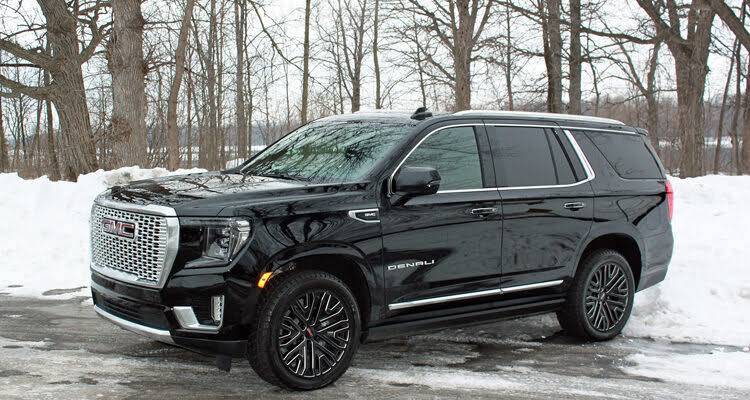
The GMC Fuel Pump Control Module Recall refers primarily to a safety campaign issued by General Motors for certain 2021 GMC Yukon and GMC Yukon XL vehicles. The campaign was registered with the National Highway Traffic Safety Administration as Recall 21V-739 and identified internally by General Motors as recall number N212332040.
At the center of the recall is a small but critical electronic component called the fuel pump power control module. This module helps manage the electrical power supplied to the fuel pump. The fuel pump then transfers gasoline from the fuel tank to the engine at the pressure and volume required for proper combustion.
Under normal operating conditions, the module works with the vehicle’s electronic control systems to maintain reliable fuel delivery. The driver usually never notices it working. However, when the module develops an internal fault, it may cause the fuel pump to operate intermittently or stop operating completely.
That interruption can prevent the engine from receiving enough fuel. The vehicle may begin running roughly, lose power, enter reduced power mode, or stall unexpectedly. In some cases, the engine may not restart after it shuts down.
This issue is especially concerning because a Yukon can appear to operate normally before the failure occurs. A driver may not receive enough warning to move safely out of traffic. According to GM’s recall documentation, possible warnings include a check engine light, an OnStar diagnostic notification, rough engine operation, and reduced power mode. However, these warnings are not guaranteed to appear before a stall.
The recall does not mean that every 2021 GMC Yukon or Yukon XL has a defective module. GM used production records and component tracking information to identify vehicles that received modules manufactured during a specific suspect production period. Vehicles built with modules outside that period were not included.
For this reason, owners should not rely only on the model year or vehicle name. Two visually identical 2021 Yukon models may have different recall statuses. The safest approach is to check the complete 17 character Vehicle Identification Number through an official GM or NHTSA recall lookup tool.
It is also important not to confuse this campaign with the separate 2023 fuel pump recall involving certain 2022 GMC Terrain vehicles. That campaign, NHTSA Recall 23V-013, concerns the in tank fuel pump module rather than the fuel pump power control module used in the Yukon recall.
Understanding this distinction can help owners find accurate repair information and avoid ordering the wrong component. For Yukon and Yukon XL owners, the relevant campaign is usually 21V-739. For Terrain owners, a different recall number and repair procedure may apply.
Why Was the GMC Fuel Pump Control Module Recall Issued?
General Motors issued the recall after determining that some fuel pump power control modules contained a supplier manufacturing defect. The defect could cause the fuel pump to fail completely or operate only intermittently, cutting off the flow of fuel to the engine.
GM began investigating the problem in July 2021 after reviewing warranty data from full size SUVs. The company discovered that certain production periods had a higher than expected number of fuel pump control module replacements. Returned components were then examined to determine why the failures were occurring.
The investigation traced the problem to a manufacturing issue involving modules supplied by Vitesco Technologies. GM reported that the supplier corrected the manufacturing condition for components produced after June 23, 2020. However, some vehicles had already been assembled with modules made during the suspect production window.
The safety concern was not simply that a vehicle might be difficult to start. A defective module could interrupt fuel delivery while the vehicle was already moving. Without adequate fuel, the engine could stall suddenly.
An unexpected stall at low speed is inconvenient and potentially dangerous. At highway speed, while towing, when crossing an intersection, or when merging into traffic, the consequences can be much more serious. The driver may lose the ability to accelerate and may have only a limited amount of time to guide the vehicle to a safe location.
GM’s defect report stated that the company reviewed 617 potentially relevant complaints received between April 15, 2020, and August 24, 2021. Of those complaints, 229 described a stall while the vehicle was stationary or moving. At the time of the filing, GM reported that it had not identified any crashes or injuries associated with the condition.
Owners may notice several symptoms before a complete failure occurs. These can include:
- A check engine light
- An OnStar diagnostic alert
- Rough or unstable engine operation
- Reduced engine power
- Hesitation during acceleration
- Intermittent starting problems
- An engine that cranks but does not start
- Sudden stalling while driving
These symptoms may come and go because the module can operate intermittently. A vehicle might restart normally after stalling, leading the owner to assume the issue has disappeared. That can create a false sense of security.
A temporary return to normal operation does not mean the component is reliable. Electrical and internal manufacturing faults can reappear without warning. Continuing to drive a vehicle with an open recall may expose the owner to another stall in a more dangerous location.
GM’s official remedy is to replace the fuel pump power control module with a component manufactured outside the suspect production period. The repair does not require replacing the entire fuel tank or the mechanical fuel pump unless a separate diagnosis identifies another problem.
According to the dealer bulletin, the actual service procedure involved disconnecting the battery, replacing the control module, reconnecting the battery, and confirming proper operation. The listed labor time was approximately 0.4 hours, while the customer notification estimated an actual correction time of about 30 minutes. A dealership may need to keep the vehicle longer because of scheduling, inspection, paperwork, or parts availability.
Which GMC Models Are Affected?
The GMC portion of NHTSA Recall 21V-739 applies to certain 2021 GMC Yukon and 2021 GMC Yukon XL vehicles. It does not automatically include every Yukon built or sold during that model year.
| GMC model | Model year | Vehicles identified in GM filing | Reported production period |
|---|---|---|---|
| GMC Yukon | 2021 | 3,406 | December 3, 2019 to March 6, 2021 |
| GMC Yukon XL | 2021 | 389 | January 6, 2020 to March 1, 2021 |
GM reported a total of 14,939 potentially affected vehicles across all brands included in the campaign. In addition to the GMC Yukon and Yukon XL, the recall covered certain 2021 Cadillac Escalade, Cadillac Escalade ESV, Chevrolet Tahoe, and Chevrolet Suburban vehicles.
The production dates shown in the table describe the broad manufacturing range identified in the recall report. They should not be treated as a final confirmation that a specific vehicle is included.
GM used manufacturing records and component trace data to identify vehicles fitted with suspect fuel pump power control modules. A Yukon built within the listed date range may not be affected if it received a module produced outside the suspect window. Similarly, a replacement part installed during previous service could affect whether the recall applies.
Trim level is not a reliable way to determine eligibility. A Yukon Denali, AT4, SLT, or other configuration may be included or excluded depending on its VIN and original component information. Engine choice, exterior appearance, mileage, and ownership history also do not provide a definitive answer.
Owners should locate the 17 character VIN and enter it into an official recall lookup system. The VIN can usually be found:
- On the lower corner of the windshield on the driver’s side
- On the label inside the driver’s door opening
- On the vehicle registration
- On the insurance card
- In the GMC mobile application or owner account
A VIN search is particularly important when purchasing a used Yukon. A previous owner may have ignored the recall notice, changed addresses, or sold the vehicle before completing the repair. Recall eligibility generally follows the vehicle rather than the original owner.
Owners should also understand that the presence of symptoms does not prove that the vehicle is included in this recall. Rough running, stalling, and starting problems can be caused by many issues, including a weak battery, damaged wiring, a failing fuel pump, contaminated fuel, ignition problems, or another control module fault.
Likewise, the absence of symptoms does not mean the recall can be ignored. A defective fuel pump control module may fail suddenly after a long period of normal operation.
If the VIN shows an open campaign under GM Recall N212332040 or NHTSA Recall 21V-739, the owner should contact an authorized GM dealership and schedule the repair. The official owner notice states that the fuel pump power control module replacement is performed at no charge.
Owners of a 2022 GMC Terrain should search for NHTSA Recall 23V-013 or GM Recall N222372310 instead. That separate campaign addresses inadequate fuel flow from the fuel pump module and uses a different repair procedure.
Common Symptoms of a Failing Fuel Pump Control Module
A failing fuel pump control module rarely stops working without warning. In many cases, the component begins to fail intermittently, producing symptoms that may appear only occasionally before developing into a complete failure. Because these symptoms can resemble other fuel system or electrical issues, many owners initially assume the problem is related to the battery, fuel pump, or ignition system.
One of the most common warning signs is an illuminated Check Engine Light. The vehicle’s onboard diagnostic system may detect communication or fuel delivery abnormalities and store diagnostic trouble codes. However, not every failed module will immediately trigger a warning light, so the absence of a Check Engine Light should not be considered proof that the module is functioning correctly.
Drivers may also notice that the engine becomes difficult to start. The starter motor may crank normally, but the engine takes longer than usual to fire, or it may fail to start altogether. This occurs because the fuel pump is not receiving consistent electrical power, preventing adequate fuel pressure from building inside the fuel system.
Another frequently reported symptom is intermittent engine hesitation during acceleration. While driving, the vehicle may briefly lose responsiveness, hesitate when pressing the accelerator, or feel as though it lacks power. These interruptions may last only a few seconds before normal performance returns, making the issue difficult to reproduce during routine inspections.
As the condition worsens, owners may experience rough engine operation, especially during idle or low-speed driving. The engine may shake, vibrate, or fluctuate in RPM because it is receiving inconsistent fuel pressure. Although rough idle can have several possible causes, it should never be ignored when combined with an open recall or other fuel system symptoms.
The most serious symptom is an unexpected engine stall. If the control module suddenly stops supplying power to the fuel pump, fuel delivery ceases almost immediately. Without fuel, the engine shuts down, causing the vehicle to lose propulsion. While steering and braking systems generally remain functional, they may require greater driver effort after the engine stalls, making the situation significantly more hazardous at highway speeds or in heavy traffic.
Some owners report that the vehicle restarts after sitting for several minutes. This temporary recovery can create the impression that the problem has resolved itself, but intermittent electrical failures often return without warning. Continuing to drive under these conditions increases the likelihood of another stall occurring in a less favorable location.
In addition to the symptoms above, drivers may encounter reduced engine power mode, inconsistent acceleration, poor throttle response, or occasional warning messages displayed in the instrument cluster. Some vehicles equipped with OnStar may also generate remote diagnostic alerts indicating a potential powertrain issue before a complete failure occurs.
Because these symptoms overlap with many other mechanical problems, professional diagnosis is essential. A certified GMC technician can determine whether the fuel pump control module is responsible or whether another component within the fuel delivery system requires attention.
If your vehicle exhibits any of these warning signs and has an outstanding GMC Fuel Pump Control Module Recall, schedule the recall repair as soon as possible. Addressing the issue early can reduce the risk of unexpected engine failure and improve overall driving safety.
Is It Safe to Drive a Vehicle Affected by the Recall?
Whether it is safe to continue driving depends on the condition of your vehicle and whether it has already begun showing symptoms. Even if your GMC appears to operate normally, an open fuel pump control module recall should be taken seriously because the underlying defect can develop without significant warning.
If your vehicle has not displayed any symptoms and you have confirmed that an official recall is open, you should arrange the repair as soon as your schedule allows. Until the repair is completed, it is advisable to minimize unnecessary travel, particularly long highway trips or situations where an unexpected loss of engine power could place you or other road users at greater risk.
If you have already experienced hard starting, hesitation, rough engine operation, reduced power, or intermittent stalling, continued operation is not recommended. These symptoms may indicate that the control module is beginning to fail. A temporary return to normal performance does not guarantee that the problem has been resolved.
An engine stall while driving presents several safety concerns. The vehicle immediately loses propulsion, making acceleration impossible. Merging onto highways, overtaking slower traffic, climbing steep grades, or crossing busy intersections can become significantly more dangerous if the engine shuts down unexpectedly.
Although steering and braking systems continue to function after an engine stall, drivers may notice increased steering effort and reduced brake assist. These changes require faster reactions and greater physical effort to maintain vehicle control, particularly at low speeds or during emergency maneuvers.
If your engine stalls while driving, remain calm and activate your hazard warning lights immediately. If traffic conditions allow, carefully steer the vehicle toward the shoulder or another safe location. Avoid making sudden steering inputs or braking aggressively unless necessary to prevent a collision. Once the vehicle is safely stopped, attempt to restart the engine only if conditions permit and it is safe to do so. Regardless of whether the engine restarts, the vehicle should be inspected by an authorized GMC dealer if it is covered by the recall.
Drivers who use their vehicles for towing trailers, transporting heavy loads, or traveling in remote areas should exercise additional caution. A sudden loss of engine power under these conditions can increase both safety risks and recovery costs.
The safest course of action is simple. Verify your VIN, determine whether the recall applies to your vehicle, and schedule the free repair without delay. Completing the recall not only restores confidence in your vehicle but also helps reduce the possibility of a potentially dangerous roadside incident.
How to Check If Your GMC Is Included in the Recall
The only reliable way to determine whether your vehicle is included in the GMC Fuel Pump Control Module Recall is by checking its unique 17 character Vehicle Identification Number, commonly known as the VIN. Model year, trim level, and production date alone cannot confirm recall eligibility because not every vehicle built during the same period received the affected component.
Start by locating your VIN. Most GMC owners can find it in one of several places. The easiest location is at the lower corner of the windshield on the driver’s side, where the number is visible from outside the vehicle. The VIN also appears on the certification label inside the driver’s door jamb, on your vehicle registration documents, your insurance paperwork, and within your GMC owner account if you have registered the vehicle online.
Once you have the VIN, visit the official General Motors recall website or the National Highway Traffic Safety Administration recall lookup page. Enter the complete VIN exactly as shown on the vehicle. Within seconds, the system will indicate whether your GMC has any open safety recalls.
If the recall appears in the search results, contact an authorized GMC dealership to schedule a repair appointment. Because recall repairs are performed according to manufacturer safety campaigns, owners are generally not charged for the replacement of the affected fuel pump power control module.
Before visiting the dealership, it is helpful to have your VIN, current mileage, and preferred appointment dates available. Some service departments may also ask whether the vehicle is currently experiencing symptoms such as engine stalling, hard starting, or reduced power. Providing accurate information allows technicians to prepare the necessary replacement parts before your arrival.
If your VIN search shows no open recalls but your vehicle continues to experience symptoms similar to those described in this guide, do not assume the problem is unrelated. Fuel delivery issues can result from several different components, including the fuel pump itself, wiring, electrical connectors, or engine management systems. A qualified technician should perform a complete diagnosis to identify the root cause.
Owners who purchase used vehicles should always perform a recall search immediately after taking ownership. Even if a previous owner never mentioned a recall, an open campaign remains associated with the vehicle until the required repair has been completed and recorded by the manufacturer.
Checking your VIN takes only a few minutes, but it is one of the most important steps you can take to ensure your GMC remains safe, reliable, and compliant with current manufacturer safety recommendations.
What Happens During the Recall Repair?
Once your GMC has been confirmed as part of the Fuel Pump Control Module Recall, the next step is scheduling an appointment with an authorized GMC dealership. Recall repairs are performed according to manufacturer-approved service procedures, ensuring that every affected vehicle receives the correct replacement component and inspection process.
When you arrive at the dealership, a service advisor will first verify your Vehicle Identification Number (VIN) and confirm that the recall is still open. The technician may also ask whether you have experienced any symptoms such as engine stalling, difficulty starting, hesitation during acceleration, or warning lights. While these details are not required to complete the recall, they can help technicians identify any additional issues that may require attention.
Before replacing any parts, the technician typically performs a visual inspection of the fuel pump power control module and its electrical connectors. This step helps ensure that there are no signs of unrelated damage, corrosion, loose wiring, or previous repairs that could affect the operation of the fuel system.
The defective fuel pump power control module is then removed and replaced with a newly manufactured component that meets General Motors’ updated specifications. The replacement module has been produced using corrected manufacturing processes designed to eliminate the defect identified during GM’s investigation.
After the new module has been installed, technicians reconnect the electrical system and perform a series of diagnostic checks. These tests confirm that the module communicates correctly with the vehicle’s electronic control systems and that the fuel pump is receiving stable electrical power. Any stored diagnostic trouble codes related to the recall are cleared, and the technician verifies that no new faults are present.
Depending on the dealership’s service procedures, a road test may also be completed to ensure proper engine performance and fuel delivery under normal driving conditions. During this test, technicians monitor vehicle operation to confirm that there are no signs of hesitation, reduced power, or abnormal engine behavior.
If your vehicle has additional mechanical problems unrelated to the recall, such as a worn fuel pump, damaged wiring harness, or battery issues, those repairs may be discussed separately. While the recall covers replacement of the defective fuel pump control module, it does not automatically include repairs for unrelated failures unless they are covered by another warranty or service campaign.
Once the repair has been completed successfully, the dealership updates General Motors’ service records to indicate that the recall has been closed. This information becomes part of the vehicle’s official service history and can be beneficial if you later decide to sell or trade in your GMC.
Owners should keep a copy of the repair invoice or recall completion documentation for future reference. Although no payment is typically required for the recall repair itself, maintaining accurate service records helps demonstrate that all manufacturer safety campaigns have been completed.
Completing the recall promptly not only improves vehicle reliability but also helps reduce the risk of unexpected engine stalling caused by a defective fuel pump power control module.
How Long Does the Recall Repair Take?
One of the most common questions owners ask is how much time they should expect to spend at the dealership. Fortunately, replacing the fuel pump power control module is considered a relatively straightforward repair compared with many other fuel system repairs.
According to General Motors’ official service information, the replacement procedure itself requires approximately 0.4 labor hours. In practical terms, the actual installation of the new module often takes around 30 minutes when the necessary replacement part is already available and no additional issues are discovered during the inspection.
However, the total amount of time your vehicle remains at the dealership may be longer. Several factors can influence the overall service experience, including dealership workload, appointment availability, technician scheduling, and parts inventory.
If replacement modules are already in stock, many dealerships can complete the repair during a single service visit. Some owners may even choose to wait at the dealership while the work is performed. During periods of high recall demand, however, appointments may need to be scheduled several days or even weeks in advance.
Additional diagnostic work may also increase the service time. For example, if technicians discover unrelated fuel system problems, electrical wiring damage, or stored diagnostic codes requiring further investigation, they may recommend additional repairs before returning the vehicle to the owner.
Owners traveling from outside their local area or relying on their GMC for daily transportation should contact the dealership before the appointment to confirm parts availability. Doing so can help avoid unnecessary delays and ensure that the required replacement module has been reserved specifically for your vehicle.
Some dealerships may also provide courtesy transportation, shuttle services, or rental vehicle assistance depending on local policies and vehicle availability. These services vary by dealership, so it is worthwhile to ask about available transportation options when scheduling your appointment.
Although the repair itself is relatively quick, owners should plan for the possibility that the vehicle may remain at the dealership for several hours. This additional time allows technicians to complete inspections, perform quality checks, process recall documentation, and verify that the new module is operating correctly before the vehicle is returned.
The most important point to remember is that delaying the repair to avoid a short service visit is rarely worth the risk. Addressing the recall promptly helps eliminate the possibility of a sudden engine stall and restores confidence in the safety and reliability of your GMC.
Is the Repair Free? Warranty and Cost Explained
Yes. If your vehicle is covered by the official GMC Fuel Pump Control Module Recall, the replacement of the defective fuel pump power control module is performed at no cost to the owner. This is one of the key differences between a safety recall and a standard repair.
Safety recalls are issued because the manufacturer has identified a defect that could affect vehicle safety or regulatory compliance. Under federal law in the United States, manufacturers are required to correct eligible safety defects without charging owners for the approved repair.
For affected GMC vehicles, General Motors covers the cost of the replacement module, labor required to install it, and any procedures specified in the official recall instructions. Owners should not be charged for these services when the repair is performed by an authorized GMC dealership.
If you previously paid out of pocket to repair the exact defect before receiving the recall notice, you may be eligible to request reimbursement from General Motors. Eligibility depends on several factors, including the repair date, the nature of the repair, and whether supporting documentation such as invoices and proof of payment is available. Owners who believe they qualify should contact General Motors Customer Assistance or speak with their local dealership for guidance on the reimbursement process.
It is important to understand that the recall does not provide unlimited coverage for every fuel system repair. If technicians discover unrelated mechanical failures during the inspection, those repairs may not be covered unless they qualify under another warranty, service campaign, or extended coverage program.
For example, if your vehicle requires replacement of the fuel pump because of normal wear, damage caused by contaminated fuel, accident-related repairs, or modifications made after purchase, those costs may remain the owner’s responsibility. The dealership will explain any additional recommended repairs before beginning work that falls outside the recall.
Owners who purchase used GMC vehicles are also entitled to receive recall repairs if the campaign remains open. Safety recalls follow the vehicle rather than the original owner, meaning that ownership changes do not eliminate eligibility for the free repair.
To avoid unnecessary expenses, always verify your VIN through an official recall lookup system before authorizing any major fuel system repair. In some cases, owners pay for repairs that would have been covered under an open recall simply because they were unaware that their vehicle qualified for manufacturer assistance.
Completing the recall as soon as possible not only eliminates a known safety risk but also ensures that your vehicle continues to meet General Motors’ latest safety standards without adding unexpected repair costs to your ownership experience.
Frequently Asked Questions
How do I know if my GMC is included in the Fuel Pump Control Module Recall?
The fastest and most reliable way to determine whether your vehicle is affected is by checking its 17 character Vehicle Identification Number (VIN). Enter your VIN into the official General Motors or National Highway Traffic Safety Administration recall lookup tool. If an open recall appears, contact your nearest authorized GMC dealership to schedule the repair.
Can I continue driving my GMC before the recall repair?
If your vehicle is operating normally and you have not experienced any symptoms, you may be able to continue driving for a short period while waiting for your appointment. However, General Motors recommends completing the recall as soon as possible because the fuel pump control module can fail unexpectedly. If you notice engine stalling, hesitation, hard starting, or reduced power, you should avoid driving the vehicle until it has been inspected and repaired.
What are the most common symptoms of a failing fuel pump control module?
Owners commonly report several warning signs before complete failure occurs. These include an illuminated Check Engine Light, rough engine operation, difficulty starting the engine, hesitation during acceleration, intermittent loss of power, reduced engine performance, and unexpected engine stalling. Some vehicles may also generate remote diagnostic alerts through connected vehicle services.
Will the Check Engine Light always come on?
No. Although many vehicles illuminate the Check Engine Light when fuel delivery becomes unstable, some defective modules fail without triggering any warning lights. This is one reason why owners should not rely solely on dashboard indicators when determining whether the recall applies to their vehicle.
What happens if the module fails while driving?
If the fuel pump control module stops supplying electrical power to the fuel pump, the engine may lose fuel pressure and stall without warning. While steering and braking generally remain functional, the loss of engine power can make it more difficult to control the vehicle, particularly when driving at highway speeds, merging into traffic, or towing heavy loads.
How long does the repair take?
The actual replacement procedure typically requires about 30 minutes under normal conditions. However, the total time spent at the dealership may be longer because of vehicle inspection, paperwork, quality checks, and dealership scheduling. Contacting the dealership before your appointment can help confirm parts availability and estimated completion time.
Is the recall repair really free?
Yes. If your GMC is included in the official recall campaign, General Motors covers both the replacement part and the labor required to complete the repair. There is no charge to the owner when the work is performed by an authorized GMC dealership.
Will replacing the module permanently fix the problem?
The replacement module is manufactured according to updated production standards intended to correct the defect identified during the investigation. Once the recall repair has been completed properly, the specific manufacturing issue addressed by the recall should no longer affect the vehicle.
Can a bad fuel pump control module damage the fuel pump?
The control module and the fuel pump are separate components with different functions. A defective control module primarily interrupts electrical power supplied to the fuel pump. In most recall cases, replacing the control module resolves the issue without requiring replacement of the fuel pump itself. However, if the fuel pump has developed an unrelated mechanical failure, additional repairs may still be necessary.
What should I do if I purchased a used GMC?
Safety recalls remain attached to the vehicle rather than the original owner. If you recently purchased a used GMC, perform a VIN recall search immediately. Even if the previous owner never mentioned the recall, you may still qualify for the free repair if the campaign has not yet been completed.
Conclusion
The GMC Fuel Pump Control Module Recall serves as an important reminder that even a relatively small electronic component can have a significant impact on vehicle safety. A defective fuel pump control module can interrupt fuel delivery without warning, causing the engine to lose power or stall unexpectedly. Although not every GMC vehicle is affected, owners of eligible models should treat the recall as a priority.
Fortunately, General Motors has established a straightforward solution. By checking your VIN, scheduling an appointment with an authorized GMC dealership, and completing the recall repair, you can significantly reduce the risk of unexpected engine failure while restoring your vehicle’s reliability and safety.
If your GMC has already shown symptoms such as hard starting, hesitation, reduced power, or engine stalling, do not ignore these warning signs. Even intermittent problems can indicate that the fuel pump control module is beginning to fail. Addressing the issue early may help prevent a more dangerous situation on the road.
Whether you own a GMC Yukon, Yukon XL, or another GMC model, staying informed about manufacturer recalls is one of the best ways to protect both your investment and your family’s safety. Take a few minutes to verify your VIN, confirm your recall status, and schedule any necessary repairs. A simple recall appointment today can help prevent a costly and potentially hazardous breakdown tomorrow.
If you found this guide helpful, consider bookmarking it for future reference and sharing it with other GMC owners who may not yet be aware of the recall. Staying informed benefits not only individual drivers but also contributes to safer roads for everyone.