If your GMC’s air conditioning suddenly starts blowing hot air on one side, refuses to switch between hot and cold, or you hear a persistent clicking noise coming from behind the dashboard, the blend door actuator may be the culprit. Fortunately, these symptoms do not always mean the actuator has failed. In many cases, performing a GMC blend door actuator reset is all it takes to restore normal operation.
The blend door actuator is a small electric motor within your vehicle’s Heating, Ventilation, and Air Conditioning (HVAC) system. It controls the position of the blend door, allowing the system to regulate cabin temperature by mixing hot and cold air. After replacing an actuator, disconnecting the battery, or repairing HVAC components, the actuator may lose its calibration. When this happens, the climate control system can no longer determine the correct door position, leading to inconsistent temperatures, unusual noises, or limited airflow.
The good news is that resetting the blend door actuator is a relatively simple procedure that most GMC owners can perform at home with minimal tools. Taking a few minutes to recalibrate the actuator can save you from unnecessary replacement costs and restore your HVAC system to proper working order.
In this comprehensive guide, you’ll learn what a blend door actuator does, the common signs that indicate it needs a reset, the exact step-by-step recalibration process, alternative reset methods for different GMC models, troubleshooting tips if the reset fails, and how to determine whether the actuator should be reset or replaced. By the end of this guide, you’ll have the knowledge to diagnose the issue confidently and keep your GMC’s climate control system operating as intended.
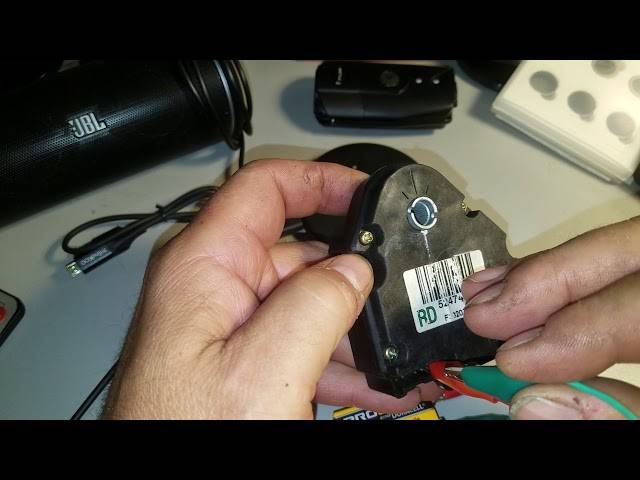
What Is a Blend Door Actuator?
A blend door actuator is a small electric motor that controls the movement of the blend door inside your GMC’s Heating, Ventilation, and Air Conditioning (HVAC) system. Although compact in size, it plays a critical role in maintaining a comfortable cabin temperature throughout the year.
The HVAC system relies on one or more blend doors to regulate the amount of hot and cold air entering the cabin. When you adjust the temperature on the climate control panel, the HVAC control module sends an electronic signal to the blend door actuator. The actuator then rotates a set of internal gears, positioning the blend door to mix heated air from the heater core with cooled air from the air conditioning evaporator.
Many modern GMC vehicles, especially those equipped with dual-zone or tri-zone climate control, use multiple blend door actuators. Each actuator controls a specific airflow door, allowing the driver and passengers to select different temperature settings independently. If even one actuator loses its calibration or develops a fault, the entire climate control system may behave unpredictably.
Unlike older vacuum-operated HVAC systems, modern electronic actuators depend on precise positioning. The HVAC control module must always know the exact location of each blend door. This is why recalibration, often referred to as a blend door actuator reset, is necessary after replacing an actuator, disconnecting the battery, replacing HVAC components, or clearing diagnostic trouble codes.
During the recalibration process, the actuator slowly moves through its full range of motion while the control module records its minimum and maximum positions. Once this learning process is complete, the actuator can accurately regulate cabin temperature and airflow again.
Understanding how the blend door actuator works makes it much easier to diagnose HVAC issues. In many cases, the problem is not a defective actuator but simply a lost calibration that can be corrected in just a few minutes.
Signs Your GMC Blend Door Actuator Needs a Reset
Before replacing an expensive HVAC component, it’s important to recognize the symptoms of a blend door actuator that has lost its calibration. Many of these issues can be resolved by performing a simple GMC blend door actuator reset.
One of the most common warning signs is a repetitive clicking or ticking noise coming from behind the dashboard immediately after starting the vehicle. This sound is typically caused by the actuator repeatedly searching for its correct position after losing its stored calibration.
Another common symptom is incorrect cabin temperature. You may set the climate control to a comfortable temperature, only to find that the system continues blowing hot air when cooling is requested or cold air when heating is selected. This often indicates that the blend door is no longer moving to the correct position.
Owners of GMC vehicles with dual-zone climate control may also notice that the driver’s side and passenger’s side produce different temperatures despite identical settings. One side may deliver warm air while the other remains cold. This symptom frequently points to a blend door actuator that requires recalibration or replacement.
Airflow direction problems can also occur. Instead of directing air through the selected vents, the HVAC system may unexpectedly switch between the dashboard vents, floor vents, or windshield defroster. While mode door actuators control airflow direction, similar calibration issues can produce comparable symptoms.
In some cases, the HVAC system may appear to function normally for several minutes before suddenly changing temperature or airflow without any input from the driver. This intermittent behavior often indicates that the actuator position stored by the HVAC control module no longer matches the actual door position.
The following table summarizes the most common symptoms and their likely causes.
| Symptom | Possible Cause |
|---|---|
| Clicking noise behind the dashboard | Lost actuator calibration or worn internal gears |
| Hot air only | Blend door stuck in the heating position |
| Cold air only | Blend door stuck in the cooling position |
| Different temperatures on each side | Dual-zone blend door actuator issue |
| Temperature changes unexpectedly | Actuator losing position feedback |
| Airflow does not respond correctly | HVAC calibration failure or faulty actuator |
Although these symptoms often indicate a calibration issue, persistent problems after a reset may suggest mechanical damage, stripped gears, wiring faults, or a failed actuator motor.
When Should You Perform a GMC Blend Door Actuator Reset?
Knowing when to reset the blend door actuator can prevent unnecessary repairs and save both time and money. While many HVAC problems require component replacement, several common situations simply call for recalibration.
The most important time to perform a GMC blend door actuator reset is immediately after installing a new actuator. Replacement actuators do not automatically know their operating limits. Without recalibration, the HVAC control module cannot accurately determine the actuator’s position, which may result in incorrect temperature control or continuous clicking noises.
A reset is also recommended after disconnecting or replacing the vehicle’s battery. Power loss may erase the actuator’s learned position, forcing the HVAC control module to relearn the travel limits during the next startup.
If you’ve recently replaced the HVAC control module, climate control panel, heater core, evaporator, or any component that requires removing the dashboard, recalibration should always be included as the final step of the repair. These procedures often disturb the actuator’s position or interrupt communication with the control module.
Another situation that may require a reset is after clearing HVAC-related diagnostic trouble codes with a scan tool. Certain fault codes can cause the control module to disable normal actuator operation until a relearn procedure has been completed.
You should also consider performing a reset whenever you experience symptoms such as inconsistent cabin temperatures, unusual clicking noises, or airflow problems following electrical repairs. Since the reset procedure requires only a few minutes and minimal tools, it is an excellent first troubleshooting step before replacing any expensive HVAC components.
However, if the actuator continues to malfunction after multiple successful recalibration attempts, the problem is likely mechanical rather than electronic. Worn plastic gears, a seized blend door, damaged wiring, or a failed actuator motor cannot be corrected through a reset alone and will require further diagnosis or replacement.
How to Perform a GMC Blend Door Actuator Reset (Step-by-Step)
Resetting the blend door actuator is often the first and most effective troubleshooting step when your GMC’s HVAC system begins acting unpredictably. The procedure allows the HVAC control module to relearn the actuator’s fully open and fully closed positions, ensuring accurate temperature control. While the exact process may vary slightly depending on the model year and climate control system, the following method works for many GMC Sierra, Yukon, Acadia, Terrain, Canyon, and other GM vehicles equipped with electronic blend door actuators.
Step 1: Park the Vehicle Safely
Park your GMC on a level surface and engage the parking brake. Turn off the engine and remove the ignition key if your vehicle uses a traditional key. For push-button start models, ensure the ignition is completely switched off.
Allow the HVAC system to shut down completely before beginning the reset procedure.
Step 2: Disconnect the Negative Battery Cable
Open the hood and disconnect the negative battery terminal using the appropriate wrench.
Disconnecting the battery removes power from the HVAC control module, allowing it to erase the previous actuator position stored in memory.
Leave the battery disconnected for at least five minutes. Some technicians recommend waiting up to ten minutes for a complete power discharge.
Step 3: Reconnect the Battery
Reconnect the negative battery cable securely.
Make sure the battery terminals are tight and free of corrosion. Loose connections can interfere with the relearn process and cause additional electrical issues.
Step 4: Turn the Ignition to the ON Position
Without starting the engine, turn the ignition to the ON or RUN position.
Do not touch any climate control buttons during this stage. The HVAC module immediately begins communicating with the blend door actuator and starts the calibration process.
You may hear soft clicking or whirring sounds from behind the dashboard. These sounds are normal and indicate that the actuator is moving through its full range of motion.
Step 5: Wait for the Calibration to Finish
Allow the ignition to remain in the ON position for approximately two to five minutes.
During this period, the actuator slowly learns its minimum and maximum travel positions. Interrupting the process by changing temperature settings or switching HVAC modes can prevent successful calibration.
Patience is important. Even if the noises stop after one minute, continue waiting until the full relearn period has passed.
Step 6: Start the Engine
Once calibration is complete, start the engine.
Leave the climate control system untouched for another minute to ensure the HVAC control module finishes initializing all related components.
Step 7: Test Every HVAC Function
Operate the climate control system through its complete range of functions.
Increase and decrease the temperature.
Switch between air conditioning and heating.
Select different airflow modes such as dashboard vents, floor vents, and windshield defrost.
If your GMC has dual-zone climate control, verify that both driver and passenger temperature controls respond correctly.
A successful reset should eliminate abnormal clicking noises and restore smooth, accurate temperature changes.
Pro Tips for a Successful Reset
Never adjust the temperature controls while calibration is in progress.
Use a fully charged battery whenever possible, as low system voltage can interrupt the relearn procedure.
If you’ve installed a new actuator, ensure it was mounted correctly before performing the reset.
Consult your owner’s manual or service information if your specific GMC model recommends an alternative relearn sequence.
Alternative Reset Method Without Disconnecting the Battery
Some GMC models allow the blend door actuator to recalibrate without disconnecting the battery. This method is particularly useful when replacing an actuator or troubleshooting minor HVAC issues.
Begin by turning the ignition off.
Locate the HVAC fuse using the fuse diagram found in the owner’s manual or inside the fuse box cover.
Remove the HVAC fuse and wait approximately one minute.
Reinstall the fuse securely.
Turn the ignition to the ON position without starting the engine.
Leave the ignition on for two to five minutes while the HVAC control module performs the actuator relearn process.
Start the engine and verify that the climate control system operates normally.
This procedure works on many GM vehicles, but it is not supported by every model year. Some newer GMC vehicles require recalibration through a professional scan tool capable of initiating HVAC actuator relearn functions.
If the manual reset does not restore normal operation, consult the factory service manual for your specific vehicle or use a compatible diagnostic scan tool capable of communicating with the HVAC control module.
How Long Does the Reset Take?
A GMC blend door actuator reset is one of the quickest HVAC maintenance procedures you can perform. Under normal circumstances, the entire process takes between ten and fifteen minutes, including disconnecting and reconnecting the battery.
The actual calibration performed by the HVAC control module typically requires only two to five minutes. During this time, the actuator cycles through its full range of motion while the control module records its operating limits.
Several factors can affect how long the procedure takes. Vehicles equipped with dual-zone or tri-zone climate control often require additional time because multiple actuators must complete the relearn process simultaneously. Likewise, replacing more than one actuator during the same repair may slightly extend the calibration period.
If the clicking noise continues beyond five minutes or the temperature controls remain unresponsive after completing the reset, the relearn process likely failed. Repeating the procedure once is reasonable, but repeated failures usually indicate a mechanical or electrical problem rather than a calibration issue.
Whenever the reset is successful, you should notice smooth temperature adjustments, quiet actuator operation, and consistent airflow from all selected vents. These improvements confirm that the HVAC control module has correctly relearned the actuator positions and that the climate control system is functioning as designed.
What If the Reset Doesn’t Work?
A successful blend door actuator reset should restore proper temperature control, eliminate unusual clicking noises, and improve overall HVAC performance. However, if the same symptoms persist after completing the recalibration procedure, the issue is likely caused by a mechanical or electrical fault rather than a software calibration problem.
One of the most common causes is worn or stripped plastic gears inside the actuator. Over time, the internal gears can crack or wear down, preventing the actuator from moving the blend door accurately. When this happens, you may continue hearing repetitive clicking noises each time the ignition is turned on or whenever the temperature setting changes.
Another possibility is a failed actuator motor. The small electric motor inside the actuator can burn out after years of continuous use, leaving the blend door stuck in one position. As a result, the HVAC system may only produce hot air or cold air regardless of the selected temperature.
The blend door itself can also become jammed. Broken HVAC components, debris inside the air box, or a damaged blend door may prevent the actuator from moving through its full range of motion. Even a brand-new actuator cannot function correctly if the door is physically obstructed.
Electrical issues should not be overlooked. Damaged wiring, loose connectors, blown fuses, or poor ground connections can interrupt communication between the HVAC control module and the actuator. In these cases, the actuator may receive intermittent power or fail to respond entirely.
A malfunctioning HVAC control module is another potential cause, although it is much less common. If the control module cannot send accurate position commands or receive actuator feedback, recalibration will repeatedly fail.
If the reset does not solve the problem, use the following diagnostic checklist before replacing parts.
| Problem | Likely Cause | Recommended Solution |
|---|---|---|
| Clicking noise continues | Stripped actuator gears | Replace the actuator |
| Only hot or cold air | Failed actuator motor or stuck blend door | Inspect and replace damaged components |
| Temperature changes randomly | Faulty actuator or wiring issue | Check electrical connections and actuator operation |
| No actuator movement | Blown fuse, damaged wiring, or failed control module | Inspect power supply and perform electrical diagnosis |
| Reset completes but symptoms remain | Mechanical HVAC problem | Inspect the blend door and HVAC housing |
Using an advanced OBD-II scan tool capable of communicating with the HVAC module can significantly simplify the diagnosis. Many professional scan tools allow technicians to command each actuator individually, monitor actuator position data, and initiate an automated relearn procedure.
If you recently installed a replacement actuator, verify that it matches your GMC’s exact model year and trim level. Even visually identical actuators may have different calibration values or electrical connectors.
Replacing components without confirming the root cause can become expensive. Spending a few extra minutes diagnosing the system thoroughly often saves both time and money.
Can You Drive Without Resetting the Blend Door Actuator?
In most cases, yes. A vehicle with an uncalibrated or malfunctioning blend door actuator remains safe to drive because the actuator only affects the HVAC system and has no direct impact on the engine, transmission, steering, or braking systems.
However, driving without addressing the issue can make the vehicle much less comfortable, especially during extreme weather conditions.
During the summer, the air conditioning may fail to produce sufficiently cool air, making long trips uncomfortable for both the driver and passengers. In winter, the heater may not generate enough warm air to keep the cabin comfortable or effectively defrost the windshield.
For vehicles equipped with dual-zone climate control, one side of the cabin may remain warm while the other stays cold. This uneven temperature distribution is one of the most common complaints associated with faulty blend door actuators.
A continuously clicking actuator can also become irritating during daily driving. While the noise itself does not damage the engine, it often indicates that the actuator gears are repeatedly slipping. Ignoring this symptom may eventually lead to complete actuator failure.
In some cases, poor airflow management can reduce windshield defrosting performance. Limited visibility caused by fogged or iced windows creates a genuine safety concern, particularly in cold or humid climates.
Although the vehicle can usually be driven safely, performing a GMC blend door actuator reset as soon as symptoms appear is recommended. If recalibration does not resolve the issue, replacing the faulty actuator promptly helps restore full climate control functionality and prevents additional wear on related HVAC components.
Frequently Asked Questions
Does disconnecting the battery reset the blend door actuator?
Yes. Disconnecting the battery removes power from the HVAC control module and clears the actuator’s stored position on many GMC models. After reconnecting the battery, the system performs a relearn procedure when the ignition is switched on. However, some newer vehicles require a scan tool to complete the calibration process.
Do I need a scan tool to reset the blend door actuator?
Not always. Many GMC vehicles allow manual recalibration using the battery disconnect or HVAC fuse method. However, certain late-model vehicles equipped with advanced climate control systems require a professional scan tool capable of initiating the HVAC actuator relearn procedure.
How do I know if the reset was successful?
A successful reset usually eliminates clicking noises, restores accurate temperature control, and allows the airflow direction to respond correctly to every HVAC setting. If all functions operate normally after calibration, the relearn procedure was successful.
Why is my blend door actuator still clicking after the reset?
Persistent clicking usually indicates mechanical damage rather than a calibration issue. Worn plastic gears, a defective actuator motor, or an obstructed blend door are the most common causes. In these situations, replacing the actuator is generally necessary.
Can I replace the blend door actuator myself?
Yes. Many blend door actuators are accessible with basic hand tools, making replacement a practical DIY repair for experienced vehicle owners. However, some GMC models require partial dashboard removal, which increases the complexity of the job. Reviewing the factory service information before beginning the repair is strongly recommended.
How much does it cost to replace a GMC blend door actuator?
Replacement costs vary depending on the vehicle model and actuator location. The actuator itself typically costs between $30 and $150, while professional labor can range from $100 to more than $500 if dashboard components must be removed. Performing a reset before replacing the actuator may save you from unnecessary repair expenses.
Can a bad blend door actuator affect air conditioning performance?
Yes. A faulty actuator can prevent the blend door from directing air through the correct path, causing the air conditioner to blow warm air even when the A/C system is functioning properly. Similar symptoms may also occur with the heating system, making accurate diagnosis essential before replacing parts.
Conclusion
Performing a GMC blend door actuator reset is often the simplest and most cost-effective solution for resolving common HVAC issues such as inconsistent cabin temperatures, persistent clicking noises, or improper airflow. Because the reset procedure recalibrates the actuator’s position within the climate control system, it can restore normal operation without replacing any parts, especially after installing a new actuator, disconnecting the battery, or completing HVAC repairs.
While the reset process is straightforward, it is important to remember that recalibration cannot repair a mechanically damaged actuator. If your GMC continues to experience temperature control problems after completing the relearn procedure, inspect the actuator, wiring, blend door, and HVAC control module for signs of wear or failure. Identifying the root cause early can prevent unnecessary repairs and help avoid higher labor costs in the future.
Regular maintenance of your vehicle’s HVAC system also contributes to longer component life and improved cabin comfort. Replacing the cabin air filter on schedule, keeping electrical connections clean, and addressing unusual noises promptly can reduce strain on the blend door actuator and other climate control components.
Whether you own a GMC Sierra, Yukon, Acadia, Terrain, Canyon, or another GMC model, understanding how to perform a GMC blend door actuator reset is a valuable skill that can save both time and money. By following the step-by-step procedures outlined in this guide, you can confidently troubleshoot many common HVAC problems before deciding whether professional diagnosis or component replacement is necessary.
If you found this guide helpful, explore our other GMC maintenance and repair articles for more expert troubleshooting tips, DIY repair guides, and preventive maintenance advice designed to keep your vehicle performing at its best in every season.