GM power running board problems typically result from electrical failures, mechanical wear, environmental exposure, or communication issues between the running board system and the vehicle’s body control electronics. These problems often appear gradually, starting with slow deployment, intermittent operation, unusual noises, or one side failing to extend before progressing to complete system failure. Because the power running board combines electric motors, control modules, door sensors, wiring harnesses, hinges, and moving linkages, diagnosing the root cause requires understanding how these components work together rather than replacing parts based on symptoms alone.
This guide explains the most common GM power running board problems found on vehicles such as the Chevrolet Silverado, GMC Sierra, Chevrolet Tahoe, GMC Yukon, Chevrolet Suburban, and Cadillac Escalade. Instead of focusing only on symptoms, the article breaks down the underlying mechanical and electrical mechanisms that cause these failures. You’ll learn why running boards stop deploying or retracting, how corrosion and road debris accelerate component wear, how faulty door ajar switches or control modules interrupt operation, and which failures are most common as vehicles age.
The guide also provides a logical diagnostic workflow, practical repair solutions, maintenance practices that reduce future failures, estimated repair costs, and situations where replacing the complete running board assembly is more economical than repairing individual components. By understanding both the symptoms and their root causes, you can identify problems more accurately, avoid unnecessary part replacements, and keep the GM power running board system operating reliably over the long term.
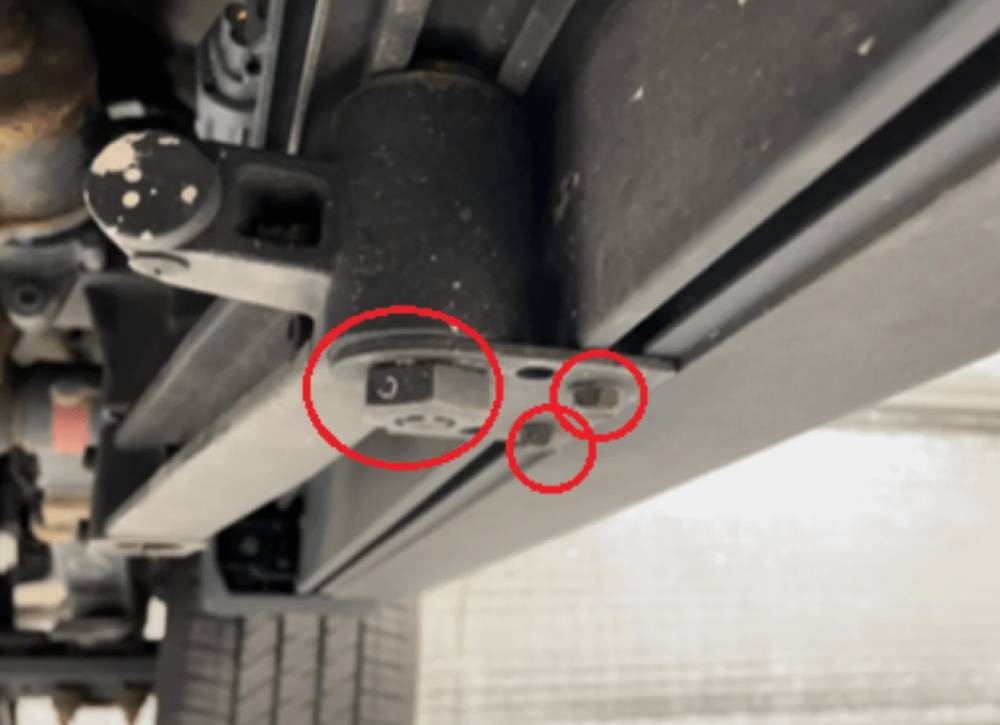
What are the most common GM power running board problems?
There are five common GM power running board problems: failure to deploy, failure to retract, getting stuck halfway, one side stopping while the other continues working, and abnormal noises during operation. Although these symptoms appear different, they are typically caused by faults in the electrical control system, mechanical linkage, or environmental contamination that interferes with normal movement.
Why do the running boards stop deploying?
A GM power running board may stop deploying because the system does not receive or execute the command to extend the step. The failure usually originates from a faulty door ajar switch, damaged wiring, a blown fuse, a failed motor, or a malfunctioning running board control module. Since the system relies on multiple electronic components communicating with one another, a fault in any part of the circuit can prevent deployment.
In many cases, the problem develops gradually rather than occurring suddenly. Owners may first notice delayed deployment, intermittent operation, or the board extending only after opening the door multiple times. These symptoms often indicate declining motor performance, increasing electrical resistance from corroded connectors, or deteriorating sensor signals instead of complete component failure.
A visual inspection should begin with the running board assembly, wiring harness, electrical connectors, and fuse box before replacing expensive components. Dirt accumulation, loose connectors, and damaged harness insulation are among the most common causes of deployment failures on vehicles that are frequently exposed to mud, snow, or road salt.
Why do the running boards fail to retract?
Running boards that remain extended usually indicate that the control system believes a door is still open or that the mechanism cannot complete its retraction cycle. The board extends normally but fails to return to its stored position after the doors close.
One common cause is a defective door ajar sensor that continuously sends an “open” signal to the Body Control Module (BCM). Another frequent cause is mechanical resistance created by rust, debris, or seized pivot points that prevent the electric motor from pulling the board back underneath the vehicle.
Repeated operation under excessive mechanical resistance places additional load on the motor and gearbox. Over time, this accelerates gear wear, increases current draw, and may eventually trigger thermal protection or complete motor failure.
Why do the running boards become stuck halfway?
A running board that stops midway usually indicates that the motor begins operating but cannot complete its movement. This symptom often results from excessive friction, worn linkage components, damaged hinges, weak motor torque, or an obstruction inside the deployment mechanism.
Road debris is one of the most common contributors to partial movement. Gravel, hardened mud, ice, and accumulated road salt can restrict hinge movement and increase the force required to extend or retract the step. As resistance increases, the control module may stop motor operation to protect the system from overload.
Mechanical wear can produce the same symptom. Worn pivot bushings, bent linkage arms, or damaged brackets change the alignment of the running board assembly, causing the mechanism to bind before reaching its fully deployed or retracted position.
Why does only one running board stop working?
When only one running board fails, the fault is usually isolated to that side rather than affecting the entire vehicle. Because each side has its own motor assembly and associated wiring, a localized electrical or mechanical failure is more likely than a system-wide control module issue.
Common causes include a failed motor, damaged wiring harness, loose electrical connector, broken linkage, or corrosion affecting only one side of the vehicle. Water intrusion can also damage connectors near one running board while leaving the opposite side unaffected.
Comparing the operational side with the faulty side is an effective diagnostic method. Differences in motor noise, wiring condition, connector integrity, or hinge movement often reveal the source of the problem more quickly than replacing parts based on assumptions.
Why do the running boards make clicking or grinding noises?
Clicking, grinding, or popping noises indicate that mechanical components are moving under abnormal load or that internal drive components are beginning to fail. These sounds frequently appear before complete system failure and should not be ignored.
A clicking sound often occurs when the motor receives electrical power but the gearbox cannot transfer torque effectively because of worn gears or slipping internal components. Grinding noises typically indicate metal-to-metal contact caused by insufficient lubrication, damaged hinges, bent linkage arms, or excessive corrosion.
If abnormal noises continue during every deployment cycle, continued operation can increase wear on the motor, gearbox, and linkage assembly. Inspecting the moving joints, cleaning accumulated debris, and lubricating pivot points early can prevent more expensive repairs later.
What causes GM power running board problems?
Most GM power running board failures originate from five primary causes: motor wear, electrical wiring faults, sensor failures, environmental contamination, and control module malfunctions. Understanding these root causes is more valuable than focusing only on symptoms because multiple failures can produce similar operating behavior.
How does motor wear cause running board failure?
The electric motor is responsible for generating the torque required to deploy and retract the running board. After thousands of operating cycles, internal brushes, bearings, gears, and reduction mechanisms gradually wear, reducing available torque and slowing system response.
Motor wear typically develops progressively. The running board may initially move slower than normal, hesitate during operation, or require multiple attempts before completing a cycle. As internal resistance increases, current consumption also rises, eventually leading to complete motor failure.
Vehicles operated in regions with frequent rain, snow, or road salt generally experience faster motor deterioration because moisture can enter the housing and accelerate corrosion of internal electrical components.
How do damaged wiring and connectors interrupt operation?
The running board system depends on uninterrupted electrical communication between the control module, motor, sensors, and power supply. Damaged wiring or corroded connectors can interrupt voltage delivery or signal transmission, preventing normal operation even when every major component remains functional.
The wiring harness underneath the vehicle is constantly exposed to vibration, moisture, rocks, and road debris. Over time, insulation may crack, connectors may loosen, and corrosion may increase electrical resistance. Even minor voltage loss can prevent the motor from operating correctly.
Electrical connector inspection should include checking for moisture, green corrosion, broken locking tabs, loose terminals, and damaged insulation. Repairing a wiring fault is often significantly less expensive than replacing motors or electronic modules unnecessarily.
How do door ajar sensors trigger incorrect deployment?
Door ajar sensors determine when the running boards should extend or retract. Every time a door opens, the sensor sends a signal to the Body Control Module, which then commands the running board module to deploy the step.
A faulty sensor can send incorrect information, causing intermittent deployment, delayed retraction, repeated cycling, or running boards remaining extended after the doors have closed. Because the sensor failure affects system logic rather than the motor itself, replacing the running board assembly rarely solves this type of problem.
Diagnosing sensor-related faults usually involves monitoring live vehicle data with a compatible scan tool to verify whether each door correctly changes status between “open” and “closed.”
How do corrosion and road debris damage the mechanism?
Environmental contamination is one of the leading contributors to long-term running board failures. Water, mud, road salt, sand, and gravel accumulate around hinges, pivot arms, and moving joints, increasing friction and accelerating corrosion.
As corrosion develops, moving components require greater force to complete each operating cycle. The motor compensates by drawing higher electrical current, which increases heat generation and shortens motor life. Eventually, excessive resistance can cause incomplete deployment, abnormal noises, or complete system failure.
Routine cleaning and lubrication significantly reduce these risks by removing abrasive contaminants before they damage mechanical components.
How can the running board control module fail?
The running board control module coordinates communication between sensors, the Body Control Module, and the electric motor. If the module loses power, develops an internal fault, or receives incorrect input signals, the running board may stop functioning even though the mechanical components remain intact.
Control module failures may produce intermittent operation, complete inactivity, unexpected deployment cycles, or diagnostic trouble codes stored within the vehicle’s electronic control systems. Because these symptoms overlap with wiring and sensor faults, module replacement should only be considered after completing a systematic diagnostic process that verifies power supply, ground connections, communication circuits, and input signals.
Which GM vehicles commonly experience power running board problems?
GM power running board problems are most frequently reported on full-size trucks and SUVs equipped with factory-installed power-retractable side steps. These vehicles share similar running board designs, electrical architecture, and deployment mechanisms, meaning they often develop comparable failure patterns as mileage increases or environmental exposure accumulates.
Chevrolet Silverado
The Chevrolet Silverado is one of the GM models most commonly associated with power running board issues because it is frequently driven in demanding environments. Many Silverado owners regularly encounter mud, gravel, snow, construction sites, and off-road conditions that expose the running board assembly to contaminants capable of accelerating wear.
Electrical connector corrosion and hinge contamination are among the most common issues on higher-mileage Silverado models. Dirt and road salt can accumulate around pivot points, increasing mechanical resistance during deployment. As resistance increases, the electric motor works harder to complete each operating cycle, gradually shortening its service life.
Silverado trucks used for towing or commercial applications also experience more frequent door operation throughout the day. The higher number of deployment cycles increases wear on motors, gears, bushings, and linkage components compared with vehicles used primarily for commuting.
GMC Sierra
The GMC Sierra shares nearly identical running board hardware and electronic architecture with the Chevrolet Silverado, making the failure patterns very similar. Since both vehicles are built on the same platform, many replacement components—including motors, brackets, modules, and wiring assemblies—are interchangeable depending on model year and trim level.
Intermittent deployment is commonly reported after several years of ownership. In many cases, corrosion develops inside electrical connectors underneath the cab, causing increased electrical resistance rather than complete circuit failure. This explains why some running boards operate normally one day and fail the next without any obvious mechanical damage.
Owners operating Sierra trucks in coastal regions or areas where road salt is heavily used during winter should inspect the underside more frequently. Moisture combined with salt accelerates oxidation of connectors and mounting hardware, increasing the likelihood of electrical faults.
Chevrolet Tahoe
Power running board failures on the Chevrolet Tahoe are commonly associated with long-term environmental exposure and aging mechanical components. Family SUVs frequently experience repeated short trips with numerous door-opening events, resulting in thousands of deployment cycles every year.
Over time, hinge assemblies may lose lubrication while pivot points collect dust and road debris. These conditions increase friction during movement, causing slower deployment speeds and placing additional strain on the motor assembly.
Tahoe owners may also notice intermittent operation after driving through heavy rain or deep water. Water intrusion around connectors or electronic modules can temporarily interrupt communication until moisture evaporates or corrosion develops into a permanent electrical fault.
GMC Yukon
The GMC Yukon experiences many of the same running board problems as the Tahoe because both vehicles share similar electrical systems and body architecture. Common symptoms include delayed deployment, failure to retract completely, and occasional clicking noises during operation.
Luxury trims equipped with additional convenience electronics rely heavily on communication between the Body Control Module and multiple control units. Although running board failures are often mechanical, electronic communication faults can also interrupt deployment when sensor signals become unreliable.
Routine cleaning underneath the rocker panels is particularly important for Yukon owners because debris accumulation often remains hidden until movement becomes restricted.
Cadillac Escalade
The Cadillac Escalade incorporates premium power running boards that prioritize smooth and quiet operation, making even minor mechanical problems more noticeable. Owners often recognize abnormal sounds or slower movement long before complete system failure occurs.
Because luxury vehicles typically emphasize refined operation, slight increases in motor noise, vibration, or deployment time may indicate early wear of the gearbox, pivot mechanism, or linkage assembly. Addressing these warning signs early can prevent secondary damage to surrounding components.
Escalade owners should also inspect the system after collision repairs involving rocker panels or lower body structures. Minor alignment changes can alter the geometry of the deployment mechanism and cause uneven movement despite all electrical components functioning normally.
How do you diagnose GM power running board problems?
Diagnosing GM power running board problems requires following a structured inspection process that moves from simple mechanical checks to advanced electrical testing. Replacing parts without identifying the root cause often increases repair costs because multiple components can produce identical symptoms.
How do you inspect the running board visually?
Begin by inspecting the entire running board assembly for visible mechanical damage and contamination. Many failures can be identified without specialized tools because physical obstructions frequently prevent normal movement.
Inspect the hinges, pivot arms, brackets, linkage assemblies, mounting bolts, and step surfaces for signs of bending, excessive rust, broken welds, or impact damage. Also examine whether hardened mud, gravel, packed snow, or road debris has accumulated around moving joints.
Operate the running board several times while observing its movement. A board that moves unevenly, hesitates, tilts, or stops before reaching its final position often indicates excessive mechanical resistance rather than an electronic failure.
How do you check fuses and relays?
The next step is verifying that the running board system receives adequate electrical power. A blown fuse or defective relay can completely disable deployment while leaving every mechanical component fully functional.
Consult the vehicle’s fuse diagram to identify the fuse protecting the power running board circuit. Remove the fuse and inspect it for a broken internal element or signs of overheating. Replacing a blown fuse without identifying the reason it failed may only provide a temporary solution if an underlying short circuit still exists.
If the vehicle uses a dedicated relay, verify that it activates correctly when the door opens. Swapping the relay with another identical relay from a non-critical circuit can help determine whether relay failure is responsible for the malfunction.
How do you test the running board motor?
The electric motor should be tested only after confirming that power and control signals reach the assembly. A motor that receives proper voltage but does not operate is much more likely to have failed internally.
Using a digital multimeter, verify battery voltage at the motor connector during deployment. If voltage is present but the motor remains stationary, internal brush wear, bearing seizure, or gearbox damage is likely preventing normal operation.
If no voltage reaches the motor, the fault typically exists elsewhere within the wiring harness, control module, relay, fuse, or Body Control Module rather than inside the motor itself.
How do you inspect the wiring harness?
Inspecting the wiring harness is essential because the running board wiring is installed underneath the vehicle where it is continuously exposed to harsh environmental conditions. Heat, vibration, moisture, road debris, and corrosion gradually damage insulation and electrical connectors.
Follow the harness from the control module to each motor while looking for crushed wiring, exposed conductors, loose connectors, broken retaining clips, and corrosion inside terminals. Pay particular attention to locations where the harness passes near suspension components or sharp metal edges because repeated movement may wear through the insulation.
Small wiring defects can create intermittent failures that are difficult to reproduce. Slight movement of the harness during inspection may temporarily restore operation, indicating an internal conductor break or loose connector.
How do you diagnose the BCM and control module?
The Body Control Module and the running board control module coordinate every deployment and retraction cycle. If either module receives incorrect input data or loses communication, the running boards may stop operating even though the motor and wiring remain functional.
A professional scan tool capable of communicating with GM control modules should be used to monitor live data, verify door status signals, check module communication, and identify stored diagnostic trouble codes. Comparing sensor inputs with actual vehicle conditions often reveals whether the fault originates from a defective door switch, communication network, or control module.
Before replacing either module, technicians should confirm that battery voltage, ground circuits, communication lines, and connector integrity all meet manufacturer specifications. Module replacement without completing these preliminary tests may fail to resolve the original problem.
Which diagnostic trouble codes may appear?
Some GM vehicles store diagnostic trouble codes when the running board system detects electrical or communication faults. These codes provide valuable direction during diagnosis but should always be interpreted alongside physical inspection and electrical testing.
Depending on the vehicle model and control system, stored codes may indicate motor circuit failures, communication errors, position sensor faults, voltage irregularities, or control module malfunctions. Reading and clearing codes with a compatible GM diagnostic scanner allows technicians to determine whether faults are active, intermittent, or previously recorded.
Diagnostic trouble codes should be treated as starting points rather than final conclusions. A code identifies the affected circuit or subsystem, but additional testing is still required to determine the underlying mechanical or electrical cause.
How do you fix GM power running board problems?
The correct repair depends on identifying the root cause rather than replacing parts based solely on symptoms. Most GM power running board failures can be resolved by cleaning contaminated components, repairing damaged electrical circuits, replacing worn mechanical parts, or recalibrating the control system after repairs. Following a structured repair process minimizes unnecessary part replacement and reduces overall repair costs.
Clean dirt and road debris
Cleaning accumulated dirt and debris is the simplest and most effective repair for running boards that deploy slowly or become stuck. Mud, sand, gravel, leaves, road salt, and ice commonly collect around the hinges, pivot arms, and linkage assemblies, increasing mechanical resistance during every deployment cycle.
Begin by fully extending the running board to expose all moving components. Remove loose debris using compressed air or a soft brush before washing the mechanism with low-pressure water. Avoid directing high-pressure water directly at electrical connectors or motor housings because excessive pressure can force moisture into sealed electrical components.
After cleaning, inspect every pivot point while manually moving the linkage through its operating range. Any component that binds, catches, or requires excessive force should be cleaned again or inspected for physical damage. Running boards that operate normally after cleaning typically suffered from contamination rather than component failure.
Regular cleaning is especially important for vehicles driven on salted winter roads, construction sites, gravel roads, beaches, or off-road trails because these environments accelerate corrosion and increase abrasive wear.
Lubricate hinges and pivot points
Proper lubrication reduces friction throughout the deployment mechanism and extends the service life of moving components. Hinges, pivot arms, bushings, and linkage joints experience continuous movement every time a door is opened or closed. As factory lubricant degrades over time, friction increases and places additional load on the electric motor.
Use a lubricant specifically designed for exposed automotive mechanisms rather than heavy grease that attracts dirt. Apply lubricant to every pivot point, hinge, rotating shaft, and linkage joint while cycling the running board several times to distribute the lubricant evenly throughout the mechanism.
Lubrication should not be used to mask worn or damaged components. If excessive play, bent linkage arms, cracked bushings, or abnormal noises remain after lubrication, additional repairs will still be required.
Performing lubrication every six to twelve months, or more frequently in harsh climates, helps maintain smooth operation and reduces long-term wear.
Replace damaged wiring
Electrical wiring should be repaired whenever damaged insulation, corroded terminals, or broken conductors interrupt power or communication within the running board system. Since the wiring harness is routed underneath the vehicle, it is continuously exposed to moisture, vibration, rocks, and road debris that gradually weaken electrical connections.
Inspect every connector for corrosion, bent terminals, loose locking tabs, and evidence of water intrusion. Replace damaged connectors instead of attempting temporary repairs with electrical tape or sealants because poor connections often create intermittent faults that become increasingly difficult to diagnose.
If wiring insulation has been cut or abraded, replace the affected section using automotive-grade wire with matching gauge and weather-resistant connectors. Proper heat-shrink tubing and sealed crimp connectors provide greater durability than household electrical repair methods.
After completing wiring repairs, verify voltage delivery and system operation before assuming additional components require replacement.
Replace the running board motor
Motor replacement is necessary when electrical power reaches the motor but the running board no longer operates correctly. Internal wear of brushes, bearings, reduction gears, or windings eventually prevents the motor from generating sufficient torque to move the running board under normal load.
Before installing a replacement motor, inspect the entire deployment mechanism for excessive resistance. Installing a new motor without correcting seized hinges or bent linkage components may cause the replacement unit to fail prematurely because it will continue operating under abnormal mechanical load.
During installation, verify that all mounting bolts are tightened to manufacturer specifications and that electrical connectors are fully seated. Cycle the running board multiple times after installation to confirm smooth and consistent movement throughout the entire deployment range.
Choosing OEM replacement motors generally provides better compatibility with the factory control system, although reputable aftermarket manufacturers also produce reliable alternatives for many GM applications.
Replace the control module
Control module replacement should only be performed after verifying that wiring, motors, sensors, and power supply circuits function correctly. Because module failures are less common than mechanical or wiring problems, replacing the module too early often increases repair costs without resolving the underlying issue.
Before replacement, confirm that battery voltage, ground circuits, CAN communication lines, and connector integrity meet manufacturer specifications. A compatible GM diagnostic scanner should also be used to identify communication faults and determine whether the module is responding correctly to vehicle inputs.
Some replacement modules require programming or calibration after installation. Without proper configuration, the running board system may fail to communicate with the Body Control Module or operate inconsistently despite successful hardware installation.
Reset or recalibrate the system
Some running board problems can be corrected by resetting or recalibrating the electronic control system after repairs. Power interruptions, battery replacement, module installation, or software updates may require the control system to relearn component positions before normal operation resumes.
Depending on the vehicle model, recalibration may involve disconnecting the battery for a specified period, performing a scan tool initialization procedure, or cycling the running boards through multiple deployment sequences. The exact procedure varies by model year and electronic architecture.
A successful recalibration should restore smooth deployment timing, synchronized movement, and accurate response to door opening and closing. If abnormal operation continues after recalibration, additional electrical or mechanical faults remain within the system.
When should you replace the entire running board assembly?
Replacing the complete running board assembly is recommended when structural damage, extensive corrosion, or multiple component failures make individual repairs impractical or uneconomical. While replacing individual motors or wiring is often cost-effective, repairing several major components simultaneously may exceed the value of installing a complete assembly.
Signs of severe structural damage
Structural damage compromises the alignment and reliability of the entire running board system. Bent mounting brackets, cracked support arms, twisted linkage assemblies, or impact damage from collisions can prevent the mechanism from operating correctly even after replacing electrical components.
Visible deformation often causes uneven movement, excessive vibration, incomplete deployment, or repeated motor overload. Because the running board relies on precise alignment between mechanical components, structural repairs are not always capable of restoring factory performance.
Severe rust can produce similar problems by weakening brackets, pivot points, and mounting hardware. If corrosion has significantly reduced structural integrity, replacing the entire assembly is generally safer than attempting localized repairs.
Cost comparison between repair and replacement
Repair is generally the better option when only one major component has failed, while replacement becomes more economical when several components require repair simultaneously. For example, replacing a single motor or repairing damaged wiring usually costs significantly less than installing a complete running board assembly.
However, if the motor, linkage, hinges, control module, and mounting hardware all exhibit significant wear, labor costs can quickly exceed the price of a complete replacement. Installing a new assembly also reduces the likelihood of additional failures caused by aging components that remain in service.
Vehicle age, mileage, component availability, and labor rates should all be considered before deciding between repair and replacement.
OEM vs. aftermarket replacement options
Both OEM and aftermarket running board assemblies can restore reliable operation, but each option offers different advantages. OEM components provide factory fitment, original electronic compatibility, and consistent deployment characteristics because they are designed specifically for the vehicle’s electrical architecture.
High-quality aftermarket assemblies often provide lower purchase prices and broader availability for older GM vehicles. Some manufacturers also offer upgraded corrosion-resistant materials or improved motor designs intended to increase durability under harsh operating conditions.
Before selecting an aftermarket assembly, verify compatibility with the vehicle’s model year, trim level, electronic control system, mounting locations, and wiring connectors. Choosing components that do not fully match factory specifications can create installation difficulties or communication problems with the vehicle’s control modules.
How can you prevent GM power running board problems?
Preventive maintenance is the most effective way to extend the lifespan of GM power running boards and reduce the risk of unexpected failures. Because the system operates underneath the vehicle, it is continuously exposed to water, mud, road salt, rocks, and other contaminants that accelerate both mechanical wear and electrical corrosion. Regular inspections and maintenance help identify minor issues before they develop into expensive repairs.
Wash the underside regularly
Cleaning the underside of the vehicle removes mud, sand, road salt, and other contaminants that accumulate around the running board assembly. These materials increase friction, trap moisture, and accelerate corrosion of hinges, brackets, wiring connectors, and mounting hardware.
Vehicles driven in snowy climates or on unpaved roads should have the undercarriage cleaned more frequently than vehicles used primarily on paved city streets. During winter, rinsing the underside after exposure to salted roads significantly reduces long-term corrosion.
Lubricate moving components
Lubricating hinges, pivot arms, linkage joints, and other moving parts helps maintain smooth deployment while reducing stress on the electric motor. A dry mechanism requires greater operating force, increasing motor load and accelerating component wear.
Use a lubricant formulated for exposed automotive mechanisms and avoid products that attract excessive dirt or harden over time. Lubrication should be included in routine maintenance at least twice a year or more often in harsh environments.
Inspect electrical connectors
Electrical connectors should be inspected periodically for corrosion, moisture, damaged seals, loose terminals, and broken locking tabs. Early detection of connector damage prevents intermittent electrical faults that are often mistaken for motor or control module failures.
Applying dielectric grease to clean connectors can improve moisture resistance and help reduce future corrosion, particularly in humid or coastal environments.
Check mounting hardware
Loose mounting bolts and worn brackets can affect running board alignment and increase stress on the deployment mechanism. Inspect mounting points during routine vehicle maintenance and tighten any loose hardware according to manufacturer specifications.
If brackets show significant corrosion or physical damage, replacement should be considered before structural integrity is compromised.
Operate the running boards regularly
Vehicles that remain parked for extended periods may experience sticking hinges or dried lubricant inside moving joints. Operating the running boards regularly helps distribute lubricant throughout the mechanism and prevents corrosion from developing on stationary components.
Even if the vehicle is not driven daily, cycling the running boards periodically can help maintain smooth operation.
How much does it cost to repair GM power running board problems?
Repair costs vary depending on the failed component, vehicle model, labor rates, and whether OEM or aftermarket parts are used. Minor maintenance is relatively inexpensive, while replacing multiple electrical and mechanical components can significantly increase repair expenses.
Motor replacement cost
Replacing a running board motor typically costs $300 to $800, including parts and labor. OEM motors generally cost more than aftermarket alternatives but usually provide better compatibility with the factory control system.
Wiring repair cost
Repairing damaged wiring or corroded electrical connectors generally costs $100 to $400, depending on the location and extent of the damage. Minor connector repairs are considerably less expensive than replacing an entire wiring harness.
Control module replacement cost
Replacing the running board control module typically ranges from $300 to $900. Vehicles requiring module programming or software initialization after installation may incur additional labor charges.
Complete running board replacement cost
Replacing the entire power running board assembly generally costs $1,000 to $2,500 or more, depending on the vehicle model and the quality of replacement parts. Luxury models such as the Cadillac Escalade often fall toward the higher end of this range due to more complex assemblies and higher component costs.
DIY vs. professional repair
Basic maintenance tasks such as cleaning, lubrication, and visual inspection are well within the capabilities of most vehicle owners. These procedures require minimal tools and can often prevent more serious problems from developing.
Electrical diagnosis, module programming, and major mechanical repairs are better suited to qualified technicians with access to manufacturer service information and professional diagnostic equipment. Incorrect repairs can introduce additional electrical faults or damage expensive electronic components.
Can you drive with a faulty GM power running board?
In many cases, the vehicle remains mechanically drivable even when the power running board is not functioning correctly. However, continuing to drive without addressing the problem can increase repair costs and create additional safety concerns.
A running board that remains extended may strike curbs, rocks, or road debris, causing further structural damage. A partially deployed running board can also create a tripping hazard when entering or exiting the vehicle.
If abnormal noises, binding, or intermittent operation are present, the system should be inspected as soon as possible. Continuing to operate a failing mechanism places additional stress on the motor, gearbox, hinges, and linkage, potentially turning a minor repair into a complete assembly replacement.
When the running board becomes stuck in an unsafe position, disconnecting the system or manually securing the assembly according to manufacturer service procedures may be necessary until permanent repairs are completed.
Frequently Asked Questions About GM Power Running Board Problems
Why do my running boards work intermittently?
Intermittent operation is commonly caused by loose electrical connections, corroded connectors, damaged wiring, weak motors, or failing door ajar sensors. Environmental conditions such as moisture and temperature changes can temporarily affect electrical resistance, making the problem appear inconsistent.
Can cold weather stop power running boards from working?
Yes. Snow, ice, and freezing temperatures can increase mechanical resistance by preventing hinges and linkage components from moving freely. Cold weather may also reduce battery performance and increase lubricant viscosity, making deployment slower until the system warms up.
Can I manually retract a stuck running board?
Some running board assemblies can be manually repositioned during repairs, but forcing the mechanism without following manufacturer service procedures may damage gears, linkage components, or the electric motor. The appropriate method depends on the specific GM model and running board design.
Does disconnecting the battery reset the system?
Disconnecting the battery may temporarily reset certain electronic modules on some GM vehicles, but it does not repair underlying electrical or mechanical faults. If the running board continues malfunctioning after battery reconnection, additional diagnosis is required.
Are aftermarket running boards more reliable than OEM?
High-quality aftermarket running boards can provide reliability comparable to OEM components when manufactured by reputable suppliers. However, compatibility with the vehicle’s electrical system, mounting points, and control modules should always be verified before installation to avoid communication or fitment issues.
Final Thoughts
GM power running board problems are usually the result of gradual mechanical wear, electrical faults, or long-term environmental exposure rather than sudden component failure. Most issues begin with subtle warning signs such as slower deployment, intermittent operation, or unusual noises before progressing to complete system failure.
A systematic diagnostic approach that starts with visual inspection, verifies electrical power, evaluates wiring integrity, and tests motors and control modules helps identify the true root cause while avoiding unnecessary parts replacement. Routine cleaning, lubrication, and periodic inspections remain the most cost-effective methods for extending the lifespan of the entire running board system.
Addressing minor problems early not only reduces repair expenses but also helps maintain safe vehicle access and prevents secondary damage to surrounding components. Whether performing routine maintenance or deciding between repair and replacement, understanding how the system operates enables more informed maintenance decisions and improves long-term reliability.