If you own a GM vehicle, knowing about GM AFM Problems can save you from costly repairs. Active Fuel Management, or AFM, improves fuel efficiency by deactivating cylinders during light driving. This system works well, but it can fail over time. Many drivers ignore early warning signs. Engine noise, misfires, and reduced performance often appear first. These issues can damage critical engine parts if left unchecked. Acting early prevents small problems from becoming expensive repairs.
This guide explains the main causes of GM AFM Problems and the symptoms to watch for. We also cover effective solutions to fix or prevent them. Mechanical wear, oil problems, or electronic system failures can all trigger AFM issues. Knowing what to check allows you to maintain your vehicle properly. By understanding AFM, you can make better decisions about maintenance and repairs. This article gives a clear overview to help you protect your GM vehicle, improve fuel efficiency, and enjoy worry-free driving.
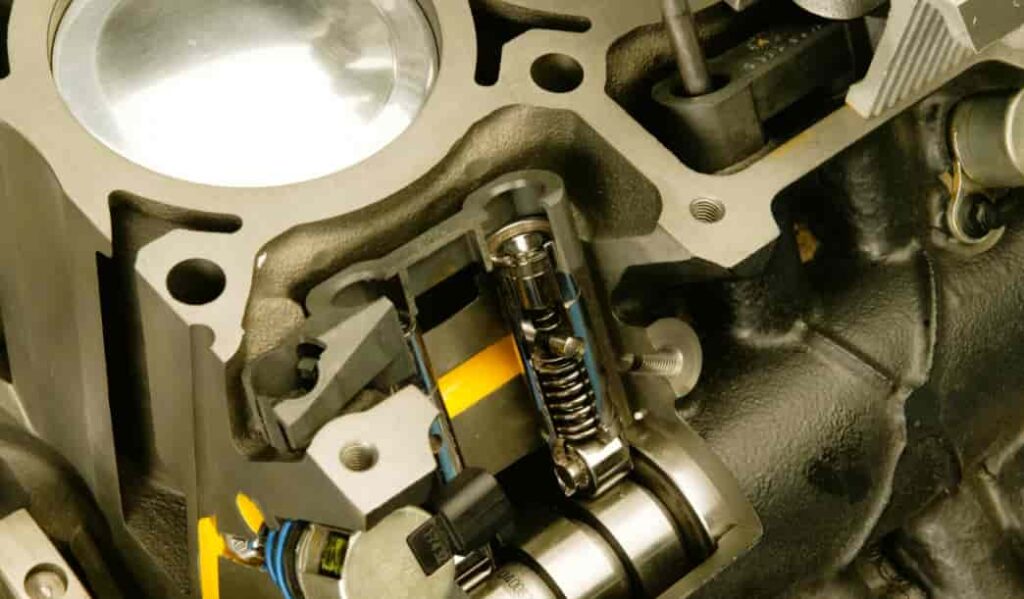
Symptoms of GM AFM Problems
Recognizing the symptoms of GM AFM Problems early can save you from costly repairs. One of the first signs is unusual engine noise. Drivers often report ticking or knocking sounds, especially when the engine is under light load. Another common symptom is a misfire. Cylinder deactivation may fail, causing the engine to run unevenly or shake during acceleration.
Reduced fuel efficiency is also a warning. AFM is designed to save fuel, so a drop in miles per gallon may indicate the system is not working properly. Check engine lights frequently appear when GM AFM Problems occur. Codes such as P0012 or P0014 may show during diagnostics. Rough idling and hesitation during acceleration are additional signs. Many drivers ignore these issues until they worsen, leading to more expensive engine repairs.
Paying attention to these symptoms allows you to act before severe damage happens. Listening for abnormal engine sounds, monitoring fuel consumption, and responding to warning lights helps maintain engine performance. Regular inspections and understanding GM AFM Problems improve the chances of detecting problems early. By recognizing these symptoms, you can choose the right repair or preventive measures and keep your GM vehicle running reliably.
Effective Fixes for GM AFM Problems
Addressing GM AFM Problems promptly can prevent expensive engine damage. One solution is official GM repair. Replacing worn lifters, valves, or rocker arms restores AFM functionality. Updating the engine control module software also fixes many sensor-related issues. These repairs ensure the system works as intended and maintain fuel efficiency.
Some owners choose AFM delete kits or aftermarket solutions. These options remove AFM functionality entirely. They can improve reliability for high-mileage engines but may void the vehicle warranty. It is important to weigh the benefits and risks before choosing this approach.
Preventive maintenance is another effective fix. Using the correct oil type, changing oil on schedule, and keeping the fuel system clean reduce the chances of AFM failure. Regular engine inspections help detect early signs such as engine noise or misfires. Acting early ensures that minor problems do not escalate into major repairs.
By understanding the most effective fixes, GM owners can make informed decisions. Whether opting for official repair, aftermarket solutions, or preventive care, addressing GM AFM Problems promptly preserves engine performance, fuel efficiency, and long-term reliability. Staying proactive helps you avoid unexpected breakdowns and enjoy smoother driving.
Conclusion
GM AFM Problems can affect engine performance, fuel efficiency, and long-term reliability if left unaddressed. By understanding the main causes, such as mechanical wear, oil issues, electronic faults, and fuel system problems, you can prevent minor issues from turning into major repairs. Recognizing symptoms like unusual engine noise, misfires, rough idle, and check engine lights helps detect problems early.
Effective fixes include official GM repairs, AFM delete kits, and preventive maintenance. Replacing worn components and updating engine software restores system functionality. Aftermarket solutions can increase reliability but may affect warranty. Routine oil changes, clean fuel, and regular inspections help maintain proper AFM operation.
Being proactive with GM AFM Problems ensures your vehicle runs smoothly, maintains fuel efficiency, and avoids unexpected repair costs. Paying attention to early signs and acting promptly empowers you to protect your investment. Understanding how AFM works and taking preventive measures allows you to enjoy worry-free driving and keep your GM vehicle performing at its best for years.