If you’re considering buying a vehicle powered by the GM 3.6L V6 engine, one question likely comes to mind: How long does a GM 3.6 engine really last? Whether you’re shopping for a used Chevrolet Traverse, GMC Acadia, Cadillac CTS, Buick Enclave, or another GM model equipped with this popular V6, understanding its expected lifespan can help you make a smarter investment.
The good news is that the GM 3.6 engine life expectancy is generally impressive when the engine receives proper maintenance. While some owners report major issues before reaching 150,000 miles, many well-maintained engines continue running smoothly beyond 250,000 miles, with a few even surpassing the 300,000-mile mark. The difference often comes down to maintenance history, driving habits, and whether common issues such as timing chain wear, oil consumption, or cooling system failures are addressed before they become serious problems.
Since its introduction in 2004, the GM 3.6L High Feature V6 has powered millions of vehicles across Chevrolet, GMC, Buick, Cadillac, and other General Motors brands. Over the years, GM has made several design improvements, making later versions significantly more reliable than earlier models. However, not every model year offers the same level of durability, and understanding these differences is essential if you’re buying a used vehicle.
In this guide, we’ll examine the average GM 3.6 engine life expectancy, the factors that influence longevity, the most common problems that shorten engine life, and practical maintenance tips to help your engine last as long as possible. By the end, you’ll have a clear understanding of what to expect from this popular V6 engine and whether it remains a dependable choice for long-term ownership.
What Is the Average GM 3.6 Engine Life Expectancy?
A realistic GM 3.6 engine life expectancy is typically between 150,000 and 200,000 miles. A well-maintained engine can often continue beyond 200,000 miles, while exceptionally cared-for examples may approach 250,000 miles or more. However, these figures should be treated as practical estimates rather than a manufacturer-backed lifespan guarantee. General Motors does not publish one universal mileage limit for every version of the 3.6-liter V6.
The final mileage depends heavily on the specific engine generation, the vehicle in which it is installed, its maintenance history, and how quickly developing problems are repaired. The GM 3.6 is not a single unchanged engine. It is a family of V6 engines that has evolved through multiple versions, including the LY7, LLT, LFX, LF3, LGX, and related variants. Different versions use different fuel systems, internal components, emissions equipment, and engine-management technologies.
Earlier 2.8-liter and 3.6-liter High Feature V6 applications received particular attention for premature timing chain wear. GM issued special coverage documents for certain vehicles equipped with LP1, LY7, and LLT engines because timing chain wear could trigger warning lights and diagnostic trouble codes. This does not mean that every early GM 3.6 engine will fail, but it shows why maintenance history matters so much when evaluating an older vehicle.
Mileage alone also does not reveal the true condition of an engine. A 170,000-mile GM 3.6 that received consistent oil changes, cooling-system service, and timely repairs may be a safer purchase than a neglected engine with only 90,000 miles. Highway mileage is generally easier on an engine than repeated short trips because the engine reaches operating temperature and spends less time running through cold-start cycles.
Owners should also recognize the difference between engine life and trouble-free engine life. A GM 3.6 may remain operational for well over 200,000 miles but require items such as a water pump, ignition coils, sensors, gaskets, timing components, or fuel-system cleaning along the way. Reaching high mileage is possible, but it usually requires preventive maintenance rather than simply waiting for parts to fail.
For most buyers, 150,000 to 200,000 miles is a reasonable baseline expectation, while 250,000 miles should be viewed as an achievable result for an engine with excellent care and favorable operating conditions.
Factors That Affect GM 3.6 Engine Lifespan
The difference between an engine that struggles before 120,000 miles and one that reaches 250,000 miles often comes down to maintenance habits. Several factors have a direct effect on the long-term reliability of the GM 3.6 V6.
Oil Change Frequency
Regular oil changes are especially important in an engine that relies on oil pressure to protect timing chains, tensioners, camshafts, bearings, and variable valve timing components. Old oil can become contaminated and lose its ability to lubricate effectively. A low oil level is even more dangerous because it can accelerate internal wear before the driver notices obvious symptoms.
The correct interval depends on the vehicle, model year, oil specification, operating conditions, and oil-life monitoring system. Owners should follow the service information in the vehicle’s manual rather than using one interval for every GM 3.6 application. Vehicles exposed to frequent short trips, heavy traffic, towing, extreme temperatures, or extended idling may need more conservative maintenance.
Checking the dipstick between services is equally important. An engine can consume or leak oil even when the next scheduled oil change is still thousands of miles away.
Cooling-System Condition
Excess heat can shorten the life of seals, gaskets, sensors, plastic cooling components, and internal engine parts. A weak water pump, leaking hose, damaged radiator, faulty thermostat, or low coolant level can cause the engine to run hotter than intended.
Drivers should investigate coolant loss, temperature fluctuations, warning messages, sweet odors, or visible leaks immediately. Continuing to operate an overheating engine can turn a manageable cooling-system repair into major cylinder-head or engine damage.
Driving Conditions
Repeated cold starts and short trips place more stress on an engine than steady highway use. During a short trip, the oil may not remain hot long enough to evaporate moisture and fuel contamination. Stop-and-go traffic also increases idle time and heat exposure while adding relatively few miles to the odometer.
Towing, aggressive acceleration, extended idling, and driving in extremely hot or cold climates can further increase engine stress. None of these conditions automatically destroys a GM 3.6, but they make consistent maintenance more important.
Repair Timing
Small symptoms can become expensive failures when ignored. A brief startup rattle, persistent Check Engine light, low oil warning, coolant smell, misfire, or unusual exhaust smoke deserves attention. GM service information for High Feature V6 applications includes diagnostic procedures related to timing chains, tensioners, sprockets, and correlation trouble codes, showing that early diagnosis is critical when valve-timing symptoms appear.
Maintenance History
A complete service record adds significant value to a used GM 3.6-powered vehicle. Receipts can show whether the previous owner used the correct oil, maintained the cooling system, replaced spark plugs, addressed warning lights, and repaired leaks promptly.
Without records, buyers must rely more heavily on a professional inspection. Poor maintenance may not be immediately obvious during a short test drive, especially if diagnostic codes were recently cleared.
Common GM 3.6 Engine Problems That Reduce Lifespan
The GM 3.6 can deliver strong performance and high mileage, but several recurring problems can shorten its service life when they are neglected.
Timing Chain Wear
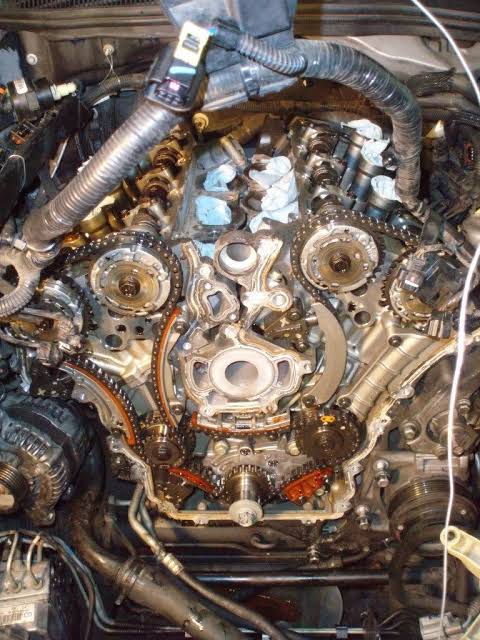
Timing chain wear is one of the best-known concerns associated with earlier versions of the GM High Feature V6. A worn or stretched chain can affect the relationship between the crankshaft and camshafts, potentially causing warning lights, rough operation, reduced performance, startup noise, or timing-related diagnostic codes.
GM published service information and special coverage for premature timing chain wear in certain 2.8-liter and 3.6-liter applications. The affected documentation specifically referenced LP1, LY7, and LLT engines, confirming that the concern was significant enough to require dedicated repair guidance.
Low oil, degraded oil, delayed oil changes, worn tensioners, or damaged guides can make timing-system problems worse. A driver who hears a persistent metallic rattle during startup should not simply turn up the radio and continue driving. Early diagnosis may prevent more extensive internal damage.
Oil Consumption and Oil Leaks
Some GM 3.6 engines may consume oil between services or develop leaks as seals and gaskets age. The greatest danger is not always the consumption itself. The real risk comes when the owner fails to check the oil level.
Running several quarts low can reduce lubrication to timing components, bearings, camshafts, and other moving parts. Drivers should inspect the oil level regularly, especially on a higher-mileage engine or one with an unknown maintenance history.
Oil around the valve covers, front cover, oil pan, or underside of the vehicle should also be investigated. A minor seep may remain manageable, but an active leak can lower the oil level quickly and contaminate nearby components.
Water Pump and Cooling-System Problems
A worn water pump may leak, make noise, or circulate coolant poorly. If the problem is ignored, the engine may overheat. Overheating can damage gaskets, warp metal surfaces, weaken seals, and place severe stress on the cylinder heads.
Cooling-system problems should be treated as urgent. A temperature warning, coolant odor, visible steam, or repeated need to add coolant is not a condition to monitor for several months. The cause should be identified before the vehicle is driven extensively.
Carbon Buildup
Many GM 3.6 applications use spark-ignited direct injection, often identified by GM as SIDI. Official vehicle specifications confirm the use of direct injection and variable valve timing in multiple 3.6-liter applications.
In a direct-injection engine, fuel is sprayed directly into the combustion chamber rather than passing over the backs of the intake valves. As mileage accumulates, deposits can form in the intake system. Severe buildup may contribute to rough idling, hesitation, reduced efficiency, or misfires.
Carbon buildup does not affect every engine equally. Driving patterns, oil vapor entering through the crankcase ventilation system, fuel quality, and engine condition can all influence deposit formation.
Ignition and Sensor Failures
Spark plugs, ignition coils, oxygen sensors, camshaft sensors, crankshaft sensors, and related electrical components can fail as mileage increases. These parts are not necessarily evidence of a fundamentally bad engine, but ignoring a misfire can damage the catalytic converter and place additional stress on the engine.
A flashing Check Engine light generally indicates an active problem that requires immediate attention. Continuing to drive under a severe misfire can transform a relatively straightforward ignition repair into a much more expensive emissions-system or engine repair.
The GM 3.6 is capable of lasting many years, but its survival depends on the owner responding to warning signs. Timing noise, falling oil levels, coolant loss, overheating, and persistent misfires should never be treated as normal characteristics of an aging vehicle.
Which GM 3.6 Engine Years Are the Most Reliable?
Not every version of the GM 3.6L V6 offers the same level of reliability. Over the past two decades, General Motors has continuously refined the High Feature V6 family, addressing many of the issues that affected earlier engines. As a result, later model years generally provide better durability, improved timing components, and fewer reports of excessive oil consumption.
2004–2009 Models
The earliest versions of the GM 3.6 engine introduced advanced technology for their time, including dual overhead camshafts and variable valve timing. However, these engines also developed a reputation for premature timing chain wear, particularly when oil maintenance was neglected. While many examples have accumulated well over 150,000 miles, buyers should carefully review service records before purchasing a vehicle from this period.
If the timing chain has already been replaced using updated components and the engine has received regular maintenance, these older models can still provide dependable service. Nevertheless, they generally carry a higher ownership risk than later versions.
2010–2013 Models
General Motors introduced several improvements during these years, but some engines continued to experience oil consumption concerns and occasional timing chain issues. Reliability improved compared to the earliest models, yet maintenance remained critical.
Before purchasing a used vehicle from this generation, inspect the engine for oil leaks, review maintenance documentation, and verify that all factory service campaigns have been completed. A pre-purchase inspection performed by a qualified technician can identify hidden issues that may not appear during a short test drive.
2014–2017 Models
Many automotive technicians consider this period to represent one of the best balances between performance and reliability. GM revised numerous engine components, resulting in improved timing chain durability and better long-term dependability.
Vehicles from these model years often exceed 200,000 miles with routine maintenance. Oil changes, cooling system service, and prompt repairs remain essential, but catastrophic engine failures are generally less common than in earlier generations.
2018 and Newer Models
The latest versions of the GM 3.6 V6, including the LGX engine found in many Chevrolet, GMC, Buick, and Cadillac models, benefit from years of engineering refinement. Improvements in internal components, engine management, fuel delivery, and manufacturing quality have contributed to stronger long-term reliability.
Although no engine is completely free of problems, later GM 3.6 engines have established a solid reputation for durability when maintained according to the manufacturer’s recommended service schedule.
Overall, if reliability is your highest priority, vehicles built from 2014 onward are generally considered the safest choice. They combine the proven performance of the High Feature V6 with many of the engineering improvements that addressed weaknesses found in earlier models.
How to Make a GM 3.6 Engine Last Over 250,000 Miles
Reaching 250,000 miles with a GM 3.6 engine is entirely possible, but it requires consistent maintenance rather than waiting for problems to develop. Owners who treat maintenance as an investment instead of an expense often enjoy significantly longer engine life and lower repair costs over time.
The most important habit is changing the engine oil and filter on schedule using the oil grade specified by General Motors. Fresh, high-quality oil protects the timing chain, camshafts, bearings, and variable valve timing system while reducing internal wear. Checking the oil level at least once a month is equally important, especially on higher-mileage engines.
Keeping the cooling system in excellent condition is another key factor. Replace coolant at the recommended interval, inspect hoses for deterioration, and repair water pump leaks before they lead to overheating. Even a single overheating event can shorten the life of an otherwise healthy engine.
Air filtration also deserves attention. Replacing the engine air filter when necessary helps maintain proper airflow and reduces contaminants entering the engine. Clean air supports efficient combustion, improved fuel economy, and lower carbon deposits.
Spark plugs should be replaced according to the manufacturer’s maintenance schedule. Worn plugs increase the workload on ignition coils and may cause misfires that reduce engine efficiency. Addressing ignition problems early can prevent costly catalytic converter damage.
Drivers should also avoid ignoring dashboard warning lights. A Check Engine light may indicate a relatively inexpensive repair when diagnosed promptly, but delaying repairs often allows small issues to develop into major engine problems.
Using high-quality fuel from reputable stations can help reduce deposits within the fuel system. Although premium fuel is only necessary when specified by the manufacturer, choosing clean fuel and following recommended maintenance intervals can improve long-term engine performance.
Finally, develop the habit of listening to your engine. New rattles, ticking noises, coolant odors, oil leaks, rough idle, or declining fuel economy often provide early warning that something needs attention. Responding quickly to these symptoms can add tens of thousands of miles to the engine’s service life.
Owners who consistently follow these maintenance practices often report exceeding 250,000 miles, proving that the GM 3.6 V6 is capable of delivering many years of dependable service when properly cared for.
Is a High-Mileage GM 3.6 Engine Worth Buying?
A high-mileage GM 3.6 engine should not automatically discourage potential buyers. In many cases, a well-maintained vehicle with 180,000 miles can be a far better purchase than a neglected example showing only 90,000 miles. The engine’s condition is almost always more important than the number displayed on the odometer.
The first step is reviewing maintenance records. Regular oil changes, cooling system service, spark plug replacement, and documented repairs indicate that the previous owner invested in preventive maintenance. A complete service history also makes it easier to identify whether major repairs, such as timing chain replacement or water pump service, have already been completed.
Next, inspect the engine for visible oil leaks or coolant leaks. Minor seepage may be expected on older vehicles, but significant leaks should be investigated before purchase. Listen carefully during a cold start for unusual rattling that could indicate timing chain wear. The engine should idle smoothly without excessive vibration, knocking, or persistent ticking noises.
A professional pre-purchase inspection is highly recommended. An experienced technician can scan for diagnostic trouble codes, evaluate engine performance, inspect fluid condition, and identify developing problems that may not be obvious during a short test drive. The inspection fee is often insignificant compared with the cost of unexpected engine repairs.
It is also important to consider how the vehicle was used. Highway-driven vehicles typically experience less engine wear than those operated primarily in heavy city traffic or for frequent short trips. Consistent long-distance driving allows the engine to reach normal operating temperature and reduces stress associated with repeated cold starts.
If the vehicle has been properly maintained, drives smoothly, shows no evidence of serious mechanical issues, and passes a thorough inspection, a high-mileage GM 3.6-powered vehicle can still provide many years of reliable transportation. Buyers should focus on overall condition rather than mileage alone, as maintenance history remains the strongest predictor of long-term reliability.
Frequently Asked Questions
How many miles can a GM 3.6 engine last?
A properly maintained GM 3.6 engine can typically last between 150,000 and 200,000 miles under normal driving conditions. Many owners report reaching 250,000 miles or more with consistent oil changes, timely repairs, and regular cooling system maintenance. While some exceptional examples have surpassed 300,000 miles, achieving that milestone depends largely on maintenance history rather than luck.
Is the GM 3.6 engine reliable?
Yes. The GM 3.6L High Feature V6 is generally considered a reliable engine, especially in later model years. Early versions experienced issues such as timing chain wear and increased oil consumption, but GM made significant improvements over time. Vehicles built from approximately 2014 onward are widely regarded as the most dependable.
Which GM 3.6 engine years should I avoid?
If reliability is your primary concern, exercise extra caution with certain 2007–2012 models, particularly if maintenance records are incomplete. These engines were more likely to experience timing chain problems or excessive oil consumption. However, a well-maintained early engine can still provide excellent service, while a neglected newer engine may become expensive to repair.
Does every GM 3.6 engine have timing chain problems?
No. Timing chain issues affected only certain model years and engine variants. Many GM 3.6 engines have never experienced timing chain failures. Regular oil changes using the correct oil specification help minimize wear on timing components and improve long-term reliability.
Is oil consumption normal on a GM 3.6 engine?
Some oil consumption can occur as an engine accumulates mileage, but excessive consumption should never be ignored. Owners should check the oil level regularly between oil changes and investigate any noticeable increase in oil usage. Running the engine with a low oil level can significantly shorten its lifespan.
What type of oil should I use in a GM 3.6 engine?
Always follow the oil viscosity and specification recommended in your owner’s manual. Using the correct oil helps protect the timing chain, variable valve timing system, and other internal components. High-quality synthetic oil is commonly recommended for most modern GM 3.6 applications.
Can a GM 3.6 engine reach 300,000 miles?
Yes, although it is not typical for every engine. Reaching 300,000 miles usually requires excellent maintenance habits, prompt repairs, careful driving, and consistent servicing throughout the vehicle’s life. Engines that receive preventive maintenance are far more likely to achieve exceptionally high mileage.
Is the GM 3.6 engine expensive to maintain?
Routine maintenance costs are comparable to many other modern V6 engines. Oil changes, spark plugs, coolant service, and filters represent normal ownership expenses. Major repairs such as timing chain replacement or water pump replacement can be more expensive, which is why preventive maintenance is usually far more economical than delaying repairs.
Is the GM 3.6 engine a good choice for a used vehicle?
Yes, provided the vehicle has a documented maintenance history and passes a professional pre-purchase inspection. Buyers should prioritize condition, service records, and overall care instead of focusing solely on mileage.
Conclusion
The GM 3.6 engine life expectancy depends far more on maintenance than on mileage alone. While many drivers focus on the number displayed on the odometer, the engine’s service history is usually the strongest indicator of future reliability. A properly maintained GM 3.6 V6 can comfortably exceed 200,000 miles, and many owners have successfully driven well beyond 250,000 miles without requiring a complete engine replacement.
Like any modern engine, the GM 3.6 is not without its weaknesses. Earlier versions were known for timing chain wear, while oil consumption and cooling system issues can affect engines that do not receive proper maintenance. Fortunately, these problems are often manageable when identified early. Regular oil changes, cooling system inspections, prompt repairs, and attention to warning signs can dramatically extend the engine’s service life.
If you are shopping for a used vehicle equipped with the GM 3.6L V6, don’t let high mileage discourage you. Instead, evaluate the vehicle’s maintenance records, inspect its overall condition, and invest in a professional inspection before making a purchase. A well-maintained engine with higher mileage may prove to be a much better investment than a lower-mileage vehicle that has been neglected.
Ultimately, the GM 3.6 remains one of General Motors’ most widely used V6 engines for a reason. It delivers a strong balance of performance, refinement, and longevity when properly maintained. By following the recommended service schedule and addressing minor issues before they become major repairs, owners can maximize the engine’s lifespan and enjoy many years of dependable driving.