If you’re shopping for a used Chevrolet Silverado HD or GMC Sierra HD, one question stands above the rest: Which are the best Duramax engine years? With multiple Duramax generations released since 2001, each offering different levels of reliability, power, emissions technology, and maintenance costs, choosing the right engine can be challenging.
Some Duramax engines have earned legendary status for their durability, routinely exceeding 500,000 miles with proper maintenance. Others introduced new technologies that improved performance but also created expensive repair concerns. Understanding these differences before purchasing a diesel truck can save you thousands of dollars in future maintenance while ensuring you get the towing capability, fuel efficiency, and long-term value you expect.
In this complete buyer’s guide, we’ll compare every major Duramax engine generation, from the pioneering LB7 to the modern L5P. We’ll evaluate each engine based on real-world reliability, common mechanical issues, towing performance, ownership costs, aftermarket support, fuel economy, and resale value. We’ll also identify the Duramax engine years to avoid, helping you make a confident and informed buying decision.
Whether you’re searching for a dependable daily driver, a heavy-duty towing truck, or a long-term investment capable of lasting several hundred thousand miles, this guide will help you determine which Best Duramax Engine Years deserve a place on your shortlist.
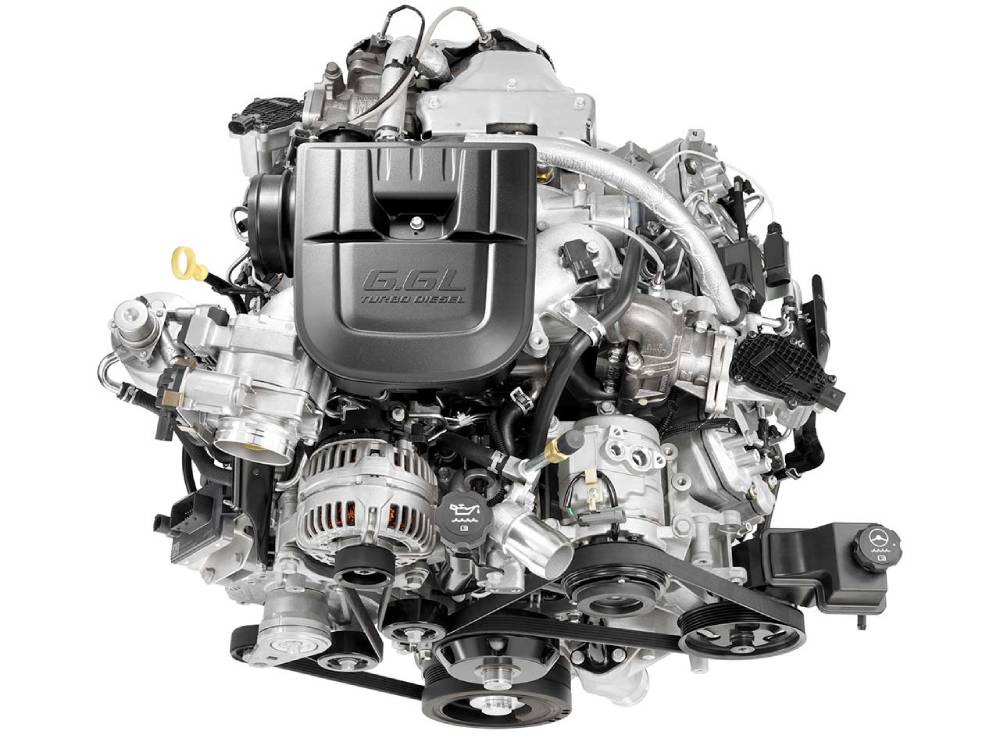
Quick Comparison of Duramax Engine Generations
Before examining each engine in detail, the table below provides a quick overview of the major 6.6 liter Duramax generations used in Chevrolet Silverado HD and GMC Sierra HD trucks. It focuses on factory output, major ownership concerns, and the type of buyer each engine is most likely to suit.
| Duramax Engine | Main Model Years | Approximate Factory Output | Key Strength | Main Concern | Best For |
|---|---|---|---|---|---|
| LB7 | 2001 to early 2004 | Up to 300 hp and 520 lb ft | Simple emissions system and strong fuel economy | Injector failure | Budget buyers who can verify repair history |
| LLY | Mid 2004 to 2005 | Up to 310 hp and 605 lb ft | Easier injector access and solid towing power | Heat and cooling concerns under heavy loads | Buyers seeking an affordable work truck |
| LBZ | 2006 to early 2007 | 360 hp and 650 lb ft | Excellent reliability, tuning support, and durability | High used truck prices | Buyers wanting the best overall balance |
| LMM | Mid 2007 to 2010 | 365 hp and 660 lb ft | Strong performance and proven core design | DPF related maintenance and fuel dilution risks | Towing and daily use on a moderate budget |
| LML | 2011 to 2016 | 397 hp and 765 lb ft | Major torque increase and improved capability | CP4 high pressure fuel pump failure | Buyers prioritizing power and comfort |
| L5P | 2017 to present | Up to 470 hp and 975 lb ft | Outstanding factory power and modern refinement | Higher purchase and repair costs | Heavy towing and modern truck buyers |
The L5P remains the current heavy duty Duramax architecture. GM lists the latest version at 470 horsepower and 975 lb ft of torque, with 90 percent of peak torque available from 1,550 to 2,850 rpm. This broad torque delivery helps explain why newer Duramax trucks feel composed when launching with a heavy trailer or climbing a grade.
These numbers should not be the only factor in your buying decision. An older LB7 or LBZ with complete maintenance records may be a safer purchase than a newer truck that has been neglected, modified aggressively, or used for constant heavy towing. Engine condition, service history, transmission health, rust, and emissions system condition can matter more than the badge on the valve cover.
How We Ranked the Best Duramax Engine Years
Choosing the best Duramax engine years requires more than comparing horsepower and torque figures. A diesel truck can produce impressive power while still exposing its owner to expensive fuel system, emissions, cooling, or injector repairs. For that reason, this ranking considers the entire ownership experience.
Long Term Reliability
Reliability carries the most weight in our ranking. We looked at whether each engine has a reputation for surviving high mileage without requiring major internal repairs. The strongest candidates must offer a durable block, dependable cylinder heads, a robust rotating assembly, and manageable supporting systems.
A high mileage engine is not automatically a reliable engine. Some trucks reach impressive odometer readings only after receiving injectors, turbochargers, fuel pumps, head gaskets, or complete transmission rebuilds. Our assessment therefore considers both potential lifespan and the cost required to reach it.
Common Failure Points
Every Duramax generation has a weakness. The LB7 is associated with injector concerns. Certain LLY trucks can struggle with heat when towing heavily. The LML is often discussed because a high pressure fuel pump failure may contaminate other parts of the fuel system. Later engines include more sophisticated emissions equipment, which can add new maintenance requirements.
The presence of a known issue does not automatically make an engine bad. What matters is how frequently the problem occurs, how expensive it is to repair, and whether preventive upgrades or updated replacement parts are available.
Repair and Maintenance Costs
Diesel repairs can become expensive quickly, particularly when labor requires extensive disassembly. We ranked engines more favorably when common service items are accessible, replacement parts are widely available, and independent diesel shops understand the platform.
Routine costs also matter. Oil capacity, fuel filter replacement, cooling system service, transmission maintenance, and emissions related repairs can substantially affect the real cost of ownership. Buyers who focus only on purchase price may discover that the cheapest truck becomes the most expensive one to keep.
Towing Performance
Duramax engines are commonly purchased for towing, so usable torque is a major consideration. We evaluated low speed response, temperature control, factory power, transmission pairing, and the engine’s ability to work under load.
Modern L5P engines have a clear output advantage. GM’s current specifications list 470 horsepower and 975 lb ft, while the broad torque curve supports confident acceleration under load. Older generations may produce less power, but their simpler systems and lower purchase prices can still make them attractive to buyers who tow less frequently.
Fuel Economy
Official fuel economy ratings are not normally published for heavy duty pickups in the same way they are for light duty passenger vehicles. Real world consumption also varies with axle ratio, tire size, vehicle weight, driving speed, modifications, weather, and trailer weight.
For this reason, fuel economy is treated as a supporting factor rather than a fixed ranking score. Earlier trucks may benefit from lighter curb weights and simpler emissions equipment, while newer trucks offer more advanced fuel management and transmissions with additional gears.
Aftermarket Support
A strong aftermarket makes an older diesel easier to own. Replacement injectors, upgraded cooling components, fuel system protection products, monitoring equipment, and towing focused suspension parts can extend the useful life of a truck.
The LBZ receives high marks in this category because it has extensive aftermarket support and a large knowledge base among diesel technicians and owners. However, buyers should be careful with heavily modified trucks. Additional power can accelerate wear on the transmission, turbocharger, head gaskets, pistons, and driveline.
Resale Value
Resale value reflects more than age. Desirable combinations, especially clean LBZ trucks with limited modifications, can command unusually high prices because buyers appreciate their balance of power, simplicity, and durability.
Newer L5P trucks also retain strong value because of their towing capability, comfort, and modern technology. However, their higher initial prices mean depreciation can represent a larger dollar amount.
Overall Ownership Experience
Our final ranking balances dependability, repair exposure, performance, usability, parts availability, and value. No Duramax generation is perfect for every buyer. The best choice depends on whether you need an inexpensive work truck, a comfortable daily driver, a dedicated tow vehicle, or a collectible example of a highly regarded generation.
Duramax Engine Timeline From 2001 to Present
The 6.6 liter Duramax V8 entered Chevrolet and GMC heavy duty trucks for the 2001 model year. Since then, General Motors has repeatedly updated the engine to increase power, meet emissions requirements, improve refinement, and support higher towing capacities. The engine family continues today, with GM offering the latest L5P as its heavy duty Duramax diesel.
LB7: 2001 to Early 2004
The LB7 introduced the Duramax name to Chevrolet Silverado HD and GMC Sierra HD buyers. It used common rail direct injection, an aluminum cylinder head design, and an electronically controlled fuel system that helped make the truck quieter and more responsive than many older diesel pickups.
One of the LB7’s biggest attractions is its relatively simple emissions configuration. It arrived before diesel particulate filters and diesel exhaust fluid became part of the heavy duty ownership experience. This simplicity, combined with respectable fuel economy and a strong bottom end, continues to attract used truck buyers.
Its defining weakness is injector failure. The original injector placement also makes replacement labor intensive because the injectors sit beneath the valve covers. A truck with documented replacement injectors from a reputable manufacturer can still be an excellent purchase, but an undocumented example should be priced with potential injector work in mind.
LLY: Mid 2004 to 2005
The LLY updated the Duramax with revised injectors, easier injector access, emissions related changes, and increased output. It remained a capable and durable engine, but it developed a reputation for running hot in certain demanding situations, especially during heavy towing in warm weather.
Not every LLY overheats, and maintenance condition plays a major role. A clean cooling stack, functioning fan clutch, healthy water pump, correct coolant, and unrestricted airflow can make a substantial difference. Buyers planning to tow near the truck’s limits should inspect the cooling system carefully and determine whether sensible cooling upgrades have been completed.
The LLY can represent good value because it is often less expensive than an LBZ while still providing strong performance and improved injector serviceability.
LBZ: 2006 to Early 2007
The LBZ is widely regarded as one of the most desirable Duramax generations. It combined stronger factory output with a proven engine architecture, excellent aftermarket support, and fewer modern emissions components than later trucks.
It also benefited from a highly regarded version of the Allison automatic transmission and offered enough factory power to handle serious towing without requiring aggressive modifications. Because it predates the diesel particulate filter used on later generations, many buyers view it as a sweet spot between older mechanical simplicity and newer electronic performance.
The main obstacle is price. Clean LBZ trucks are difficult to find, and sellers often understand their desirability. A neglected or heavily tuned LBZ should not receive a premium simply because of its engine code. Condition and documentation remain essential.
LMM: Mid 2007 to 2010
The LMM followed the LBZ and introduced a diesel particulate filter as part of its emissions system. The engine retained much of the strength of the previous architecture while adding more power and meeting stricter emissions standards.
The DPF periodically requires regeneration, a process that raises exhaust temperature to burn accumulated soot. Trucks used mainly for short journeys may experience more emissions related trouble because the system may not receive enough time at operating temperature to complete regeneration effectively.
GM owner documentation for later Duramax models confirms that the diesel particulate filter traps particulates within the exhaust system. For buyers who regularly travel at highway speeds or tow longer distances, an LMM can still deliver a strong combination of capability and value.
LML: 2011 to 2016
The LML brought a substantial increase in torque, improved refinement, and a more advanced emissions system that included selective catalytic reduction and diesel exhaust fluid. These changes helped the engine produce more power while meeting increasingly strict emissions requirements.
Its most discussed weakness is the Bosch CP4 high pressure fuel pump. If the pump fails internally, metal debris can spread through the fuel system and turn a single component failure into a costly repair involving injectors, lines, rails, and other parts.
That concern should not erase the LML’s advantages. It offers excellent towing performance, a quieter driving experience, a comfortable truck platform, and broad parts support. Buyers should prioritize complete fuel filter records, clean fuel practices, professional inspections, and evidence that the truck has not been subjected to careless tuning.
L5P: 2017 to Present
The L5P represented a major redesign and delivered a considerable increase in factory output. It introduced a stronger fuel system, improved turbocharger control, better airflow, revised internal components, and greater refinement.
Current GM specifications list the latest L5P at 470 horsepower and 975 lb ft of torque. GM also states that 90 percent of peak torque is available across a wide range from 1,550 to 2,850 rpm. This makes the engine especially well suited to heavy towing, highway merging, and maintaining speed on long grades.
The L5P avoids the CP4 concern associated with the LML, but it is not inexpensive to own. Newer trucks include complex emissions, electronic, and fuel delivery systems. Parts and labor can be costly, and the purchase price remains substantially higher than that of most older Duramax trucks.
For buyers who want maximum factory capability, modern safety technology, a quieter cabin, and fewer age related concerns, the L5P is one of the strongest choices. For buyers who prefer simplicity and lower acquisition costs, an older generation with excellent maintenance records may offer better overall value.
6. LML (2011 to 2016)
The LML marked a significant leap forward for the Duramax lineup. It introduced higher horsepower, greater torque, and improved towing capability while meeting stricter emissions regulations. For buyers who wanted a more refined heavy duty diesel truck without stepping into the latest generation, the LML quickly became a popular choice.
From the factory, the LML produces up to 397 horsepower and 765 lb ft of torque. These figures made it one of the most capable diesel pickups of its era, delivering confident acceleration even when hauling heavy trailers. Combined with the Allison transmission, the truck offers smooth shifting and excellent highway performance, making it a favorite among RV owners, contractors, and long distance travelers.
The biggest concern surrounding the LML is the Bosch CP4 high pressure fuel pump. Although many trucks accumulate hundreds of thousands of miles without experiencing a failure, a malfunctioning CP4 pump can send metal debris throughout the entire fuel system. Repairs may require replacing injectors, fuel rails, fuel lines, and other expensive components, resulting in repair bills that can easily reach several thousand dollars.
Fortunately, preventive maintenance greatly improves the odds of long term reliability. Regular fuel filter changes, purchasing diesel from reputable stations, avoiding contaminated fuel, and monitoring fuel pressure all contribute to extending fuel system life. Many owners also choose aftermarket fuel system protection kits that reduce the potential damage should the pump fail.
Aside from the CP4 concern, the LML is an exceptionally capable engine. It offers excellent towing stability, quiet highway cruising, improved interior comfort compared with earlier trucks, and abundant aftermarket support. Well maintained examples routinely exceed 300,000 miles while continuing to serve as dependable work trucks.
Pros
Excellent towing performance
Powerful factory torque
Comfortable modern truck platform
Strong aftermarket support
Excellent highway manners
Cons
Potentially expensive CP4 fuel pump failure
More complex emissions system
Higher maintenance costs than earlier generations
Reliability Score: 8.5/10
The LML is an excellent truck for buyers who prioritize power and comfort, provided they purchase a well maintained example with documented service history.
5. LMM (2007.5 to 2010)
The LMM occupies an interesting place in Duramax history. It retained much of the legendary durability of the LBZ while introducing the diesel particulate filter to comply with stricter emissions standards. Although some enthusiasts initially viewed the emissions equipment with skepticism, the core engine itself remains exceptionally robust.
Factory output increased slightly to 365 horsepower and 660 lb ft of torque, providing plenty of capability for towing large campers, horse trailers, construction equipment, and fifth wheel RVs. Daily drivability also improved thanks to refined engine calibration and smoother power delivery.
The primary maintenance consideration is the diesel particulate filter. Trucks used primarily for short trips may struggle to complete regeneration cycles, eventually leading to increased soot accumulation and reduced efficiency. Owners who regularly tow or spend time on the highway generally experience fewer regeneration related concerns because the engine reaches proper operating temperature more consistently.
Mechanically, the LMM continues to benefit from the strong foundation established by previous Duramax generations. The block, crankshaft, connecting rods, and cylinder heads have earned an excellent reputation for longevity when serviced properly. Routine maintenance such as oil changes, cooling system service, transmission fluid replacement, and fuel filter changes remains the key to achieving high mileage.
Another advantage of the LMM is value. Used truck prices are typically lower than comparable LBZ models, making the LMM an attractive option for buyers who want a capable diesel without paying the premium often associated with the highly sought after 2006 and 2007 trucks.
Pros
Strong engine durability
Excellent towing capability
Lower purchase price than LBZ
Widely available replacement parts
Good balance between performance and value
Cons
Diesel particulate filter maintenance
Reduced efficiency during frequent short trips
More emissions components than earlier engines
Reliability Score: 8.8/10
For buyers seeking a dependable heavy duty diesel at a reasonable price, the LMM delivers impressive long term value while avoiding many of the high cost concerns associated with later fuel systems.
4. LLY (Mid 2004 to 2005)
The LLY represented the first major evolution of the original Duramax platform. General Motors improved injector accessibility, increased power output, and refined engine management while maintaining the dependable characteristics that made the early Duramax successful.
Producing up to 310 horsepower and 605 lb ft of torque, the LLY remains more than capable of handling daily work, recreational towing, and long highway trips. Although these numbers appear modest compared with today’s diesel pickups, they continue to satisfy many owners who value reliability over maximum horsepower.
The LLY is best known for its reputation regarding elevated operating temperatures while towing under demanding conditions. This issue is often misunderstood. Not every LLY experiences overheating, and many trucks perform flawlessly for years. In many cases, restricted airflow caused by debris in the radiator stack, worn fan clutches, aging thermostats, or neglected cooling systems contributes significantly to higher temperatures.
Owners who properly maintain the cooling system often report outstanding reliability well beyond 300,000 miles. Cleaning the radiator stack, replacing worn cooling components, and ensuring unrestricted airflow can dramatically improve towing performance during hot weather.
Another benefit of the LLY is its affordability. Because many buyers focus exclusively on the more famous LBZ, the LLY is frequently overlooked in the used truck market. This creates an opportunity for knowledgeable buyers to purchase a capable Duramax at a substantially lower price while still enjoying dependable long term ownership.
Pros
Affordable purchase price
Improved injector accessibility
Strong towing capability
Reliable engine architecture
Excellent value for work trucks
Cons
Cooling system requires close attention
Less powerful than later generations
Smaller aftermarket following than the LBZ
Reliability Score: 9.0/10
For buyers willing to inspect the cooling system carefully before purchase, the LLY offers an impressive combination of durability, affordability, and everyday usability, making it one of the best value propositions in the entire Duramax lineup.
3. LB7 (2001 to Early 2004)
The LB7 holds a special place in Duramax history because it was the engine that introduced General Motors’ modern diesel platform to the heavy duty pickup market. Even more than two decades after its debut, many well maintained LB7 trucks remain on the road with well over 300,000 miles, proving that a simple and durable design can stand the test of time.
Factory output was rated at 300 horsepower and 520 lb ft of torque, impressive figures when the engine was introduced. More importantly, the LB7 delivered smooth power, excellent fuel economy for a heavy duty pickup, and a driving experience that felt significantly more refined than many diesel competitors of its era.
One of the biggest advantages of the LB7 is its simplicity. It predates diesel particulate filters, diesel exhaust fluid, and many of the emissions systems found on later trucks. Fewer emissions components generally mean fewer expensive parts that can fail as the truck ages. For buyers who prefer a straightforward diesel platform that is easier to understand and maintain, the LB7 remains an attractive option.
Its most well known weakness is injector failure. Early injectors developed a reputation for premature wear, and replacement is labor intensive because the injectors are located beneath the valve covers. However, this issue should be viewed in context. Many surviving LB7 trucks have already received updated injectors, and documented injector replacement is often considered a major selling point rather than a liability.
The aftermarket also continues to support the LB7 exceptionally well. Replacement injectors, upgraded turbochargers, improved cooling components, suspension upgrades, and towing accessories remain widely available. Diesel technicians across North America are familiar with the platform, making repairs relatively straightforward compared with newer engines that incorporate more complex electronic and emissions systems.
When shopping for an LB7, maintenance history is far more important than mileage alone. A truck with complete service records, regular oil changes, clean transmission fluid, documented injector replacement, and minimal corrosion can easily outperform a lower mileage truck that has been neglected.
Pros
Simple emissions free design
Excellent aftermarket support
Strong long term durability
Good fuel economy
Lower purchase price than newer generations
Cons
Injector replacement can be expensive
Older trucks may require suspension and steering refreshes
Interior technology is dated compared with newer models
Reliability Score: 9.3/10
For buyers seeking an affordable diesel truck with proven longevity and straightforward maintenance, the LB7 continues to be one of the smartest purchases in today’s used truck market.
2. L5P (2017 to Present)
The L5P represents the most advanced Duramax engine General Motors has ever produced. Rather than being a simple evolution of previous engines, it was extensively redesigned to deliver significantly higher performance, greater refinement, improved durability, and enhanced towing capability.
Current factory specifications reach as high as 470 horsepower and 975 lb ft of torque, making the L5P one of the most powerful diesel engines available in a heavy duty pickup. Acceleration is effortless, even with substantial trailer weight, while the Allison transmission provides smooth, confident gear changes under demanding conditions.
Beyond raw performance, the L5P benefits from numerous engineering improvements. The engine features a stronger block, revised cylinder heads, an improved fuel injection system, enhanced airflow, a more efficient turbocharger, and upgraded cooling. These changes contribute to better throttle response, quieter operation, and excellent reliability when maintained according to factory recommendations.
Unlike the previous LML generation, the L5P does not use the Bosch CP4 high pressure fuel pump that generated significant concern among diesel owners. This alone gives many buyers greater confidence when purchasing a newer Duramax truck.
Technology is another major advantage. Trucks equipped with the L5P typically include advanced trailering features, integrated brake controllers, improved infotainment systems, modern driver assistance technologies, and significantly more comfortable interiors. Buyers who spend long hours towing across the country often appreciate these improvements just as much as the engine itself.
The primary disadvantage is cost. Purchase prices remain high, insurance costs may be greater, and repairs involving modern electronic systems or emissions components can be expensive once the vehicle is outside warranty coverage. Even routine maintenance generally costs more than maintaining an older Duramax platform.
Despite these expenses, the L5P offers an ownership experience that is difficult to match. It combines exceptional power, refined road manners, outstanding towing confidence, and impressive long term durability in one package.
Pros
Best factory horsepower and torque
Excellent towing performance
Highly refined driving experience
Improved fuel system compared with the LML
Outstanding overall reliability
Modern safety and technology features
Cons
Highest purchase price
More expensive maintenance and repairs
Complex electronic and emissions systems
Reliability Score: 9.6/10
The L5P is the ideal choice for buyers who want the latest technology, maximum towing capability, and a modern heavy duty truck that can perform demanding work while remaining comfortable enough for everyday driving.
1. LBZ (2006 to Early 2007)
When diesel enthusiasts debate the best Duramax engine ever built, one name consistently rises to the top of the conversation: the LBZ. Although it was produced for a relatively short period, the LBZ has earned a legendary reputation thanks to its remarkable balance of reliability, simplicity, performance, and long term value.
Factory output increased to 360 horsepower and 650 lb ft of torque, giving the truck significantly more capability than earlier generations while maintaining excellent drivability. More importantly, the engine arrived before the introduction of the diesel particulate filter, allowing owners to enjoy impressive performance without many of the additional emissions related maintenance concerns found on later trucks.
The LBZ also benefits from one of the strongest combinations of engine and transmission ever installed in a General Motors heavy duty pickup. The proven Allison automatic transmission complements the engine’s broad torque curve, providing smooth shifts, dependable towing performance, and excellent longevity under heavy loads.
Reliability is where the LBZ truly separates itself from the competition. The engine is widely known for its robust bottom end, durable internal components, dependable fuel system, and relatively low incidence of major mechanical failures when serviced correctly. It is not uncommon to find well maintained LBZ trucks exceeding 400,000 or even 500,000 miles while continuing to perform demanding towing and hauling duties.
Another reason the LBZ remains so desirable is its exceptional tuning potential. The engine responds well to carefully engineered performance upgrades, yet it is equally impressive in completely stock form. Many buyers actually prefer unmodified trucks because they have often experienced less mechanical stress throughout their lives.
Resale value is another area where the LBZ excels. Clean, rust free examples with documented maintenance frequently command prices that surprise first time buyers. Although these trucks are nearly two decades old, demand continues to exceed supply because knowledgeable diesel enthusiasts understand exactly what they are purchasing.
Finding an excellent LBZ requires patience. Many examples have accumulated high mileage, been heavily modified, or spent years towing extremely heavy loads. A comprehensive pre purchase inspection remains essential. Buyers should carefully examine maintenance records, transmission performance, suspension wear, steering components, rust, and signs of aftermarket tuning before making a decision.
For those fortunate enough to find a well preserved example, the LBZ offers one of the finest ownership experiences available in the used diesel truck market. It successfully combines old school mechanical simplicity with modern levels of power and refinement, a combination that has become increasingly rare.
Pros
Outstanding long term reliability
Excellent balance of power and durability
No diesel particulate filter
Exceptional towing capability
Excellent aftermarket support
High resale value
Strong Allison transmission pairing
Cons
High demand keeps used prices elevated
Clean examples can be difficult to find
Many trucks have accumulated high mileage
Reliability Score: 9.9/10
The LBZ earns the top position because it delivers the best overall combination of durability, performance, simplicity, maintenance costs, and long term ownership satisfaction. While every Duramax generation has its strengths, the LBZ remains the benchmark against which all others continue to be measured.
Duramax Engine Years to Avoid
When discussing the best Duramax engine years, it is equally important to understand which model years deserve extra caution. This does not necessarily mean these engines should be avoided entirely. Many of them have provided hundreds of thousands of miles of dependable service. However, certain generations are associated with known issues that can significantly increase ownership costs if they have not been properly maintained.
Early LB7 Models
The early LB7 remains a durable engine overall, but injector failure is its most recognized weakness. Because the injectors are mounted beneath the valve covers, replacement requires considerable labor, making repairs more expensive than many buyers expect.
The good news is that many surviving LB7 trucks have already received updated injectors. If the seller can provide invoices documenting the repair, the injector issue becomes much less concerning. In many cases, a truck with updated injectors is a better investment than one with low mileage but no documented maintenance history.
Before purchasing an LB7, inspect service records carefully and verify that routine maintenance has been performed consistently. A neglected truck will almost always cost more to own than a properly maintained example with higher mileage.
LML Models with Unknown Fuel System History
The LML is one of the most capable Duramax engines ever built, but buyers should pay close attention to the fuel system.
The Bosch CP4 high pressure fuel pump has become the most widely discussed reliability concern for this generation. Although failures are not guaranteed, a failed pump can contaminate the entire fuel system with metal particles, resulting in an expensive repair.
When considering an LML, ask for documentation showing regular fuel filter replacements, high quality diesel fuel usage, and any preventive upgrades that may have been installed. Trucks with complete maintenance records are generally a much safer purchase than those with an unknown service history.
Heavily Modified Trucks
Regardless of engine generation, heavily modified diesel trucks often present greater risk than stock vehicles.
Aggressive tuning can increase cylinder pressure, exhaust gas temperatures, and transmission stress. While professionally engineered modifications can be reliable, poorly executed performance upgrades may shorten the life of the engine, transmission, turbocharger, injectors, and driveline components.
Signs of excessive modification include oversized aftermarket turbochargers, oversized injectors, evidence of racing or sled pulling, poorly installed electrical wiring, and missing emissions components where applicable.
Unless you fully understand the modifications and their impact, purchasing a stock or lightly modified truck is usually the safer decision.
Poor Maintenance Is a Bigger Problem Than Engine Choice
Perhaps the most important lesson for used diesel buyers is that maintenance history matters more than engine code.
A carefully maintained LML may provide a far better ownership experience than a neglected LBZ. Likewise, an LB7 with complete service records can easily outperform a lower mileage truck that has been ignored for years.
Always evaluate the complete condition of the truck rather than focusing solely on the engine generation.
Which Duramax Engine Is Best for You?
Every buyer has different priorities. The best Duramax engine for one owner may not be the ideal choice for another. Your budget, towing requirements, annual mileage, and willingness to perform maintenance should all influence your decision.
Best Overall
Winner: LBZ
The LBZ offers the best balance of reliability, performance, simplicity, and long term ownership costs. It continues to command premium prices because experienced diesel owners recognize its outstanding reputation.
Best for Heavy Towing
Winner: L5P
If maximum towing capability is your priority, the L5P stands above every previous Duramax generation. Its impressive torque, refined transmission calibration, and modern cooling system make it exceptionally capable when pulling large trailers.
Best Budget Purchase
Winner: LB7
Buyers with limited budgets should strongly consider a well maintained LB7. Purchase prices remain relatively affordable, replacement parts are widely available, and experienced diesel technicians are familiar with the platform.
Best Daily Driver
Winner: LML
For drivers who spend considerable time commuting while occasionally towing, the LML offers an excellent combination of comfort, performance, and modern features. A truck with documented maintenance can provide years of dependable service.
Best Value
Winner: LLY
The LLY often represents one of the best values in the used diesel market. Because many buyers overlook it in favor of the LBZ, prices are frequently lower despite the engine’s excellent durability and strong towing capability.
Best Long Term Investment
Winner: LBZ
Well preserved LBZ trucks continue to retain remarkable resale value. While purchase prices are higher than many other used Duramax models, depreciation is relatively slow because demand remains consistently strong.
Buying Tips for a Used Duramax
Purchasing a used diesel truck requires more than checking mileage and taking a short test drive. A careful inspection can prevent expensive surprises after the sale.
Start by reviewing maintenance records. Oil changes, fuel filter replacements, transmission service, cooling system maintenance, and differential fluid changes should all be documented whenever possible.
Inspect the engine carefully for oil leaks, coolant leaks, damaged wiring, and signs of poor quality repairs. A clean engine compartment does not necessarily indicate a well maintained truck, so always look beyond appearance.
Check the transmission during a road test. Gear changes should be smooth and consistent without slipping, harsh engagement, or delayed shifts. An Allison transmission is exceptionally durable, but neglect or excessive performance tuning can shorten its lifespan.
Examine the cooling system thoroughly. Look for coolant contamination, damaged hoses, radiator corrosion, and evidence that the cooling stack has been cleaned regularly.
Inspect the suspension, steering, and braking systems. Heavy duty trucks often spend years towing trailers or carrying substantial payloads, which can accelerate wear on ball joints, tie rods, shocks, wheel bearings, and steering components.
Rust deserves careful attention, especially on trucks that have spent winters in regions where road salt is common. Surface rust is often manageable, but structural corrosion affecting the frame should be treated as a serious warning sign.
Use a professional scan tool to check for stored diagnostic trouble codes, even if the check engine light is not illuminated. Hidden fault codes can reveal developing problems before they become obvious during everyday driving.
Finally, invest in a pre purchase inspection by an experienced diesel technician. The cost of a professional inspection is minimal compared with the potential expense of major engine or transmission repairs.
Frequently Asked Questions
Which Duramax engine is considered the most reliable?
The LBZ is widely regarded as the most reliable Duramax engine because it combines excellent durability, strong factory performance, and fewer emissions related components than later generations.
Which Duramax engine lasts the longest?
With proper maintenance, nearly every Duramax generation can exceed 300,000 miles. Many LB7, LBZ, LMM, and L5P engines have surpassed 500,000 miles while remaining mechanically sound.
Is high mileage a reason to avoid buying a Duramax?
Not necessarily. Service history is generally more important than mileage. A well maintained truck with 300,000 miles may be a better investment than a neglected truck with half that distance.
Is the L5P worth the higher price?
Yes, for buyers who value maximum towing capability, modern technology, and improved refinement. However, older generations may offer better value if your budget is limited.
Can a Duramax tow every day?
Absolutely. Duramax engines were designed for demanding work. Routine maintenance, quality fuel, and proper cooling system care are the keys to maintaining long term reliability under heavy towing conditions.
Final Verdict
Choosing the Best Duramax Engine Years ultimately depends on your priorities, but several clear conclusions emerge after comparing every major generation.
If your goal is to own the most balanced and dependable diesel truck available, the LBZ remains the benchmark. Its combination of durability, strong performance, minimal emissions complexity, and exceptional resale value continues to make it the favorite among experienced diesel enthusiasts.
If you want cutting edge performance, class leading towing capability, and the latest technology, the L5P is the clear choice. Although it commands a significantly higher purchase price, it rewards owners with outstanding refinement, impressive factory power, and excellent long term potential.
Buyers working with tighter budgets should not overlook the LB7, LLY, or LMM. A carefully maintained example from any of these generations can provide years of dependable service while costing substantially less than newer trucks.
The most important takeaway is that maintenance history will always outweigh engine code. A truck with documented service records, careful ownership, and a thorough pre purchase inspection is almost always the smarter investment.
Before making your final decision, compare maintenance records, inspect the vehicle carefully, and consider how you plan to use the truck over the next several years. By matching the right Duramax generation to your budget and driving needs, you can confidently purchase a diesel pickup capable of delivering exceptional performance and reliability for hundreds of thousands of miles.