The GM 3.6L V6 engine has powered millions of vehicles across the Chevrolet, GMC, Buick, and Cadillac lineup for nearly two decades. Praised for its smooth power delivery, respectable fuel efficiency, and versatility, this engine has found its way into family SUVs, midsize sedans, luxury vehicles, and even performance cars like the Chevrolet Camaro. However, despite its popularity, the engine has also developed a reputation for several recurring mechanical issues that have frustrated many owners.
If you’ve noticed unusual engine noises, increased oil consumption, a persistent Check Engine Light, or declining performance, you’re not alone. Many of these symptoms can be traced back to well-documented GM 3.6 engine problems that affect certain model years and engine generations. While some issues are relatively inexpensive to fix when caught early, others can lead to catastrophic engine damage if ignored.
The good news is that not every GM 3.6L V6 is destined to fail. Later versions of the engine received significant engineering improvements, and even earlier models can deliver well over 200,000 miles with proper maintenance. Understanding the most common problems, recognizing the warning signs, and following the correct maintenance schedule are the keys to maximizing reliability.
In this complete guide, you’ll learn everything you need to know about GM 3.6 engine problems, including the most common failures, their symptoms, underlying causes, repair costs, affected model years, and proven solutions. Whether you’re troubleshooting an existing issue, considering the purchase of a used GM vehicle, or simply looking to extend the life of your engine, this guide will help you make informed decisions and avoid costly repairs.
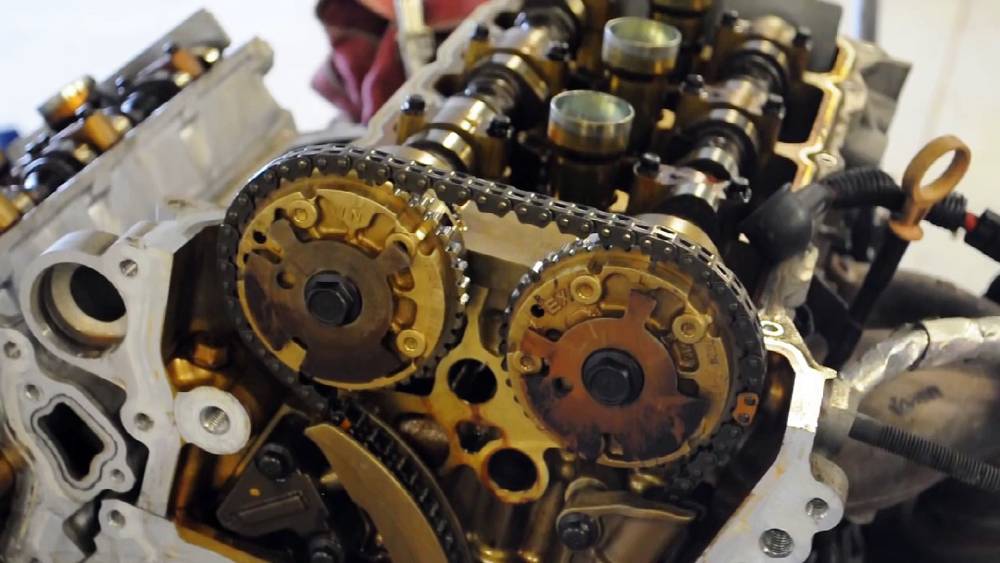
Overview of the GM 3.6L V6 Engine
The GM 3.6L V6 belongs to the High Feature engine family developed for a wide range of General Motors vehicles. Depending on the model and production year, drivers may find this engine in Chevrolet, Buick, GMC, Cadillac, Saturn, Pontiac, and Holden vehicles. Its broad application is one reason discussions about GM 3.6 engine problems appear so frequently. Millions of drivers have experienced different versions of the engine under very different operating conditions.
At its core, the GM 3.6 is an aluminum V6 with dual overhead camshafts, four valves per cylinder, and variable valve timing. Many versions also use gasoline direct injection. These technologies allow the engine to produce strong horsepower without requiring a large displacement. GM documentation identifies later versions such as the LGX as 3.6 liter V6 engines equipped with direct injection, dual overhead camshafts, variable valve timing, and aluminum construction.
The LLT became one of the most widely recognized early direct injection versions. It appeared in vehicles such as the Cadillac CTS, Chevrolet Camaro, GMC Acadia, Buick Enclave, and Chevrolet Traverse. It offered impressive performance, but early applications became associated with timing chain wear, oil consumption, and carbon accumulation.
The LFX followed with design revisions intended to improve efficiency, reduce weight, and address weaknesses found in earlier engines. It was used in vehicles such as the Chevrolet Camaro, Impala, Equinox, and Traverse. Although the LFX is generally considered an improvement, it can still develop oil leaks, cooling system faults, ignition problems, and timing related issues when maintenance is neglected.
The newer LGX introduced further changes to combustion, airflow, fuel delivery, and cylinder management in certain applications. It appears in models such as the Cadillac XT5, Chevrolet Blazer, GMC Acadia, Chevrolet Colorado, and GMC Canyon. Later engines are not free from problems, but they generally benefit from lessons learned during the development of the earlier LLT and LFX versions.
Understanding which engine code is installed in a vehicle is essential before diagnosing a problem. Two vehicles may both advertise a 3.6L V6, yet use different components, service procedures, and engine control systems. Owners should confirm the engine code through the vehicle identification number, service records, or an authorized parts catalog before ordering replacement parts.
Why Does the GM 3.6 Engine Have So Many Reported Problems?
The large number of complaints does not necessarily mean every GM 3.6 engine is unreliable. The engine family has been installed in many vehicles across several brands, so even a failure affecting a relatively small percentage of engines can generate thousands of owner reports. GM continues to operate through Chevrolet, Buick, GMC, and Cadillac, all of which have used 3.6L V6 engines in numerous applications.
Complexity is another major factor. The GM 3.6 uses multiple timing chains, variable valve timing components, electronically controlled fuel injection, numerous sensors, and tightly managed lubrication passages. These systems help the engine produce competitive power and efficiency, but they also increase the number of components that can wear, clog, or fail.
Oil maintenance is especially important. Timing chain tensioners and camshaft actuators depend on clean oil at the correct pressure. When oil becomes dirty, runs low, or remains in service for too long, small oil passages may become restricted. The chain tensioners may not operate correctly, while the camshaft actuators can respond slowly or become stuck. What begins as an extended oil change interval can eventually produce rattling, fault codes, poor performance, or major internal damage.
Oil consumption makes the situation more dangerous. An owner may follow the dashboard oil life monitor but fail to check the dipstick between services. If the engine consumes enough oil, the lubrication level can become critically low before the next scheduled change. The warning light may not appear until oil pressure has already dropped, leaving timing components, camshafts, and bearings vulnerable.
Direct injection can also contribute to carbon accumulation. In a traditional port injection engine, fuel passes over the intake valves and helps remove deposits. In a direct injection engine, fuel enters the combustion chamber without washing the back of the valves. Oil vapor from the crankcase ventilation system can therefore collect on the intake valves and gradually harden into carbon deposits.
Vehicle weight and driving conditions matter as well. A 3.6L engine working in a heavy crossover may experience more sustained load than the same basic engine in a lighter sedan. Frequent short journeys, extended idling, towing, high temperatures, and neglected cooling system maintenance can further accelerate wear.
The most effective defense is consistent preventive care. Checking the oil level regularly, using oil that meets the required GM specification, responding quickly to warning lights, and investigating unusual noises can prevent a manageable problem from becoming an engine replacement.
1. Timing Chain Stretch
Timing chain wear is one of the best known GM 3.6 engine problems, particularly in some earlier High Feature V6 applications. The engine uses a primary chain and secondary chains to synchronize the crankshaft with the camshafts. This arrangement allows precise valve timing, but it also creates a complicated system with chains, guides, tensioners, sprockets, and camshaft actuators.
The term timing chain stretch does not usually mean that the metal links physically stretch like rubber. Instead, wear develops at the chain pins, links, guides, and sprockets. The accumulated clearance makes the chain effectively longer. Once the engine control module can no longer keep the crankshaft and camshafts within the expected relationship, it may store correlation fault codes.
Common symptoms include a rattling sound during a cold start, a persistent Check Engine Light, rough idle, reduced acceleration, difficult starting, increased fuel consumption, and occasional misfires. Common diagnostic codes may include P0008, P0009, P0016, P0017, P0018, and P0019. A brief startup noise does not automatically confirm chain failure, but repeated rattling combined with correlation codes deserves immediate diagnosis.
Low oil level and degraded oil are major risk factors because the hydraulic tensioners depend on adequate oil pressure. When a tensioner cannot maintain pressure, the chain may slap against its guides. Continued operation can damage the guides, alter valve timing, and allow the chain to skip one or more teeth.
Repairing the problem usually involves more than replacing a single chain. A complete service may require new chains, guides, tensioners, seals, gaskets, fluids, and sometimes sprockets or camshaft actuators. The front of the engine must be opened, making labor a significant part of the total cost. The exact procedure varies by engine generation and vehicle layout, but the GM 3.6 timing system includes three chains, which helps explain the complexity of the repair.
Owners should not immediately approve a timing chain replacement based only on a noise complaint. A qualified technician should scan the engine control module, inspect oil condition and level, review camshaft timing data, and rule out actuator or sensor faults. An incorrect diagnosis can result in an expensive repair that does not solve the original problem.
Prevention begins with oil care. Check the dipstick between oil changes, repair leaks promptly, and avoid operating the engine when the oil level is low. Use the viscosity and specification listed in the owner manual. For vehicles exposed to frequent short trips, towing, dusty roads, or extensive idling, a shorter oil change interval may provide better protection than relying solely on the oil life monitor.
Catching chain wear early can prevent much greater damage. If the chain jumps far enough to disrupt valve timing, the engine may run poorly, refuse to start, or suffer internal contact between moving components. A cold start rattle accompanied by timing related fault codes should therefore be treated as a warning, not merely an annoyance.
2. Excessive Oil Consumption
Excessive oil consumption is another well-known GM 3.6 engine problem that has affected numerous owners, particularly those with earlier LLT engines. While it is normal for any engine to consume a small amount of oil between service intervals, excessive consumption can quickly become a serious issue if left unnoticed. Many drivers first discover the problem after seeing the low oil warning light, hearing unusual engine noises, or finding that the dipstick shows little or no oil despite following the recommended maintenance schedule.
One of the primary causes is worn piston rings that allow engine oil to enter the combustion chamber. As the oil burns during combustion, the engine gradually loses lubrication without leaving visible external leaks. In other cases, a malfunctioning Positive Crankcase Ventilation (PCV) system can increase crankcase pressure and draw oil vapor into the intake system, contributing to higher oil usage. Valve stem seals and internal engine wear may also play a role, particularly on high mileage vehicles.
Drivers experiencing excessive oil consumption may notice blue smoke from the exhaust during startup or hard acceleration, a burning oil smell after driving, reduced engine performance, or frequent low oil warnings. Some owners report adding one or two quarts of oil between scheduled oil changes, while more severe cases require even more frequent top offs.
Ignoring excessive oil consumption can have expensive consequences. Low oil levels reduce lubrication throughout the engine, increasing wear on the timing chains, camshafts, bearings, and hydraulic timing components. Because the GM 3.6 timing chain system relies heavily on proper oil pressure, running low on oil significantly increases the likelihood of premature timing chain failure.
Diagnosing excessive oil consumption usually begins with ruling out external leaks. Technicians inspect the valve cover gaskets, oil pan gasket, front and rear crankshaft seals, oil filter housing, and oil cooler connections. If no external leak is found, a compression test, leak down test, or borescope inspection may be recommended to evaluate piston ring condition and internal engine wear.
Repair costs vary widely depending on the underlying cause. Replacing a faulty PCV component may cost only a few hundred dollars, while repairing worn piston rings often requires partial or complete engine disassembly, making it one of the most expensive repairs associated with the GM 3.6 engine.
Owners can reduce the risk by checking the oil level every few weeks rather than relying solely on the oil life monitor. Using the correct dexos approved engine oil, maintaining proper oil change intervals, and addressing small oil consumption issues early can prevent much more serious engine damage later.
3. Water Pump Failure
The water pump plays a critical role in regulating engine temperature by circulating coolant through the engine block and radiator. Although water pump failures can occur on virtually any engine, they remain one of the more common maintenance concerns for the GM 3.6L V6, especially as mileage increases.
Most water pumps fail because of normal bearing wear, seal deterioration, or prolonged exposure to contaminated coolant. Over time, the internal bearings can develop excessive play, allowing coolant to leak through the shaft seal. Once this process begins, the leak usually worsens rapidly and eventually affects the pump’s ability to circulate coolant efficiently.
The first warning sign is often a small coolant leak beneath the front of the engine after the vehicle has been parked. Drivers may also notice a sweet coolant odor, an illuminated temperature warning light, fluctuating engine temperatures, or steam coming from under the hood during severe overheating. In some cases, a failing water pump produces a whining or grinding noise as the worn bearings begin to deteriorate.
Continuing to drive with a defective water pump can quickly lead to engine overheating. Excessive heat places tremendous stress on cylinder heads, head gaskets, pistons, and other internal components. Even a single overheating event can result in warped aluminum cylinder heads or permanent engine damage that costs thousands of dollars to repair.
Professional diagnosis typically includes a cooling system pressure test, inspection for coolant leaks around the pump housing, checking bearing play, and verifying proper coolant circulation. Because several cooling system components can produce similar symptoms, technicians often inspect the thermostat, radiator, hoses, and cooling fans during the diagnostic process.
Replacing the water pump generally involves removing several engine accessories and drive components, making labor a significant portion of the repair cost. Many owners choose to replace the thermostat and fresh coolant at the same time, reducing future labor expenses while restoring the cooling system to optimal condition.
Preventive maintenance is relatively straightforward. Replace coolant at the intervals recommended by the manufacturer, inspect coolant levels regularly, repair small leaks immediately, and never ignore rising engine temperatures. Addressing a minor coolant leak early is far less expensive than replacing an overheated engine.
4. PCV System Problems
The Positive Crankcase Ventilation system is designed to remove combustion gases that escape past the piston rings and build pressure inside the crankcase. By routing these gases back into the intake system, the PCV system reduces emissions while helping maintain proper internal engine pressure. When the system operates correctly, it contributes to cleaner engine operation and improved reliability. When it fails, however, it can trigger several common GM 3.6 engine problems.
One of the most frequent issues involves restricted or malfunctioning PCV passages. As oil vapor and combustion deposits accumulate over time, airflow through the system becomes less efficient. Excess crankcase pressure may develop, forcing engine oil past seals and gaskets or increasing oil consumption through the intake system.
Drivers may notice excessive oil usage, rough idle, oil leaks, blue exhaust smoke, increased carbon deposits inside the intake manifold, or a whistling sound caused by abnormal crankcase pressure. In some vehicles, a malfunctioning PCV system may also contribute to Check Engine Light warnings related to air fuel mixture or idle performance.
Because the GM 3.6 uses direct fuel injection, oil vapor entering the intake system can accelerate carbon buildup on the intake valves. Unlike traditional port injected engines, fuel no longer washes over the valves during normal operation, allowing oily deposits to accumulate gradually. As carbon deposits become thicker, airflow efficiency decreases, potentially causing rough idle, hesitation during acceleration, and reduced engine performance.
Diagnosing PCV system issues typically involves inspecting hoses, checking vacuum levels, evaluating crankcase pressure, and examining the intake tract for excessive oil residue. In some cases, replacing a damaged valve cover assembly may be necessary because certain GM 3.6 engine versions integrate PCV components directly into the valve cover rather than using a separate replaceable valve.
Routine maintenance can significantly reduce the likelihood of PCV related problems. Regular oil changes, high quality engine oil, periodic inspection of ventilation hoses, and prompt repair of oil leaks all help maintain proper crankcase ventilation. When combined with consistent engine maintenance, these simple practices can reduce oil consumption, minimize carbon buildup, and improve the long term reliability of the GM 3.6 engine.
5. Carbon Build Up on Intake Valves
Carbon buildup on the intake valves is one of the most common long term maintenance concerns affecting direct injection engines, and the GM 3.6L V6 is no exception. Unlike traditional port fuel injection systems, where gasoline continuously washes over the intake valves and helps remove deposits, direct injection sprays fuel directly into the combustion chamber. As a result, oil vapors and combustion byproducts can gradually accumulate on the back of the intake valves, forming thick carbon deposits over time.
The problem develops slowly and often goes unnoticed during the early stages. As deposits become heavier, they begin to restrict airflow into the cylinders, reducing combustion efficiency and overall engine performance. Vehicles that spend most of their time in city traffic, make frequent short trips, or experience extended idling tend to accumulate carbon deposits more quickly because the engine rarely reaches conditions that help burn away contaminants.
Common symptoms include rough idle, hesitation during acceleration, reduced throttle response, loss of horsepower, poor fuel economy, and occasional engine misfires. Some drivers also notice difficult cold starts or an illuminated Check Engine Light caused by misfire related diagnostic trouble codes. In severe cases, excessive carbon buildup can interfere with proper valve sealing and contribute to long term engine wear.
Professional diagnosis typically begins with scanning the engine control module for fault codes before performing a visual inspection using a borescope inserted through the intake ports. This allows technicians to evaluate the condition of the intake valves without disassembling the entire engine.
Several cleaning methods are available, but walnut shell blasting has become the preferred solution for heavily carbonized direct injection engines. During this procedure, finely crushed walnut shells are blasted against the intake valves using compressed air while a vacuum system removes the debris. The process effectively removes hardened carbon deposits without damaging the metal surfaces beneath. Chemical intake cleaners may provide some benefit for light deposits, but they are generally less effective once heavy buildup has formed.
Preventing carbon accumulation entirely is difficult because it is a characteristic of direct injection technology rather than a manufacturing defect. However, regular oil changes, a properly functioning PCV system, high quality fuel, and occasional highway driving at normal operating temperatures may help slow the rate of deposit formation. Owners who plan to keep their vehicles for well over 100,000 miles should consider periodic intake valve inspections as part of their long term maintenance strategy.
6. Ignition Coil and Spark Plug Failure
Ignition coils and spark plugs are wear items that eventually require replacement on every gasoline engine. On the GM 3.6L V6, these components play a critical role in maintaining efficient combustion, smooth acceleration, and optimal fuel economy. As they age, performance gradually declines, increasing the likelihood of misfires and drivability complaints.
Each cylinder uses an individual coil on plug ignition system that delivers high voltage directly to its corresponding spark plug. This design improves ignition efficiency while eliminating traditional spark plug wires. However, it also means that a single failed ignition coil can immediately cause one cylinder to misfire.
Drivers experiencing ignition system problems often notice rough idle, hesitation during acceleration, reduced engine power, poor fuel economy, engine vibration, or flashing Check Engine warnings. Misfires may become more noticeable under heavy acceleration or while climbing steep grades because cylinder pressures increase significantly under load.
Diagnostic trouble codes such as P0300 for random misfires or cylinder specific codes including P0301 through P0306 frequently point technicians toward ignition related faults. However, these codes alone do not automatically identify a defective ignition coil. Fuel injector problems, vacuum leaks, compression loss, or carbon buildup can produce similar symptoms, making proper diagnosis essential.
Spark plugs naturally wear as electrode material erodes over thousands of combustion cycles. As the electrode gap increases, ignition coils must generate higher voltage to create a spark. Eventually the increased electrical demand places additional stress on the ignition coils, shortening their service life. For this reason, replacing worn spark plugs at the recommended service interval can help extend ignition coil longevity.
Technicians usually diagnose ignition problems by reviewing live engine data, performing cylinder balance tests, swapping ignition coils between cylinders, and inspecting spark plugs for abnormal wear, carbon fouling, oil contamination, or excessive electrode erosion. Because ignition coils are relatively easy to access on many GM 3.6 applications, diagnosis is often straightforward.
Replacing faulty ignition coils and spark plugs promptly helps restore smooth engine operation while preventing unburned fuel from damaging the catalytic converters. Continuing to drive with persistent misfires increases exhaust temperatures, reduces fuel efficiency, and may eventually result in significantly more expensive emissions related repairs.
Routine maintenance remains the best preventive measure. Installing high quality spark plugs at the recommended intervals, repairing oil leaks that contaminate ignition components, and addressing engine misfires immediately will help maintain reliable ignition performance throughout the life of the engine.
7. Camshaft Position Actuator Issues
The GM 3.6L V6 uses Variable Valve Timing technology to optimize engine performance, fuel economy, and emissions across a wide range of operating conditions. This system continuously adjusts camshaft timing using electronically controlled camshaft position actuators that respond to commands from the engine control module. When functioning correctly, the system provides smoother acceleration, improved efficiency, and stronger performance throughout the engine’s operating range.
Because the actuators rely on precise hydraulic oil pressure, they are particularly sensitive to oil quality and maintenance. Dirty engine oil, sludge accumulation, restricted oil passages, or low oil levels can prevent the actuators from responding accurately. Over time, internal wear within the actuator mechanism itself may also reduce its ability to maintain proper camshaft positioning.
Drivers experiencing actuator problems often notice rough idle, sluggish acceleration, inconsistent engine performance, reduced fuel economy, increased engine noise, or an illuminated Check Engine Light. In many cases, the engine may continue running normally at highway speeds while exhibiting poor performance during cold starts or low speed driving.
Common diagnostic trouble codes include P0010, P0011, P0013, P0014, P0020, P0021, P0023, and P0024. These codes generally indicate that the commanded camshaft position does not match the actual position detected by the engine control module. However, similar codes may also result from stretched timing chains, faulty camshaft position sensors, wiring problems, or inadequate oil pressure, making comprehensive diagnosis essential.
Professional diagnosis begins with verifying engine oil level and condition before scanning live camshaft timing data. Technicians may command the actuators through diagnostic software while monitoring engine response, inspect electrical connectors for corrosion or damage, and measure oil pressure to ensure the hydraulic system is functioning properly. If timing chain wear is suspected, additional mechanical inspection may be required.
Repair costs vary depending on the root cause. Replacing a single actuator is generally less expensive than repairing a complete timing chain system, but neglecting early symptoms can eventually lead to more extensive engine repairs if incorrect valve timing places additional stress on internal components.
Preventive maintenance focuses primarily on lubrication. Using the correct dexos approved engine oil, maintaining consistent oil change intervals, monitoring oil levels between services, and investigating timing related fault codes as soon as they appear can significantly reduce the likelihood of actuator failure. Clean engine oil remains the single most important factor in ensuring reliable operation of the Variable Valve Timing system throughout the service life of the GM 3.6 engine.
8. Thermostat Failure
The thermostat is a relatively small component, but it plays a vital role in maintaining the correct operating temperature of the GM 3.6L V6 engine. Its primary function is to regulate coolant flow between the engine and the radiator. When the engine is cold, the thermostat remains closed to help the engine reach operating temperature quickly. Once the coolant reaches the specified temperature, the thermostat opens and allows coolant to circulate through the radiator, preventing overheating.
Like any mechanical component, the thermostat can eventually fail due to age, contamination, corrosion, or repeated heat cycles. It may become stuck in either the open or closed position, with each condition producing different symptoms.
A thermostat stuck closed is generally the more serious failure because it restricts coolant circulation. Drivers may notice rapidly rising engine temperatures, dashboard overheating warnings, steam from under the hood, coolant boiling inside the reservoir, or reduced heater performance. Continued operation under these conditions can cause warped cylinder heads, blown head gaskets, or severe engine damage.
If the thermostat becomes stuck open, the engine may struggle to reach normal operating temperature. While this condition is less likely to cause immediate damage, it can reduce fuel efficiency, increase engine wear during cold operation, produce weak cabin heat during winter, and trigger diagnostic trouble codes related to coolant temperature.
Diagnosing thermostat problems typically involves monitoring coolant temperature data through a scan tool while comparing actual operating temperatures with manufacturer specifications. Technicians may also inspect coolant flow, pressure test the cooling system, and verify that the radiator cooling fans are operating correctly before replacing the thermostat.
Because labor overlaps with other cooling system repairs, many owners choose to replace the thermostat whenever the water pump is replaced. Installing fresh coolant at the same time also helps maximize cooling system reliability and reduces the risk of contamination affecting newly installed components.
Routine maintenance includes checking coolant levels regularly, replacing coolant according to the recommended service interval, inspecting hoses for deterioration, and addressing even minor coolant leaks before they become major problems. Keeping the cooling system in excellent condition significantly reduces the likelihood of overheating related engine damage.
9. Fuel Injector Problems
The GM 3.6L V6 relies on high pressure direct fuel injection to deliver precise amounts of fuel directly into each combustion chamber. This advanced fuel delivery system improves engine efficiency, increases power output, and reduces emissions. However, it also introduces additional complexity compared to conventional port fuel injection systems.
Fuel injectors operate under extremely high pressure and must deliver fuel with exceptional precision. Over time, contaminants, carbon deposits, fuel varnish, or normal mechanical wear can reduce injector performance. Some injectors may become partially restricted, while others may leak or fail electrically, resulting in poor combustion and uneven engine operation.
Early symptoms often include rough idle, hesitation during acceleration, reduced fuel economy, hard starting, extended cranking before the engine starts, and occasional engine misfires. Drivers may also experience a noticeable decrease in power during passing maneuvers or when climbing steep grades. In some situations, a leaking injector can allow excessive fuel into a cylinder, creating a rich air fuel mixture that produces black exhaust smoke and damages the catalytic converter.
Diagnostic trouble codes such as P0171, P0172, or cylinder specific misfire codes may indicate injector related problems, although these codes can also be caused by vacuum leaks, ignition faults, or sensor failures. Professional diagnosis usually includes fuel pressure testing, injector balance testing, electrical circuit inspection, and analysis of fuel trim data through a diagnostic scan tool.
Because direct injection injectors operate inside the combustion chamber, replacing them is generally more expensive than replacing traditional port injectors. Labor costs vary depending on vehicle design and accessibility, but proper diagnosis is essential before replacing expensive fuel system components.
Fuel quality plays an important role in injector longevity. Using high quality gasoline from reputable fuel stations, replacing the fuel filter where applicable, and addressing fuel system contamination promptly can help extend injector life. While fuel additives may help maintain injector cleanliness, they should not be considered a substitute for professional cleaning or replacement when injectors begin to fail.
Ignoring injector problems can eventually lead to damaged pistons, contaminated engine oil, poor emissions performance, and catalytic converter failure. Early diagnosis not only restores engine performance but also helps avoid significantly higher repair costs.
10. Oil Leaks
Oil leaks become increasingly common as the GM 3.6L V6 accumulates mileage. Although many leaks begin as minor maintenance issues, neglecting them can eventually contribute to low oil levels, lubrication failure, timing chain wear, and major engine repairs. Identifying the source of an oil leak as early as possible is one of the most effective ways to protect the long term reliability of the engine.
One of the most common leak locations is the valve cover gasket. Constant exposure to engine heat causes the rubber gasket to harden and lose its sealing ability over time. Oil may begin seeping down the sides of the cylinder heads, producing a burning oil smell as it contacts hot exhaust components. In some cases, leaking oil can contaminate ignition coils and spark plug wells, leading to engine misfires.
Another potential source is the oil pan gasket. Road debris, age related gasket deterioration, and repeated thermal expansion can eventually create small leaks around the bottom of the engine. These leaks are often first noticed as oil spots on the garage floor after the vehicle has been parked overnight.
Front crankshaft seals and rear main seals may also begin leaking as the engine ages. While front seal replacement is generally manageable, repairing a leaking rear main seal is significantly more labor intensive because it often requires removing the transmission to gain access. Fortunately, rear main seal failures are less common than valve cover gasket leaks.
Oil filter housing seals, oil cooler connections on certain applications, and timing cover gaskets may also develop leaks after years of service. Because engine oil can spread across multiple surfaces while driving, accurately locating the original leak source often requires cleaning the engine thoroughly before performing a detailed inspection.
Symptoms of oil leaks include a burning oil odor, smoke from the engine compartment, oil spots beneath the vehicle, decreasing oil levels between service intervals, and visible oil residue around engine seals or gasket surfaces. Drivers should never assume that a small leak is harmless. Even slow leaks can eventually reduce oil levels enough to affect lubrication of critical components such as timing chains, camshaft actuators, and crankshaft bearings.
Professional diagnosis frequently involves ultraviolet dye testing, engine cleaning, visual inspection under load, and verification of crankcase pressure to ensure the PCV system is operating correctly. Repair costs vary considerably depending on the location of the leak and the amount of labor required to access the affected component.
The best way to prevent serious oil leak related damage is through regular inspections. Check the engine oil level every few weeks, inspect the engine compartment for fresh oil residue, repair leaking gaskets before they worsen, and avoid delaying maintenance simply because the leak appears minor. Maintaining proper oil levels is one of the simplest yet most effective ways to maximize the lifespan of the GM 3.6L V6 engine.
GM 3.6 Engine Problems by Model Year
Not every GM 3.6L V6 engine shares the same reliability record. Over nearly two decades of production, General Motors introduced several revisions that improved durability, addressed known weaknesses, and refined overall engine performance. Understanding which model years are more likely to develop specific problems can help current owners prioritize maintenance and assist buyers in making informed purchasing decisions.
2007 to 2011 Models
The earliest versions of the 3.6L V6, particularly those equipped with the LLT engine, experienced the highest number of reported mechanical issues. Timing chain wear became one of the most significant concerns, often appearing before 120,000 miles in vehicles that did not receive frequent oil changes. Oil consumption was another common complaint, with some owners reporting the need to add oil between scheduled service intervals.
Direct fuel injection technology was still relatively new during this period, and carbon buildup on intake valves gradually became another maintenance concern as mileage increased. Water pump failures, PCV system issues, and ignition component failures also appeared more frequently than in later generations.
Although many early engines continue to operate reliably today, buyers should carefully review maintenance records before purchasing a used vehicle from this production period. A documented timing chain replacement, consistent oil change history, and evidence of proper maintenance significantly reduce ownership risk.
2012 to 2015 Models
General Motors introduced the LFX engine to improve both performance and long term reliability. Several internal revisions reduced the likelihood of premature timing chain wear while improving overall engine efficiency.
Although timing chain failures became less common, they did not disappear completely. Oil leaks, water pump failures, thermostat problems, ignition coil failures, and carbon buildup remained possible as vehicles accumulated higher mileage. Excessive oil consumption became less widespread than in earlier LLT engines, although isolated cases continued to be reported.
For many buyers, these model years represent a reasonable balance between affordability and reliability, provided the vehicle has been maintained according to factory recommendations.
2016 to Present Models
The introduction of the LGX engine marked another significant step forward. Improvements to combustion efficiency, internal components, fuel management, and engine calibration enhanced both performance and durability.
Owners generally report fewer serious timing chain failures compared with earlier generations. However, no modern engine is completely immune to wear. Water pumps, thermostats, ignition components, fuel injectors, and cooling system parts remain normal maintenance items that may eventually require replacement.
Carbon buildup can still occur because direct fuel injection remains part of the engine design, although improvements in engine management have helped reduce some long term maintenance concerns.
Overall, the latest GM 3.6 engines are widely regarded as the most reliable versions produced to date. With consistent maintenance, many owners report exceeding 200,000 miles without major internal engine repairs.
Which Model Years Should You Avoid?
If purchasing a used vehicle equipped with the GM 3.6L V6, extra caution is generally recommended for certain early production years. Vehicles built between 2007 and 2011 deserve the most careful inspection because they experienced the highest number of reported timing chain and oil consumption issues.
That does not automatically make every early engine a poor purchase. An older vehicle with complete maintenance records, documented timing chain replacement, and regular oil changes may prove more reliable than a newer vehicle that has been neglected. Maintenance history often provides a better indication of future reliability than model year alone.
Which GM Vehicles Have the 3.6 Engine?
The GM 3.6L V6 has been one of General Motors’ most widely used engines. Over the years, it has powered everything from midsize sedans and luxury vehicles to full size crossovers, pickup trucks, and sports cars. While engine calibration varies by application, the underlying architecture remains largely consistent across many models.
Chevrolet
Chevrolet introduced the 3.6L V6 in numerous vehicles, including:
- Chevrolet Traverse
- Chevrolet Equinox
- Chevrolet Blazer
- Chevrolet Camaro
- Chevrolet Colorado
- Chevrolet Impala
- Chevrolet Malibu
- Chevrolet Captiva Sport
The engine became especially popular in the Traverse and Camaro, where it offered a balance of strong acceleration and reasonable fuel economy.
GMC
Several GMC vehicles have also relied on the 3.6L V6, including:
- GMC Acadia
- GMC Canyon
The Acadia was among the earliest crossover SUVs to use the High Feature V6 engine, while the Canyon continues using later engine generations in certain configurations.
Cadillac
Cadillac adopted the GM 3.6 engine across much of its lineup because of its smooth operation and competitive power output.
Popular applications include:
- Cadillac CTS
- Cadillac STS
- Cadillac SRX
- Cadillac XTS
- Cadillac XT5
- Cadillac CT6
- Cadillac XT6
Luxury vehicle owners generally appreciate the engine’s quiet operation, although proper maintenance remains essential for long term reliability.
Buick
Buick has also used the 3.6L V6 extensively in family oriented and premium vehicles.
Common models include:
- Buick Enclave
- Buick LaCrosse
- Buick Regal
- Buick Envision
The engine provides smooth performance while maintaining comfortable highway cruising characteristics expected from the Buick brand.
Other GM Brands
Additional applications have included:
- Saturn Outlook
- Saturn Aura XR
- Pontiac G6 GXP
- Pontiac G8
- Holden Commodore
- Holden Captiva
- Saab 9-4X
Because the engine appeared in so many different vehicles worldwide, replacement parts and experienced repair technicians remain widely available, making long term ownership more practical than many less common engine platforms.
GM 3.6 Engine Repair Costs
Repair costs vary depending on the specific engine generation, vehicle model, labor rates, and the extent of the damage. Addressing problems early is almost always less expensive than waiting until secondary engine damage occurs.
| Repair | Estimated Cost |
|---|---|
| Timing chain replacement | $1,500 to $3,500 |
| Water pump replacement | $500 to $1,100 |
| Thermostat replacement | $250 to $600 |
| Ignition coil replacement | $150 to $450 per coil |
| Spark plug replacement | $250 to $600 |
| Fuel injector replacement | $300 to $900 per injector |
| Carbon cleaning using walnut blasting | $500 to $1,200 |
| Valve cover gasket replacement | $300 to $800 |
| Oil pan gasket replacement | $500 to $1,200 |
| Rear main seal replacement | $1,200 to $2,500 |
| PCV related repair | $150 to $700 |
Labor accounts for a significant portion of many GM 3.6 repairs because several components are located beneath intake manifolds, timing covers, or other engine assemblies that require extensive disassembly.
Owners can substantially reduce long term repair costs through preventive maintenance. Regular oil changes using the correct dexos approved oil, routine cooling system inspections, prompt diagnosis of warning lights, and periodic engine inspections often prevent relatively minor issues from developing into major repairs.
When evaluating a used GM vehicle equipped with the 3.6L V6, it is wise to request maintenance records showing previous repairs. A vehicle with documented timing chain service, cooling system maintenance, and consistent oil changes may offer far better value than one with lower mileage but an unknown service history.
How to Prevent GM 3.6 Engine Problems
Although no engine is completely immune to mechanical failures, many of the most common GM 3.6 engine problems can be prevented or significantly delayed through proper maintenance. Owners who follow a proactive service schedule often enjoy hundreds of thousands of miles of reliable performance while avoiding many of the expensive repairs associated with neglected engines.
Change Engine Oil More Frequently
Clean engine oil is the single most important factor in extending the life of the GM 3.6L V6. The timing chains, hydraulic tensioners, camshaft actuators, and numerous internal engine components all rely on proper oil pressure and lubrication.
Many experienced technicians recommend changing the oil every 5,000 miles or every six months instead of waiting for the maximum interval indicated by the oil life monitoring system. Vehicles that frequently operate in heavy traffic, tow trailers, or make repeated short trips may benefit from even shorter service intervals.
Always use engine oil that meets the manufacturer’s recommended viscosity and dexos specification. High quality oil helps minimize sludge formation, reduces wear on timing components, and supports proper operation of the Variable Valve Timing system.
Check Oil Level Regularly
Even well maintained engines can consume a small amount of oil between service intervals. Checking the dipstick every few weeks takes only a few minutes but can prevent catastrophic engine damage.
Never assume the oil level is correct simply because the oil was recently changed. If the level drops below the minimum mark, add the appropriate oil immediately and investigate the cause if consumption becomes excessive.
Monitor the Cooling System
Overheating remains one of the fastest ways to damage any aluminum engine. Inspect coolant levels regularly and pay attention to any signs of coolant leaks beneath the vehicle.
Replace coolant according to the recommended maintenance schedule and never ignore rising engine temperatures. Small cooling system problems such as leaking hoses or a weak thermostat are relatively inexpensive to repair compared with replacing warped cylinder heads or a blown head gasket.
Respond Immediately to Warning Lights
Modern engine management systems provide valuable early warnings when problems begin to develop. A Check Engine Light, oil pressure warning, or temperature warning should never be ignored simply because the vehicle still appears to drive normally.
Prompt diagnosis often identifies relatively minor issues before they evolve into expensive mechanical failures. Delaying repairs may increase both labor costs and the number of damaged components.
Replace Spark Plugs on Schedule
Worn spark plugs increase the workload placed on ignition coils and can contribute to engine misfires. Replacing spark plugs at the recommended service interval helps maintain smooth engine operation, improves fuel economy, and reduces unnecessary stress on the ignition system.
If an ignition coil fails, inspect the corresponding spark plug at the same time to ensure that excessive electrode wear did not contribute to the failure.
Keep the Fuel System Clean
Using quality gasoline from reputable fuel stations helps reduce deposits within the fuel system. Although direct injection engines are still susceptible to intake valve carbon buildup, maintaining clean injectors contributes to efficient combustion and smoother engine performance.
Periodic professional fuel system cleaning may also benefit vehicles with higher mileage, particularly if symptoms such as rough idle or hesitation begin to appear.
Listen for Unusual Engine Noises
Cold start rattles, ticking sounds, knocking, or whining noises should never be dismissed as normal aging. Many timing chain failures begin with only a brief rattle during startup before progressing into more serious mechanical problems.
Investigating unusual noises early often prevents significantly more expensive repairs later.
Maintain Complete Service Records
Keeping detailed maintenance records benefits both current ownership and future resale value. Documentation showing regular oil changes, cooling system service, spark plug replacement, and previous repairs provides confidence that the vehicle has received proper care throughout its life.
Is the GM 3.6 Engine Reliable?
The answer depends largely on which generation of the engine you are evaluating and how well it has been maintained.
Early versions of the GM 3.6L V6 developed a mixed reputation because of timing chain failures, excessive oil consumption, and several other recurring mechanical issues. These problems generated thousands of owner complaints and contributed to the perception that the engine family was unreliable.
However, focusing only on those early issues presents an incomplete picture. General Motors introduced continuous engineering improvements throughout the production life of the engine. The LFX and especially the LGX generations addressed many of the weaknesses found in earlier designs while improving both performance and efficiency.
When maintained properly, the GM 3.6 engine is capable of delivering excellent long term durability. Many owners report driving well beyond 200,000 miles without requiring major internal engine repairs. Regular oil changes, proper cooling system maintenance, and prompt attention to warning signs play a far greater role in engine longevity than model year alone.
Advantages
The GM 3.6L V6 offers several strengths that continue to make it a popular engine choice.
Strong horsepower and smooth acceleration.
Quiet operation across a wide range of driving conditions.
Broad availability of replacement parts.
Large network of experienced repair technicians.
Good balance between performance and fuel economy.
Excellent long term durability when properly maintained.
Disadvantages
Like any engine, the GM 3.6 also has several weaknesses that prospective buyers should understand.
Earlier model years are more susceptible to timing chain problems.
Direct injection engines require periodic attention to carbon buildup.
Repair costs can be relatively high because of the engine’s complex design.
Neglected maintenance significantly increases the risk of expensive repairs.
Overall, the GM 3.6L V6 should not automatically be considered either an excellent engine or a poor one. Instead, its reliability depends primarily on the specific engine generation, maintenance history, and the owner’s commitment to preventive care.
Frequently Asked Questions
Is the GM 3.6 a good engine?
Yes. Later generations of the GM 3.6L V6 are generally considered dependable engines that provide a good balance of performance, fuel efficiency, and longevity. Earlier versions require closer attention because of several well documented issues.
Which GM 3.6 model years should I avoid?
The earliest production years, particularly many vehicles built between 2007 and 2011, have the highest number of reported timing chain and oil consumption issues. However, maintenance history remains more important than production year alone.
How long does a GM 3.6 engine last?
With consistent maintenance, many GM 3.6 engines exceed 200,000 miles. Some well maintained examples have surpassed 250,000 miles without requiring complete engine replacement.
Is timing chain failure common?
Timing chain wear is one of the best known problems affecting early versions of the engine. Later generations received engineering improvements that reduced the frequency of this issue.
Does the GM 3.6 burn oil?
Some early engines experienced excessive oil consumption because of piston ring wear, PCV related issues, or internal engine wear. Later engines generally exhibit fewer oil consumption complaints.
How much does timing chain replacement cost?
Depending on the vehicle model and labor rates, timing chain replacement typically costs between $1,500 and $3,500 because of the extensive labor required.
Can I prevent timing chain problems?
Regular oil changes using the correct dexos approved engine oil, maintaining proper oil levels, and addressing engine warning signs immediately significantly reduce the risk of premature timing chain wear.
Is it safe to buy a used vehicle with the GM 3.6 engine?
Yes, provided the vehicle has a documented maintenance history and passes a thorough pre purchase inspection. A well maintained early model may be a better investment than a poorly maintained newer vehicle.
Conclusion
The GM 3.6L V6 has earned a reputation as one of General Motors’ most recognizable engines, powering millions of vehicles across multiple brands and vehicle categories. While early production models experienced several well documented issues including timing chain wear, excessive oil consumption, water pump failures, and carbon buildup, years of engineering improvements have significantly enhanced the reliability of later engine generations.
For current owners, understanding the most common GM 3.6 engine problems is the first step toward avoiding costly repairs. Many failures provide clear warning signs long before catastrophic damage occurs. Paying attention to unusual engine noises, monitoring oil levels, maintaining the cooling system, and responding quickly to dashboard warning lights can dramatically improve long term reliability.
For prospective buyers, the engine should be evaluated based on maintenance history rather than reputation alone. Service records, documented repairs, and evidence of routine maintenance often reveal far more about an engine’s future reliability than its production year. A properly maintained GM 3.6L V6 can deliver years of dependable performance while providing the smooth power and versatility that made it one of General Motors’ most widely used engines.
Whether you already own a GM vehicle or are considering purchasing one, investing in preventive maintenance will almost always cost far less than major engine repairs. By following the recommendations outlined in this guide, you can maximize engine lifespan, improve reliability, and enjoy many miles of confident driving.