Have you ever experienced your vehicle hesitating, jerking, or shifting roughly at the worst possible moment? For many drivers, this is not just an occasional annoyance but a serious concern that affects daily driving comfort and long term reliability. The GM 10 speed transmission problems have become a widely discussed topic among car owners, especially those driving models like Silverado, Sierra, or Camaro equipped with this advanced gearbox.
On paper, the 10 speed transmission was designed to deliver smoother shifting, better fuel efficiency, and improved performance. It represents a major technological leap compared to older 6 speed or even 8 speed systems. However, real world experiences tell a different story. Many drivers report unexpected issues such as harsh shifting, delayed engagement, or even complete transmission failure.
These problems are not just frustrating. They can lead to expensive repair bills, sometimes costing thousands of dollars. Even worse, they can create safety risks when your vehicle does not respond as expected during acceleration or overtaking.
In this guide, we will break down everything you need to know about GM 10 speed transmission problems. You will learn the most common issues, early warning signs, root causes, and the most effective ways to fix or prevent them. If you are currently dealing with these problems or considering buying a GM vehicle, this article will help you make smarter and safer decisions.
Contents
- What Is the GM 10-Speed Transmission?
- Top 7 Common GM 10 Speed Transmission Problems
- Symptoms of GM 10 Speed Transmission Problems
- What Causes GM 10 Speed Transmission Problems?
- How to Fix GM 10-Speed Transmission Problems
- Repair Cost Breakdown for GM 10 Speed Transmission Problems
- How to Prevent GM 10-Speed Transmission Problems
- Is the GM 10-Speed Transmission Reliable?
- Conclusion
What Is the GM 10-Speed Transmission?
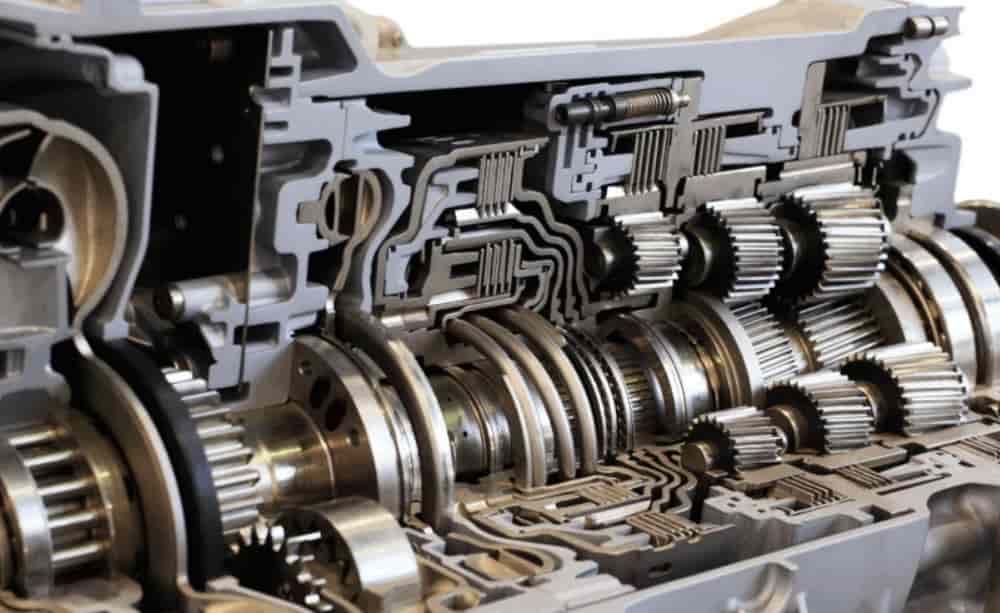
The GM 10 speed transmission stands among the most advanced automatic gearboxes available today. Engineers at General Motors and Ford co-developed this system to improve both performance and fuel efficiency across multiple vehicle segments.
The concept behind a 10 speed transmission is straightforward. More gears help the engine stay within its optimal power range. This leads to smoother acceleration, better fuel economy, and quicker response when driving. In ideal conditions, gear changes feel seamless and almost unnoticeable.
GM uses this transmission in several popular models. These include the Chevrolet Silverado, GMC Sierra, Chevrolet Camaro, Tahoe, and Yukon. Many truck and performance vehicle owners choose it because they expect both power and efficiency.
However, increased complexity introduces new challenges. The system relies on more components and precise software calibration. Even small inconsistencies can lead to noticeable performance issues. Drivers often report rough shifting or delayed response after some time.
These real world experiences have raised concerns about GM 10 speed transmission problems. Understanding how this transmission works helps you identify issues early and make better decisions when maintaining or buying a vehicle.
Top 7 Common GM 10 Speed Transmission Problems
Understanding the most common issues is the first step to protecting your vehicle and avoiding costly repairs. Below are the most frequently reported GM 10 speed transmission problems, explained in a clear and practical way so you can recognize them early.
Hard Shifting or Jerky Gear Changes
Many drivers notice rough or jerky shifting, especially at low speeds. The vehicle may lurch forward or feel unstable during gear changes. This issue often appears in stop and go traffic, where smooth transitions matter the most.
Software calibration problems usually cause this behavior. In some cases, worn internal components can make it worse. Over time, harsh shifting can increase wear and reduce overall transmission lifespan.
Transmission Slipping
Transmission slipping occurs when the engine revs increase, but the vehicle does not accelerate as expected. This creates a dangerous situation, especially when overtaking or merging into traffic.
Low transmission fluid, internal wear, or torque converter issues often trigger slipping. Drivers may also notice delayed power delivery or inconsistent speed control.
Delayed Engagement
Delayed engagement happens when the vehicle takes too long to shift into Drive or Reverse. You may press the gear selector and feel a noticeable pause before the car moves.
This delay can feel minor at first but often signals deeper problems. Faulty valve bodies, fluid issues, or software delays commonly cause this condition.
Shuddering or Vibration
Some drivers experience shaking or vibration during acceleration or cruising at low speeds. This symptom often links to torque converter problems.
The vibration may feel like driving over small bumps or rough surfaces. If ignored, it can lead to more serious internal damage.
Sudden Downshifting
Unexpected downshifts can create a sudden loss of control. The vehicle may drop gears aggressively without warning, especially at higher speeds.
This issue usually relates to software errors or sensor miscommunication. It can affect driving safety and should not be ignored.
Overheating Transmission
Excess heat is one of the most damaging factors for any transmission. Some GM 10 speed units run hotter than expected, especially under heavy load or towing conditions.
High temperatures can break down transmission fluid and accelerate internal wear. Drivers may notice warning lights or reduced performance.
Software and Calibration Issues
Modern transmissions rely heavily on software control. Even small programming errors can create noticeable problems.
Many GM 10 speed transmission problems come from poor calibration rather than mechanical failure. In some cases, a simple software update can improve performance significantly. However, not all updates fully resolve the issue.
These seven issues represent the most common complaints reported by drivers. Recognizing them early can help you avoid serious damage and expensive repairs later.
Symptoms of GM 10 Speed Transmission Problems
Recognizing early warning signs can save you from expensive repairs and unexpected breakdowns. Many drivers ignore small changes in driving feel until the problem becomes serious. With GM 10 speed transmission problems, early detection plays a critical role in reducing long term damage.
One of the most common symptoms is rough or jerky shifting. The vehicle may feel unstable when changing gears, especially at low speeds. This often appears during city driving where frequent shifting occurs.
Another clear sign is delayed response. When you shift into Drive or Reverse, the vehicle may hesitate before moving. This delay can feel minor at first, but it often indicates deeper transmission issues that need attention.
Unusual noises also signal trouble. You might hear clunking, whining, or grinding sounds when the transmission shifts. These noises suggest internal wear or poor synchronization between components.
Vibration during acceleration is another warning sign. The vehicle may shake slightly, especially at steady speeds. Many drivers describe this as a “shudder” feeling, which often links to torque converter problems.
In some cases, the engine revs increase without a matching increase in speed. This symptom points to transmission slipping, which can become dangerous during overtaking or highway driving.
You may also notice a burning smell coming from the vehicle. This usually means the transmission fluid is overheating or degrading. Ignoring this sign can lead to severe internal damage.
Finally, the check engine light may turn on without a clear explanation. Modern vehicles rely on sensors, so even small transmission issues can trigger warning signals.
Understanding these symptoms helps you act early. When you respond quickly, you can reduce repair costs and avoid major failures related to GM 10 speed transmission problems.
What Causes GM 10 Speed Transmission Problems?
To fix a problem effectively, you first need to understand what causes it. Many GM 10 speed transmission problems do not come from a single failure. Instead, they result from a combination of design complexity, software behavior, and maintenance factors.
One major cause is the complexity of the system itself. A 10 speed transmission uses more gears, more clutches, and tighter tolerances than older designs. This setup improves efficiency, but it also increases the risk of synchronization issues. Even small inconsistencies can affect how smoothly the transmission shifts.
Software calibration also plays a critical role. The transmission depends on precise programming to decide when and how to shift. If the calibration is not optimized, the vehicle may shift too early, too late, or too aggressively. Many drivers report that software updates improve performance, but some issues still remain.
Transmission fluid condition is another key factor. Low quality fluid or delayed fluid changes can reduce lubrication and cooling. As a result, internal components wear faster and generate more heat. Over time, this leads to slipping, overheating, and rough shifting.
The torque converter can also contribute to problems. When it does not operate correctly, drivers may feel shuddering or vibration during acceleration. This issue often becomes more noticeable at steady speeds.
Driving habits matter as well. Frequent towing, aggressive acceleration, or stop and go traffic can put extra stress on the transmission. Without proper maintenance, these conditions accelerate wear and increase the likelihood of failure.
In many cases, these causes combine and create more serious issues over time. Understanding them helps you prevent damage and better manage GM 10 speed transmission problems before they become costly repairs.
How to Fix GM 10-Speed Transmission Problems
Fixing transmission issues early can save you thousands of dollars and prevent unexpected breakdowns. The right solution depends on the severity of the problem. Some GM 10 speed transmission problems require simple fixes, while others demand major repairs.
One of the most effective first steps is a software update or reprogramming. Many shifting issues come from poor calibration rather than mechanical failure. Dealerships can update the transmission control module to improve shift timing and smoothness. In some cases, this alone resolves jerky or delayed shifting.
Changing the transmission fluid can also make a noticeable difference. Old or degraded fluid reduces lubrication and increases heat. Fresh fluid restores proper pressure and helps internal components operate smoothly. Regular fluid maintenance often prevents bigger issues from developing.
If the problem involves shuddering or vibration, the torque converter may need replacement. A faulty converter cannot transfer power efficiently, which leads to unstable driving behavior. Replacing it can restore smooth acceleration and eliminate vibration.
More serious cases may require valve body repair. The valve body controls fluid flow inside the transmission. When it fails, shifting becomes unpredictable or delayed. Repairing or replacing this component can significantly improve performance.
In severe situations, a full rebuild or replacement becomes necessary. This option costs more but ensures long term reliability. Drivers often choose this route when internal damage affects multiple components.
Costs vary depending on the solution. Minor fixes like software updates or fluid changes may cost a few hundred dollars. Major repairs such as rebuilds can reach several thousand dollars.
Taking action early gives you more affordable options. Ignoring symptoms often leads to higher costs and more complex GM 10 speed transmission problems over time.
Repair Cost Breakdown for GM 10 Speed Transmission Problems
Repair costs remain one of the biggest concerns for drivers dealing with GM 10 speed transmission problems. Many owners feel surprised when they first receive a repair quote. Understanding the cost structure helps you prepare financially and choose the right solution.
A basic transmission fluid change is the most affordable option. This service usually costs between 150 and 400 dollars, depending on the vehicle and service location. It works well for early stage issues such as rough shifting or minor delays.
If the problem involves internal control components, the cost increases. Valve body repairs typically range from 500 to 1,500 dollars. This fix targets shifting irregularities and delayed engagement. It offers a good balance between cost and effectiveness when the damage is not severe.
Torque converter replacement falls into a higher price range. Most drivers pay between 1,000 and 2,500 dollars for this repair. It becomes necessary when vibration or shuddering appears during acceleration.
For major failures, a full transmission rebuild can cost between 3,000 and 5,000 dollars. In some cases, replacement with a new or remanufactured unit may exceed this range. Labor costs also add a significant portion to the total expense.
These numbers highlight a key reality. Small issues can quickly turn into expensive repairs if ignored. Acting early allows you to choose lower cost solutions and avoid major damage.
When dealing with GM 10 speed transmission problems, timing matters as much as the repair itself. Early diagnosis often makes the difference between a minor service bill and a major financial burden.
How to Prevent GM 10-Speed Transmission Problems
Prevention always costs less than repair. Many GM 10 speed transmission problems can be avoided with proper care and smart driving habits. A few simple actions can extend the life of your transmission and improve overall performance.
Start with regular transmission fluid changes. Clean fluid keeps internal components lubricated and reduces heat buildup. Follow the recommended service intervals, especially if you drive in heavy traffic or tow frequently. Fresh fluid helps maintain smooth shifting and prevents early wear.
Software updates also play an important role. Modern transmissions rely on precise programming to function correctly. Visit a dealership or qualified service center to check for updates. Improved calibration can fix shifting issues and enhance driving comfort.
Driving habits make a big difference. Avoid aggressive acceleration and sudden braking whenever possible. Smooth driving reduces stress on internal components and helps the transmission operate more efficiently. If you often tow heavy loads, make sure your vehicle stays within its recommended limits.
Pay attention to early warning signs. If you notice rough shifting, delays, or unusual noises, take action immediately. Early diagnosis often prevents small issues from becoming major failures.
Keeping the transmission cool is another key factor. Excess heat damages fluid and internal parts. If you drive in hot conditions or carry heavy loads, consider additional cooling solutions or more frequent maintenance checks.
Taking these preventive steps gives you better control over your vehicle’s health. It also reduces the risk of serious GM 10 speed transmission problems and helps you avoid unexpected repair costs.
Is the GM 10-Speed Transmission Reliable?
The GM 10 speed transmission delivers impressive benefits when it functions as intended. Drivers often enjoy smoother acceleration, better fuel efficiency, and more responsive handling compared to older transmissions. Many owners report trouble-free driving for thousands of miles when proper maintenance is followed.
However, reliability varies depending on vehicle use, maintenance, and early detection of issues. Vehicles that frequently tow heavy loads, drive in stop and go traffic, or skip regular fluid changes are more likely to experience problems. Reports of rough shifting, delayed engagement, and torque converter issues have raised concerns among some owners.
Software updates and proper calibration significantly improve reliability. Many issues reported in earlier models were reduced after updates, highlighting the importance of keeping the transmission software current. Regular inspections and attention to warning signs also help maintain smooth operation.
Overall, the GM 10 speed transmission can be reliable if drivers follow recommended maintenance and pay attention to symptoms early. Understanding the system, addressing small problems quickly, and driving responsibly are key to minimizing the risk of costly repairs.
By balancing its strengths with preventive care, the GM 10 speed transmission can meet expectations for performance and durability, offering a satisfying driving experience for owners who maintain it properly.
Conclusion
The GM 10 speed transmission offers advanced performance and efficiency, but it is not without its challenges. Many drivers enjoy smooth acceleration and better fuel economy, yet real world experiences show that problems such as rough shifting, delayed engagement, slipping, and vibration are common. Recognizing the symptoms early is essential to avoid costly repairs and maintain vehicle safety.
Understanding the root causes, including system complexity, software calibration, fluid condition, and torque converter issues, helps drivers take preventive action. Simple steps like regular fluid changes, timely software updates, careful driving, and attention to warning signs can significantly reduce the likelihood of serious transmission problems.
Repair costs vary widely, from a few hundred dollars for minor fixes to several thousand for major rebuilds. Acting early not only saves money but also prolongs the life of the transmission. Preventive maintenance and informed driving decisions remain the most effective strategies for avoiding unexpected issues.
Ultimately, the GM 10 speed transmission can provide reliable and efficient performance when maintained properly. Owners who stay proactive, respond to early warning signs, and follow recommended maintenance guidelines can enjoy the benefits of this advanced system while minimizing the risks associated with GM 10 speed transmission problems. If you have experienced any of these issues, sharing your story or consulting a trusted service professional can help protect your investment and ensure safer driving.