Ford Water Pump Recall has become a widely searched topic among Ford owners who are concerned about unexpected engine failures, rising repair costs and long term vehicle reliability. Over the past decade, thousands of drivers have reported water pump related problems, particularly on Ford vehicles equipped with certain EcoBoost engines. What makes this issue especially serious is that many owners experience little to no warning before major engine damage occurs.
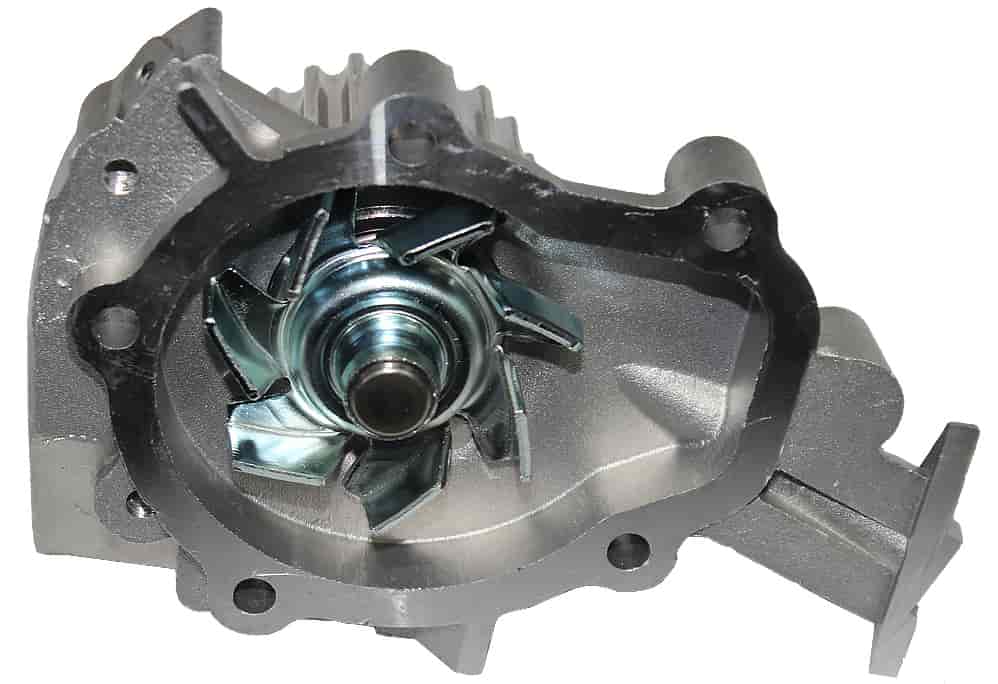
Unlike traditional external water pumps, Ford uses an internal water pump design on several engines. When this component fails, coolant can leak directly into the engine, contaminating the oil and causing overheating. In many cases, drivers only discover the problem after the engine begins to fail, leading to repair bills that can reach several thousand dollars. This has raised ongoing questions about whether Ford has issued an official water pump recall or if this problem is considered a known defect rather than a safety recall.
This article explains the Ford Water Pump Recall in clear and practical terms. You will learn which Ford models and engines are most affected, the most common warning symptoms, realistic repair cost expectations and what actions owners should take to reduce financial and mechanical risk. If you currently own a Ford vehicle or are considering buying a used one, understanding this issue can help you make informed decisions before serious damage occurs.
Contents
Is There an Official Ford Water Pump Recall?
Many vehicle owners search for Ford Water Pump Recall because they expect to find a clear answer. They want to know whether Ford has officially recalled vehicles with water pump failures. In reality, the situation is not that simple. Ford has not issued a broad recall that covers every vehicle with an internal water pump design.
Instead, Ford has released limited recalls and service actions for specific models and production years. These actions usually apply only when certain failure conditions exist. As a result, many affected vehicles do not qualify for recall repairs.
In most cases, Ford addresses water pump failures through Technical Service Bulletins. A recall applies when a defect directly affects vehicle safety and meets regulatory requirements. A Technical Service Bulletin works differently. It guides dealerships on how to diagnose and repair a known problem after a customer reports it. This difference matters because a bulletin does not guarantee free repairs once the vehicle is out of warranty.
This approach creates frustration for many owners. A water pump failure can cause serious engine damage. However, the vehicle may still fall outside any official recall coverage. Ford often classifies the issue as a long term durability concern rather than an immediate safety risk. Owners, on the other hand, face unexpected repair costs that feel preventable.
This gap explains why Ford Water Pump Recall remains a high interest topic. Owners are not only checking recall status. They are also trying to understand their repair options and financial responsibility when no recall applies.
Affected Ford Models and Engine Types
When discussing Ford Water Pump Recall, the affected vehicle models often receive the most attention. However, the core issue does not start with the vehicle name. It begins with the engine design. Several Ford and Lincoln vehicles use an internal water pump that sits inside the engine rather than on the outside.
This design appears most often in Ford vehicles equipped with certain V6 EcoBoost and naturally aspirated V6 engines. These engines rely on the water pump to circulate coolant through critical engine components. When the pump fails, coolant can leak into the engine oil. This can lead to overheating, internal corrosion and severe engine damage.
Some of the most commonly reported models include the Ford Explorer, Ford Edge, Ford Taurus and Ford Flex. Several Lincoln models also share the same engine architecture. These vehicles span multiple model years, which increases confusion among owners who expect recall coverage to apply more broadly.
It is important to understand that not every vehicle within these model lines will experience water pump failure. Mileage, maintenance history and driving conditions all play a role. Still, the shared engine layout creates a higher risk profile compared to engines with external water pumps. This is why discussions around Ford Water Pump Recall often focus on engine type rather than vehicle brand alone.
By identifying the engine configuration first, owners can better assess their exposure to this issue. This approach also helps buyers evaluate risk when considering a used Ford vehicle with similar mechanical design.
Common Ford Water Pump Failure Symptoms
Recognizing early warning signs is critical when dealing with Ford Water Pump Recall related concerns. Many drivers fail to notice a problem because the water pump sits inside the engine. This hidden placement prevents visible leaks that would normally alert an owner.
One of the earliest symptoms is unexplained coolant loss. Drivers may need to refill coolant more often without seeing any external leaks. Over time, the engine may begin to overheat, especially during long drives or stop and go traffic. Temperature fluctuations often appear before any warning lights turn on.
Another common sign involves engine performance changes. The check engine light may activate, or the engine may run rough under normal driving conditions. In more advanced cases, coolant can mix with engine oil. This causes oil contamination, which reduces lubrication and increases internal wear.
Some owners report sudden engine failure with little warning. This happens when coolant reaches critical engine components and causes internal damage. Because the failure occurs inside the engine, the problem may escalate quickly. By the time symptoms become obvious, repair options can already be limited.
Understanding these symptoms allows owners to act early. Prompt diagnosis can prevent more extensive damage and reduce overall repair costs. This awareness is one of the most important reasons drivers continue to search for information related to Ford Water Pump Recall.
Why Ford Water Pump Failures Are So Expensive to Fix
Many owners are surprised by the cost associated with Ford Water Pump Recall related repairs. The high expense does not come from the water pump itself. It comes from where Ford placed it. Unlike traditional designs, the water pump sits inside the engine and connects directly to the timing system.
To access the pump, technicians must disassemble a large portion of the engine. This process requires significant labor time and specialized knowledge. In many cases, mechanics must remove the timing chain and related components before reaching the pump. Labor hours alone account for a major portion of the final repair bill.
The risk increases when the failure goes unnoticed. Coolant leaking into the engine oil can damage bearings, seals and internal surfaces. If contamination continues, the engine may suffer irreversible damage. At that point, replacing the water pump no longer solves the problem. The vehicle may require extensive engine repairs or a full engine replacement.
These factors explain why repair costs can rise quickly. What begins as a cooling system issue can turn into a major mechanical failure. This cost exposure is one of the main reasons owners closely follow discussions about Ford Water Pump Recall. Understanding the design helps explain both the financial risk and the urgency of early detection.
Ford Water Pump Repair Cost Breakdown
Repair costs play a major role in discussions about Ford Water Pump Recall. While prices vary by location and vehicle condition, most owners face a similar cost structure. The total expense usually includes parts, labor and potential secondary repairs.
The water pump itself often represents a small portion of the bill. In many cases, the part costs far less than the labor required to install it. Labor charges increase because technicians must access internal engine components. This process can take many hours, even for experienced mechanics.
If the failure occurs early, the repair may stop at the water pump and timing components. Costs in these cases remain high but manageable. However, if coolant contaminates the engine oil, expenses rise quickly. Additional repairs may include oil system cleaning, seal replacement or internal engine work.
The most severe cases involve engine replacement. This scenario occurs when internal damage becomes extensive. At that point, repair costs can exceed the value of the vehicle. Dealership repairs often cost more due to higher labor rates. Independent repair shops may offer lower pricing, but they still face the same labor intensive process.
Understanding this cost breakdown helps owners plan and respond early. It also explains why Ford Water Pump Recall remains a critical concern for long term ownership and resale value.
What Owners Should Do If Affected
Taking the right action is essential when dealing with Ford Water Pump Recall related concerns. Owners should begin by confirming whether their vehicle qualifies for any recall or service action. Checking the vehicle identification number through official Ford channels provides the most accurate information.
If symptoms appear, owners should limit driving as much as possible. Continued operation can accelerate engine damage once coolant begins to leak internally. Scheduling an inspection with a qualified technician helps confirm the source of the problem before it worsens.
Clear communication with the dealership or repair shop is also important. Owners should document symptoms, maintenance history and any prior repairs. This information can support warranty claims or goodwill assistance requests. In some cases, manufacturers may offer partial cost coverage even when no recall applies.
For vehicles outside warranty coverage, owners may consider extended protection plans. These plans can reduce future financial risk, especially for vehicles known to share this engine design. Buyers evaluating used vehicles should factor this risk into pricing and ownership decisions.
Proactive steps help reduce uncertainty and expense. This approach allows owners to respond with knowledge rather than urgency. It also explains why practical guidance remains a central part of discussions surrounding Ford Water Pump Recall.
Should You Buy or Keep a Ford With This Issue?
Deciding whether to buy or keep a vehicle affected by Ford Water Pump Recall concerns requires a balanced assessment. Not every vehicle with this engine design will experience failure. However, the risk profile is higher than average and should not be ignored.
For current owners, vehicle condition matters most. A well maintained engine with no symptoms may continue to operate without issues for many years. Regular inspections and early response to warning signs can significantly reduce the chance of severe damage. Owners who plan to keep the vehicle long term should prepare for potential repair costs and consider extended coverage if available.
For buyers, caution is essential. Purchasing a used Ford with this engine design can still make sense at the right price. Buyers should review service records and request a professional inspection before committing. Factoring possible repair costs into the purchase decision helps avoid financial surprises later.
In some cases, avoiding affected models may be the safer option. Buyers who prioritize low maintenance risk may prefer engines with external water pump designs. Understanding the tradeoffs allows both owners and buyers to make informed decisions rather than emotional ones.
This decision process explains why Ford Water Pump Recall remains relevant beyond recall status alone. It directly influences ownership confidence and long term value.
Conclusion
Ford Water Pump Recall continues to attract attention because it combines mechanical risk with high financial impact. While not every vehicle receives recall coverage, the underlying engine design creates real concerns for many owners. Understanding which models and engines face higher risk helps reduce uncertainty and unexpected expenses.
Early awareness remains the most effective form of protection. Recognizing warning symptoms, responding quickly and seeking professional diagnosis can prevent minor issues from becoming major engine failures. Owners who stay informed place themselves in a stronger position when discussing repairs, warranty options or goodwill assistance.
For buyers, knowledge plays an equally important role. Evaluating engine design, maintenance history and potential repair costs leads to better purchase decisions. Some vehicles may still offer strong value, while others may carry risks that outweigh their benefits.
Ultimately, Ford Water Pump Recall is not only about recall status. It is about informed ownership and proactive decision making. By understanding the issue fully, owners and buyers can protect both their vehicles and their long term financial interests.