If you are searching for the Ford Transmission Speed Sensor Location, your vehicle is likely showing warning signs. Your speedometer may behave oddly. Your car may hesitate when shifting gears. In some cases, the check engine light appears without a clear reason. These problems feel frustrating and can quickly become expensive if ignored.
Many Ford owners struggle to find the transmission speed sensor. Each model uses a different layout. Without clear guidance, you can waste time searching in the wrong place. Some drivers even assume the transmission is failing. This mistake often leads to unnecessary repair costs.
This complete guide to Ford Transmission Speed Sensor Location removes that confusion. You will learn where to find the sensor across popular Ford models. You will also understand the difference between input and output speed sensors. In addition, you will discover how to identify and fix common issues quickly. Whether you are a beginner or have basic mechanical knowledge, this guide helps you save time and avoid costly mistakes.
Contents
- What Is a Ford Transmission Speed Sensor
- Ford Transmission Speed Sensor Location (General Overview)
- Input vs Output Speed Sensor Location
- Ford Transmission Speed Sensor Location by Model
- Common Symptoms of a Bad Ford Speed Sensor
- How to Find Ford Transmission Speed Sensor
- How to Replace Ford Transmission Speed Sensor
- Cost to Replace Ford Transmission Speed Sensor
- Final Thoughts
What Is a Ford Transmission Speed Sensor
To understand the Ford Transmission Speed Sensor Location, you first need to know what this component actually does. Many drivers overlook this small part, but it plays a critical role in how your vehicle operates.
A transmission speed sensor measures how fast the transmission components rotate. It sends this data directly to the engine control unit. Based on that information, the system adjusts gear shifting, engine timing, and overall performance. Without accurate data, your vehicle cannot shift smoothly or maintain proper speed readings.
Ford vehicles usually use two types of speed sensors. The input speed sensor tracks the rotation speed of the transmission input shaft. The output speed sensor monitors the rotation of the output shaft, which connects to the wheels. These two sensors work together to give the system a complete picture of vehicle speed and transmission behavior.
When a speed sensor fails, the effects appear quickly. You may notice delayed shifting, rough gear changes, or incorrect speedometer readings. In some cases, your vehicle may enter a safety mode to prevent further damage. This is why understanding both the function and the Ford Transmission Speed Sensor Location becomes essential for early diagnosis.
By learning how this sensor works, you can identify issues faster and avoid unnecessary repairs. This knowledge also makes it easier to locate the sensor on your specific Ford model, which we will cover in the next sections.
Ford Transmission Speed Sensor Location (General Overview)
Understanding the Ford Transmission Speed Sensor Location helps you save time when diagnosing transmission issues. While the exact position varies by model, most Ford vehicles follow a similar layout.
In general, the transmission speed sensor sits on the transmission housing. Manufacturers place it where it can read the rotation of internal components. In many cases, you will find it near the output shaft. This position allows the sensor to track how fast power moves from the transmission to the wheels.
Some Ford models also include an input speed sensor. This sensor usually sits closer to the front of the transmission. It connects near the engine side and monitors the speed of the incoming shaft. Because of this, the Ford Transmission Speed Sensor Location may include one or two sensors depending on the design.
Vehicle type also affects sensor placement. Rear wheel drive models like the F 150 often place the sensor along the transmission body or tail shaft. Front wheel drive vehicles such as the Focus position the sensor closer to the transaxle. This difference can confuse many drivers who expect the same layout across all models.
Transmission type plays another role. Automatic systems often use both input and output sensors. Manual transmissions may use fewer sensors or place them in slightly different positions. Even within the same model, the sensor location can change based on the production year.
To find the Ford Transmission Speed Sensor Location quickly, follow the wiring harness connected to the transmission. The sensor is usually a small component with an electrical connector. It often sits in an accessible spot, but dirt and oil buildup can make it harder to identify.
This general overview gives you a clear starting point. In the next section, you will learn the exact difference between input and output speed sensors so you can locate the correct one without confusion.
Input vs Output Speed Sensor Location
To fully understand the Ford Transmission Speed Sensor Location, you need to distinguish between the input and output speed sensors. Many drivers confuse these two components, which leads to incorrect diagnosis and wasted repair costs.
The input speed sensor measures the rotation speed of the transmission input shaft. This shaft connects directly to the engine. Because of that, the sensor usually sits near the front of the transmission. You will often find it close to the bell housing area. Its main role is to help the system determine how much power enters the transmission.
The output speed sensor works differently. It measures the rotation speed of the output shaft. This shaft sends power from the transmission to the wheels. For this reason, the sensor is typically located toward the rear of the transmission. In many Ford models, it sits near the tail shaft or driveshaft connection.
Both sensors send signals to the engine control unit. The system compares input and output speeds to control gear shifting. When both sensors work correctly, your vehicle shifts smoothly and maintains accurate speed readings. When one fails, the system loses balance and performance drops.
Many car owners replace the wrong sensor because they do not understand this difference. For example, a faulty output sensor often causes speedometer issues. Meanwhile, a failing input sensor usually leads to rough or delayed shifting. Knowing this distinction helps you pinpoint the exact problem faster.
When identifying the Ford Transmission Speed Sensor Location, always check your vehicle type. Some models only use one sensor, while others use both. Looking at the wiring and position along the transmission will help you confirm which sensor you are dealing with.
Ford Transmission Speed Sensor Location by Model
Finding the exact Ford Transmission Speed Sensor Location becomes much easier when you look at each model individually. Ford uses different layouts across its lineup, so knowing the specifics helps you avoid confusion and save time.
Ford F 150
On the Ford F 150, the transmission speed sensor usually sits on the transmission housing. In most cases, you can find the output speed sensor near the tail shaft. This area connects to the driveshaft, which makes it easy for the sensor to track rotation speed.
The input speed sensor, if equipped, sits closer to the front of the transmission. You may need to access it from underneath the vehicle. Dirt and oil buildup can hide the sensor, so cleaning the area helps during inspection.
This model uses a rear wheel drive layout, so the Ford Transmission Speed Sensor Location follows a straight transmission path from engine to driveshaft. This makes it easier to trace compared to front wheel drive vehicles.
Ford Ranger
The Ford Ranger shares a similar structure with the F 150, but its smaller size makes access easier. The output speed sensor typically sits along the transmission body, slightly above the driveshaft connection.
In many cases, you can spot the sensor by following the wiring harness. The connector stands out once you locate the transmission casing. The input sensor, when present, remains near the front section.
Because of its simpler design, the Ford Transmission Speed Sensor Location on the Ranger is often easier to reach without removing major components.
Ford Focus
The Ford Focus uses a front wheel drive system, which changes the sensor position significantly. Instead of a long transmission layout, the vehicle uses a compact transaxle.
You will usually find the speed sensor mounted directly on the transaxle housing. It often sits closer to the side of the engine bay rather than underneath the vehicle. This placement can make access easier, but space is tighter.
For this reason, the Ford Transmission Speed Sensor Location on the Focus may require removing nearby components such as the battery or air intake for better visibility.
Ford Escape
The Ford Escape combines compact SUV design with a front wheel drive or all wheel drive system. The sensor location depends on the drivetrain configuration.
In most cases, the output speed sensor sits on the transmission case, similar to the Focus. However, all wheel drive versions may include additional sensors for better control.
This makes the Ford Transmission Speed Sensor Location slightly more complex. You need to identify the correct sensor before starting any repair to avoid unnecessary work.
Ford Explorer
The Ford Explorer often uses a more advanced drivetrain, especially in all wheel drive versions. As a result, it may include multiple speed sensors.
The output sensor usually sits near the rear section of the transmission. The input sensor remains near the front. In some configurations, additional sensors monitor different drivetrain components.
Because of this complexity, the Ford Transmission Speed Sensor Location on the Explorer can be harder to identify. Careful inspection and following the wiring harness become essential steps.
This model based breakdown helps you locate the sensor faster and more accurately. In the next section, we will look at the common symptoms of a failing speed sensor so you can confirm the issue before replacing any parts.
Common Symptoms of a Bad Ford Speed Sensor
Recognizing the warning signs early helps you avoid serious transmission damage. When you understand the symptoms, you can connect them directly to the Ford Transmission Speed Sensor Location and take action faster.
One of the most common signs is a faulty speedometer. The needle may jump, show incorrect speed, or stop working completely. This issue often points to a failing output speed sensor, since it controls the speed signal sent to the dashboard.
Another clear symptom is rough or delayed gear shifting. Your vehicle may hesitate before changing gears or shift at the wrong time. This usually happens when the transmission control system receives incorrect data from the sensor. As a result, the system cannot calculate the correct shift points.
You may also notice the check engine light turning on. In many cases, diagnostic codes relate directly to speed sensor failure. Ignoring this warning can lead to bigger problems, especially if the transmission starts to rely on incorrect data.
Transmission slipping is another serious sign. The engine may rev higher than normal without proper acceleration. This creates a disconnect between engine speed and wheel speed. When this happens, the system may enter a safety mode to prevent further damage.
Some drivers also experience poor fuel efficiency. When the transmission does not shift correctly, the engine works harder than necessary. Over time, this increases fuel consumption and adds more strain to the vehicle.
Many people mistake these symptoms for major transmission failure. This misunderstanding often leads to expensive and unnecessary repairs. In reality, the issue may come from a small and relatively affordable component.
By linking these symptoms to the Ford Transmission Speed Sensor Location, you can diagnose the problem more accurately. This approach saves time, reduces repair costs, and prevents further damage to your vehicle.
How to Find Ford Transmission Speed Sensor
Locating the Ford Transmission Speed Sensor Location becomes much easier when you follow a clear process. Instead of guessing, you can use a step by step approach to identify the sensor quickly and safely.
First, make sure your vehicle is parked on a flat surface. Turn off the engine and allow it to cool down. This step protects you from burns and ensures safe inspection.
Next, lift the vehicle if needed. Use a jack and secure it with jack stands. Never rely on the jack alone. Safety should always come first when working under your car.
Once you have access, locate the transmission. It connects directly to the engine and extends toward the driveshaft or wheels, depending on your vehicle type. This is where you will focus your search.
Now, follow the wiring harness around the transmission housing. The speed sensor is an electronic component, so it always connects to a wire. This is the fastest way to identify the correct part without confusion.
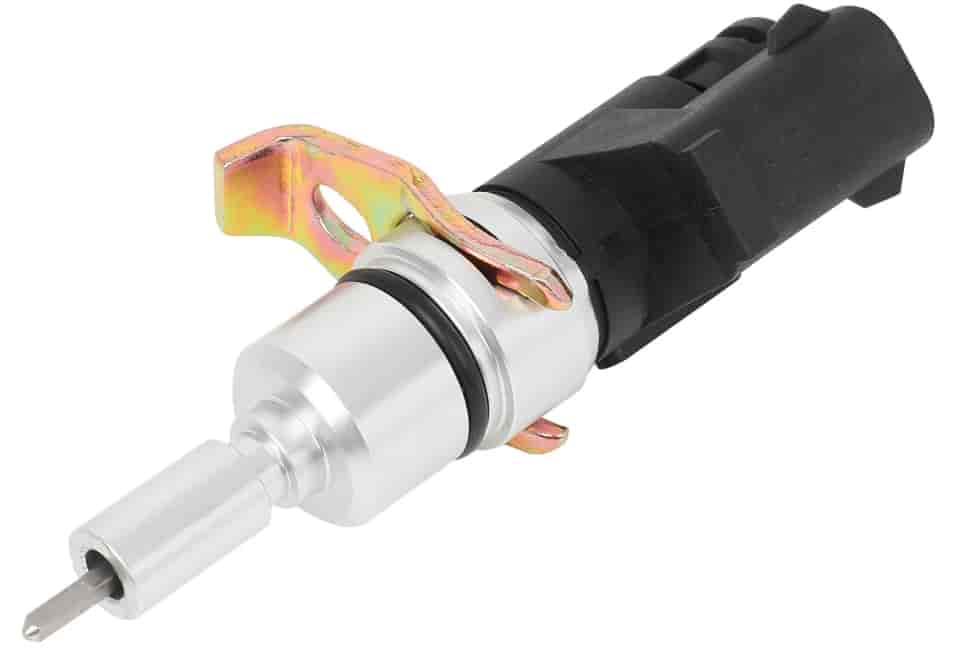
Look for a small cylindrical component attached to the transmission. It usually has a plastic connector and sits in a fixed position with a bolt or clip. Dirt and oil may cover it, so you might need to clean the area for better visibility.
If your vehicle uses both input and output sensors, check both the front and rear sections of the transmission. The input sensor sits closer to the engine, while the output sensor is located near the driveshaft.
Take your time during this process. Rushing can lead to mistakes, especially if multiple sensors are present. Confirm the Ford Transmission Speed Sensor Location before removing anything.
By following these steps, you can locate the sensor with confidence. In the next section, you will learn how to replace it properly and avoid common installation mistakes.
How to Replace Ford Transmission Speed Sensor
After identifying the correct Ford Transmission Speed Sensor Location, the next step is replacing the sensor properly. This process is simpler than many people think, but you need to follow the right steps to avoid damage.
Start by disconnecting the battery. This step prevents electrical issues and protects the vehicle system during the replacement process. Safety should always come first.
Next, locate the speed sensor on the transmission. Once you find it, disconnect the electrical connector carefully. Do not pull the wires directly. Instead, press the clip and remove the connector gently to avoid breaking it.
After that, remove the mounting bolt that holds the sensor in place. Most Ford models use a single bolt. Use the correct tool to avoid stripping it. Once the bolt is out, pull the sensor straight out from the transmission housing.
Before installing the new sensor, compare it with the old one. Make sure the size, shape, and connector match perfectly. This step helps you avoid compatibility issues.
Now, insert the new sensor into the same position. Push it in firmly but do not force it. Reinstall the mounting bolt and tighten it securely. Then reconnect the electrical connector until it clicks into place.
Once everything is installed, reconnect the battery and start the engine. Check for warning lights and test drive the vehicle. Pay attention to gear shifting and speedometer behavior to confirm the issue is resolved.
Replacing the sensor at the correct Ford Transmission Speed Sensor Location can restore normal performance quickly. It also helps you avoid expensive transmission repairs in the future.
Cost to Replace Ford Transmission Speed Sensor
Understanding the cost helps you make better decisions after identifying the correct Ford Transmission Speed Sensor Location. Many drivers worry about high repair bills, but this issue is often more affordable than expected.
The price of a new speed sensor usually ranges from 20 to 100 dollars, depending on the Ford model and sensor type. Genuine parts may cost more, while aftermarket options are often cheaper. Choosing the right part ensures long term reliability.
Labor costs depend on the sensor location and vehicle design. In most cases, mechanics charge between 50 and 150 dollars for the replacement. If the sensor is easy to access, the job takes less than one hour. However, complex layouts may increase the cost.
In total, you can expect to pay between 70 and 250 dollars for the full replacement. This cost is relatively low compared to major transmission repairs. Ignoring the problem can lead to serious damage, which may cost thousands of dollars to fix.
Many drivers delay repairs because the symptoms seem minor at first. Over time, incorrect speed data affects gear shifting and puts extra stress on the transmission. Acting early helps you avoid these risks and keeps your vehicle running smoothly.
Final Thoughts
Finding the Ford Transmission Speed Sensor Location is the first step toward solving many transmission related issues. While the exact position varies by model, the sensor usually sits on the transmission housing, either near the input or output shaft.
Understanding the difference between input and output sensors allows you to diagnose problems more accurately. When you combine that knowledge with model specific details, you can locate the sensor faster and avoid confusion.
The key is to act early. Small symptoms such as a faulty speedometer or delayed shifting often point to a failing sensor. Fixing this issue in time can save you from expensive repairs and unnecessary stress.
Now that you understand the Ford Transmission Speed Sensor Location, you can inspect your vehicle with confidence. If you are unsure, you can always check your model specific layout or ask for professional support.
Have you experienced any of these symptoms on your Ford? Let me know your model, and I can help you locate the exact sensor position.