A Ford transmission not in park can cause serious frustration and safety issues. Many drivers discover the problem after finishing a long drive. The vehicle refuses to stay in park, creating a risk of rolling and potential damage. Mechanical failures, sensor malfunctions, or brake interlock issues often trigger this problem. Ignoring it can lead to expensive repairs and unnecessary stress. Recognizing the cause early helps drivers take action quickly and prevent further damage.
This guide covers common causes, practical solutions, and expert tips to handle a Ford transmission not in park. You will learn how to release the shifter safely, identify warning signs, and maintain your transmission to avoid future problems. Following these steps can save time, reduce repair costs, and protect your vehicle. Whether you are a new owner or have years of driving experience, understanding these issues ensures safer parking and smoother vehicle operation. Applying these tips keeps your Ford in top condition and gives peace of mind every time you stop the engine.
Contents
Common Causes of Ford Transmission Not In Park
One of the most frequent reasons a Ford transmission not in park occurs is a mechanical issue with the shifter or linkage. Over time, components can wear out or become misaligned. This prevents the transmission from fully engaging in park. Ignoring worn parts can worsen the damage and lead to costly repairs. Drivers often notice resistance when moving the shifter or unusual noises during parking.
Another common cause involves the brake shift interlock system. Ford vehicles use this safety feature to prevent shifting out of park without pressing the brake. If the brake switch or wiring fails, the transmission may get stuck. Checking the brake pedal sensor and electrical connections can help diagnose the issue quickly.
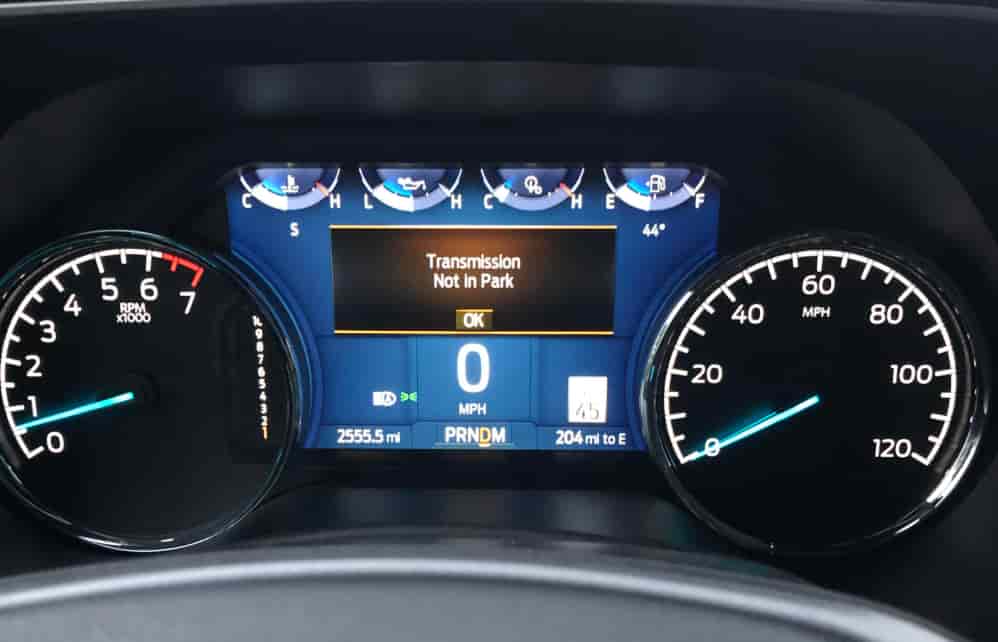
Sensor failures within the transmission can also trigger this problem. Modern Ford models rely on electronic sensors to communicate gear positions. A faulty sensor can send incorrect signals to the system, causing the vehicle to think it is not in park. Drivers may see dashboard warnings or error messages in such cases.
Finally, user oversight or environmental factors can contribute. Parking on uneven surfaces or applying excessive force on the shifter can temporarily prevent engagement. Even though these causes are less serious, repeated stress can damage the transmission.
Understanding these common causes helps owners act quickly and reduce repair costs. Early detection allows drivers to apply emergency release techniques, consult professionals if necessary, and maintain their transmission properly. Addressing these issues promptly keeps your Ford running safely and avoids the stress of a vehicle stuck out of park.
How to Fix Ford Transmission Stuck in Park
When a Ford transmission not in park occurs, taking immediate and safe action is essential. The first step is to check the brake pedal. Ford vehicles require the brake to be fully pressed before shifting out of park. If the brake pedal feels soft or unresponsive, the brake switch may need adjustment or replacement. Testing this simple step often resolves the issue quickly without costly repairs.
Next, inspect the shifter and linkage. Look for signs of wear, misalignment, or obstruction. Dirt, debris, or worn parts can prevent the shifter from fully engaging in park. Cleaning and lubricating the components may restore normal function. In some cases, replacing worn parts is necessary to ensure the transmission operates reliably.
Modern Ford models rely on electronic sensors to detect gear position. If a sensor fails, it can prevent the transmission from recognizing park. Diagnosing sensor problems usually requires a scan tool or professional assistance. Addressing sensor failures promptly avoids further damage and unexpected breakdowns.
For immediate emergency release, Ford vehicles include a manual override. Consult the owner’s manual to locate the release slot, usually near the shifter. Using the manual override allows you to move the vehicle safely without causing damage.
Regular maintenance prevents many of these issues. Keeping the transmission clean, inspecting components, and addressing minor problems early reduces the chance of a Ford transmission not in park. Following these steps ensures safer parking, protects your vehicle, and gives peace of mind every time you stop the engine.
Expert Tips to Prevent Future Transmission Issues
Preventing a Ford transmission not in park starts with regular maintenance. Inspect the shifter, linkage, and transmission components at recommended intervals. Cleaning and lubricating moving parts reduces wear and keeps the system functioning smoothly. Routine checks help detect minor issues before they escalate into expensive repairs.
Pay attention to the brake shift interlock system. Test the brake pedal regularly and ensure the switch responds correctly. Faulty sensors can prevent the transmission from engaging park. Replacing or repairing malfunctioning sensors promptly avoids unexpected problems.
Avoid rough handling of the shifter. Forcing it or parking on uneven surfaces can stress mechanical parts. Over time, this stress increases the risk of the transmission getting stuck in park. Gentle operation preserves the system and extends the life of your Ford.
Use high-quality fluids and follow manufacturer guidelines for transmission care. Dirty or low fluid can affect sensor accuracy and mechanical function. Regular fluid checks and timely changes protect the transmission from damage and improve overall performance.
Stay alert for warning signs. Unusual noises, resistance in the shifter, or dashboard alerts indicate potential issues. Addressing these signs early prevents costly repairs and enhances safety.
By following these expert tips, you reduce the chances of a Ford transmission not in park. Consistent maintenance, careful operation, and attention to warning signs help keep your vehicle safe and reliable. Applying these practices protects your investment, saves time and money, and gives confidence every time you park your Ford.
Conclusion
A Ford transmission not in park can create stress, safety risks, and costly repairs. Understanding the common causes allows drivers to act quickly and prevent further damage. Mechanical issues, sensor failures, or brake shift interlock problems are often responsible. Recognizing warning signs early helps you address minor problems before they become major expenses.
Following practical fixes such as checking the brake pedal, inspecting the shifter and linkage, and using the manual override can resolve most issues safely. Regular maintenance and careful operation reduce the chance of recurrence. Applying expert tips, including proper lubrication, fluid care, and gentle handling of the shifter, keeps your transmission functioning reliably for years.
By staying proactive, you protect your Ford, save money, and ensure a safer driving experience. Understanding these issues empowers both new and experienced owners to prevent frustration and maintain peace of mind. Share your experiences or consult a certified Ford mechanic if problems persist. Taking timely action ensures your vehicle stays safe and reliable while minimizing repair costs.