Seeing a “Tire Pressure Sensor Fault” warning on your Ford dashboard can be stressful. Many drivers worry that something serious is wrong with their vehicle. Some even rush to a repair shop and end up paying for issues they could fix themselves.
In reality, this warning is quite common. It often comes from simple causes like low tire pressure, a recent tire rotation, or a temporary sensor glitch. The good news is that you can solve it quickly in many cases. You do not always need special tools or advanced mechanical skills.
The Ford Tire Pressure Sensor Fault Reset process is easier than most people expect. Once you understand how the TPMS system works, you can reset it in just a few minutes. This helps you save money and avoid unnecessary stress. It also gives you more control over your car’s safety and maintenance.
In this guide, you will learn how to perform a Ford Tire Pressure Sensor Fault Reset step by step. You will also discover the common causes behind this warning and what to do if the reset does not work. By the end, you will feel confident handling this issue on your own.
Contents
- What Does “Tire Pressure Sensor Fault” Mean on Ford?
- Common Causes of Ford Tire Pressure Sensor Fault
- How to Perform Ford Tire Pressure Sensor Fault Reset (Step by Step)
- Ford TPMS Reset for Different Models
- What If the TPMS Reset Does Not Work?
- Cost to Fix Tire Pressure Sensor Fault on Ford
- Is It Safe to Drive With a TPMS Fault?
- Conclusion
What Does “Tire Pressure Sensor Fault” Mean on Ford?
When you see the “Tire Pressure Sensor Fault” message on your Ford dashboard, it does not always mean your tires are underinflated. Many drivers confuse this warning with a simple low tire pressure alert. However, these are two different issues.
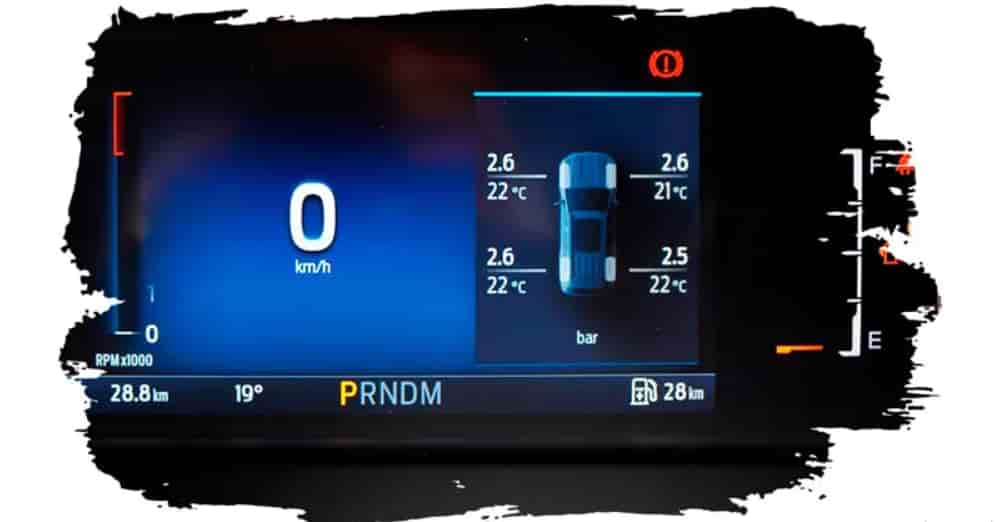
The Tire Pressure Monitoring System, also known as TPMS, tracks the air pressure inside each tire. It uses small sensors installed in every wheel. These sensors send real time data to your vehicle’s system. When the system detects a problem, it triggers a warning on the dashboard.
A low tire pressure warning usually appears when one or more tires do not meet the recommended PSI level. In this case, you only need to inflate the tires to fix the issue. The system will often reset automatically after you drive for a short distance.
A tire pressure sensor fault is different. It means the system cannot communicate properly with one or more sensors. This can happen due to a weak sensor battery, signal interference, or a system error after tire rotation or replacement.
Understanding this difference is important. Many drivers try to inflate their tires when the real problem is a faulty sensor. This leads to frustration because the warning does not disappear. Once you identify the correct issue, performing a Ford Tire Pressure Sensor Fault Reset becomes much easier and more effective.
Common Causes of Ford Tire Pressure Sensor Fault
Before you perform a Ford Tire Pressure Sensor Fault Reset, you need to understand what causes the warning. Many drivers reset the system without fixing the root issue. This often makes the warning come back after a short time.
One of the most common causes is incorrect tire pressure. If the pressure is too low or too high, the system may behave unexpectedly. Even a small difference from the recommended PSI can trigger errors in some cases.
Another frequent reason is a weak or dead sensor battery. Each TPMS sensor has a built in battery that usually lasts between five and ten years. When the battery runs low, the sensor may stop sending signals. This leads to a fault warning instead of a simple pressure alert.
Tire rotation or replacement can also cause this issue. When you change the position of the wheels, the system may lose track of sensor locations. Without proper relearning, it may show a fault message.
Cold weather is another factor many drivers overlook. Low temperatures reduce tire pressure and can affect sensor performance. This often causes warnings to appear suddenly in the morning.
In some cases, the sensor itself may be damaged. This can happen due to road impact, corrosion, or wear over time. When this happens, a reset alone will not fix the problem.
Understanding these causes helps you avoid wasted time and money. It also ensures that your Ford Tire Pressure Sensor Fault Reset works correctly and lasts longer.
How to Perform Ford Tire Pressure Sensor Fault Reset (Step by Step)
If you want to fix the warning quickly, you need to follow the correct Ford Tire Pressure Sensor Fault Reset process. Many drivers skip steps or do them in the wrong order. This often causes the reset to fail.
Below is a simple method that works for most Ford models.
Step 1: Check and Adjust Tire Pressure
Start by checking the pressure in all four tires. Use a reliable gauge to get accurate readings. Compare the results with the recommended PSI level, which you can find on the driver side door sticker.
Adjust the pressure if needed. Make sure all tires match the recommended level. This step is important because the system will not reset properly if the pressure is incorrect.
Step 2: Turn the Ignition On
Insert your key or press the start button to turn the ignition on. Do not start the engine. The dashboard lights should come on, which means the system is ready.
Step 3: Enter TPMS Reset Mode
Press the hazard light button on and off several times. In most Ford vehicles, you need to do this three times quickly. If done correctly, the horn will beep once. This sound confirms that the car has entered TPMS relearn mode.
Step 4: Reset Each Tire Sensor
Start with the front left tire. Use a TPMS activation tool or slightly deflate the tire until you hear a horn beep. This tells you the sensor has been recognized.
Repeat the process in this order
front left, front right, rear right, rear left
The horn will beep after each tire. This confirms that each sensor has been reset successfully.
Step 5: Confirm the Reset
After the last tire, the horn will beep again. This indicates that the process is complete. Turn off the ignition and start the engine.
Drive the car for a few minutes. The warning message should disappear. If it stays on, you may need to repeat the process or check for a faulty sensor.
This step by step Ford Tire Pressure Sensor Fault Reset method helps you solve the issue without visiting a mechanic. It saves time and reduces unnecessary costs, especially if the problem is only a system miscommunication.
Ford TPMS Reset for Different Models
Although the Ford Tire Pressure Sensor Fault Reset process is similar across many vehicles, each model may have small differences. If you apply the wrong method, the system may not enter relearn mode. That is why understanding your specific model is important.
Ford F 150
For the F 150, the reset process is straightforward. Turn the ignition on without starting the engine. Then press the hazard light button three times quickly. Once you hear the horn beep, the system enters relearn mode.
Follow the standard sequence to reset each tire. Start from the front left wheel and move clockwise. The system will confirm each step with a horn sound.
Ford Ranger
The Ranger uses a similar process, but timing is more sensitive. You need to press the hazard button quickly and consistently. If the system does not respond, turn the ignition off and try again.
After entering relearn mode, reset each sensor in the correct order. Make sure you do not skip any tire, or the process will fail.
Ford Explorer
The Explorer may offer an additional option through the dashboard menu. Some versions allow you to access TPMS reset through the settings display.
If your vehicle supports this feature, navigate to the tire pressure menu and select reset. Then follow the same relearn process for each tire.
Ford Escape
The Escape often requires a more careful reset process. Some models are more sensitive to pressure differences. Make sure all tires are set exactly to the recommended PSI before starting.
Once the system enters relearn mode, complete the reset without long pauses. Delays can cause the system to exit the process.
Each model follows the same core principle, but small differences can affect the result. If your Ford Tire Pressure Sensor Fault Reset does not work the first time, the issue may come from using the wrong sequence for your specific vehicle.
What If the TPMS Reset Does Not Work?
Sometimes, even after following the correct Ford Tire Pressure Sensor Fault Reset steps, the warning light does not disappear. This can be frustrating, especially when you expect a quick fix. In most cases, this means the issue is deeper than a simple system reset.
First, check the tire pressure again. Even a small mismatch can prevent the system from completing the reset. Make sure all tires match the recommended PSI exactly. Do not rely on visual inspection alone. Always use a pressure gauge.
Next, consider the condition of the TPMS sensors. If your vehicle is several years old, the sensor battery may be weak or dead. When this happens, the sensor cannot send a signal to the system. As a result, the fault warning stays active.
You should also think about recent tire service. If you have rotated or replaced your tires, the system may need a proper relearn process. Skipping this step often leads to persistent errors.
In some cases, you may need a TPMS activation tool. This device helps trigger each sensor more precisely. It is especially useful when the manual reset method does not work.
If the problem still continues, one or more sensors may be damaged. Road impact, corrosion, or wear can cause permanent failure. At this point, replacing the faulty sensor is the only reliable solution.
Understanding these scenarios helps you avoid repeated failed resets. It also ensures that your Ford Tire Pressure Sensor Fault Reset effort leads to a real and lasting fix.
Cost to Fix Tire Pressure Sensor Fault on Ford
One of the biggest concerns drivers have when seeing this warning is cost. Many people assume the repair will be expensive. However, the actual cost depends on the root cause of the issue.
If the problem is minor, you may not need to spend anything at all. A simple Ford Tire Pressure Sensor Fault Reset can fix the warning in minutes. This is the best case scenario and often happens after tire rotation or temporary system errors.
If the issue comes from incorrect tire pressure, the cost is still very low. You only need to inflate or adjust the tires. Most gas stations offer this service for free or at a small fee.
The cost increases when a TPMS sensor fails. On average, replacing one sensor can range from 50 to 150 dollars. This price may vary depending on the vehicle model and labor cost. If multiple sensors fail, the total cost can rise quickly.
Labor is another factor to consider. Repair shops often charge additional fees for diagnostics and installation. In some cases, labor can cost as much as the sensor itself.
Using a TPMS tool at home can help reduce expenses. While the tool requires an upfront investment, it allows you to perform resets and relearn processes without visiting a mechanic.
Understanding these costs helps you make better decisions. In many cases, performing a Ford Tire Pressure Sensor Fault Reset yourself is the fastest and most cost effective solution.
Is It Safe to Drive With a TPMS Fault?
Many drivers ignore this warning and continue driving as usual. While your car may still run normally, this does not mean it is completely safe. The TPMS system plays an important role in monitoring tire pressure in real time.
When a sensor fault appears, the system can no longer provide accurate data. This means you might drive with underinflated or overinflated tires without knowing it. Both situations can affect vehicle performance and safety.
Low tire pressure can reduce fuel efficiency and cause uneven tire wear. It can also increase the risk of a tire blowout, especially at high speeds. On the other hand, overinflated tires reduce traction and make the ride less stable.
In the short term, you can still drive carefully if the tires look normal. However, this should only be a temporary solution. You should perform a Ford Tire Pressure Sensor Fault Reset as soon as possible or inspect the system to find the root cause.
Ignoring the warning for too long can lead to higher repair costs and safety risks. Taking action early helps you avoid bigger problems later.
Conclusion
Dealing with a TPMS warning can feel confusing at first, especially if you are not familiar with how the system works. However, as you have seen in this guide, the Ford Tire Pressure Sensor Fault Reset process is not complicated. In many cases, you can complete it yourself in just a few simple steps.
By understanding the difference between a low tire pressure warning and a sensor fault, you can avoid common mistakes. You also save time by focusing on the real issue instead of guessing. Whether the problem comes from incorrect pressure, a recent tire change, or a weak sensor battery, knowing how to respond makes a big difference.
Taking control of basic maintenance tasks like this helps you reduce unnecessary repair costs. It also gives you more confidence when handling unexpected warnings on the road.
If you have experienced a TPMS issue before, your insight can help others. Have you tried a Ford Tire Pressure Sensor Fault Reset on your vehicle? Did it solve the problem, or did you need to replace a sensor? Share your experience and join the discussion.