Why does your Ford engine idle rough right after you clean the throttle body? Many drivers face this issue and assume something is broken. In reality, the engine simply needs to relearn how to manage airflow.
When you clean or replace the throttle body, you remove built in data stored in the engine control unit. This change affects how the engine controls idle speed and throttle response. As a result, you may notice shaking at stops, unstable RPM, or delayed acceleration. These problems can feel serious and often lead to unnecessary repair costs.
The Ford Throttle Body Relearn Procedure helps your vehicle restore balance. It allows the system to adjust airflow values and return to normal operation. Once completed, your engine can idle smoothly and respond faster when you press the accelerator.
You do not need to be a professional mechanic to perform this process. In many cases, you can complete it with simple steps and no special tools.
In this guide, you will learn how to perform the Ford Throttle Body Relearn Procedure step by step. You will also discover when to do it and how to avoid common mistakes that reduce engine performance.
Contents
What Is Ford Throttle Body Relearn?
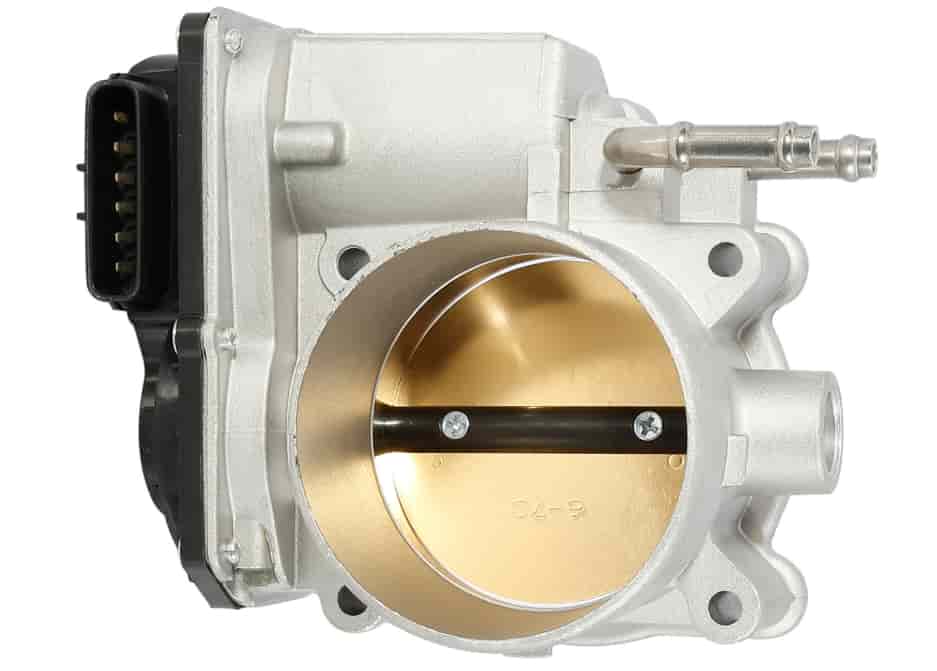
The Ford Throttle Body Relearn Procedure is a process that helps your engine relearn how to control airflow at idle and during acceleration. Modern Ford vehicles use an electronic throttle control system instead of a traditional cable. This system relies on sensors and the engine control unit to manage air intake with high precision.
Over time, the system stores data based on your driving habits and engine conditions. When you clean or replace the throttle body, you remove carbon buildup and change airflow characteristics. This causes a mismatch between stored data and actual conditions. As a result, the engine may idle poorly or respond slowly.
A relearn procedure allows the engine control unit to update these values. It recalibrates throttle position and airflow based on current conditions. This process restores smooth idle, stable RPM, and better throttle response.
It is important to understand the difference between a reset and a relearn. A reset clears stored data, often by disconnecting the battery. A relearn, however, actively rebuilds that data through controlled idling and driving conditions. Without relearning, the engine may continue to run inefficiently.
You typically need to perform this procedure after cleaning the throttle body, disconnecting the battery, or installing a new throttle unit. In all these cases, the system needs time and proper steps to adapt again.
Symptoms That Indicate You Need a Relearn
Your Ford often shows clear warning signs when it needs the Ford Throttle Body Relearn Procedure. These symptoms may seem minor at first, but they can quickly affect driving comfort and engine performance.
One common issue is rough idle. The engine may shake or vibrate when you stop at a red light. RPM may move up and down instead of staying stable. This creates an uncomfortable driving experience and signals that airflow control is not correct.
Another sign is engine stalling. Your vehicle may shut off unexpectedly, especially when idling or slowing down. This problem can become dangerous in traffic and often causes stress for drivers who rely on their car daily.
You may also notice hesitation during acceleration. When you press the gas pedal, the engine responds slowly or unevenly. This delay reduces driving confidence and makes overtaking or merging more difficult.
In some cases, fuel consumption increases. The engine works harder to compensate for incorrect airflow data. Over time, this leads to higher fuel costs and reduced efficiency.
Many drivers ignore these symptoms and assume they need expensive repairs. In reality, the issue often comes from missing calibration after cleaning or battery reset. Performing the relearn procedure can restore smooth operation and prevent further problems.
Ford Throttle Body Relearn Procedure Without Scan Tool
You can perform the Ford Throttle Body Relearn Procedure without a scan tool in many cases. This method works well for most Ford models and is ideal for drivers who prefer a simple DIY solution.
Start by turning the ignition to the ON position without starting the engine. Keep the key in this position for about 10 to 15 seconds. During this time, the throttle body begins its initial calibration cycle. You may hear a faint electronic sound as it adjusts.
Next, turn the ignition OFF and wait another 10 seconds. This step allows the system to store initial values before starting the engine.
Now start the engine without pressing the accelerator pedal. Let the engine idle on its own. Do not touch the gas pedal at this stage. Allow the vehicle to idle for at least 5 to 10 minutes. The engine control unit uses this time to relearn airflow and idle control.
After the idle stabilizes, take the car for a short drive. Keep your driving smooth and steady. Gradually increase speed and avoid aggressive acceleration. This drive cycle helps the system complete its adaptation process under real conditions.
For best results, make sure the engine reaches normal operating temperature. Also ensure that the throttle body is clean before starting the procedure.
Many drivers make the mistake of pressing the accelerator too early or skipping idle time. These actions interrupt the relearn process and lead to poor results. Follow each step carefully to restore smooth idle and responsive performance.
Ford Throttle Body Relearn Using Scan Tool
In some cases, the manual Ford Throttle Body Relearn Procedure may not deliver the desired results. This often happens when the system stores deeper calibration errors or when you replace the throttle body. At this point, a scan tool provides a more precise solution.
A professional OBD2 scanner allows you to access the engine control unit directly. With this tool, you can trigger a relearn function that resets and recalibrates throttle parameters in a controlled way. This method reduces guesswork and improves accuracy.
Start by connecting the scan tool to your vehicle’s OBD2 port. Turn the ignition ON without starting the engine. Navigate to the throttle body or idle relearn function within the scanner menu. Each tool may label this feature differently, so check for terms like idle relearn, throttle calibration, or ECU adaptation.
Once selected, follow the instructions shown on the screen. The system will guide you through steps such as cycling the ignition or letting the engine idle. The process usually takes a few minutes and completes automatically.
Using a scan tool offers several advantages. It ensures a complete reset of learned values and speeds up the adaptation process. It also helps identify related issues such as sensor faults or error codes.
If the manual method fails or symptoms persist, this approach can restore proper engine behavior more effectively.
Common Mistakes to Avoid
Many drivers perform the Ford Throttle Body Relearn Procedure but still face poor results. In most cases, small mistakes during the process cause the issue. Understanding these errors can save you time and prevent frustration.
One common mistake is pressing the accelerator pedal too early. The engine needs stable idle conditions to relearn airflow correctly. When you press the gas pedal, you interrupt this process and create incorrect data.
Another mistake is not allowing enough idle time. Some drivers rush the procedure and move on too quickly. The engine control unit needs several minutes to stabilize RPM and adjust throttle position. Skipping this step leads to rough idle and inconsistent performance.
A dirty throttle body can also cause problems. If carbon buildup remains, the airflow stays restricted. The system cannot relearn properly under these conditions. Always ensure the throttle body is clean before starting the procedure.
Many people also ignore engine temperature. The relearn works best when the engine reaches normal operating temperature. A cold engine provides inaccurate data and slows down adaptation.
Faulty sensors can create similar symptoms. Issues with the mass airflow sensor or throttle position sensor may prevent proper relearning. In such cases, the problem does not come from the procedure itself.
Avoiding these mistakes helps you get better results. A correct relearn process leads to smooth idle, stable RPM, and improved driving performance.
How Long Does the Relearn Take?
The Ford Throttle Body Relearn Procedure does not take long if you follow the correct steps. In most cases, the initial relearn process takes about 10 to 15 minutes. This includes ignition cycling and idle time.
However, full adaptation may take longer. The engine control unit continues to adjust airflow and throttle response during normal driving. This process often requires one to three drive cycles before everything feels completely smooth.
During the first few drives, you may still notice slight fluctuations in RPM or minor hesitation. This is normal. The system is still learning and refining its settings based on real driving conditions.
To speed up the process, drive the vehicle under varied conditions. Include city traffic, steady cruising, and gentle acceleration. Avoid aggressive driving during this phase.
Many drivers expect instant results and assume something is wrong when the engine does not feel perfect right away. In reality, the relearn process continues in the background.
With a bit of patience, your engine will return to stable idle and responsive performance.
Model Specific Notes (Ford F-150, Focus, Escape)
The Ford Throttle Body Relearn Procedure works similarly across most Ford vehicles. However, each model may show slight differences based on engine type and electronic systems.
For the Ford F 150, the relearn process is usually straightforward. Most modern F 150 models use advanced electronic throttle control systems. These systems adapt quickly, but they require proper idle time. Larger engines may take a bit longer to stabilize, especially after cleaning the throttle body.
The Ford Focus often shows more noticeable symptoms when relearn is required. Drivers may experience rough idle or hesitation more clearly. This happens because smaller engines react more sensitively to airflow changes. Following the idle and drive cycle steps carefully is important for this model.
The Ford Escape falls somewhere in between. It offers a balanced response but still requires proper relearn steps after maintenance. Some Escape models may benefit more from using a scan tool, especially if the issue persists after a manual relearn.
Despite these differences, the core process remains the same. You need stable idle, correct temperature, and a smooth driving cycle. These factors allow the engine control unit to rebuild accurate airflow data.
Understanding your specific model helps you set the right expectations. It also increases your chances of achieving smooth idle and consistent throttle response.
Conclusion
The Ford Throttle Body Relearn Procedure plays a key role in maintaining smooth engine performance. Many drivers overlook this step after cleaning or replacing the throttle body. As a result, they experience rough idle, stalling, or delayed throttle response without knowing the real cause.
By following the correct procedure, you allow your engine to relearn airflow and restore balance. This leads to stable RPM, better fuel efficiency, and a more responsive driving experience. The process is simple in most cases and does not require expensive tools.
It is important to stay patient during the relearn phase. The system may need time and several drive cycles to fully adapt. Avoid rushing or skipping steps, as this can lead to poor results.
If problems continue, using a scan tool or checking related sensors can help identify deeper issues. In most situations, however, a proper relearn is enough to solve the problem.
Have you tried the Ford Throttle Body Relearn Procedure on your vehicle? Share your experience and results. Your insight may help other drivers solve the same issue faster.