Many Ford owners feel surprised when they first see a Ford plastic drain plug during an oil change. Most vehicles used a metal drain bolt for decades. Because of that, a plastic component in the oil pan often raises questions.
Some drivers worry that the plug may break or leak oil. Others think plastic cannot handle engine heat or pressure. These concerns appear often among people who perform their own maintenance.
Ford introduced the plastic drain plug to improve service efficiency and protect the oil pan. The design uses a quick release locking system instead of traditional metal threads. This system helps prevent stripped threads, which often happen with metal drain bolts.
Modern Ford engines now use this design in many models. Several EcoBoost engines rely on the same plug system to simplify oil changes. The plug also includes a sealing ring that helps prevent oil leaks.
When you understand how the system works, the design becomes much less confusing. In this guide, you will learn why Ford uses a plastic drain plug and how it functions in modern engines. You will also learn how to remove a Ford plastic drain plug safely during an oil change.
Contents
What Is a Ford Plastic Drain Plug
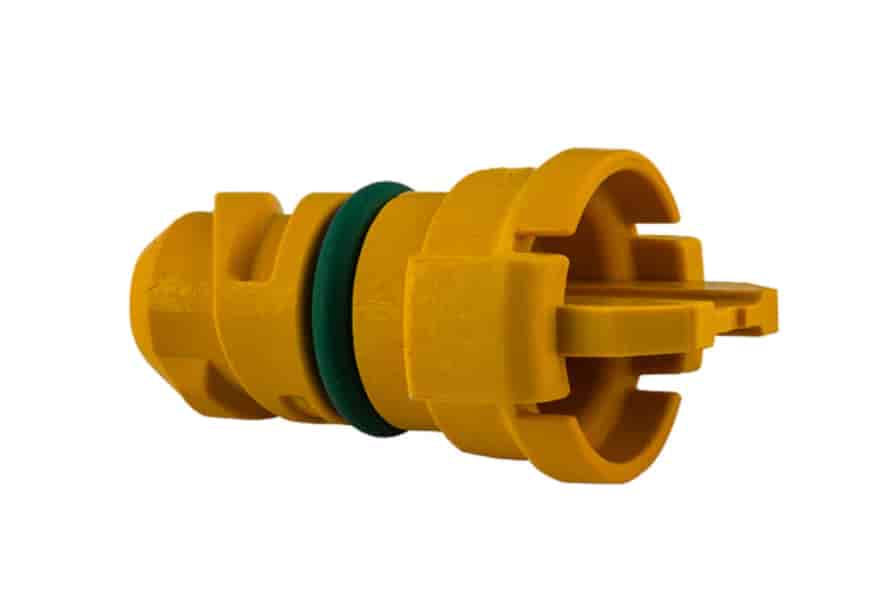
A Ford plastic drain plug is a removable component that allows engine oil to drain from the oil pan during an oil change. It replaces the traditional metal drain bolt that many vehicles used for decades. Ford introduced this plastic plug design to simplify maintenance and reduce the risk of damage to the oil pan.
Unlike a metal drain bolt, the Ford plastic drain plug does not rely on threaded metal contact. Instead, it uses a locking mechanism that secures the plug inside the oil pan opening. This design helps prevent stripped threads, which often occur when someone overtightens a metal bolt.
The plug usually includes a built in sealing ring that keeps engine oil from leaking. When installed correctly, the seal sits tightly against the oil pan surface and creates a secure barrier for the engine oil. This sealing method allows the plug to maintain a reliable connection without excessive tightening force.
Many modern Ford vehicles use this type of drain plug. Several engines in the EcoBoost family also rely on this system. Ford engineers designed the plug to make routine oil changes faster and easier for both technicians and vehicle owners.
The plug also works with a simple quarter turn removal method. Instead of loosening a bolt with a wrench, you rotate the plug slightly and pull it out. This process reduces the chance of damaging the oil pan threads and helps keep maintenance straightforward.
Because of this design, the Ford plastic drain plug plays an important role in modern Ford oil change systems. It supports faster service, protects the oil pan, and helps maintain a reliable oil seal during engine operation.
Why Ford Uses a Plastic Drain Plug
Ford introduced the Ford plastic drain plug to improve engine maintenance and reduce common problems during oil changes. Traditional metal drain bolts work well, but they can damage the oil pan when someone applies too much torque. Ford engineers wanted a system that protects the oil pan while making routine service easier.
One major reason Ford uses a plastic drain plug is to prevent stripped threads. Metal drain bolts screw directly into the oil pan. When someone overtightens the bolt, the threads in the oil pan can wear out or break. This damage often leads to costly repairs. The plastic drain plug uses a locking system instead of threaded metal contact, which greatly reduces this risk.
Another advantage involves service speed. The Ford plastic drain plug uses a quarter turn locking mechanism. A technician can unlock the plug quickly and remove it without using heavy tools. This simple design helps speed up oil changes in service centers and also makes the process easier for vehicle owners who perform their own maintenance.
The design also improves sealing performance. Most Ford plastic drain plugs include a sealing ring that creates a tight connection between the plug and the oil pan. This seal helps prevent oil leaks when installed correctly. Because the system does not require strong tightening force, it also lowers the chance of seal damage.
Manufacturing efficiency also plays a role in the design choice. Plastic components often reduce production costs while still meeting durability standards. At the same time, the lightweight design supports modern automotive engineering goals such as efficiency and simplified assembly.
For these reasons, Ford uses plastic drain plugs in many modern engines. The system helps protect the oil pan, speeds up maintenance, and provides a reliable seal for engine oil.
Is the Ford Plastic Drain Plug Reliable?
Many Ford owners question the reliability of a Ford plastic drain plug. The idea of using plastic in an engine component may sound risky at first. However, the design proves reliable when drivers use and install it correctly.
Ford engineers created the plastic drain plug to handle normal engine conditions. The material can tolerate engine oil temperatures and pressure during operation. The plug also includes a sealing ring that keeps the oil pan tightly sealed. When the plug locks into place, the seal helps prevent oil leaks.
One major advantage of this design involves protection for the oil pan. Metal drain bolts can damage oil pan threads when someone overtightens them. Once the threads strip, the oil pan may require expensive repair or replacement. The Ford plastic drain plug removes this risk because it does not rely on threaded metal contact.
The plug also reduces installation mistakes. Traditional drain bolts require a specific torque level. Many people tighten them too much or too little. The plastic drain plug locks into position with a simple turning motion. This mechanism helps ensure consistent installation every time.
Despite these advantages, the plug still requires proper handling. Rough removal or the use of incorrect tools can damage the locking tabs. In some cases, drivers may also notice oil leaks if the sealing ring becomes worn or dirty.
For most drivers, the plastic drain plug performs well throughout normal maintenance cycles. When installed correctly and replaced when necessary, it provides a safe and practical solution for modern Ford engines.
Common Problems With Ford Plastic Drain Plugs
The Ford plastic drain plug works well in most situations, but drivers may still encounter a few problems during maintenance. These issues usually appear when someone installs the plug incorrectly or uses improper tools during an oil change. Understanding these problems helps prevent damage and keeps the oil system working properly.
One common problem involves oil leaks after an oil change. This issue often occurs when the sealing ring does not sit correctly against the oil pan. Dirt, old oil residue, or a worn sealing ring can prevent a proper seal. When the seal fails, small amounts of engine oil may leak from the drain plug area.
Another issue involves damaged locking tabs. The plastic drain plug uses small locking tabs to secure the plug inside the oil pan. These tabs can break if someone forces the plug during removal or installation. Excessive pressure or the use of incorrect tools may cause this damage.
Some drivers also experience a stuck drain plug. This situation usually happens when debris or sludge builds up around the plug. Old engine oil deposits can create resistance when the plug rotates. In these cases, gentle movement and the correct removal tool help release the plug safely.
A worn sealing ring can also lead to problems over time. The sealing ring helps prevent oil leaks by forming a tight connection between the plug and the oil pan. After several oil changes, the ring may lose flexibility and fail to seal properly.
Most of these problems remain easy to prevent. Careful handling, proper cleaning, and correct installation help the Ford plastic drain plug perform as intended. Regular inspection during oil changes also helps drivers detect early signs of wear or damage.
How to Remove a Ford Plastic Drain Plug Safely
Removing a Ford plastic drain plug requires a simple process, but careful handling prevents damage to the locking tabs and sealing ring. Many problems occur when people force the plug or use the wrong tools. Following the correct steps helps you remove the plug safely and complete the oil change without issues.
First, allow the engine to cool before starting the oil change. Hot engine oil can cause burns and make the process harder to control. A slightly warm engine helps the oil flow smoothly, but it should never be extremely hot.
Next, locate the Ford plastic drain plug on the bottom of the oil pan. Place an oil drain pan under the plug to catch the used engine oil. This preparation prevents oil from spilling onto the floor or surrounding components.
Now insert the correct drain plug tool or use a suitable socket designed for the plug. Turn the plug slowly in the counterclockwise direction. The plug will unlock after a small rotation because the design uses a quarter turn locking mechanism.
Once the plug unlocks, pull it downward gently. Engine oil will begin to flow out of the oil pan immediately. Keep the drain pan positioned correctly to collect all the used oil.
Allow the oil to drain completely from the engine. This process may take several minutes depending on the engine size and oil temperature. Waiting for full drainage helps remove old oil and contaminants from the system.
After the oil finishes draining, inspect the plastic drain plug carefully. Check the locking tabs and the sealing ring for signs of wear or damage. If the sealing ring looks worn or cracked, replacing the plug can help prevent future oil leaks.
Finally, reinstall the plug by inserting it into the oil pan opening and turning it clockwise until it locks into place. The plug should sit securely without excessive force. A proper installation ensures a tight seal and prepares the engine for fresh oil.
Ford Plastic Drain Plug vs Metal Drain Plug
Many drivers compare the Ford plastic drain plug with the traditional metal drain bolt. Both designs allow engine oil to drain from the oil pan, but they differ in structure, durability, and maintenance requirements.
The biggest difference involves the installation method. A metal drain bolt relies on threaded contact between the bolt and the oil pan. This design requires a specific torque level during installation. If someone tightens the bolt too much, the oil pan threads may become damaged. Once the threads strip, the oil pan often needs repair or replacement.
The Ford plastic drain plug avoids this problem by using a locking system instead of threaded metal contact. The plug locks into place with a simple turning motion. This design reduces the risk of thread damage and makes oil changes easier for both technicians and vehicle owners.
Durability also differs between the two options. Metal drain bolts generally last longer because metal can resist repeated use and higher stress. Plastic drain plugs still perform well under normal conditions, but they may require replacement after several oil changes if the locking tabs or sealing ring wear out.
Another difference involves service convenience. A metal drain bolt usually requires a wrench and careful torque control during installation. The plastic drain plug uses a simpler system that requires minimal force. This design allows faster oil changes and reduces installation mistakes.
Both designs can work reliably when installed correctly. The choice between them often depends on the manufacturer’s design philosophy. Ford focuses on protecting the oil pan and simplifying maintenance, which explains the use of the plastic drain plug in many modern engines.
Maintenance Tips for Ford Plastic Drain Plugs
Proper maintenance helps the Ford plastic drain plug last longer and prevents common oil change problems. A few simple habits can protect the plug and keep the oil system sealed correctly.
Always use the correct tool when removing the plug. Incorrect tools can damage the locking tabs or place uneven pressure on the plug. Gentle rotation helps release the locking mechanism without breaking the plastic components.
Cleaning the area around the oil pan before removal also helps prevent problems. Dirt and debris can enter the opening during removal and interfere with the sealing surface. A clean surface helps the sealing ring create a stronger oil tight connection.
Inspect the sealing ring during every oil change. The ring should remain flexible and free from cracks or damage. If the ring appears worn, replacing the drain plug helps prevent oil leaks during the next service interval.
Avoid forcing the plug during installation. The design does not require excessive pressure to lock into place. A smooth clockwise turn should secure the plug correctly inside the oil pan opening.
Finally, monitor the plug during routine maintenance. A quick visual inspection can reveal early signs of wear, cracks, or sealing problems. Replacing a worn plug early helps avoid oil leaks and keeps the engine protected.
Conclusion
The Ford plastic drain plug represents a modern approach to engine maintenance. Instead of relying on traditional threaded bolts, Ford developed a locking plug system that protects the oil pan and simplifies oil changes.
This design helps reduce the risk of stripped threads, which remains a common problem with metal drain bolts. The plug also includes a sealing ring that creates a secure barrier for engine oil. When installed correctly, the system provides a reliable seal and supports efficient maintenance.
Many drivers feel uncertain when they first see a plastic drain plug. However, the design works well under normal engine conditions and has become common in many modern Ford engines. Proper handling during oil changes helps the plug perform as intended.
Learning how to remove and install the plug safely also prevents damage to the locking tabs and sealing ring. With correct tools and careful installation, the Ford plastic drain plug can support many routine oil changes without problems.
For Ford owners who perform their own maintenance, understanding this system makes oil changes easier and more predictable. A small component like the drain plug plays an important role in protecting engine oil flow and maintaining overall engine health.