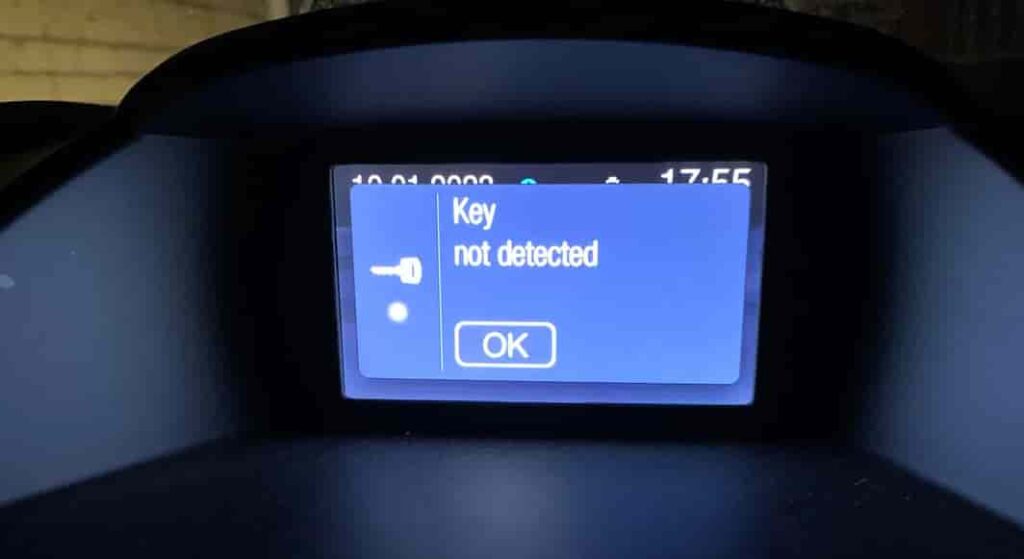
Have you ever tried to start your Ford only to see the message Ford Not Key Detected on your dashboard? This issue can be frustrating and confusing. Many drivers find themselves stranded or unsure what to do next. The Ford Not Key Detected warning can appear unexpectedly, often at the worst possible time.
In most cases, the problem is simple to fix. A low key fob battery is one of the most common causes. Nearby electronic devices can also interfere with the signal. Sometimes, the key fob itself may be faulty. Other times, the issue comes from the vehicle’s internal system. Understanding the cause is the first step to resolving it.
This guide will explain the most common reasons for Ford Not Key Detected. You will learn practical solutions that can be done at home. We will also show when it is necessary to seek professional help. Following these tips can prevent repeated warnings and ensure your key fob works reliably. If you have experienced Ford Not Key Detected before, this article will help you fix it quickly and confidently.
Contents
Common Causes of Ford Not Key Detected
One of the most frequent causes of the Ford Not Key Detected warning is a low or dead key fob battery. When the battery is weak, the vehicle cannot detect the key, and the message appears. Replacing the battery usually resolves this issue quickly and allows the key fob to work properly again. Another common reason is signal interference. Electronic devices such as mobile phones, laptops, or even metal objects near the key fob can block the signal. This interference prevents the vehicle from recognizing the key, leading to the warning message.
Sometimes, the key fob itself may be faulty. Physical damage or internal malfunctions can stop it from communicating with the vehicle. In such cases, replacing the key fob is necessary. Additionally, issues with the vehicle’s internal system can cause the Ford Not Key Detected alert. Software glitches or problems with the car’s electronic control unit may prevent the car from detecting a perfectly working key. Performing a system reset or software update can often solve this type of problem.
Understanding these common causes is the first step toward a solution. By identifying whether the issue is related to the battery, interference, a faulty key fob, or the vehicle system, you can take the right action. Taking preventive measures, such as keeping the key fob charged and avoiding electronic interference, can reduce the chances of seeing the Ford Not Key Detected message in the future.
Step-by-Step Solutions to Fix Ford Not Key Detected
Fixing the Ford Not Key Detected issue often starts with checking the key fob battery. Replacing a low or dead battery is usually the simplest solution. Always use the correct battery type to ensure proper function. After replacing the battery, test the key fob near the car to confirm it is working. Another effective solution is reprogramming the key fob. Many Ford models allow owners to reset the key fob by following a series of steps in the vehicle manual. This process ensures the car recognizes the key correctly.
If replacing the battery or reprogramming does not work, try reducing signal interference. Keep electronic devices away from the key fob and avoid placing the fob near metal objects. This can improve signal transmission and prevent the Ford Not Key Detected warning from appearing. In some cases, the vehicle’s system may need a reset. Turning the car off completely, locking it, and restarting after a few minutes can resolve minor software glitches.
When these steps fail, it is important to contact a professional. Visiting a Ford dealership or a certified technician ensures that any complex issues with the key fob or the vehicle system are handled safely. Following these solutions can quickly fix the Ford Not Key Detected message and prevent further inconvenience. Maintaining the key fob and avoiding interference helps keep your Ford running smoothly.
Costs and Professional Help
When the Ford Not Key Detected issue cannot be fixed at home, professional help may be necessary. Replacing a key fob at a Ford dealership usually involves both parts and labor, which can vary depending on the model. On average, the cost can range from moderate to high, but it ensures that the new key is fully compatible with the vehicle. Key programming or system resets performed by a certified technician may also incur additional fees.
Some owners choose to use aftermarket key fobs as a more affordable option. While this can save money, it is important to verify compatibility and quality to avoid repeated Ford Not Key Detected warnings. Visiting a professional ensures that the problem is correctly diagnosed, whether it is a faulty key fob, a battery issue, or a software glitch. Professionals can also update the vehicle system, which may prevent future occurrences of the warning.
Knowing the potential costs and available professional services helps Ford owners make informed decisions. Taking quick action can prevent extended downtime and reduce stress. Whether you replace the battery, reprogram the key, or consult a technician, addressing the Ford Not Key Detected warning promptly keeps your vehicle safe and reliable. Investing in proper maintenance is often less expensive than repeated emergency visits due to unresolved key detection issues.
Preventive Tips to Avoid Ford Not Key Detected
Preventing the Ford Not Key Detected warning is easier than dealing with it after it appears. One simple tip is to always keep your key fob charged and replace the battery regularly. A fresh battery ensures a strong signal and reduces the chances of detection problems. Another effective method is to avoid placing the key fob near electronic devices or metal objects, which can interfere with the signal. Keeping the key in a consistent location in the vehicle can also improve detection reliability.
Regular vehicle maintenance is another important step. Ensuring that the car’s software is up to date can prevent glitches that trigger the Ford Not Key Detected alert. Some Ford models receive updates automatically, but checking with a dealership periodically is a good practice. Additionally, be mindful of the distance between the key fob and the car when starting the engine. Even a small increase in distance can cause the warning to appear, especially if the battery is slightly low.
By following these preventive tips, you can significantly reduce the chances of encountering the Ford Not Key Detected message. Proper care of the key fob, avoiding interference, and keeping the vehicle system updated help maintain smooth operation. These steps not only prevent inconvenience but also protect your investment in your Ford vehicle. Consistent preventive measures keep your car reliable and ready to start without unexpected issues.
Conclusion
The Ford Not Key Detected warning can cause stress and frustration for any driver, but understanding the causes makes it easier to address. Common issues include a low key fob battery, signal interference, a faulty key, or vehicle system glitches. Identifying the exact cause allows you to take the right steps, whether replacing the battery, reprogramming the key fob, reducing interference, or seeking professional help.
Taking preventive measures is equally important. Regularly replacing the key fob battery, avoiding electronic interference, keeping the key in a consistent location, and updating your vehicle software can reduce the chances of encountering the Ford Not Key Detected alert. These simple actions ensure that your key fob works reliably and that your Ford starts smoothly every time.
If you have experienced the Ford Not Key Detected message, following the solutions in this guide can save time, money, and frustration. Proper maintenance and awareness help prevent repeated warnings and keep your vehicle dependable. Share your experiences with the Ford Not Key Detected issue in the comments below or let us know which solutions worked best for you. Staying informed and proactive is the key to avoiding unnecessary inconvenience and enjoying a worry-free driving experience.