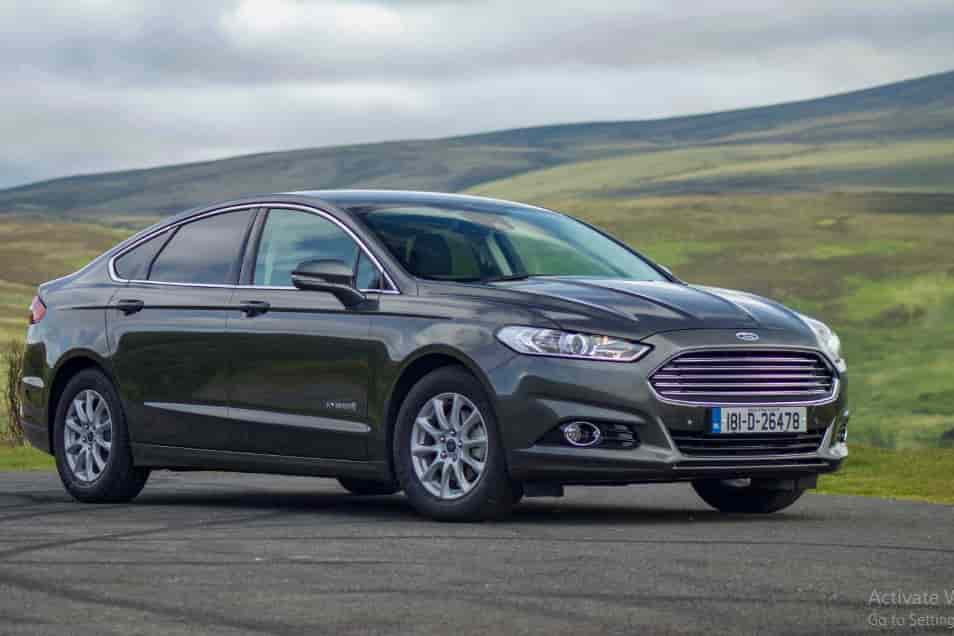
Hybrid vehicles promise efficiency and smooth performance yet many Ford Mondeo Hybrid owners report issues that interrupt their daily driving experience. In 2025 these reports grow more consistent which makes a clear reliability breakdown more important than ever. The Mondeo Hybrid delivers comfort and refinement but its electrified powertrain creates challenges that drivers cannot ignore. Many owners notice early battery degradation unpredictable software behaviour sudden drops in fuel economy and performance inconsistencies that appear without warning.
When these problems show up drivers feel confused and worried especially when the dashboard lights up with messages that provide little clarity. These moments create stress and raise questions about the vehicle’s long term dependability. By examining real world data owner experiences and technical evaluations this guide reveals the problems that matter most. My goal is simple. I want you to understand how these issues develop how they affect everyday driving and how you can reduce repair costs through early detection and smarter maintenance choices.
Contents
- Early Battery Degradation in the Ford Mondeo Hybrid
- Software Glitches and System Errors Affecting Daily Driving
- Unexpected Fuel Consumption Increases Over Time
- Power Delivery Inconsistencies That Disrupt Driving Confidence
- Cooling System Strain and Overheating Risks
- Brake System Wear Accelerated by Regenerative Braking Variations
- Suspension Wear That Reduces Ride Comfort Over Time
- Electrical System Sensitivity That Leads to Intermittent Failures
- Steering System Stiffness and Responsiveness Decline
- Long Term Reliability Concerns Shown in Owner Reports
- Conclusion
Early Battery Degradation in the Ford Mondeo Hybrid
Many owners identify early battery degradation as one of the most noticeable Ford Mondeo Hybrid problems. The high voltage battery plays a central role in the vehicle’s performance and even a small change in its efficiency can reshape the driving experience. Drivers often report weaker electric assistance during acceleration slower response in stop and go traffic and moments when the car switches to the petrol engine far sooner than expected. These symptoms create frustration because the hybrid system no longer delivers the fuel savings that many buyers expect.
Battery wear usually develops gradually. Everyday habits such as short commutes heavy use of air conditioning and frequent idling can speed up the decline. Weather also plays a major role because extreme temperatures force the battery to work harder which increases internal stress. When the battery shows early signs of weakness the driver may notice reduced electric range sudden energy drops and occasional warning messages that hint at a deeper issue. These messages can feel unsettling especially for owners who depend on the hybrid system for consistent performance.
Although early battery degradation raises concerns it does not always require an immediate replacement. Many cases improve with calibration updates or more balanced driving habits. Regular diagnostic checks help technicians detect minor faults before they spread to the rest of the system. These small steps give owners more control over maintenance costs and prevent unexpected breakdowns. Early awareness becomes the strongest tool for anyone who wants to protect the long term reliability of a Mondeo Hybrid and maintain its original efficiency for as long as possible.
Software Glitches and System Errors Affecting Daily Driving
Software glitches appear frequently in owner reports and they remain one of the most unpredictable Ford Mondeo Hybrid problems. The hybrid system depends on a complex network of electronic controls that coordinate the engine the electric motor the battery pack and the driver assistance features. When the software misbehaves the entire driving experience can feel unstable. Many owners describe sudden error messages that appear without warning followed by a temporary loss of electric assistance or inconsistent power delivery. These moments disrupt the sense of confidence that hybrid drivers usually expect.
In many cases the system enters protective mode to prevent further complications. Although this response protects the hardware it also limits performance which leaves the driver confused and concerned. The car may accelerate more slowly than usual or switch between electric and petrol power at irregular intervals. Some drivers even report brief episodes where the infotainment screen freezes or the climate control reacts slowly. While these issues seem unrelated they often originate from the same software architecture that manages multiple systems at once.
Environmental factors amplify the likelihood of glitches. High humidity sudden temperature changes and voltage fluctuations can create conditions that confuse system sensors. If the software does not process these signals correctly it may trigger conflict between the hybrid control unit and the battery management system. When this conflict appears repeatedly it increases the risk of long term inefficiency and higher energy consumption.
Regular software updates remain the most effective way to stabilize the system. Technicians can refresh outdated modules and remove corrupted data that builds up over time. Drivers who maintain an update schedule often report smoother performance and fewer warning messages. This simple habit protects the Mondeo Hybrid from avoidable malfunctions and helps the vehicle deliver consistent reliability throughout its lifespan.
Unexpected Fuel Consumption Increases Over Time
Drivers Notice Higher Fuel Use
Many owners observe that their Mondeo Hybrid begins to use more fuel as the vehicle gets older. This change surprises drivers because hybrid technology usually promises stable long term efficiency. When fuel use rises without a clear reason the driver starts to question whether the system still works correctly. This concern makes unexpected consumption one of the most common Ford Mondeo Hybrid problems.
Internal Factors Affect Efficiency
Several components influence this decline. The engine and electric motor rely on precise coordination. When the calibration shifts the engine may activate earlier and stay on longer than necessary. This behaviour reduces the value of the electric assist and increases consumption. Tyre pressure and weather conditions also affect efficiency. Cold temperatures reduce battery performance which forces the engine to handle more of the workload.
Battery Condition Plays a Major Role
A weak high voltage battery changes how the hybrid system balances energy. When the battery cannot store enough charge the petrol engine compensates during both city and motorway driving. Owners often misread the situation and assume the engine has a mechanical issue. In reality the efficiency loss often comes from the reduced capacity of the battery pack.
Driving Habits Influence Fuel Usage
Short trips heavy acceleration and slow traffic limit regenerative braking. When the system cannot recover enough energy the battery enters each trip with less charge. The engine then carries a larger share of the work which increases fuel use. Drivers who adjust their habits often see quick improvements.
Simple Checks Restore Efficiency
Routine maintenance helps stabilise fuel consumption. Updating the powertrain software and keeping tyres properly inflated make an immediate difference. A clean air filter also improves airflow and reduces engine strain. These small actions help the Mondeo Hybrid regain its intended efficiency and reduce long term running costs.
Power Delivery Inconsistencies That Disrupt Driving Confidence
Many Mondeo Hybrid owners describe moments when the vehicle hesitates during acceleration or delivers power in an irregular way. These incidents appear both in city driving and on the motorway which makes them more noticeable and more frustrating. Drivers expect a hybrid powertrain to shift smoothly between electric and petrol power and when this rhythm changes even slightly the experience feels unstable. This instability reduces confidence especially in situations where quick reactions matter such as overtaking or merging into traffic.
The hybrid system relies on clean communication between sensors the engine and the electric motor. When any component misreads torque demand the system may choose the wrong power source for the moment. This behaviour creates a short pause before the car responds or triggers a sudden switch to the petrol engine which interrupts the flow of acceleration. Although the delay may last only a second the driver feels it immediately because hybrid drivetrains usually react with precision.
Ageing components add complexity to the problem. As the battery pack the inverter and the electric motor wear they deliver energy less efficiently. A weak battery may fail to provide the expected voltage which reduces the strength of the electric motor. When that happens the engine steps in with extra load and this creates uneven bursts of power. Owners often notice this effect during light acceleration where the car seems to surge forward then settle then surge again.
Environmental factors also amplify these inconsistencies. Hot weather heavy cargo and steep roads place additional strain on the powertrain. Short trips add another complication because the system does not reach optimal temperature and therefore cannot manage energy with its usual accuracy. Over time these conditions highlight small internal weaknesses and make the inconsistencies easier to detect.
Drivers who maintain steady acceleration patterns and give the hybrid system time to warm up often experience smoother performance. Regular diagnostic checks and updated software improve the timing between engine and electric motor. These small actions help stabilise the system and restore the predictability that many Mondeo Hybrid owners expect in their daily driving experience.
Cooling System Strain and Overheating Risks
The cooling system in the Ford Mondeo Hybrid works harder than many drivers realise because it manages both the petrol engine and the electric components. As the vehicle ages this system can lose efficiency which leads to a higher risk of overheating. Many owners report rising temperatures during long trips or in slow moving traffic where airflow becomes limited. When the temperature climbs too quickly the driver feels anxious since overheating can trigger a cascade of performance issues that affect the entire hybrid system.
One common factor behind this problem lies in the cooling fan and its sensors. When these components respond slowly the system struggles to regulate heat and this delay allows the engine and inverter to warm up faster than expected. Even a small drop in coolant flow can create noticeable temperature spikes. Drivers often observe a sudden reduction in power or a louder engine tone when this happens and both signs indicate that the powertrain is working harder than it should. If the coolant ages or evaporates the system loses additional strength which increases long term strain.
The hybrid battery also generates heat during heavy acceleration or steep climbs and the system must work precisely to maintain safe temperatures. When the cooling path becomes blocked by dust or debris the air cannot circulate effectively and the battery experiences more stress. Over time excessive heat reduces its capacity and shortens its lifespan. Owners sometimes misinterpret this decline as an electrical fault when the root cause begins with poor cooling efficiency.
Regular maintenance protects the Mondeo Hybrid from these risks. Checking coolant levels cleaning airflow paths and monitoring fan performance give the system the support it needs to operate smoothly. Drivers who stay attentive to early signs such as rising temperature readings or brief power loss often avoid costly repairs. With consistent care the cooling system can preserve the reliability of the hybrid powertrain and maintain its expected performance.
Brake System Wear Accelerated by Regenerative Braking Variations
The Mondeo Hybrid relies on a balance between mechanical braking and regenerative braking and this balance shapes how quickly the brake system wears. Many owners expect the regenerative feature to reduce wear on the brake pads yet real world driving shows a different pattern. When the hybrid system struggles to recover energy consistently the mechanical brakes take on more work than intended. Drivers often notice a soft pedal feel longer stopping distances or a grinding sensation that hints at early wear. These signs create concern because braking performance influences both safety and driving comfort.
Regenerative braking activates when the electric motor switches into generator mode to capture energy during deceleration. This process should ease the load on the brake pads but it requires stable communication between sensors and the energy management system. When sensor readings become inaccurate the system may reduce regeneration without warning. The driver may not feel the change immediately but the mechanical brakes must compensate which increases friction and heat. Over time this pattern accelerates wear and creates maintenance costs that surprise many hybrid owners.
Temperature and driving conditions also influence brake performance. Cold mornings reduce regenerative strength and heavy traffic forces frequent stops where mechanical brakes handle most of the work. Steep hills create added stress because the driver must apply constant pressure to maintain control and this heat buildup leads to faster pad degradation. As the pads wear the discs begin to experience uneven contact which produces noise and reduces braking efficiency.
Regular inspections help drivers manage these issues before they escalate. Technicians can measure pad thickness check disc condition and verify that the regeneration system still responds correctly to driving inputs. A recalibration of the braking system often restores balance and improves energy recovery. With timely attention the Mondeo Hybrid maintains safer stopping power while reducing long term wear and unnecessary costs.
Suspension Wear That Reduces Ride Comfort Over Time
Many Mondeo Hybrid owners begin to notice changes in ride comfort as the suspension components age. What once felt smooth and controlled can slowly turn into a firmer and less predictable driving experience. Small vibrations appear first especially on uneven roads and these vibrations grow more pronounced when the car carries extra weight. Drivers often describe a feeling of looseness in the front end or a light knocking sound when the vehicle moves over bumps. These early signs create concern because a stable suspension plays a central role in safety and control.
The added weight of the hybrid battery places extra stress on the suspension system. Springs and dampers work harder to support the rear portion of the vehicle and this increased load speeds up natural wear. As the components weaken they struggle to absorb impacts effectively which causes the cabin to shake more than usual. This change becomes most noticeable during long trips where the constant motion gradually leads to fatigue for both the driver and passengers.
Bushings and joints also contribute to this problem. When these rubber elements dry out or crack they lose their ability to cushion movement and this leads to sharper road feedback. Drivers often mistake this for tyre wear when in reality the suspension geometry begins to shift. If the alignment drifts the tyres will lose contact evenly with the road which affects handling during cornering and braking. These subtle changes accumulate and eventually alter the entire driving character of the vehicle.
Routine checks preserve the comfort and balance that the Mondeo Hybrid is known for. Technicians can inspect dampers measure alignment angles and replace worn bushings before they affect the vehicle’s stability. A properly maintained suspension restores confidence and keeps the hybrid driving smoothly even as the mileage rises. Owners who respond early to these small symptoms often avoid larger repairs and extend the lifespan of the entire system.
Electrical System Sensitivity That Leads to Intermittent Failures
The Mondeo Hybrid depends on a complex electrical network that links the high voltage battery the low voltage system the sensors and the control units. As the vehicle ages this network becomes more sensitive to small fluctuations and these fluctuations often result in intermittent failures. Many owners describe brief moments when interior lights dim for a second or the infotainment system restarts without warning. Although these events appear minor they signal deeper inconsistencies in voltage stability that may affect more critical components over time.
The 12 volt battery plays a larger role than many drivers expect. It wakes the hybrid system and powers essential electronics before the high voltage unit activates. When the 12 volt battery begins to weaken the vehicle may struggle to start or display unusual warning messages. Some owners report cycles where the car starts normally one day but fails the next even though no other symptoms appear. This pattern often creates confusion because the high voltage battery remains healthy while the smaller battery causes irregular behaviour.
Moisture also contributes to electrical instability. Humid weather or minor water intrusion can affect connectors and create resistance that disrupts the flow of signals. When sensors send incomplete data the hybrid control unit must guess the correct response and this guesswork sometimes leads to hesitations or warning lights that disappear as quickly as they appear. These unpredictable errors make drivers uncertain because they cannot reproduce the problem for technicians.
Routine inspection of grounding points wiring condition and battery health helps stabilise the system. Cleaning connectors reduces resistance and allows sensors to communicate clearly with the control units. Replacing the 12 volt battery at the first sign of weakness prevents more serious disruptions. When the electrical network functions smoothly the Mondeo Hybrid delivers the consistent behaviour that owners expect and avoids the frustration of unexplained failures.
Steering System Stiffness and Responsiveness Decline
As the Mondeo Hybrid accumulates mileage many owners begin to notice a gradual change in steering feel. What once felt light and precise can slowly become heavier and less responsive. These changes appear during low speed manoeuvres as well as on long motorway drives where the steering requires more correction than before. Drivers often describe a slight resistance when turning the wheel or a delay between movement and the car’s directional response. These early signs can reduce driving comfort and raise safety concerns especially in tight spaces or during quick lane changes.
The electric power steering system depends on sensors that measure driver input and road conditions. When these sensors deliver inconsistent readings the steering assistance may fluctuate. Some drivers notice moments when the wheel feels firm for a few seconds before returning to normal. Although the change may seem insignificant these fluctuations show that the assistance system is struggling to maintain smooth and predictable behaviour. Over time this inconsistency increases driver fatigue because the driver must make more frequent adjustments to keep the vehicle on course.
Wear in the steering rack also contributes to the decline in responsiveness. Small internal components lose lubrication and begin to create additional friction. When this happens the wheel does not rotate as freely and the driver senses a heavier feel even at moderate speeds. The added weight of the hybrid battery can magnify this effect because the extra rear mass alters the distribution of forces across the chassis. As the suspension and tyres respond differently the steering system must work harder to maintain precision.
Regular maintenance reduces the impact of these changes. Technicians can inspect the steering fluid condition even though the system is primarily electric because lubrication points still require attention. They can also update the control software which may refine the assistance curve and improve steering balance. When addressed early these adjustments help the Mondeo Hybrid maintain its original steering character and allow the driver to enjoy a smoother and more controlled experience.
Long Term Reliability Concerns Shown in Owner Reports
Long term ownership reveals patterns that short term reviews cannot capture and these patterns show several reliability concerns that Mondeo Hybrid drivers frequently discuss. As the vehicle crosses higher mileage the combination of ageing components software behaviour and energy management changes begins to shape a clearer picture of long term durability. Many owners report that the car still drives comfortably yet they also notice that small issues appear more often and require more attention than in the earlier years of ownership. These recurring symptoms create a sense of uncertainty and encourage drivers to watch the vehicle more closely.
One of the most common concerns lies in the hybrid system’s consistency. The coordination between the petrol engine and electric motor becomes less precise with age which leads to fluctuating performance. Some drivers experience mild vibrations during idle while others report occasional surges when accelerating from low speeds. These issues do not always indicate a major failure but they show how sensitive the hybrid system becomes when its components no longer operate with the same precision they had when new.
Electrical stability also becomes a key topic in long term discussions. Owners notice more frequent warning messages even when no serious problem exists. These brief alerts often disappear after restarting the car which suggests that the sensors and control units require more time to communicate. Although these glitches rarely stop the vehicle from operating they reduce driver confidence because the cause is difficult to identify.
Regular maintenance proves essential for extending the lifespan of the Mondeo Hybrid. Consistent software updates inspections of the battery health and careful monitoring of the cooling and braking systems prevent many issues from growing into costly repairs. Owners who follow these routines often report a more stable experience and enjoy the benefits of hybrid technology for a longer period. Attention to detail becomes the key factor that determines how well the Mondeo Hybrid performs in its later years.
Conclusion
Understanding Ford Mondeo Hybrid Problems in a complete and realistic way helps owners and future buyers make more confident decisions. The issues that appear across long term use do not come from a single weakness but from the gradual interaction between ageing components driving conditions and the complex relationship between electric and petrol power. When these factors shift the vehicle begins to show symptoms that many drivers do not expect such as rising fuel consumption slower system responses and occasional electrical irregularities. These changes create frustration but they also highlight the importance of awareness and timely maintenance.
Drivers who monitor early signs often avoid larger expenses because small adjustments restore stability before the system experiences deeper strain. Regular software updates routine diagnostics and consistent checks of the cooling braking and electrical systems preserve the balance that the hybrid powertrain needs. Although the Mondeo Hybrid develops concerns over time it still delivers a dependable and comfortable driving experience when maintained with care. By understanding how these problems evolve and by responding early owners can protect both reliability and long term value and enjoy the benefits that the hybrid design originally promised.