Have you ever experienced a sudden failure of your Ford low beam while driving at night? A Ford Low Beam Bulb Fault can be frustrating and even dangerous, reducing visibility and increasing the risk of accidents. Low beams are crucial for safe driving in low-light conditions and for complying with traffic regulations. Many drivers do not realize the issue until they encounter dim or flickering lights, a dashboard warning, or complete failure during a night journey. Understanding the causes of a Ford Low Beam Bulb Fault can help you prevent unexpected breakdowns and save money on unnecessary repairs.
This guide will explore the most common reasons behind low beam problems, the symptoms to watch for, and practical solutions that you can apply yourself or with minimal assistance. From burned-out bulbs to electrical issues, knowing how to identify and fix these problems ensures your vehicle remains safe and reliable. Whether you drive a Ford Focus, Ranger, or Fiesta, this article provides actionable steps to keep your low beams functioning properly. By learning to detect issues early, you can avoid stressful situations on the road and maintain confidence in your Ford’s nighttime performance.
Contents
Causes of Ford Low Beam Bulb Fault
A Ford Low Beam Bulb Fault can happen for several reasons, and identifying the cause is crucial for a proper fix. One of the most common reasons is a burned-out bulb. Over time, low beam bulbs wear down due to continuous use and vibrations while driving, which shortens their lifespan. Using low-quality bulbs can make this problem occur even sooner. Another frequent cause is a blown fuse. Fuses protect the electrical circuits in your Ford, and when a fuse related to the low beam fails, the headlights will stop working. Checking the vehicle manual to locate the correct fuse and replacing it carefully can solve the issue quickly.
Faulty headlight switches can also trigger a low beam fault. Moisture, wear, or internal damage may prevent the lights from turning on or cause them to flicker intermittently. Electrical wiring and connector issues are another common problem. Loose connections, corroded terminals, or damaged wires can interrupt the power supply to the bulbs, resulting in inconsistent or complete failure. Some Ford models may also experience relay problems that affect the low beams. The headlight relay controls the power flow to the bulbs, and a malfunction can prevent the lights from operating properly. Understanding these causes helps Ford owners troubleshoot efficiently and take action before the problem becomes serious. Regular checks and using high-quality replacement parts can significantly reduce the risk of a Ford Low Beam Bulb Fault and keep nighttime driving safe and reliable.
Symptoms of Ford Low Beam Bulb Fault
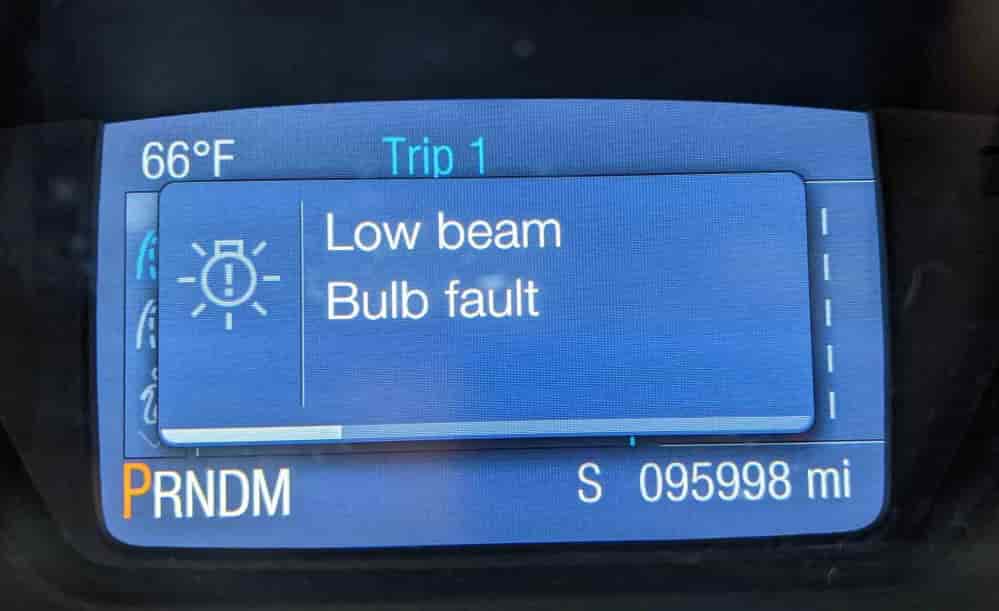
Recognizing the symptoms of a Ford Low Beam Bulb Fault early can save you from unexpected problems while driving at night. One of the most noticeable signs is flickering or dim low beams. If your headlights appear weaker than usual or blink intermittently, it could indicate that the bulb is nearing the end of its life or that there is an issue with the electrical connections. Another common symptom is the dashboard warning light. Many Ford models have a headlight warning indicator that turns on when there is a problem with the low beams. Ignoring this warning can lead to complete failure of the lights at the worst possible time.
Sudden failure while driving is another clear symptom of a low beam fault. If one or both headlights stop working without warning, it could be due to a blown fuse, a faulty relay, or a burned-out bulb. Uneven light projection is also a sign to watch for. If the beam does not illuminate the road evenly or points in the wrong direction, it may indicate wiring or connector issues. Early detection of these symptoms allows you to address the problem before it becomes dangerous and helps maintain consistent visibility during night driving. Ford owners who pay attention to these warning signs can prevent accidents, avoid costly repairs, and ensure their low beams are always functioning reliably. Understanding these symptoms is essential for keeping your vehicle safe and your nighttime journeys stress-free.
Easy Fixes for Ford Low Beam Bulb Fault
Fixing a Ford Low Beam Bulb Fault is often simpler than many drivers expect, and several solutions can be done at home with minimal tools. The most straightforward fix is replacing a burned-out bulb. Make sure to choose the correct type of bulb for your Ford model and follow the instructions in the vehicle manual for safe installation. Checking and replacing blown fuses is another simple solution. Locate the fuse related to the low beams and replace it with one of the same rating. This can restore proper function without requiring professional help. Regular inspection of the headlight switch can also prevent failures. Cleaning, drying, or replacing a faulty switch can resolve intermittent lighting problems.
Electrical wiring and connectors should be checked as well. Loose connections, corrosion, or damaged wires can be repaired or replaced to restore consistent power to the low beams. In some cases, the headlight relay may be the cause. Replacing a malfunctioning relay often resolves persistent issues. For Ford owners who prefer a proactive approach, using high-quality bulbs and performing regular inspections of the headlight system can reduce the likelihood of encountering a low beam fault. Knowing how to perform these easy fixes not only saves money on repairs but also ensures safer driving at night. By addressing a Ford Low Beam Bulb Fault promptly, you can maintain confidence in your vehicle’s lighting performance and avoid stressful situations on the road.
Conclusion
A Ford Low Beam Bulb Fault can disrupt your driving experience, reduce safety, and cause unnecessary stress, but understanding the causes, symptoms, and solutions makes it manageable. Burned-out bulbs, blown fuses, faulty switches, wiring issues, and relay malfunctions are the most common reasons for low beam failure. Recognizing early warning signs such as flickering lights, dim illumination, dashboard warnings, or uneven light projection can prevent the problem from becoming more serious. Acting promptly allows you to maintain proper visibility and avoid potential accidents during nighttime driving.
Easy fixes such as replacing bulbs, checking fuses, inspecting switches, repairing wiring, or replacing a faulty relay can often resolve the issue without professional help. Using high-quality replacement parts and performing regular inspections can extend the life of your low beams and reduce the chances of encountering a Ford Low Beam Bulb Fault in the future. Understanding and addressing these issues ensures that your vehicle remains safe and reliable, giving you confidence behind the wheel. By taking proactive steps and knowing what to look for, you can keep your low beams functioning properly and enjoy stress-free night driving.