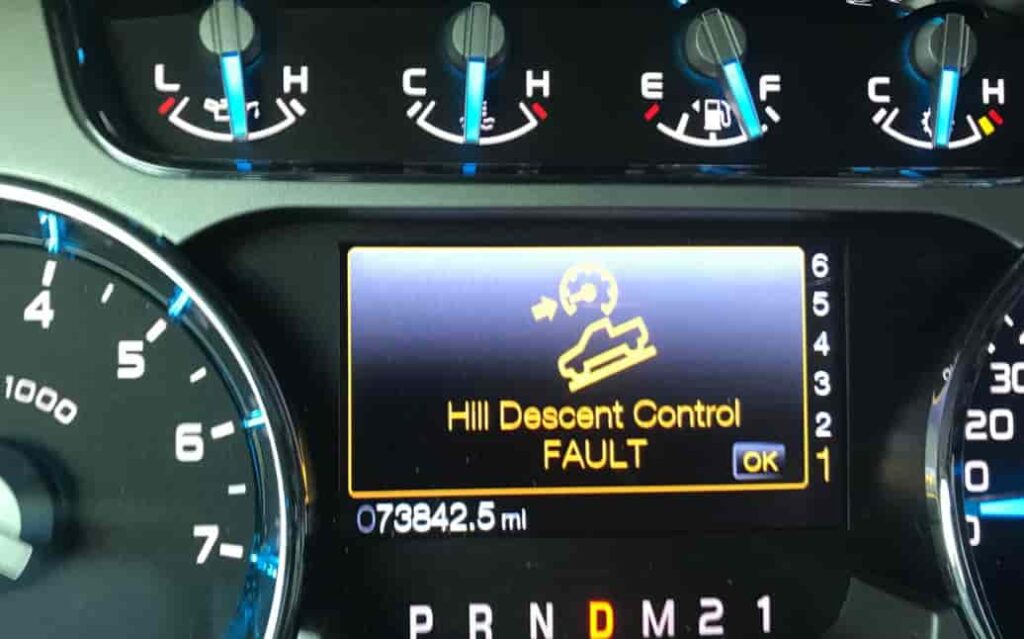
Experiencing a Ford Hill Descent Control Fault can be stressful for any driver. This warning may appear on your dashboard unexpectedly, especially when navigating steep hills or off-road conditions. Hill Descent Control is designed to maintain a steady and safe speed while descending, helping to prevent wheel lock and maintain traction. When this system fails, it can compromise vehicle stability and make driving more challenging.
Understanding the reasons behind a Ford Hill Descent Control Fault is crucial for timely and effective solutions. Some issues are minor, such as a sensor that requires a reset, while others may need professional repair to prevent further complications. Ignoring the warning could increase safety risks and lead to more expensive repairs down the road.
This guide will help you identify the common causes of a Ford Hill Descent Control Fault and provide practical fixes that you can apply safely. In addition, we will share essential preventive tips to protect your vehicle and ensure the Hill Descent Control system remains fully functional. By following these steps, Ford owners can drive with confidence, reduce repair costs, and enjoy the full benefits of their vehicle’s safety systems.
Contents
What is Hill Descent Control and How It Works
Hill Descent Control is a safety feature available on many Ford models. It helps drivers maintain control when going down steep or slippery slopes. The system automatically adjusts braking pressure on each wheel. This allows the driver to focus on steering instead of constantly applying brakes. The feature is especially useful in off-road conditions, on wet surfaces, or on icy terrain where traction is critical. The system relies on wheel speed sensors, brake modules, and stability systems to detect when the vehicle moves downhill too fast. When everything works properly, Hill Descent Control keeps the descent smooth and controlled with minimal effort from the driver.
A Ford Hill Descent Control Fault occurs when a component detects a problem. The dashboard will show a warning to alert the driver. Common causes include faulty sensors, ABS issues, or software glitches. When the fault appears, the system may turn off, leaving the driver to control speed manually. Understanding how Hill Descent Control works helps drivers see why a fault affects safety. Regular maintenance, such as checking sensors and updating software, can prevent most faults. Knowing how the system functions allows Ford owners to respond quickly and restore full functionality whenever a fault occurs.
Common Causes of Ford Hill Descent Control Fault
A Ford Hill Descent Control Fault can appear for several reasons. One of the most common causes is a faulty wheel speed sensor. These sensors monitor each wheel’s rotation and send data to the system. If a sensor fails or gets dirty, the HDC system may trigger a fault. Another frequent issue involves the anti-lock braking system. Problems with ABS components, such as the control module or brake lines, can cause the Hill Descent Control system to malfunction.
Software glitches can also lead to a Ford Hill Descent Control Fault. Sometimes the system needs a reset or a software update to function correctly. Environmental factors can contribute as well. Mud, debris, or corrosion around sensors and brake components can interfere with proper operation. Physical damage from impacts or off-road driving may also cause the system to detect a fault.
Ignoring these issues can affect vehicle stability and safety, especially on steep or slippery terrain. Understanding the common causes helps drivers take timely action. In many cases, cleaning sensors or updating software solves the problem. In more serious situations, professional inspection and repair may be necessary. Regular maintenance and careful driving habits reduce the likelihood of encountering a Ford Hill Descent Control Fault. By identifying the source early, Ford owners can restore full HDC functionality and continue driving safely.
How to Fix Ford Hill Descent Control Fault
Fixing a Ford Hill Descent Control Fault depends on the cause of the problem. One simple solution is to reset the system through the dashboard. Most Ford models allow a quick reset that can clear minor software glitches. Always follow the manufacturer’s instructions to ensure safety.
Checking the wheel speed sensors is another effective step. Clean any dirt or debris that may block the sensors. If a sensor is damaged, replace it immediately. Faulty sensors are one of the most common reasons for a Hill Descent Control fault.
For issues related to the anti-lock braking system, inspect brake lines and the ABS control module. Replacing worn or malfunctioning components can restore full HDC functionality. Software updates are also crucial. Ford periodically releases updates that fix known bugs and improve system performance. Make sure your vehicle has the latest firmware installed.
In some cases, professional repair may be necessary. Certified Ford technicians have specialized diagnostic tools to identify and fix faults quickly. Do not ignore persistent warnings. Driving with a disabled HDC system increases the risk of losing control on steep or slippery slopes.
Regular preventive steps can reduce the chances of future faults. Keep sensors clean, maintain the braking system, and update software regularly. Following these guidelines ensures the Hill Descent Control system works reliably. By addressing problems early, Ford owners can avoid expensive repairs and drive with confidence.
Prevention Tips for Hill Descent Control Fault
Preventing a Ford Hill Descent Control Fault starts with regular maintenance. Inspect wheel speed sensors and clean them from dirt, mud, or debris. This simple step can prevent false warnings and ensure the system works properly.
Maintain the braking system by checking brake pads, lines, and ABS components. Worn or damaged parts can trigger a Hill Descent Control fault. Replacing these parts on time keeps the system reliable.
Keep your vehicle software updated. Ford releases updates that fix known issues and improve system performance. Install updates promptly to reduce the risk of faults.
Avoid extreme off-road conditions when possible. Heavy impacts, deep mud, or water exposure can damage sensors and other components. Drive carefully on rough terrain to protect your Hill Descent Control system.
Regular inspections by a certified Ford technician also help prevent faults. They can detect early signs of sensor or system failure before it becomes a serious problem.
Following these preventive measures allows Ford owners to enjoy the full benefits of Hill Descent Control. It ensures safer descents, reduces unexpected warnings, and minimizes costly repairs. By staying proactive, drivers can maintain a fully functional system and drive with confidence in all conditions.
Conclusion
A Ford Hill Descent Control Fault can disrupt driving safety and create unnecessary stress for drivers. Understanding the causes, applying effective fixes, and following preventive measures are essential to keep the system working properly. Minor issues like sensor dirt or software glitches can often be resolved quickly. More serious problems, such as ABS component failures, require professional inspection and repair.
Regular maintenance is the key to preventing faults. Cleaning sensors, checking brakes, updating software, and avoiding extreme off-road conditions all contribute to a reliable Hill Descent Control system. Proactive steps help drivers reduce unexpected warnings, maintain vehicle stability, and avoid costly repairs.
By staying informed and taking timely action, Ford owners can ensure that their Hill Descent Control system operates safely on every descent. Addressing a Ford Hill Descent Control Fault early not only protects the vehicle but also enhances confidence and control while driving. Maintaining this system allows drivers to enjoy the full benefits of Ford’s safety technology and experience smoother, safer journeys in all conditions.