Is your Ford Fusion hesitating when you accelerate, jerking between gears, or taking too long to shift into drive? If so, you are not alone. Many Ford Fusion owners experience transmission problems at some point, and ignoring these early signs can quickly turn a small issue into a costly repair.
The transmission is one of the most critical and expensive components in your vehicle. When it starts to fail, it does not just affect performance, it directly impacts safety, fuel efficiency, and your overall driving experience. What makes it even more frustrating is the uncertainty. You may wonder whether the issue is minor, how much it will cost to fix, or if the car is even worth keeping.
Ford Fusion transmission problems often show up as slipping gears, delayed shifting, rough gear changes, or strange noises. These symptoms may seem small at first, but they usually indicate deeper mechanical or electronic issues within the drivetrain system.
In this guide, you will discover the 7 most common Ford Fusion transmission problems, the warning signs you should never ignore, and the most effective fixes available in 2026. Whether you are trying to diagnose a current issue or prevent future failures, this article will help you make smarter and more cost effective decisions.
Contents
Overview of Ford Fusion Transmission System
To fully understand Ford Fusion transmission problems, you first need a clear picture of how the system actually works. Many drivers focus only on symptoms like slipping or jerking, but without understanding the underlying mechanism, it becomes difficult to diagnose or prevent long term damage.
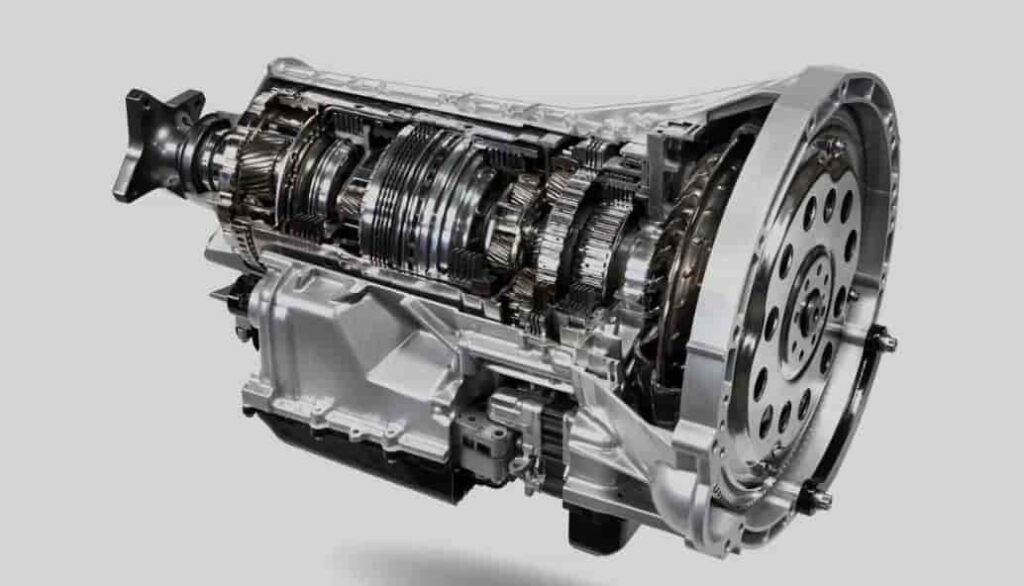
The Ford Fusion comes equipped with different types of transmission systems depending on the model year and engine configuration. Most gasoline models use a traditional automatic transmission, which relies on a complex system of gears, hydraulic pressure, and electronic controls to shift smoothly between speeds. Meanwhile, hybrid versions often use a CVT transmission, also known as a continuously variable transmission, designed to deliver better fuel efficiency and smoother acceleration.
At the core of this system is the interaction between transmission fluid, sensors, and control modules. Transmission fluid is responsible for lubrication, cooling, and hydraulic pressure. When this fluid becomes dirty, low, or degraded, it can lead to immediate performance issues. The transmission control module, often referred to as TCM, acts as the brain of the system, determining when and how gears should shift based on driving conditions.
Over time, wear and tear are inevitable. Heat, friction, and driving habits all contribute to the gradual breakdown of internal components. This is why Ford Fusion transmission problems tend to appear after several years of use, especially if maintenance has been neglected.
Understanding this system helps you recognize that most transmission issues do not happen suddenly. They develop progressively, often giving warning signs before a complete failure occurs. Identifying these early signals can save you thousands of dollars and prevent dangerous situations on the road.
7 Common Ford Fusion Transmission Problems
Transmission Slipping
One of the most common Ford Fusion transmission problems is slipping gears. This happens when your car changes gears unexpectedly or struggles to stay in the correct gear while driving. You may notice the engine revving higher than usual without a corresponding increase in speed, which can feel both frustrating and unsafe.
Transmission slipping is often caused by low or degraded transmission fluid, worn clutch components, or internal damage within the gearbox. In some cases, it can also be linked to software issues in the transmission control module. Many drivers ignore this early symptom, assuming it is minor, but it usually indicates that the transmission is already under stress.
The longer you continue driving with slipping gears, the more damage you risk. What could have been a simple fluid change can quickly escalate into a full rebuild or replacement. The most effective fix depends on the root cause. If caught early, replacing the transmission fluid or fixing a minor leak may solve the issue. However, in more severe cases, professional repair or rebuilding is required.
Hard Shifting or Rough Gear Changes
Hard shifting is another frequent complaint among Ford Fusion owners. Instead of smooth transitions between gears, you may feel sudden jerks or jolts, especially when accelerating or decelerating. This not only reduces driving comfort but can also signal deeper mechanical or electronic problems.
This issue is often related to a faulty valve body, worn internal components, or problems with the transmission control module. In some cases, outdated software or sensor errors can cause incorrect shifting behavior. Drivers often describe this as the car “kicking” when changing gears.
Ignoring hard shifting can lead to accelerated wear of internal parts, increasing the likelihood of complete transmission failure. Early diagnosis is key. A software update or fluid replacement may resolve the issue in mild cases. However, if the problem persists, more extensive repairs may be necessary.
Delayed Engagement
Delayed engagement occurs when there is a noticeable lag between shifting your car into drive or reverse and the vehicle actually moving. This delay can last a few seconds but feels much longer, especially in traffic situations where quick response is essential.
This problem is commonly caused by low transmission fluid levels, worn seals, or internal pressure issues. It may also indicate early signs of transmission failure. Many drivers overlook this symptom because the car eventually moves, but this delay is a warning sign that should not be ignored.
Addressing delayed engagement early can prevent further damage. Checking and replacing transmission fluid is often the first step. If the issue continues, a deeper inspection of internal components is required to avoid costly repairs later.
Transmission Overheating
Heat is one of the biggest enemies of any transmission system. When a Ford Fusion transmission overheats, it can lead to rapid deterioration of internal components and fluid breakdown. You may notice a burning smell, warning lights, or reduced performance.
Overheating is usually caused by old or contaminated transmission fluid, heavy driving conditions, or a malfunctioning cooling system. Stop and go traffic, towing, or driving in hot climates can make the problem worse.
If left unresolved, overheating can quickly lead to complete transmission failure. Preventive maintenance plays a critical role here. Regular fluid changes and ensuring proper cooling system function can significantly extend the lifespan of your transmission.
Transmission Fluid Leaks
Transmission fluid leaks are a serious issue that many Ford Fusion owners underestimate. You might notice red or brown fluid spots under your car or experience a gradual decline in shifting performance. While it may seem like a minor inconvenience, a fluid leak can quickly lead to major transmission damage if left untreated.
Transmission fluid plays a critical role in lubrication, cooling, and maintaining hydraulic pressure. When the fluid level drops, the entire system begins to suffer. Common causes of leaks include worn seals, damaged gaskets, or cracks in the transmission pan.
The danger lies in how quickly the problem can escalate. A small leak today can turn into complete transmission failure tomorrow. The fix is often straightforward if caught early. Replacing seals or tightening components is relatively inexpensive compared to rebuilding the entire transmission. Regular inspection is key to preventing long term damage.
Torque Converter Issues
The torque converter is responsible for transferring power from the engine to the transmission. When it starts to fail, you may feel vibrations, shuddering, or a noticeable loss of smooth acceleration. This is one of the more complex Ford Fusion transmission problems and often requires professional attention.
A faulty torque converter can also cause overheating and inefficient power delivery. In some cases, it may lock up or fail to engage properly, leading to poor driving performance. Drivers often describe the sensation as a shaking or slipping feeling when accelerating.
Repairing or replacing a torque converter can be costly, which is why early detection is important. Ignoring these symptoms can lead to further internal damage, increasing repair costs significantly. If you notice persistent vibrations or unusual behavior, it is best to have the system inspected as soon as possible.
Complete Transmission Failure
Complete transmission failure is the worst case scenario and the result of prolonged neglect or severe internal damage. At this stage, the vehicle may refuse to shift gears, lose all power to the wheels, or stop moving entirely.
This issue often begins with smaller warning signs such as slipping, delayed shifting, or overheating. When these symptoms are ignored, the damage accumulates until the transmission can no longer function.
The financial impact is significant. Replacing a transmission can cost thousands of dollars, making it one of the most expensive repairs for any vehicle owner. This is the point where many drivers face a difficult decision between repairing the car or replacing it entirely.
The key takeaway is simple. Early action can prevent complete failure. Paying attention to warning signs and addressing problems promptly can save you from a major financial burden.
Symptoms You Should Never Ignore
When it comes to Ford Fusion transmission problems, the most expensive mistake you can make is ignoring early warning signs. Transmission issues rarely happen overnight. They develop gradually, giving you multiple signals before turning into a major failure. The problem is that many drivers either do not recognize these symptoms or choose to delay action until it is too late.
One of the first signs you may notice is a burning smell coming from the engine area. This often indicates that the transmission fluid is overheating or breaking down, which reduces its ability to lubricate and protect internal components. Another common warning is delayed acceleration. You press the gas pedal, but the car hesitates before moving, suggesting poor power transfer within the drivetrain.
Unusual noises are also a red flag. Grinding, whining, or clunking sounds while shifting gears can point to internal wear or damage. At the same time, dashboard warning lights, especially the check engine light, may appear when sensors detect abnormal transmission behavior.
You may also experience jerking or shaking when the car changes gears. This symptom is not just uncomfortable, it often signals problems with shifting pressure or control modules. In more advanced cases, the vehicle may struggle to stay in gear or shift unpredictably.
These symptoms should never be ignored because they almost always worsen over time. Acting early can mean the difference between a simple fix and a costly transmission replacement.
Ford Fusion Transmission Problems by Model Year
Not all Ford Fusion models are created equal when it comes to transmission reliability. Some model years are known for recurring issues, while others offer a more stable and dependable driving experience. Understanding these differences can help you make better decisions whether you already own the car or are planning to buy one.
Models produced between 2010 and 2012 are often considered the most problematic. Many owners reported frequent transmission slipping, hard shifting, and premature failure. These issues were commonly linked to design limitations and less advanced transmission control systems. If you own one of these models, regular maintenance and early diagnosis are critical to avoid costly repairs.
The 2013 to 2016 generation showed some improvement, but transmission problems did not disappear entirely. Drivers still reported delayed shifting, rough gear engagement, and occasional software related issues. While these models are more refined than earlier versions, they still require careful monitoring, especially as the vehicle ages.
From 2017 to 2020, Ford made further enhancements to transmission performance and reliability. These newer models tend to have fewer severe issues, although minor problems can still occur if maintenance is neglected. Overall, they are considered the most reliable among Ford Fusion generations.
This breakdown highlights an important insight. Ford Fusion transmission problems are not just about mileage or usage, they are also heavily influenced by the model year. Knowing which years are more prone to failure can save you from unexpected expenses and help you plan maintenance more effectively.
How to Fix and Prevent Ford Fusion Transmission Problems
Preventing transmission problems is always more affordable than fixing them. While some issues are unavoidable due to wear and tear, many Ford Fusion transmission problems can be reduced or even prevented with proper care and driving habits.
The most important step is regular transmission fluid maintenance. Clean fluid ensures proper lubrication, cooling, and hydraulic pressure. Over time, fluid breaks down and loses effectiveness, which can lead to overheating and internal damage. Checking and replacing the fluid at recommended intervals can significantly extend the life of your transmission.
Driving habits also play a major role. Aggressive acceleration, frequent stop and go driving, and carrying heavy loads can put extra stress on the transmission. Smooth and consistent driving helps reduce wear and keeps the system functioning properly.
Routine inspections are another key factor. Catching small issues such as leaks or sensor malfunctions early can prevent them from developing into major failures. Even something as simple as addressing a warning light promptly can save you thousands of dollars.
Finally, software updates and professional diagnostics should not be overlooked. Modern transmissions rely heavily on electronic control systems, and keeping them updated ensures optimal performance.
Taking these preventive steps not only reduces the risk of failure but also improves overall driving experience and long term vehicle value.
FAQ About Ford Fusion Transmission Problems
How long does a Ford Fusion transmission last?
On average, a Ford Fusion transmission can last between 150000 and 200000 miles with proper maintenance. However, driving habits and maintenance history play a significant role in determining its lifespan.
Is it worth fixing a transmission problem?
It depends on the severity of the issue and the value of the car. Minor repairs are usually worth it, but in cases of full transmission replacement, you should compare repair costs with the current market value of the vehicle.
Can I drive with transmission problems?
While the car may still run, it is not recommended. Driving with transmission issues can worsen the damage and increase repair costs significantly. It can also pose safety risks, especially in traffic.
Conclusion
Ford Fusion transmission problems are more common than many drivers expect, but they are not impossible to manage. The key is understanding how these issues develop, recognizing the early warning signs, and taking action before the damage becomes severe.
From slipping gears and delayed shifting to overheating and complete failure, each problem comes with its own risks and costs. However, most of these issues start small. By staying proactive with maintenance and paying attention to your vehicle’s behavior, you can avoid major repairs and extend the life of your transmission.
If you are currently experiencing any symptoms, do not wait until the problem gets worse. A simple inspection today could save you thousands of dollars tomorrow. And if you are considering buying a Ford Fusion, understanding these transmission issues will help you make a more informed decision.
Have you experienced any of these Ford Fusion transmission problems? Share your story or questions below to help others make smarter choices.