The Ford Fusion Coolant Leak Recall has become one of the most discussed safety topics among midsize sedan owners in recent years. Thousands of drivers have reported overheating incidents, unexplained coolant loss and even sudden engine failure, creating understandable concern for anyone who relies on the Fusion for daily commuting or long distance travel. This recall matters because a coolant leak is not just a minor inconvenience. When coolant enters the combustion chamber or escapes through microscopic cracks in the engine block, it can trigger misfires, white smoke, loss of power and eventually complete engine shutdown.
This guide provides a full breakdown of the Ford Fusion Coolant Leak Recall including affected model years, underlying engineering causes and the repair options available to owners today. Whether you own a Fusion or are considering purchasing a used one, understanding the recall details can help you avoid expensive repairs and protect long term vehicle safety. The goal is to give you a clear explanation of what happened, why it happened and what you should do next if your vehicle is at risk.
Contents
- Overview of the Ford Fusion Coolant Leak Recall
- Affected Ford Fusion Model Years and Engines
- Root Cause of the Coolant Leak Issue
- Symptoms of the Coolant Leak Problem
- How to Check If Your Ford Fusion Is Included in the Recall
- Recall Fix vs. Independent Repair
- Long-Term Reliability After the Recall Fix
- Lawsuits, Complaints and Safety Investigations
- Should You Buy a Used Ford Fusion After the Coolant Leak Recall
- Conclusion
Overview of the Ford Fusion Coolant Leak Recall
Many Ford Fusion owners began reporting sudden coolant loss and frequent overheating. Some drivers also noticed rough idling and smoke from the exhaust. These issues raised concern because they often appeared without warning and could lead to engine failure. The growing number of complaints pushed Ford and the National Highway Traffic Safety Administration to investigate the cause.
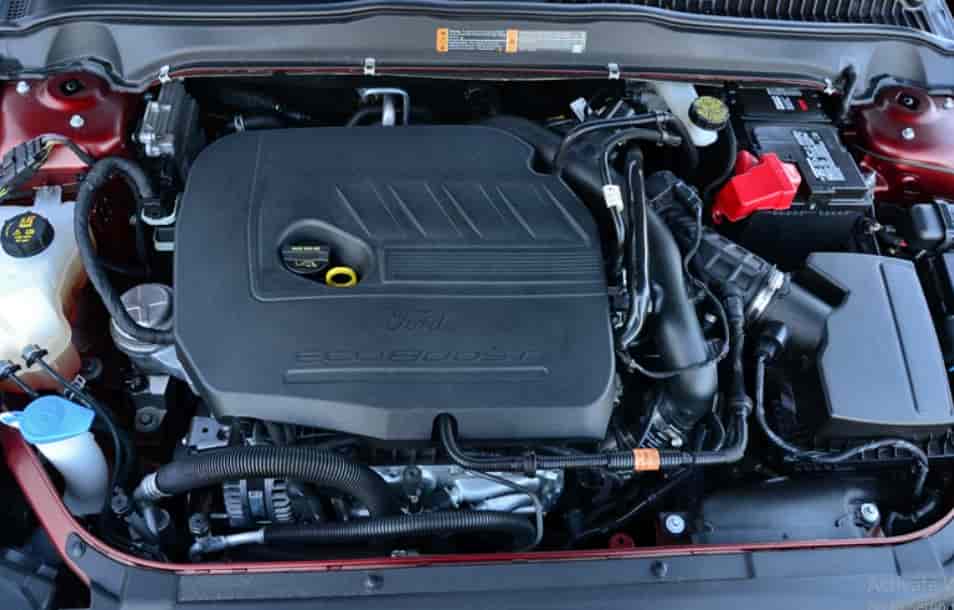
Engineers traced the main problem to internal damage in specific EcoBoost engines. Cracks in the engine block or leaks around the gasket allowed coolant to enter the combustion chamber. When this mixture burned, the engine lost power and heat levels rose quickly. Drivers who continued to use the vehicle faced major risks such as warped components and complete engine shutdown.
Ford responded by creating a recall plan. The company informed dealers, trained technicians and released detailed inspection steps. Technicians learned how to detect early coolant intrusion and how to confirm engine damage. Ford also notified owners and encouraged them to schedule repairs. NHTSA monitored the process to ensure clear communication and proper repair work across the country.
This overview gives you the key context for what happened. It also prepares you for the next sections where you will see which models this issue affects and why the engines fail in the first place.
Affected Ford Fusion Model Years and Engines
Several Ford Fusion model years show a higher risk of coolant leaks, especially those that use EcoBoost engines. Reports from owners and service centers point most often to the 2014, 2015 and 2016 Fusion models. These vehicles use compact turbocharged engines that run at high temperatures, which increases stress on internal components.
Among all engines, the 1.5 liter EcoBoost appears most vulnerable. Many technicians found cracks near the cylinder walls in this engine. The 1.6 liter and 2.0 liter EcoBoost engines also show issues, but they appear with lower frequency. Drivers of these models often notice coolant loss even when no external leak appears. This pattern suggests an internal problem rather than a hose or reservoir failure.
Climate and driving style also influence the risk. Vehicles used in hot regions tend to show earlier symptoms because heat accelerates material fatigue. Cars that tow or climb steep roads often place extra strain on the cooling system as well. These conditions create more pressure inside the engine and make coolant intrusion more likely.
Understanding which models and engines carry the highest risk helps owners act quickly. With this information, drivers can check their VIN, confirm recall eligibility and avoid the serious damage that comes from delayed repairs.
Root Cause of the Coolant Leak Issue
The coolant leak problem in the Ford Fusion comes from a mix of design stress, thermal load and material limits inside the engine. The issue starts when the engine heats up faster than the cooling system can stabilize. EcoBoost engines run at higher temperatures because the turbocharger increases pressure and heat during acceleration. Over time, this intense heat places stress on the engine block and the head gasket.
In many cases, small cracks form near the cylinder walls. These cracks allow coolant to move into the combustion chamber. When coolant burns with fuel, the engine loses power and creates white smoke. The mixture also weakens the spark inside the cylinder, which leads to rough idling and misfires. Drivers who continue to operate the car in this condition risk major internal damage.
Gasket failure can create the same symptoms. The gasket sits between the engine block and the cylinder head, and it keeps coolant and combustion gases in separate paths. High heat and pressure can cause the gasket to warp. Once it warps, coolant escapes into areas where it should not flow.
The EcoBoost design amplifies these problems because it relies on tight tolerances, thin walls and high compression. These features improve performance but reduce the margin for heat related stress. When owners ignore early warning signs, the engine may reach a point where repairs become far more costly than routine maintenance.
Symptoms of the Coolant Leak Problem
Owners often notice early signs before the Ford Fusion Coolant Leak Recall repair becomes necessary. One common symptom is engine overheating, which may occur even during normal city driving or highway cruising. Drivers may see the temperature gauge rise unexpectedly or feel the engine running hotter than usual. Another sign is white smoke coming from the exhaust, which indicates that coolant has entered the combustion chamber.
Some drivers report coolant loss without any visible leaks. The reservoir may appear low even if no puddles form under the car. Rough idling or misfires can also develop because the spark inside the cylinder weakens when coolant mixes with fuel. A sweet, syrupy smell near the engine or rising steam from under the hood often signals that coolant has escaped into unintended areas.
Ignoring these symptoms can lead to severe consequences. Continued driving under these conditions may warp cylinder heads, damage pistons, and eventually cause complete engine failure. Recognizing warning signs early allows owners to take action, check their VIN for recall eligibility, and schedule repairs before damage becomes costly.
How to Check If Your Ford Fusion Is Included in the Recall
The first step is to use your Vehicle Identification Number to determine recall eligibility. You can visit Ford’s official recall website and enter the VIN. The system will tell you if your car requires repair under the Ford Fusion Coolant Leak Recall. You can also use the National Highway Traffic Safety Administration website, which provides the same VIN lookup tool.
If your VIN appears on the list, contact a local Ford dealership to schedule an inspection. Technicians will examine the engine for early signs of coolant leaks and verify any internal damage. They will also explain the next steps for repairs covered under the recall.
Some vehicles may show symptoms but do not appear on the official recall list. In such cases, the dealer can still inspect your engine and recommend preventive maintenance or independent repair options. Checking your VIN regularly is important because updates to the recall list may occur as Ford identifies additional affected engines.
Knowing whether your Fusion is included in the recall allows you to take immediate action. It can prevent engine failure, avoid costly repairs, and ensure your vehicle remains safe for daily use.
Recall Fix vs. Independent Repair
Ford covers repairs for vehicles included in the Ford Fusion Coolant Leak Recall at no cost to the owner. Dealership technicians replace damaged engine components, repair the head gasket, and ensure the cooling system functions properly. The company also applies any software updates that monitor engine temperature and prevent overheating.
Owners whose vehicles are not included in the recall may need to pay for repairs out of pocket. Independent repair shops can replace the coolant reservoir, gaskets, or even the entire engine if damage is severe. Costs vary depending on the severity of the problem, with full engine replacement potentially reaching several thousand dollars.
Choosing between recall repairs and independent solutions depends on eligibility and urgency. Scheduling a recall service ensures that repairs meet manufacturer standards and maintain warranty coverage. Independent repairs may offer faster service but require careful selection of a trusted mechanic to avoid future issues.
Understanding repair options allows Fusion owners to plan ahead. Acting quickly prevents further engine damage, reduces safety risks, and avoids excessive repair costs. Knowing the differences between recall and independent fixes helps drivers make informed decisions.
Long-Term Reliability After the Recall Fix
Vehicles repaired under the Ford Fusion Coolant Leak Recall generally show improved reliability. Technicians replace damaged components and restore proper coolant circulation, which reduces the risk of overheating. Many owners report that their engines run smoother and maintain temperature more consistently after the recall service.
Even with repairs, monitoring the engine remains important. Regular checks of coolant levels, hoses, and the reservoir help detect early issues before they escalate. Driving habits also influence long-term performance. Avoiding aggressive acceleration and limiting heavy towing can reduce stress on the engine.
Some Fusion model years are less prone to repeated leaks after repair. Early detection and timely recall service play a major role in ensuring lasting reliability. Owners who follow maintenance recommendations can expect fewer problems and longer engine life.
Understanding the long-term impact of the recall helps drivers make informed decisions. Taking action early not only prevents major engine damage but also maintains the value and safety of the vehicle.
Lawsuits, Complaints and Safety Investigations
The Ford Fusion Coolant Leak Recall has generated several consumer complaints and legal actions. Some owners filed class-action lawsuits claiming engine failures caused significant financial loss. Complaints often mention sudden overheating, loss of power and white smoke from the exhaust.
The National Highway Traffic Safety Administration monitors these reports closely. Investigators review patterns of engine failure and evaluate the effectiveness of recall remedies. NHTSA ensures that Ford communicates clearly with owners and completes repairs according to safety standards.
Service centers and technicians also report recurring issues in certain model years. These observations help regulators and Ford engineers refine repair procedures. Understanding the legal and safety context highlights the importance of timely action. Owners who ignore symptoms may face serious risks while those who follow recall instructions benefit from legal protection and safer vehicles.
Being aware of lawsuits and safety investigations provides valuable context for all Fusion owners. It emphasizes that the coolant leak issue is not minor and reinforces the need to check VIN eligibility and schedule repairs promptly.
Should You Buy a Used Ford Fusion After the Coolant Leak Recall
Buying a used Ford Fusion after the coolant leak recall requires careful consideration. On the positive side, repaired vehicles benefit from the recall service, which addresses internal engine issues and improves long-term reliability. Owners report smoother performance and reduced overheating problems.
However, risks remain. Vehicles that did not receive recall repairs or show delayed symptoms may still have engine damage. Buyers should request service records and verify that all recall work has been completed. It is also wise to inspect the engine for early signs of coolant leaks, such as low coolant levels, white exhaust smoke or unusual engine noises.
Certain model years are safer than others. Generally, Fusions from 2017 and later, especially those with no reported coolant issues, carry lower risk. Early EcoBoost engines from 2013 to 2016 require extra attention because they show higher failure rates. Performing a pre-purchase inspection with a certified mechanic ensures that any remaining risks are identified before purchase.
In summary, buying a used Fusion can be safe if the recall work is verified and the engine is in good condition. Checking the VIN, reviewing service history and conducting a thorough inspection helps prevent costly repairs and provides peace of mind for prospective owners.
Conclusion
The Ford Fusion Coolant Leak Recall highlights a serious issue that affected multiple model years and engine types. Understanding the recall, recognizing early symptoms and taking prompt action can prevent major engine damage. Owners who verify VIN eligibility and schedule recall repairs benefit from restored engine reliability and safety.
Monitoring coolant levels and maintaining regular inspections remain essential even after recall service. Buyers of used Fusions should confirm that all recall work is completed and check for any remaining issues before purchase. Being proactive ensures long-term performance, reduces the risk of costly repairs and protects both safety and investment.
Taking the recall seriously allows drivers to enjoy their Fusion with confidence. Checking VINs, following repair recommendations and staying aware of warning signs are critical steps to prevent future engine failures. Awareness and timely action provide peace of mind and help maintain the value and reliability of the vehicle.