Many drivers began searching for answers after experiencing serious issues linked to the Ford Focus Transmission Recall. Instead of smooth gear changes, the car often jerks during acceleration. Some drivers notice strong vibrations at low speeds. Others experience delayed shifting that makes the vehicle feel unstable in traffic. These problems quickly turn a practical daily car into a frustrating driving experience.
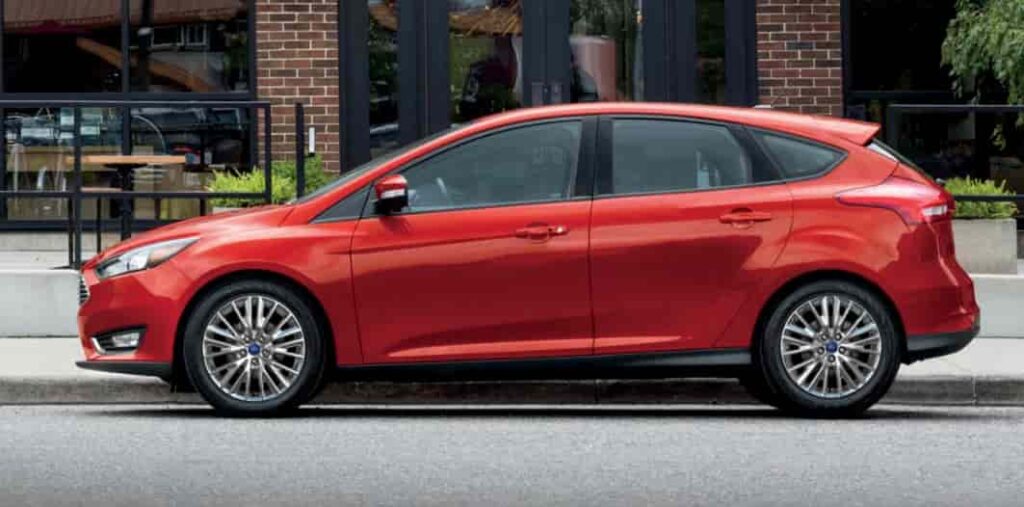
The Ford Focus once stood out as a popular compact car. Drivers liked its affordable price, good fuel economy, and comfortable design. However, the automatic PowerShift transmission created unexpected reliability concerns. Thousands of owners reported similar problems with gear shifting and transmission performance. As complaints continued to grow, investigations and legal pressure pushed the manufacturer to respond.
The transmission issues mainly affected vehicles equipped with the PowerShift dual clutch automatic system. Drivers reported rough shifting, sudden jerks, and unusual noises while driving. In many cases, the problem appeared early in the vehicle’s life. Some owners even needed multiple repairs within a short time. These repeated failures increased repair costs and raised concerns about long term reliability.
Because of these widespread issues, the Ford Focus Transmission Recall became a major topic for car owners and used car buyers. Many drivers still do not know whether their vehicle belongs to the affected group. Others remain unsure about the repair options available to them.
This guide explains the affected model years, the most common transmission problems, and the steps owners should take if their car shows warning signs.
Contents
- What Is the Ford Focus Transmission Recall
- Ford Focus Transmission Recall: Years Affected
- Common Ford Focus Transmission Problems
- Why the PowerShift Transmission Failed
- How to Check if Your Ford Focus Is Part of the Recall
- Ford Focus Transmission Recall Repairs
- Ford Focus Transmission Lawsuit and Settlement
- Conclusion
What Is the Ford Focus Transmission Recall
The Ford Focus Transmission Recall refers to a series of actions taken to address major gearbox problems in certain Ford Focus vehicles. Many drivers began reporting unusual behavior from their automatic transmissions shortly after purchasing their cars. The vehicle often hesitated when accelerating. In other cases, the car shook or jerked while shifting gears. These symptoms appeared frequently enough to trigger investigations and consumer complaints.
The issue centered on the PowerShift transmission system used in several Ford Focus models. This system uses a dual clutch design that attempts to combine the efficiency of a manual transmission with the convenience of an automatic. In theory, the design should deliver faster gear changes and improved fuel economy. In practice, many drivers experienced inconsistent shifting and rough performance.
Instead of smooth gear transitions, the transmission often struggled to engage properly. Drivers reported shuddering during acceleration, delayed gear engagement, and sudden jerking when the vehicle moved from one gear to another. These problems made the car feel unstable in traffic and reduced driver confidence.
As complaints increased, regulators and consumer groups began reviewing the issue more closely. The investigation revealed that the transmission design and software calibration contributed to the problem. In response, Ford introduced recall programs, software updates, and extended warranty coverage for affected vehicles.
The Ford Focus Transmission Recall aims to correct these defects and reduce the risk of further mechanical failure. Dealerships may update transmission software, replace worn clutch components, or repair the transmission control module. These fixes attempt to restore smoother shifting and improve the overall driving experience.
Understanding the recall helps owners identify whether their vehicle may qualify for repairs or warranty support. Many drivers can avoid expensive transmission repairs if their car falls within the affected recall range.
Ford Focus Transmission Recall: Years Affected
Understanding the affected model years is one of the most important parts of the Ford Focus Transmission Recall. Many drivers experience transmission problems without realizing that their vehicle may belong to the group linked to this issue. Knowing the specific years helps owners determine whether they should check their vehicle for recall coverage or potential repairs.
The transmission problems mainly affect Ford Focus models that use the PowerShift dual clutch automatic transmission. This system appeared in several model years and became widely known for its shifting issues. Drivers reported symptoms such as vibration during acceleration, rough gear changes, and delayed response when pressing the gas pedal.
The most commonly affected model years include 2012, 2013, 2014, 2015, and 2016 Ford Focus vehicles equipped with the PowerShift automatic transmission. These models received the highest number of complaints related to transmission performance. Many owners reported repeated repairs or ongoing mechanical problems even after dealership service.
Some drivers of 2017 models also reported similar issues. However, the largest number of complaints and recall related repairs involve vehicles produced between 2012 and 2016. During these years, the PowerShift transmission design created significant reliability concerns for many owners.
It is important to note that not every Ford Focus from these years will experience transmission failure. The recall mainly targets vehicles equipped with the specific PowerShift automatic system. Drivers who own a manual transmission version usually do not face the same mechanical problems.
Owners who drive a Ford Focus from these model years should check their Vehicle Identification Number to confirm recall status. A simple VIN check can reveal whether the vehicle qualifies for transmission repairs, software updates, or extended warranty coverage. Taking this step early can help prevent more serious mechanical issues in the future.
Common Ford Focus Transmission Problems
Many drivers first learned about the Ford Focus Transmission Recall after experiencing unusual driving behavior. These problems often appear suddenly and tend to become worse over time. While some symptoms seem minor at first, they can signal deeper mechanical issues inside the transmission system.
One of the most common complaints involves transmission shuddering. Drivers often feel strong vibrations when the car accelerates from a stop. The vehicle may shake or feel unstable during low speed driving. This problem usually appears when the transmission attempts to change gears.
Another frequent issue involves rough or jerky shifting. Instead of moving smoothly between gears, the car may suddenly lurch forward. Drivers sometimes describe the sensation as a strong bump during acceleration. This behavior makes the vehicle feel unpredictable and uncomfortable to drive.
Delayed acceleration is also a common symptom. When the driver presses the gas pedal, the car may pause before responding. This hesitation can become dangerous in busy traffic or when merging onto highways. Many owners report that the delay occurs repeatedly during normal driving.
Transmission slipping can also occur in affected vehicles. In this situation, the engine revs normally but the car does not accelerate as expected. The transmission struggles to transfer power to the wheels. This issue often signals internal wear within the clutch components.
Some drivers also notice warning lights on the dashboard. A transmission warning indicator or a check engine light may appear when the system detects abnormal behavior. These alerts often indicate that the transmission control system has identified a mechanical or electronic problem.
Drivers who notice these symptoms should act quickly. Early diagnosis can help prevent further damage and may allow the owner to take advantage of recall repairs or extended warranty coverage.
Why the PowerShift Transmission Failed
To fully understand the Ford Focus Transmission Recall, it helps to look at the design of the PowerShift transmission. This system uses a dual clutch automatic setup. Engineers created it to combine the efficiency of a manual gearbox with the convenience of an automatic transmission. In theory, this design should deliver quick gear changes and better fuel economy.
In real driving conditions, the system often struggled to perform as expected. The PowerShift transmission uses a dry clutch design rather than a traditional torque converter. This type of clutch operates without the fluid that normally helps smooth gear transitions in many automatic transmissions. As a result, the system becomes more sensitive to heat, wear, and contamination.
Many vehicles began to show clutch wear much earlier than expected. When the clutch components wear unevenly, the transmission cannot engage gears smoothly. This condition leads to vibration, hesitation, and jerky shifting during acceleration. Over time, the problem becomes more noticeable and affects daily driving comfort.
Software calibration also played an important role in the issue. The transmission control module manages gear changes and clutch engagement. If the programming does not respond correctly to driving conditions, the system may struggle to select gears smoothly. Drivers then experience delayed shifting or sudden gear engagement.
Heat and friction inside the clutch system can further increase the problem. When the clutch overheats, the components may slip or fail to engage properly. This situation causes the engine to rev while the vehicle struggles to accelerate. In some cases, repeated overheating damages internal parts of the transmission.
These mechanical and electronic factors combined to create the widespread issues that led to the Ford Focus Transmission Recall. Understanding these causes helps owners recognize why the symptoms appear and why proper repairs are necessary to restore normal performance.
How to Check if Your Ford Focus Is Part of the Recall
Many owners worry that their vehicle may fall under the Ford Focus Transmission Recall but do not know how to confirm it. The good news is that checking recall status is simple and only takes a few minutes. By verifying your vehicle identification number, you can quickly determine whether your car qualifies for recall repairs or extended warranty coverage.
The first step involves locating your Vehicle Identification Number, often called the VIN. This unique code identifies your specific vehicle. You can usually find the VIN on the driver side dashboard near the windshield. It also appears on the driver door frame and on vehicle registration documents.
Once you have the VIN, visit the official recall lookup page provided by the manufacturer. Enter the VIN into the search field and submit the request. The system will scan recall databases and show whether your vehicle has any active recall campaigns.
If the system shows that your vehicle is affected, the next step is to contact an authorized dealership. Service representatives can confirm the recall details and schedule an inspection. In many cases, the dealership performs software updates or replaces specific transmission components to address the issue.
Even if the recall does not appear immediately, drivers should still pay attention to warning signs. Transmission shuddering, delayed acceleration, or rough shifting may still require professional diagnosis. A dealership technician can run diagnostic tests to identify hidden problems inside the transmission system.
Checking recall status early can help owners avoid expensive repairs. Many vehicles affected by the Ford Focus Transmission Recall qualify for repairs at little or no cost. Taking a few minutes to verify your VIN may save significant time and money in the long run.
Ford Focus Transmission Recall Repairs
Many drivers affected by the Ford Focus Transmission Recall want to know what repairs can fix the problem. The repair process depends on the symptoms and the condition of the transmission. In many cases, dealerships follow a step by step approach to identify the root cause before replacing major components.
One of the most common solutions involves updating the transmission software. The transmission control module manages clutch engagement and gear shifting. Updated software can improve how the system responds to acceleration and driving conditions. This update often reduces shuddering and improves shift timing.
Some vehicles require replacement of the clutch assembly. The PowerShift transmission uses dual dry clutches that can wear faster than expected. When the clutch surfaces degrade, the transmission struggles to engage gears smoothly. Replacing the clutch components can restore proper operation and reduce vibration during acceleration.
Technicians may also replace the transmission control module if they detect electronic faults. This module controls communication between the engine and the transmission. A faulty control unit can cause delayed gear engagement or unpredictable shifting behavior. Installing a new module helps the system operate more consistently.
In more serious cases, the dealership may recommend replacing the entire transmission unit. This solution usually applies when internal components suffer extensive wear or damage. Although this repair is more complex, it can fully resolve the issue when smaller fixes no longer work.
Many vehicles affected by the Ford Focus Transmission Recall qualify for repair coverage or extended warranty support. Owners should confirm recall status before paying for major repairs. Dealerships can review the VIN and explain whether the repair falls under recall programs or warranty extensions.
Ford Focus Transmission Lawsuit and Settlement
The widespread issues connected to the Ford Focus Transmission Recall eventually led to legal action from many vehicle owners. As transmission complaints increased, drivers began to report similar experiences across different regions. Many owners claimed that the vehicle showed signs of transmission failure early in its lifespan. Some drivers also stated that repeated repairs did not permanently solve the problem.
These concerns led to several class action lawsuits against the manufacturer. Plaintiffs argued that the PowerShift transmission contained design flaws that affected reliability and driving safety. According to many complaints, drivers experienced shuddering, slipping, hesitation, and sudden gear engagement while operating their vehicles. These issues raised questions about the long term durability of the transmission system.
As the legal process developed, the company introduced settlement programs to resolve many of these claims. The settlement provided financial compensation and expanded warranty coverage for affected owners. In several cases, the extended warranty covered key transmission components for a longer period than the standard factory warranty.
Some owners qualified for reimbursement if they had already paid for transmission repairs. Others received compensation for repeated dealership visits or replacement parts. These programs aimed to reduce the financial burden that many drivers faced after experiencing ongoing transmission problems.
Despite the settlement efforts, some drivers remained frustrated because transmission issues continued to appear in certain vehicles. For this reason, many experts recommend checking the repair history of any used Ford Focus before purchasing one. Understanding the lawsuit and settlement history helps buyers and owners make more informed decisions about maintenance and vehicle ownership.
Conclusion
The Ford Focus Transmission Recall became one of the most widely discussed reliability issues in the compact car segment. Thousands of drivers reported similar transmission symptoms, including shuddering, delayed acceleration, and rough gear shifting. These problems often appeared in models equipped with the PowerShift dual clutch automatic transmission. As complaints increased, investigations, recalls, and legal actions pushed the manufacturer to introduce repair programs and extended warranty coverage.
Most of the affected vehicles belong to model years between 2012 and 2016, although some drivers reported similar concerns in later versions. The recall process focuses on improving transmission performance through software updates, clutch replacements, or control module repairs. In more serious cases, technicians may replace the entire transmission unit to restore proper operation.
For current owners, the most important step is to verify the recall status using the vehicle identification number. This quick check can reveal whether the car qualifies for repairs or warranty support. Taking action early can help prevent more severe mechanical damage and reduce expensive repair costs.
Buyers who are considering a used Ford Focus should also pay close attention to transmission history. A vehicle that received proper recall repairs may still offer good value, while one with unresolved issues could create costly problems later.
Understanding the Ford Focus Transmission Recall allows drivers to make smarter decisions about maintenance, repairs, and vehicle purchases. By staying informed and checking recall eligibility, owners can protect both their car and their budget.