Many drivers overlook the purge valve in the Ford Focus even though it affects how the engine runs every day. When this part fails, the car often shows clear warning signs. The engine may shake at idle. Acceleration may feel weak or uneven. A strong smell of fuel may appear around the vehicle. The check engine light may turn on and stay on. These issues can disrupt your daily commute and make it hard to pass an emissions test.
This guide explains everything you need to know about Ford Focus purge valve replacement. You will see how the purge valve works inside the EVAP system and why it matters for fuel control. You will learn the most common symptoms of failure and how to confirm them. You will also find a simple breakdown of the expected cost so you can plan your repair with confidence.
If you want to fix the problem yourself, the step by step section will walk you through the entire process. Many Ford Focus owners complete this repair at home without special skills. With the right information and a calm approach, you can restore smooth performance and avoid paying for unnecessary repairs.
Contents
- What Is a Purge Valve in the Ford Focus
- Symptoms of a Bad Purge Valve in a Ford Focus
- Causes of Purge Valve Failure
- Ford Focus Purge Valve Replacement Cost
- Tools You Need for the Replacement
- Step by Step Ford Focus Purge Valve Replacement
- Step 1: Park and Cool the Vehicle
- Step 2: Open the Hood and Locate the Purge Valve
- Step 3: Disconnect the Negative Battery Cable
- Step 4: Remove the Vapor Lines
- Step 5: Unplug the Electrical Connector
- Step 6: Remove the Mounting Bolts or Clips
- Step 7: Lift Out the Old Purge Valve
- Step 8: Install the New Purge Valve
- Step 9: Attach the Vapor Lines
- Step 10: Reconnect the Battery and Start the Engine
- Step 11: Clear EVAP Codes with an OBD2 Scanner
- Post Replacement Checks
- Conclusion
What Is a Purge Valve in the Ford Focus
The purge valve is a key part of the Ford Focus EVAP system. It controls how fuel vapors move from the charcoal canister to the engine intake. When the engine needs extra air and fuel mix, the purge valve opens and directs the stored vapors into the combustion process. When the engine does not need these vapors, the valve stays shut and keeps the system sealed. This simple action helps the vehicle reduce emissions and maintain stable performance.
The EVAP system relies on several components that work together. The charcoal canister stores excess fuel vapors. The vapor lines carry these vapors to the engine. The engine control unit sends a signal to the purge valve to open or close at the right moment. If the purge valve fails, this entire chain loses balance. Vapors may enter the engine at the wrong time and create rough idling or stalling. They may also leak back into the system and trigger check engine codes.
The role of the purge valve goes beyond emissions control. It also protects fuel efficiency. When the valve works correctly, the engine burns the stored vapors instead of wasting them. A faulty valve makes the engine run richer than needed and increases fuel consumption. It can also cause a strong fuel smell around the vehicle.
Understanding how the purge valve functions will help you diagnose problems faster. It also prepares you for the replacement steps later in this guide. Once you know its purpose and how it interacts with the EVAP system, you can avoid mistakes and keep the Ford Focus running smoothly.
Symptoms of a Bad Purge Valve in a Ford Focus
A failing purge valve shows clear signs in the Ford Focus, and you can spot most of them without advanced tools. The first symptom many drivers notice is a rough idle. The engine may shake or drop in RPM because the valve sends fuel vapors at the wrong time. This unstable mix forces the engine to struggle for balance.
Another common symptom is hard starting after refueling. When the purge valve sticks open, vapors rush into the intake. This sudden flow makes the engine flood and delay ignition. Drivers often think the fuel pump caused the issue, but the purge valve triggers it more often than expected.
The check engine light also turns on when the purge valve malfunctions. The EVAP system monitors pressure changes and reports irregular behavior. Codes like P0443, P0442, and P0455 appear when the valve fails to open or close correctly. An OBD2 scanner can confirm these codes in seconds.
A strong fuel smell around the car is another clear warning. Uncontrolled vapor flow increases pressure in the system. The vapors then escape through hoses or seals and create a noticeable odor near the car.
Poor fuel efficiency may also appear. When the engine receives vapors at the wrong time, it compensates with extra fuel. This waste lowers mileage and raises operating cost.
Each of these symptoms points to the same root cause. The purge valve no longer manages vapor flow with proper timing. Once you identify these signs early, you can prevent more serious problems such as stalling or EVAP leaks. Early detection also makes the replacement process smoother and cheaper for Ford Focus owners.
Causes of Purge Valve Failure
Several factors can cause the purge valve in a Ford Focus to fail. The most common issue comes from carbon buildup inside the valve. Fuel vapors carry small particles that collect over time. These particles restrict movement and make the valve stick open or closed. Once the valve sticks, the EVAP system loses its balance and triggers performance problems.
Electrical failure also occurs in older vehicles. The purge valve uses a small solenoid that receives signals from the engine control unit. Heat, moisture, or worn wiring can interrupt this signal. When the solenoid no longer responds, the valve stops working and creates irregular vapor flow.
Vacuum leaks can damage the purge valve as well. Cracked hoses let outside air enter the EVAP system. This air forces the valve to work harder, and the extra strain shortens its lifespan. Many drivers replace hoses only after they discover the valve has already suffered damage.
Contamination from poor fuel quality can also play a role. Low grade fuel may contain impurities that move into the vapor system. These impurities can coat the internal components of the valve. Once coated, the valve loses accuracy and creates unstable engine behavior.
Driving habits influence valve health too. Frequent short trips prevent the EVAP system from completing its cycles. The purge valve then opens and closes more often without reaching ideal temperature. Over time, this pattern accelerates wear.
Understanding these causes helps you prevent early failure. It also guides you toward better maintenance choices. When you know what affects the purge valve, you can protect the entire EVAP system and keep your Ford Focus running with smooth and consistent performance.
Ford Focus Purge Valve Replacement Cost
The cost of a Ford Focus purge valve replacement varies based on the model year, the location of the repair shop, and the type of part you choose. Most drivers want a clear number before they start the repair. In general, the price stays within a predictable range, so you can plan your budget with confidence.
The purge valve itself is affordable. Many Ford Focus models use a part that ranges from 30 to 80 dollars when you choose a standard aftermarket option. If you prefer an OEM part, the price usually rises to 90 to 150 dollars. Some drivers select OEM parts for long term reliability, while others choose aftermarket brands to reduce cost without losing performance.
Labor cost depends on the shop. Dealerships charge higher rates because they use brand specific procedures and equipment. Their labor for this repair often falls between 120 and 200 dollars. Independent repair shops offer lower prices and charge between 70 and 140 dollars for the same job. The total cost at a dealership can reach 250 to 350 dollars, while an independent shop usually completes the repair for 150 to 220 dollars.
If you plan to replace the purge valve at home, you can avoid labor costs. Many Ford Focus owners complete this repair with basic hand tools. A DIY repair often keeps the total cost under 100 dollars.
Understanding these price ranges helps you avoid overpriced quotes. You can compare shops with more confidence and choose the option that fits your budget. With the right part and a clear plan, the replacement becomes a simple and cost effective fix.
Tools You Need for the Replacement
You can replace the purge valve on a Ford Focus with simple tools that many drivers already own. A basic socket set will help you loosen the bolts around the valve area. A pair of pliers will allow you to remove the vapor lines without damaging the connectors. You may also need a flathead screwdriver to lift small clips or guides around the hoses.
An OBD2 scanner is useful as well. It lets you check the trouble codes before the repair and confirm that the system works correctly afterward. Even a budget scanner can read EVAP related codes and reset the check engine light.
Work gloves and safety glasses offer protection during the job. The engine bay contains tight spaces, sharp edges, and hot surfaces. Gloves help you grip parts more securely. Safety glasses keep debris away from your eyes while you handle old hoses or clips.
Good lighting makes the process easier. A small LED work light can help you see the connectors clearly. Many purge valves sit near the intake area, and shadows can hide important details.
You may want a small container to hold bolts and clips. This habit prevents you from losing small parts during the repair. When everything stays organized, you can complete the replacement faster and with fewer mistakes.
With these tools ready, you can approach the replacement with confidence. You do not need advanced equipment or specialized training. A simple setup and a careful pace allow you to complete the job at home and restore the Ford Focus EVAP system to proper function.
Step by Step Ford Focus Purge Valve Replacement
Step 1: Park and Cool the Vehicle
Park the Ford Focus on a level surface and turn off the engine. Let the engine cool so you can work safely in the engine bay.
Step 2: Open the Hood and Locate the Purge Valve
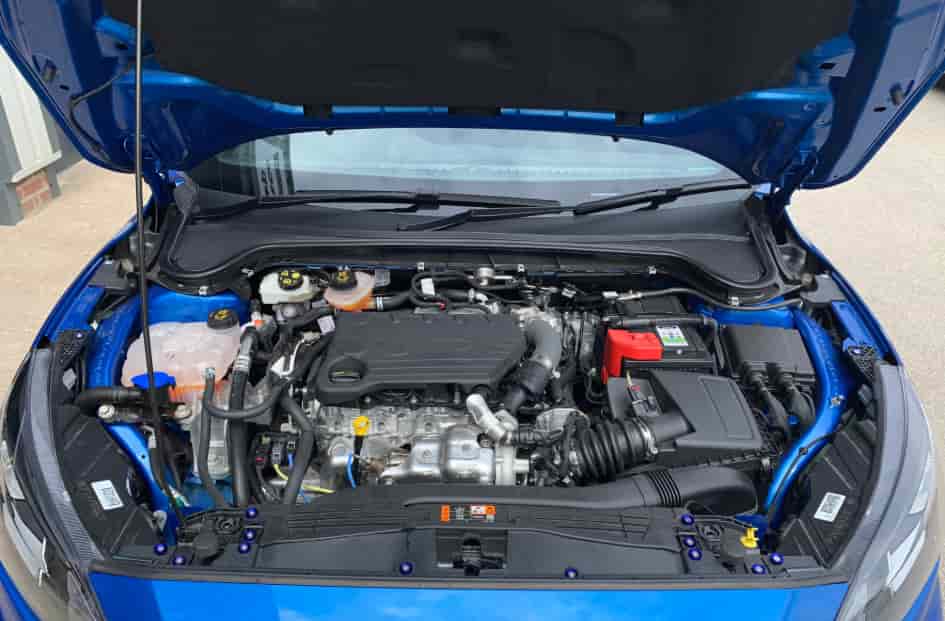
Open the hood and find the purge valve near the intake manifold area. Look at the hoses and the electrical connector so you understand how each part fits.
Step 3: Disconnect the Negative Battery Cable
Remove the negative battery cable to protect the electrical system. This step prevents accidental shorts while you work.
Step 4: Remove the Vapor Lines
Press the release tabs on each vapor line. Pull the lines straight off the valve with steady pressure. Avoid twisting the connectors since they can crack easily.
Step 5: Unplug the Electrical Connector
Press the locking tab on the connector. Pull it away from the valve. Check the wiring for damage before you continue.
Step 6: Remove the Mounting Bolts or Clips
Use a socket or screwdriver to remove the bolts or clips that hold the valve in place. Keep the hardware in a small container so you do not lose anything.
Step 7: Lift Out the Old Purge Valve
Lift the old valve from its bracket. Inspect the surrounding hoses for cracks or soft spots. Replace any damaged hoses to protect the new valve.
Step 8: Install the New Purge Valve
Place the new valve in the bracket. Tighten the bolts or clips until it sits firmly. Reconnect the electrical plug until it clicks.
Step 9: Attach the Vapor Lines
Push each vapor line onto the valve. Listen for a click to confirm a secure fit.
Step 10: Reconnect the Battery and Start the Engine
Reconnect the negative battery cable. Start the engine and let it idle. A stable idle shows that the new purge valve works correctly.
Step 11: Clear EVAP Codes with an OBD2 Scanner
Use an OBD2 scanner to erase old codes. Scan the system again to confirm normal EVAP operation.
Post Replacement Checks
Once you finish the purge valve replacement, you should confirm that the system works correctly. Start the engine and let it idle for a short period. A smooth and steady idle often shows that the new valve manages vapor flow at the right time. Listen for shaking or hesitation. If the engine feels stable, the repair likely succeeded.
Take the car for a short drive. Accelerate gently and watch how the engine responds. A healthy purge valve helps the EVAP system balance air and vapor movement. You should feel clean acceleration without sudden drops in power. Pay attention to fuel smell as well. A strong odor can show that a hose needs adjustment or that a connector did not lock into place.
Use an OBD2 scanner to check for new codes. The EVAP system needs time to complete its readiness cycle, but the scanner can still show early signs of problems. If no codes appear, continue to drive normally for the next few days. The system will run its tests and confirm stable pressure levels.
Monitor your fuel efficiency. A working purge valve supports a balanced mixture. Many drivers notice smoother driving and consistent mileage soon after the repair.
These checks help you catch small issues before they grow into larger problems. With a few minutes of attention, you can protect your new purge valve and keep your Ford Focus running in a clean and efficient way.
Conclusion
A working purge valve plays a central role in the performance and reliability of the Ford Focus. When this small component fails, the engine struggles with rough idle, poor fuel economy, and repeated check engine warnings. Once you understand how the purge valve fits into the EVAP system, you can diagnose problems faster and avoid repairs that do not solve the real issue.
This guide showed you the key symptoms of a failing valve, the main causes behind common breakdowns, and the cost you should expect during replacement. You also learned a clear step by step method that helps you complete the repair at home with simple tools. Many drivers choose this option because it restores smooth performance without high labor fees.
If your Ford Focus shows the warning signs described in this guide, consider checking the purge valve as soon as possible. Early action protects the EVAP system and keeps the engine running in a clean and efficient way. A proper replacement also helps you pass emissions tests with confidence and avoid repeat visits to the repair shop.
With the right approach, you can maintain your vehicle with ease and extend its useful life. The purge valve may be small, but it holds real value in the daily performance of your Ford Focus.