The Ford Focus Purge Valve Recall has caught the attention of many owners who did not expect a small emissions part to create serious driving problems. This issue affects the EVAP system and can cause the engine to stall, idle roughly, or lose power without warning. These problems often appear at low speeds or shortly after refueling, which increases the risk in everyday driving conditions.
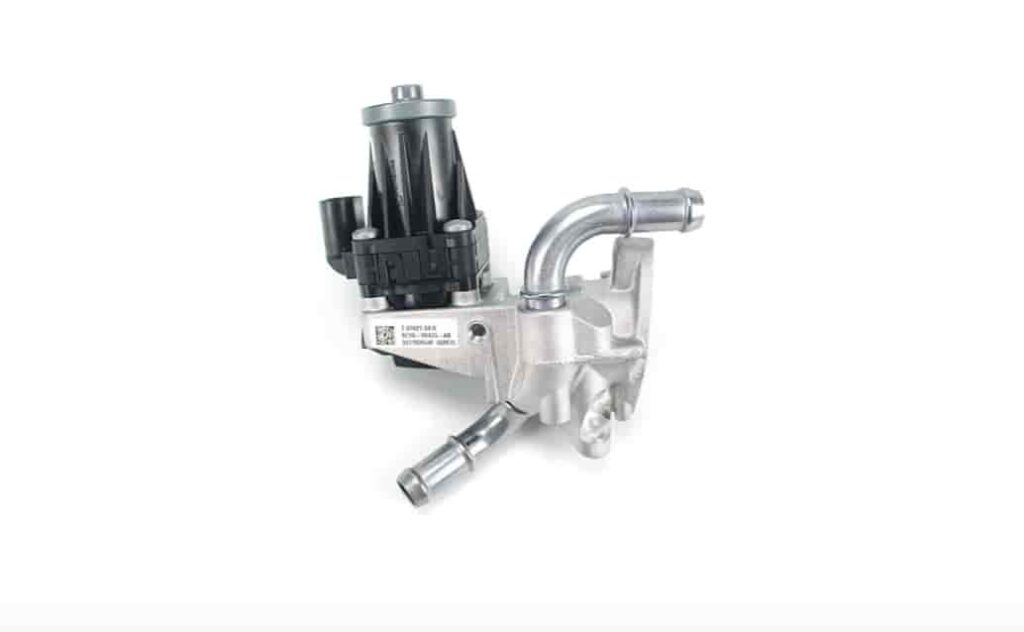
The purge valve controls how fuel vapors move from the fuel tank into the engine. When the valve fails, it allows too much air into the system and disrupts the air fuel mixture. As a result, the engine may hesitate, struggle to idle, or shut off completely. Ford identified this defect after drivers reported repeated stalling and unstable engine behavior.
Ford issued the Ford Focus Purge Valve Recall to reduce safety risks and prevent further damage. Many owners still do not know if their vehicle qualifies for the recall or which warning signs require immediate action. Some continue driving their cars while the problem slowly becomes more severe.
This article explains the causes of the Ford Focus Purge Valve Recall, the affected models, and the most common symptoms. You will also learn how to check your vehicle status and receive a free repair from Ford. Taking action early helps protect your safety and prevents unnecessary repair costs.
Contents
- What Caused the Ford Focus Purge Valve Recall
- Affected Ford Focus Models and Years
- Common Symptoms of a Faulty Purge Valve
- Is the Ford Focus Purge Valve Recall Dangerous?
- How to Check If Your Ford Focus Is Included in the Recall
- Free Repair Process and What to Expect
- Should You Buy a Used Ford Focus With This Recall History?
- Conclusion
What Caused the Ford Focus Purge Valve Recall
The main cause of the Ford Focus Purge Valve Recall comes from a defect in the EVAP purge valve design. This component manages fuel vapors that build up inside the fuel tank. It sends those vapors to the engine at the right time to maintain proper pressure and emissions control.
In affected Ford Focus models, the purge valve can stick open during normal driving. When this happens, the engine pulls excessive vacuum from the fuel tank. This disrupts the air fuel mixture and places extra stress on the fuel system. The engine no longer receives the correct balance it needs to run smoothly.
As the imbalance grows, the engine may hesitate, idle poorly, or shut off completely. These issues often occur at low speeds, during stops, or right after refueling. Many drivers experience the problem without any prior warning, which increases the safety risk in traffic.
Ford traced this issue to internal valve wear and material limitations under repeated heat and pressure cycles. Over time, the purge valve fails to regulate vapor flow correctly. This failure does not depend on driving style alone. Even well maintained vehicles can develop the problem.
Because the purge valve connects directly to the emissions and fuel systems, a small defect can lead to serious drivability concerns. This is why Ford issued the recall and recommended immediate inspection and repair for affected vehicles.
Affected Ford Focus Models and Years
The Ford Focus Purge Valve Recall does not apply to every Ford Focus on the road. Ford limited the recall to specific model years that share the same EVAP system design and purge valve configuration. These vehicles face a higher risk of purge valve failure under normal driving conditions.
Most affected Ford Focus models come from the 2012 to 2018 production years. These vehicles often use similar engine and emissions components, which explains the shared defect. Both sedan and hatchback versions may qualify for the recall depending on their build specifications and market region.
Drivers should not assume their vehicle is safe just because it runs normally. Many affected cars show no symptoms in the early stages of purge valve failure. The problem can develop gradually and appear without warning. Ford advises all owners within the affected years to verify their recall status.
The most reliable way to confirm eligibility involves checking the vehicle identification number. Ford tracks recall coverage by VIN rather than by model year alone. This step remains important for used car owners, second owners, and drivers who purchased their vehicle from a private seller.
Even if a Ford Focus received other recall repairs in the past, the purge valve recall may still remain open. Owners should always confirm their status through official channels before ruling out the risk.
Common Symptoms of a Faulty Purge Valve
A faulty purge valve often shows clear warning signs before it causes serious damage. Many Ford Focus owners notice these symptoms during daily driving but may not connect them to the EVAP system. Recognizing these signs early helps prevent sudden breakdowns and safety risks.
One of the most common symptoms is a check engine light that appears without an obvious cause. The vehicle may still drive normally at first, which leads many drivers to ignore the warning. Over time, engine performance can become unstable.
Rough idling is another frequent sign of purge valve failure. The engine may shake or struggle to maintain a steady speed when the vehicle stops. In some cases, the engine stalls shortly after the driver starts the car or shifts into gear.
Many drivers also report hesitation or loss of power during acceleration. This problem often becomes more noticeable at low speeds or after refueling. When the purge valve sticks open, excess air enters the system and disrupts combustion.
Stalling remains the most dangerous symptom linked to this recall. The engine can shut off while the vehicle is moving, which increases the risk of accidents in traffic. Drivers who experience any of these symptoms should take immediate action and check their recall status.
Is the Ford Focus Purge Valve Recall Dangerous?
The Ford Focus Purge Valve Recall involves real safety risks that drivers should not ignore. When the purge valve fails, the engine can lose stability without warning. This creates dangerous situations, especially in traffic or at low speeds.
Engine stalling presents the most serious risk. When the engine shuts off while driving, the driver may lose power steering assistance and braking support. This makes the vehicle harder to control, particularly during turns or sudden stops.
The risk increases in urban driving conditions. Intersections, parking lots, and stop and go traffic place constant demand on engine stability. A sudden stall in these environments can lead to rear end collisions or loss of vehicle control.
Ford classified this recall as a safety related issue because the failure can occur without prior symptoms. Some vehicles stall even when drivers follow proper maintenance schedules. This unpredictability separates the purge valve recall from minor drivability concerns.
Drivers who experience repeated stalling or hesitation should avoid continued driving until the issue is addressed. Scheduling a recall repair as soon as possible reduces the risk of accidents and protects both the driver and other road users.
How to Check If Your Ford Focus Is Included in the Recall
Checking whether your vehicle qualifies for the Ford Focus Purge Valve Recall is simple and only takes a few minutes. Every Ford Focus has a unique vehicle identification number that allows Ford to track recall coverage accurately.
Start by locating your VIN. You can find it on the dashboard near the windshield, on the driver side door frame, or on your vehicle registration documents. Make sure you copy the number exactly as shown.
Next, visit the official Ford recall lookup tool or contact an authorized Ford dealer. Enter your VIN into the system to view any open recalls linked to your vehicle. The results will confirm whether the purge valve recall applies to your Ford Focus.
Do not rely on model year alone when checking recall status. Ford assigns recalls based on production data, not every vehicle within a specific year. Even if your car runs smoothly, it may still qualify for the free repair.
Used car owners should also check their recall status. Recall coverage follows the vehicle, not the owner. If the repair has not been completed, Ford will still perform the fix at no cost.
Free Repair Process and What to Expect
Ford offers a free repair for all vehicles included in the Ford Focus Purge Valve Recall. This repair addresses the root cause of the problem and restores proper engine performance without cost to the owner.
When you schedule a recall appointment, an authorized Ford technician will inspect the EVAP system and replace the faulty purge valve. In some cases, the technician may also update related components to ensure stable vapor flow and engine operation.
The repair process usually takes less than two hours. Most dealerships allow owners to wait on site or arrange a short drop off service. Because the repair falls under an official recall, it does not affect your vehicle warranty or service history.
Owners do not need to pay for parts or labor. Ford covers all expenses related to the recall repair. This includes diagnostics, replacement parts, and installation. Dealers should not charge additional fees for this service.
After the repair, drivers often notice smoother idling, improved throttle response, and reduced risk of stalling. Completing the recall promptly helps restore safety and prevents further fuel system stress.
Should You Buy a Used Ford Focus With This Recall History?
Buying a used Ford Focus with a purge valve recall history can still be a safe decision if the repair has been completed. A recall repair resolves the original defect and restores normal engine behavior. In many cases, a repaired vehicle performs just as reliably as one that never experienced the issue.
Before purchasing, buyers should confirm that the recall repair appears in the vehicle service records. Checking the VIN through Ford also helps verify that no open recalls remain. This step protects buyers from unexpected repair visits after the purchase.
If the recall has not been completed, buyers should factor this into the decision. The vehicle may still qualify for a free repair, but driving it before the fix can involve safety risks. Scheduling the repair immediately after purchase remains essential.
Some buyers worry that recall history lowers resale value. In reality, a completed recall has little long term impact on market price. Buyers often view documented recall repairs as a sign of responsible ownership rather than a defect.
As long as the purge valve recall has been addressed, a used Ford Focus can remain a practical and affordable option. Awareness and proper verification make the difference between a risky purchase and a confident one.
Conclusion
The Ford Focus Purge Valve Recall highlights how a small emissions component can create serious safety and performance issues. A faulty purge valve can disrupt the EVAP system, cause engine stalling, and increase risk during everyday driving. Understanding this recall helps owners take control before the problem escalates.
Knowing the causes, affected models, and warning signs allows drivers to respond early. Many vehicles show symptoms only after the issue has progressed, which makes awareness critical. Checking recall status by VIN remains the most reliable way to confirm whether a vehicle qualifies for the free repair.
Ford provides a complete repair solution at no cost to owners. The process is simple, fast, and performed by authorized technicians. Completing the recall restores engine stability and reduces the risk of unexpected breakdowns or accidents.
A recall does not mean a vehicle lacks long term value. Once repaired, a Ford Focus affected by the purge valve issue can continue to serve as a reliable daily car. Taking action today protects your safety, preserves vehicle performance, and ensures peace of mind for the road ahead.