Finding a small puddle of bright green, orange, or pink liquid under your car can be alarming. For many drivers, this is often the first sign of a serious cooling system problem. A Ford Focus leaking antifreeze is a fairly common issue that should never be ignored because coolant plays a vital role in protecting the engine from overheating.
Antifreeze, also known as engine coolant, circulates through the cooling system to regulate engine temperature. It absorbs heat from the engine and releases it through the radiator. When a leak occurs, the cooling system can no longer maintain the proper temperature balance. Even a small coolant loss can eventually cause the engine to overheat, which may lead to expensive mechanical damage.
Many Ford Focus owners experience antifreeze leaks due to worn components, pressure problems in the cooling system, or aging plastic parts that begin to crack over time. While the problem might seem minor at first, ignoring it can quickly turn a simple repair into a costly engine failure.
Understanding why your Ford Focus is leaking antifreeze is the first step toward fixing the problem. In this guide, we will explore the most common causes of antifreeze leaks and explain how you can identify and repair them before they become serious.
Contents
- Understanding the Role of Antifreeze in a Ford Focus
- Common Signs Your Ford Focus Is Leaking Antifreeze
- 7 Common Causes of Ford Focus Leaking Antifreeze
- Can You Drive a Ford Focus That Is Leaking Antifreeze
- How Much Does It Cost to Fix a Coolant Leak in a Ford Focus
- How to Prevent Future Antifreeze Leaks
- Conclusion
Understanding the Role of Antifreeze in a Ford Focus
To understand why a Ford Focus leaking antifreeze is a serious issue, it is important to first understand how antifreeze works inside the vehicle. Antifreeze, commonly called engine coolant, is a specialized fluid that flows through the engine and cooling system to control temperature and protect internal components.
During normal operation, the engine produces a large amount of heat. Without proper cooling, this heat would quickly damage critical parts such as the cylinder head, pistons, and engine block. The coolant absorbs heat as it circulates through passages in the engine. It then travels to the radiator where the heat is released before the fluid returns to the engine to repeat the process.
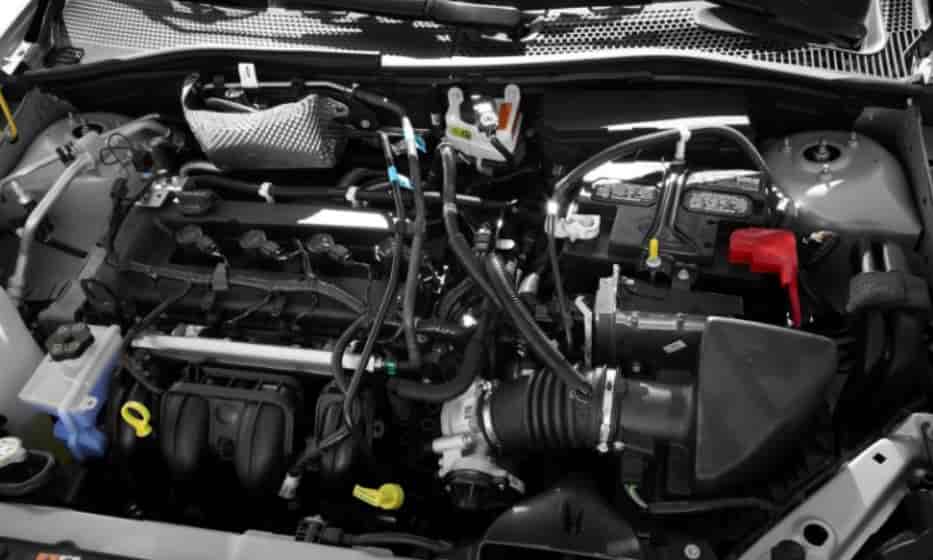
In a Ford Focus, the cooling system relies on several connected components working together. These include the radiator, water pump, thermostat, coolant hoses, and the expansion reservoir. Each part helps move coolant efficiently through the system while maintaining the correct pressure and temperature. If even one of these components begins to fail, coolant can escape and lead to a visible leak.
When a Ford Focus is leaking antifreeze, the cooling system gradually loses its ability to regulate engine temperature. This can cause the engine to run hotter than normal. Over time, the risk of overheating increases significantly. If the coolant level drops too low, the engine may suffer severe internal damage.
For this reason, even a small antifreeze leak should always be investigated quickly. Identifying the source of the problem early can prevent expensive repairs and help keep the engine running safely.
Common Signs Your Ford Focus Is Leaking Antifreeze
Detecting a coolant leak early can prevent serious engine damage. When a Ford Focus is leaking antifreeze, the vehicle often shows several warning signs before the problem becomes severe. Recognizing these symptoms quickly allows drivers to investigate the issue and fix it before overheating occurs.
One of the most noticeable signs is a colored liquid forming under the vehicle after it has been parked. Antifreeze is typically bright green, orange, or pink depending on the type of coolant used. If you notice a small puddle or wet spot beneath the front of your Ford Focus, there is a good chance that coolant is escaping somewhere in the system.
Another common indicator is a sweet smell coming from the engine area. Antifreeze has a distinctive sugary scent that becomes noticeable when coolant begins to leak and evaporate on hot engine parts. Drivers may notice this smell after parking the vehicle or when the engine is running at high temperatures.
A dropping coolant level in the reservoir is another warning sign. If you frequently need to refill coolant even though the vehicle is not overheating yet, a hidden leak may be developing. Over time, the cooling system will lose enough fluid to cause temperature problems.
In some cases, the engine temperature gauge may begin to rise higher than normal. When coolant levels fall too low, the system cannot remove heat efficiently. This can eventually cause the engine to overheat, which is one of the most dangerous consequences of a Ford Focus leaking antifreeze.
Steam coming from the engine bay is another serious symptom. This usually happens when coolant drips onto hot engine components and begins to evaporate rapidly. If this occurs, the vehicle should be inspected immediately to prevent further damage.
Recognizing these signs early makes it much easier to identify the source of the leak and repair the cooling system before the problem becomes expensive.
7 Common Causes of Ford Focus Leaking Antifreeze
When a Ford Focus begins leaking coolant, the problem usually comes from one of several common components within the cooling system. Over time, heat, pressure, and normal wear can cause parts to weaken or crack. Understanding the most frequent causes can help drivers identify the source of the leak faster and prevent more serious engine problems.
Damaged Radiator
The radiator plays a central role in removing heat from the engine. It allows coolant to release heat into the air before circulating back through the engine. Because the radiator is exposed to constant heat and external debris, it can eventually develop cracks or corrosion.
A damaged radiator may begin to leak antifreeze from the seams or cooling fins. Drivers might notice coolant collecting under the front of the vehicle after parking. Small leaks can sometimes worsen quickly as pressure builds in the cooling system.
In most situations, repairing a cracked radiator is difficult. Replacement is often the safest and most reliable solution. Installing a new radiator restores proper cooling performance and prevents further coolant loss.
Worn or Cracked Coolant Hoses
Coolant hoses carry antifreeze between the engine, radiator, and other cooling components. These hoses are made from rubber materials that gradually weaken over time due to heat exposure and pressure changes.
As hoses age, they can develop small cracks or become brittle. Even a tiny split can allow antifreeze to escape slowly while the engine is running. In some cases, coolant may drip onto nearby engine parts and evaporate before reaching the ground.
Inspecting hoses regularly is an effective way to detect early damage. If a hose feels soft, swollen, or cracked, replacing it immediately can prevent a larger coolant leak from developing.
Faulty Water Pump
The water pump is responsible for circulating coolant through the engine and radiator. Without proper coolant flow, the engine would quickly overheat. Inside the water pump are seals and bearings that can wear out after many miles of driving.
When these internal seals fail, coolant may begin leaking from the front area of the engine. Drivers might notice antifreeze dripping near the water pump housing or collecting beneath the center of the vehicle.
A failing water pump should be replaced as soon as possible. Continuing to drive with a damaged pump can lead to overheating and additional engine damage.
Thermostat Housing Leak
One of the most common reasons for a Ford Focus leaking antifreeze is a cracked thermostat housing. Many Ford Focus models use plastic thermostat housings that become brittle as they age.
Over time, heat cycles cause the plastic material to weaken and develop small cracks. Coolant can slowly leak from these openings, especially when the engine reaches operating temperature.
Drivers may notice coolant residue around the thermostat area or a steady drop in coolant levels without obvious puddles under the car. Replacing the thermostat housing and gasket usually resolves the issue.
Leaking Radiator Cap
The radiator cap plays an important role in maintaining pressure within the cooling system. Proper pressure allows coolant to circulate efficiently and prevents boiling at high temperatures.
If the radiator cap becomes worn or damaged, it may fail to seal correctly. This can allow coolant to escape as vapor or small leaks near the radiator opening.
Although the radiator cap is a small component, it can cause noticeable coolant loss when it stops functioning properly. Replacing the cap is often a simple and inexpensive fix.
Blown Head Gasket
A blown head gasket is one of the most serious causes of coolant leaks. The head gasket seals the space between the engine block and the cylinder head. When this seal fails, coolant can leak internally into the engine.
Symptoms of a blown head gasket may include white smoke from the exhaust, overheating, and coolant mixing with engine oil. This type of problem requires immediate professional repair because it can lead to severe engine damage if ignored.
Repairing a head gasket can be expensive, but early detection may prevent further mechanical failures.
Heater Core Leak
The heater core is a small radiator located inside the dashboard that provides heat to the cabin. It uses engine coolant to generate warm air for the interior.
If the heater core develops a leak, antifreeze may escape inside the vehicle rather than under it. Drivers might notice a sweet smell inside the cabin or fog forming on the windows when the heater is running.
A leaking heater core can reduce coolant levels and affect heating performance. Replacing the heater core usually resolves the issue and restores proper system function.
Can You Drive a Ford Focus That Is Leaking Antifreeze
Many drivers wonder if it is safe to continue driving when a coolant leak appears. In most cases, driving a Ford Focus that is leaking antifreeze is not recommended. The cooling system is designed to maintain a stable engine temperature. When coolant escapes, the system gradually loses its ability to remove heat from the engine.
If the leak is small, the vehicle may still operate normally for a short period of time. However, the coolant level will continue to drop. As the level decreases, the engine temperature can begin to rise above its normal range. This can eventually cause overheating, which is one of the most common reasons for serious engine damage.
Overheating can lead to warped cylinder heads, damaged pistons, and even complete engine failure. These repairs are often far more expensive than fixing the original coolant leak. For this reason, it is always safer to inspect the vehicle as soon as a leak is detected.
If you must drive the car temporarily, check the coolant level before starting the engine and monitor the temperature gauge carefully while driving. The vehicle should only be driven a short distance to reach a repair location.
How Much Does It Cost to Fix a Coolant Leak in a Ford Focus
The cost of repairing a coolant leak can vary depending on the source of the problem. Some issues are relatively simple and inexpensive to repair, while others require more extensive mechanical work.
Replacing a worn coolant hose is usually one of the least expensive repairs. This type of repair may cost between 100 and 250 dollars depending on labor and parts. Radiator repairs or replacements are more expensive because the radiator is a major component of the cooling system. The cost can range from 300 to 900 dollars.
If the water pump is responsible for the leak, the repair cost may fall between 400 and 700 dollars. Replacing a thermostat housing is often less expensive and typically costs between 150 and 400 dollars depending on the vehicle model and labor rates.
A blown head gasket is the most expensive problem related to coolant leaks. This type of repair can cost more than 1500 dollars because it requires extensive engine work. Identifying a coolant leak early can significantly reduce repair costs and prevent larger mechanical issues.
How to Prevent Future Antifreeze Leaks
Preventing coolant leaks begins with regular maintenance and careful inspection of the cooling system. Over time, heat and pressure naturally wear down components such as hoses, seals, and plastic housings. Routine maintenance can help identify these issues before they lead to visible leaks.
One of the most effective preventative steps is checking the coolant level regularly. A sudden drop in coolant without visible signs may indicate a small leak that should be inspected. Drivers should also look for cracks or swelling in coolant hoses, since these components often fail after years of exposure to high temperatures.
Flushing the cooling system at recommended service intervals can also improve the longevity of internal components. Old coolant can become contaminated and lose its protective properties. Replacing it with fresh coolant helps maintain proper circulation and corrosion protection.
Regular inspections of the radiator, thermostat housing, and water pump can also reduce the chances of unexpected leaks. Addressing small problems early helps keep the cooling system functioning properly and protects the engine from overheating.
Conclusion
A Ford Focus leaking antifreeze is a problem that should never be ignored. Coolant is essential for regulating engine temperature and protecting internal components from excessive heat. Even a small leak can eventually lead to overheating and expensive engine repairs if it is not addressed quickly.
Several issues can cause antifreeze leaks in a Ford Focus, including damaged radiators, worn coolant hoses, faulty water pumps, and cracked thermostat housings. More serious problems such as a blown head gasket can also lead to coolant loss. Recognizing the early warning signs and identifying the source of the leak is the best way to prevent further damage.
Drivers who notice coolant under their vehicle, a sweet smell from the engine area, or a sudden drop in coolant levels should inspect the cooling system as soon as possible. Early diagnosis often makes repairs simpler and more affordable.
By maintaining the cooling system and repairing leaks quickly, Ford Focus owners can keep their engines running safely and avoid costly mechanical problems in the future.