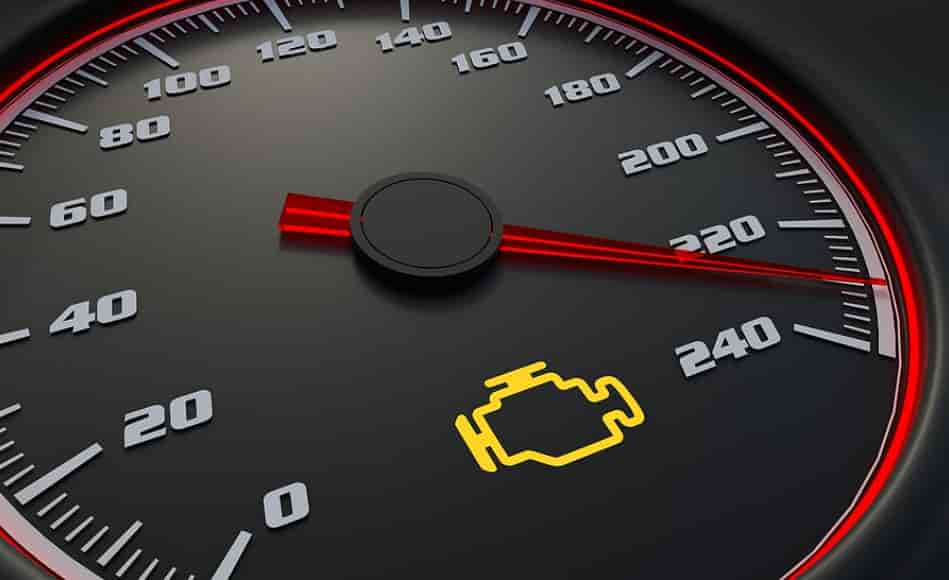
Seeing the Ford Flashing Check Engine Light appear on your dashboard can instantly create alarm. This warning is not something to ignore. It signals that your engine has issues that could lead to serious damage if left unaddressed. Many Ford owners mistake a blinking check engine light for a minor notification. In reality, it is a clear sign that the engine is misfiring or that a critical component needs immediate attention.
Understanding the causes, risks, and solutions for a flashing check engine light is crucial for maintaining the safety and performance of your vehicle. This guide explores the most common reasons behind the Ford Flashing Check Engine Light. It explains the dangers of ignoring it and provides practical steps to diagnose and fix the problem quickly. By following these recommendations, you can prevent costly repairs, avoid unexpected breakdowns, and ensure your Ford runs smoothly. Whether you are a new Ford owner or have years of experience, knowing how to respond when this warning appears will give you peace of mind.
Contents
Common Causes of a Ford Flashing Check Engine Light
One of the most frequent reasons for a Ford Flashing Check Engine Light is an engine misfire. This occurs when one or more cylinders fail to fire properly, causing the engine to run unevenly. Misfires can result from worn spark plugs, damaged ignition coils, or issues with the fuel system. When a misfire happens, you may notice your vehicle shaking, a loss of power, or unusual engine sounds. Addressing this problem quickly is essential because prolonged misfires can damage the catalytic converter and other engine components.
Another common cause is faulty spark plugs. Over time, spark plugs can wear out or become fouled, leading to incomplete combustion. This failure triggers the check engine light to flash and can affect fuel efficiency and engine performance. Replacing spark plugs at recommended intervals is a simple yet effective way to prevent these issues.
Ignition coil problems can also cause the Ford Flashing Check Engine Light to appear. Coils deliver electricity to the spark plugs, and if they malfunction, the engine can misfire, resulting in a blinking warning light. Other potential causes include clogged fuel injectors, low-quality fuel, or vacuum leaks. Each of these issues disrupts the engine’s normal operation and triggers the flashing light as a warning.
Understanding these common causes helps Ford owners act quickly and avoid more serious damage. Recognizing the symptoms early, such as rough idling, engine vibration, or decreased performance, allows you to address the problem before it escalates. Proper maintenance and timely repairs are key to keeping your Ford running safely and efficiently while preventing costly damage from a flashing check engine light.
Risks of Ignoring a Flashing Check Engine Light
Ignoring the Ford Flashing Check Engine Light can lead to serious consequences for your vehicle and your safety. One of the main risks is engine damage. When the engine misfires or critical components fail, continued driving can worsen the problem, causing costly repairs. The catalytic converter, which reduces harmful emissions, is especially vulnerable and can fail if the issue is not addressed promptly.
Another risk involves fuel efficiency. A malfunctioning engine consumes more fuel, which increases your operating costs. You may also notice decreased acceleration, rough idling, or unusual noises, all signs that the engine is struggling. Ignoring these warning signs can compromise your vehicle’s performance and make driving uncomfortable or even unsafe.
Safety is another major concern. A misfiring engine can reduce control over the vehicle, especially in traffic or on highways. There is a real risk of breaking down in dangerous locations, which can put you and passengers at risk. Small problems that trigger a flashing check engine light can quickly escalate into severe issues, turning minor repairs into major expenses.
Acting quickly when the Ford Flashing Check Engine Light appears allows you to avoid these risks. Recognizing early symptoms and seeking prompt repair not only protects your vehicle but also ensures your safety on the road. Timely attention to warning lights is the key to preventing extensive engine damage and avoiding unexpected breakdowns.
How to Diagnose the Issue
Diagnosing the cause of a Ford Flashing Check Engine Light is an important step before attempting any repairs. The first tool you will need is an OBD2 scanner. This device reads the diagnostic trouble codes from your vehicle’s computer and identifies which components are malfunctioning. Many Ford owners use smartphone apps that connect to the scanner, making it easy to view codes and track engine performance.
Once you have the trouble codes, it is important to understand what they mean. Common codes such as P0300 indicate engine misfires, while codes like P0171 suggest a fuel system issue. Other codes may point to problems with ignition coils, spark plugs, or the catalytic converter. By interpreting these codes, you can narrow down the possible causes and determine whether the issue is something you can fix yourself or if professional help is required.
Visual inspections can also help identify obvious problems. Check the spark plugs, ignition coils, and fuel system components for wear or damage. Listen for unusual engine noises and watch for vibrations while the engine is running. These signs often correspond with the trouble codes and provide a clearer picture of what is causing the flashing check engine light.
Accurate diagnosis is essential for effective repairs. Attempting to fix the issue without knowing the exact cause can lead to wasted time, increased costs, and potential damage to the engine. Taking the time to read codes and inspect components ensures that your Ford Flashing Check Engine Light is addressed properly, keeping your vehicle safe and reliable.
How to Fix a Flashing Check Engine Light
Fixing the Ford Flashing Check Engine Light depends on the cause identified during diagnosis. For many common issues, simple DIY repairs can resolve the problem. Replacing worn spark plugs or damaged ignition coils is often the first step. These components are relatively easy to access and replace, and doing so can immediately stop the engine misfire that triggers the flashing light.
Fuel system problems are another common cause. Cleaning or replacing clogged fuel injectors can restore proper fuel delivery and improve engine performance. Using high-quality fuel and maintaining regular fuel system service also helps prevent future issues. In some cases, minor adjustments or tightening loose connections under the hood may resolve the warning.
However, not all issues can be handled at home. If the trouble codes indicate serious problems with the catalytic converter or engine sensors, it is best to take your Ford to an authorized service center. Professional mechanics have the expertise and equipment to perform accurate repairs, ensuring the issue is completely resolved. Ignoring serious problems or attempting complex repairs without experience can lead to greater damage and higher costs.
Regular maintenance is key to preventing a flashing check engine light. Following recommended service intervals, checking spark plugs, ignition coils, and fuel components, and addressing any warning signs early will keep your Ford running smoothly. By taking prompt action when the Ford Flashing Check Engine Light appears, you protect your engine, avoid expensive repairs, and maintain the safety and reliability of your vehicle.
Conclusion
The Ford Flashing Check Engine Light is a warning that should never be ignored. Understanding the common causes, recognizing the risks, and knowing how to diagnose and fix the issue are essential for every Ford owner. Engine misfires, worn spark plugs, faulty ignition coils, and fuel system problems are some of the frequent reasons this warning appears. Acting quickly prevents serious engine damage, reduces repair costs, and ensures your vehicle remains safe and reliable on the road.
Regular maintenance and timely repairs are the best way to avoid seeing the Ford Flashing Check Engine Light in the first place. Checking components like spark plugs and ignition coils, using quality fuel, and addressing any unusual engine behavior early can save both time and money. Whether you perform minor repairs yourself or seek professional service, prompt attention to warning signs is crucial.
If you notice the Ford Flashing Check Engine Light, do not wait. Diagnose the problem, take action, and keep your Ford running smoothly. Sharing this guide with other Ford owners can help them prevent costly damage and ensure their vehicles stay safe. Taking immediate steps is the key to protecting your investment and driving with confidence.