If you have ever tried to start your Ford F150 and it did not turn on, you know how stressful this can be. Many owners face this problem unexpectedly and feel stuck without knowing what to do. Understanding why your Ford F150 won’t start no clicking noise can save time and prevent unnecessary repair costs.
This guide shows the most common causes of this issue and offers practical solutions. You will learn how to check the battery, inspect the starter motor, examine the ignition switch, and review electrical connections. Each step helps you troubleshoot the problem effectively and confidently.
Following these tips allows you to decide whether you can fix the issue yourself or if you need a professional mechanic. Taking the right steps reduces stress, prevents further damage, and keeps your Ford F150 reliable for daily use. With clear instructions and practical advice, this article guides you through diagnosing and fixing the problem so your truck starts smoothly every time.
Contents
- Check the Battery – The First Step When Your Ford F150 Won’t Start No Clicking Noise
- Inspect the Starter Motor and Solenoid – Solving Ford F150 Won’t Start No Clicking Noise Issues
- Examine the Ignition Switch and Relay – Key Steps When Your Ford F150 Won’t Start No Clicking Noise
- Wiring and Fuse Issues – Another Reason Your Ford F150 Won’t Start No Clicking Noise
- When to Call a Mechanic – Knowing the Limits When Your Ford F150 Won’t Start No Clicking Noise
- Conclusion – Keep Your Ford F150 Starting Smoothly
Check the Battery – The First Step When Your Ford F150 Won’t Start No Clicking Noise
The battery is often the first component to check when your Ford F150 won’t start no clicking noise. A dead or weak battery can prevent the starter motor from receiving enough power to crank the engine. Start by inspecting the battery terminals for corrosion, loose connections, or signs of damage. Cleaning the terminals and tightening the connections can sometimes solve the problem immediately. You can also test the battery voltage with a multimeter. A fully charged battery should read around 12.6 volts when the engine is off. If the voltage is significantly lower, consider jump-starting the truck using another vehicle or a portable jump starter.
It is also important to check the age of your battery. Most vehicle batteries last between three to five years, and older batteries are more likely to fail without warning. Even if the battery appears to have a charge, it may not have enough power to start the engine, especially in cold weather. Using a load tester can help determine if the battery can handle the starter’s demand. If the battery fails these tests, replacing it is often the most reliable solution.
Checking the battery is a simple first step that can save time and money. Many Ford F150 owners discover that a weak or dead battery is the only reason their truck does not start and makes no clicking noise. By addressing the battery first, you can rule out one of the most common causes and move on to other components if the problem persists. Proper maintenance and regular battery checks also help prevent this issue in the future.
Inspect the Starter Motor and Solenoid – Solving Ford F150 Won’t Start No Clicking Noise Issues
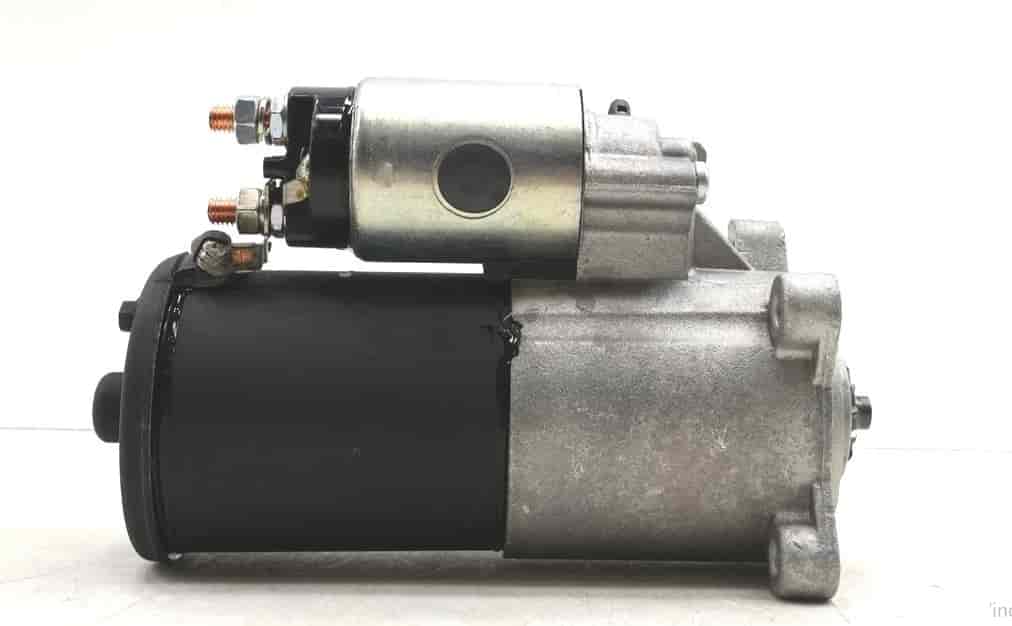
If your Ford F150 won’t start no clicking noise even after checking the battery, the starter motor and solenoid could be the next components to inspect. The starter motor is responsible for turning the engine over, and the solenoid acts as a switch to send power from the battery to the starter. When either component fails, the engine may not crank at all, and you will not hear the typical clicking sound. Begin by locating the starter motor, usually near the transmission, and check for any loose or corroded connections. Ensure the wiring is secure and free from damage.
Testing the solenoid requires careful attention. You can use a multimeter to check for continuity or listen for a small click when attempting to start the truck. If there is no response, the solenoid or starter motor may need repair or replacement. Many Ford F150 owners underestimate the importance of this step, but addressing starter issues early can prevent more extensive engine problems. Be aware that removing or replacing the starter motor often requires basic mechanical skills, and using proper safety measures is crucial to avoid injury.
Understanding how the starter motor and solenoid function helps you pinpoint the source of the no-start issue. Many owners find that a faulty starter or solenoid is the reason their Ford F150 won’t start no clicking noise after confirming the battery is in good condition. Taking the time to inspect and test these parts can save both time and money compared to unnecessary replacements elsewhere. Keeping the starter motor and solenoid in good condition through regular maintenance will ensure your truck starts reliably every time.
Examine the Ignition Switch and Relay – Key Steps When Your Ford F150 Won’t Start No Clicking Noise
After checking the battery and starter motor, the ignition switch and relay are the next components to examine if your Ford F150 won’t start no clicking noise. The ignition switch sends the signal to the starter motor, while the relay acts as a control device to deliver power from the battery. If either part fails, the engine will not crank, and you will not hear the usual clicking sound. Start by inspecting the ignition switch for signs of wear or damage. Turning the key should feel smooth without unusual resistance or looseness.
Next, check the starter relay, which is usually located in the fuse box. Ensure it is seated properly and test it by swapping with a similar relay if available. Listening for a small click when turning the key can indicate whether the relay is functioning correctly. If there is no response, replacing the relay or ignition switch may be necessary. These components are often overlooked, but they are common causes of a no-start situation.
Understanding how the ignition switch and relay interact with the starter system helps you identify the problem accurately. Many Ford F150 owners find that replacing a faulty relay or ignition switch resolves the issue without more extensive repairs. Regular inspection and maintenance of these parts can prevent future no-start problems and keep your truck reliable. By carefully examining these components, you take another important step toward diagnosing and fixing why your Ford F150 won’t start no clicking noise.
Wiring and Fuse Issues – Another Reason Your Ford F150 Won’t Start No Clicking Noise
Even if the battery, starter motor, and ignition system are in good condition, faulty wiring or blown fuses can prevent your Ford F150 from starting. Electrical connections carry power from the battery to the starter motor, and any break or corrosion in the wiring can stop the engine from cranking. Begin by inspecting visible wires for fraying, corrosion, or loose connections. Make sure all connectors are tight and clean. Damaged wiring should be repaired or replaced promptly to avoid further electrical problems.
Next, check the relevant fuses in the fuse box. A blown fuse may seem minor, but it can block power to the starter or ignition system, causing the truck not to start and produce no clicking noise. Use a fuse tester or visual inspection to determine if any fuses need replacement. Always replace fuses with the correct amperage to prevent damage to other components.
Addressing wiring and fuse issues is a simple yet effective way to resolve no-start problems. Many Ford F150 owners discover that cleaning connections or replacing a single blown fuse restores the truck’s ability to start. Regular maintenance of electrical components, including checking for corrosion and ensuring secure connections, can prevent this problem from occurring in the future. By examining the wiring and fuses carefully, you can eliminate one of the less obvious but common causes of why your Ford F150 won’t start no clicking noise.
When to Call a Mechanic – Knowing the Limits When Your Ford F150 Won’t Start No Clicking Noise
After checking the battery, starter motor, ignition switch, relay, wiring, and fuses, you may still find that your Ford F150 won’t start no clicking noise. At this point, it is important to recognize when professional help is necessary. Certain issues, such as a completely burned-out starter motor, serious electrical system failure, or problems with the engine control unit, require the expertise of a certified mechanic. Attempting to repair these complex components without proper knowledge can lead to further damage or safety hazards.
Calling a mechanic can save both time and money by correctly diagnosing the problem and providing an efficient solution. When contacting a professional, provide details about the troubleshooting steps you have already completed, such as testing the battery, inspecting the starter, and checking the ignition switch. This information helps the mechanic identify the issue faster and may reduce repair costs.
Knowing when to call a mechanic ensures that your Ford F150 receives proper care and avoids prolonged downtime. Many truck owners delay seeking professional help, which can worsen the problem and lead to higher expenses. By understanding the limits of DIY troubleshooting and acting promptly, you protect your vehicle and maintain its reliability. Ensuring that repairs are performed correctly guarantees that your Ford F150 starts smoothly and remains dependable for years to come.
Conclusion – Keep Your Ford F150 Starting Smoothly
Understanding why your Ford F150 won’t start no clicking noise is essential for every truck owner. By checking the battery, inspecting the starter motor and solenoid, examining the ignition switch and relay, and reviewing wiring and fuses, you can identify most common causes of a no-start situation. These steps help you decide whether the issue is something you can fix yourself or if it requires professional repair. Regular maintenance and careful troubleshooting reduce stress and prevent unnecessary expenses.
Addressing these components in a systematic way ensures that your truck remains reliable and starts smoothly whenever you need it. Many Ford F150 owners find that problems such as a weak battery, a faulty starter, or a blown fuse are easy to resolve once identified. By taking the right steps, you protect your vehicle and maintain its performance for daily use.
Have you ever faced a situation where your Ford F150 wouldn’t start and made no clicking noise? Share your experience and tips in the comments to help other truck owners troubleshoot effectively. Understanding and acting on these common causes can save time, money, and frustration while keeping your Ford F150 in top condition.