The Ford F-150 has a strong reputation for power and durability. Millions of drivers rely on this pickup truck for daily work and long distance travel. However, even reliable trucks can develop mechanical issues over time. One common problem many owners face is a Ford F150 vacuum leak.
A vacuum leak happens when extra air enters the engine through damaged hoses or loose connections. Modern engines require a precise air and fuel mixture to run properly. When additional air enters the system, the engine control unit cannot measure it correctly. This imbalance often leads to performance problems.
Many drivers first notice symptoms such as rough idle, poor acceleration, or unusual engine noises. In some cases, the check engine light appears without a clear explanation. These problems often confuse truck owners because the engine may still run, but it does not perform as smoothly as before.
Understanding the Ford F150 vacuum leak symptoms, causes, and repair methods helps drivers fix the issue faster. Early diagnosis can prevent expensive repairs and protect important engine components. This guide explains the most common warning signs, the typical causes, and the fastest ways to locate and fix a vacuum leak.
Contents
What Is a Vacuum Leak in a Ford F150?
A Ford F150 vacuum leak occurs when outside air enters the engine without passing through the proper sensors. The engine management system depends on accurate airflow data to maintain the correct air and fuel mixture. When extra air slips into the system, the engine receives more air than expected. This imbalance causes the mixture to become too lean.
Modern engines in the Ford F-150 rely on several vacuum controlled components. These components help regulate airflow, fuel delivery, and emission control systems. When the vacuum system works correctly, the engine runs smoothly and efficiently. Even a small leak can disturb this balance and reduce overall performance.
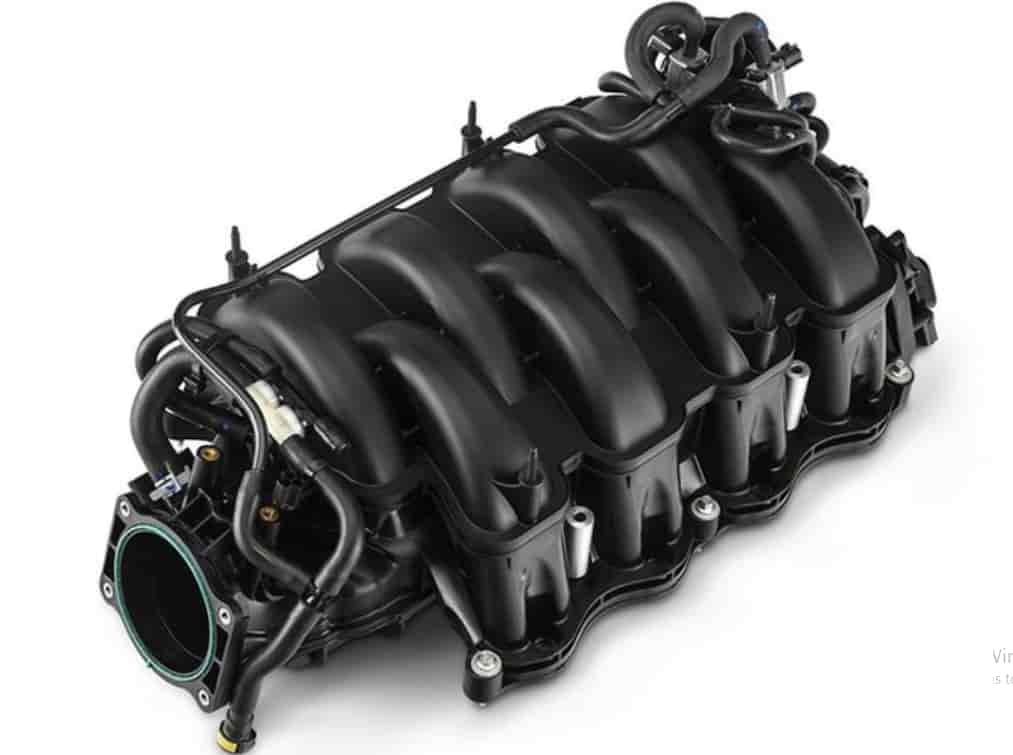
Several components form part of the vacuum system. Vacuum hoses carry airflow signals between engine parts. The intake manifold distributes air to the cylinders. The PCV valve controls crankcase ventilation. The brake booster also uses engine vacuum to assist braking power. A crack, loose connection, or worn gasket in any of these parts can allow air to leak into the system.
When a vacuum leak develops, the engine control unit struggles to adjust the fuel mixture correctly. As a result, the engine may idle roughly or lose power during acceleration. Drivers may also notice unusual sounds coming from the engine bay. Identifying this issue early helps prevent more serious engine problems and keeps the truck running smoothly.
Common Ford F150 Vacuum Leak Symptoms
A Ford F150 vacuum leak can cause several noticeable engine problems. These issues often start small but become more serious over time. Many drivers do not recognize the problem immediately because the truck can still run. However, the engine will not perform as smoothly as it should. Understanding the early symptoms can help drivers diagnose the issue before it leads to costly repairs.
One of the most common symptoms is a rough idle. The engine may shake or vibrate when the truck stops at a traffic light or remains in park. In some cases, the RPM may rise and fall without any input from the driver. This happens because extra air enters the intake system and disrupts the normal air and fuel balance that the engine needs to operate efficiently.
Another common sign is the appearance of the check engine light. Modern engines constantly monitor airflow and fuel delivery. When the system detects too much air entering the engine, it may trigger a warning code related to a lean air and fuel mixture. Drivers may also notice engine hesitation or misfires during acceleration. These problems occur when the combustion process becomes unstable due to the incorrect air and fuel ratio.
A vacuum leak may also produce a soft hissing noise from the engine bay. This sound usually comes from cracked vacuum hoses or loose connections around the intake system. At the same time, fuel efficiency may decrease because the engine control system tries to compensate for the extra air entering the engine. Over time, drivers of the Ford F-150 may also notice higher idle speed or reduced engine power, especially when accelerating or driving uphill.
What Causes a Ford F150 Vacuum Leak?
A Ford F150 vacuum leak usually occurs when a component in the engine vacuum system becomes damaged or worn. The vacuum system depends on sealed hoses, valves, and gaskets to control airflow inside the engine. When any of these parts fail, outside air can enter the intake system without being measured. This extra air disrupts the air and fuel mixture and can lead to several performance problems.
One of the most common causes of a vacuum leak is cracked or damaged vacuum hoses. These rubber hoses operate in a hot engine environment and can wear out over time. Heat, vibration, and age can cause the rubber to become brittle and develop small cracks. Even a small crack can allow air to enter the system and create an imbalance in the engine.
Another frequent cause is a worn intake manifold gasket. The intake manifold distributes air evenly to each cylinder. A damaged gasket can create a gap between the manifold and the engine. When this happens, outside air can leak into the intake system and disturb the proper air and fuel ratio.
The PCV valve system can also contribute to vacuum leaks. The positive crankcase ventilation valve regulates pressure inside the engine. If the valve becomes stuck or the connected hose breaks, it may allow uncontrolled airflow into the intake system. Loose vacuum connections can also create leaks. Over time, clamps and fittings may loosen because of engine vibration.
Drivers of the Ford F-150 may also experience vacuum leaks caused by damaged brake booster hoses or worn throttle body gaskets. Identifying the exact cause is important because each component requires a different repair approach.
Where Vacuum Leaks Usually Occur on Ford F150 Engines
A Ford F150 vacuum leak can develop in several areas of the engine. Most leaks occur in parts that handle airflow between the intake system and vacuum controlled components. Over time, heat and vibration can weaken these parts. Small cracks or loose connections can allow air to enter the system and disrupt the engine’s air and fuel balance.
One of the most common locations for a vacuum leak is the intake manifold gasket. The intake manifold directs air into the engine cylinders. A worn or damaged gasket can allow outside air to enter the intake system. This issue often leads to rough idling, unstable engine speed, and reduced performance.
Vacuum hoses are another frequent source of leaks. These hoses connect several engine components that rely on vacuum pressure to function properly. Because they are made of rubber, they can become brittle after years of exposure to engine heat. Cracks, splits, or disconnected hoses can easily create a leak that affects engine performance.
The PCV valve hose is also a common problem area. The positive crankcase ventilation system regulates pressure inside the engine. If the hose connected to the PCV valve becomes damaged or loose, air can leak into the intake system. This condition can cause rough idling and poor fuel efficiency.
Another location where leaks may occur is the brake booster vacuum line. This hose connects the engine vacuum system to the brake booster. If the line becomes cracked or disconnected, it can create a noticeable vacuum leak. Drivers of the Ford F-150 may also experience leaks around the throttle body gasket, which seals the connection between the throttle body and the intake manifold.
Finding the exact location of the leak is an important step in fixing the problem. Once the source is identified, the repair usually involves replacing a hose, tightening a connection, or installing a new gasket.
How to Find a Vacuum Leak on a Ford F150
Finding a Ford F150 vacuum leak requires careful inspection of the engine and its vacuum components. Because vacuum leaks allow extra air to enter the intake system, the symptoms can sometimes resemble other engine problems. A systematic inspection helps drivers locate the exact source of the leak and avoid unnecessary repairs.
The first step is a visual inspection of the vacuum hoses and connections. Open the hood and examine the rubber hoses that connect different engine components. Look for cracks, loose fittings, or disconnected lines. Many vacuum leaks occur when hoses become brittle after years of exposure to heat. Reconnecting a loose hose or replacing a damaged one can often solve the problem quickly.
Another common method is the listening test. Start the engine and allow it to idle. Carefully listen around the intake system and vacuum hoses. A vacuum leak often produces a faint hissing sound as air enters through a small opening. This sound can help narrow down the location of the leak.
Some mechanics also use a carburetor cleaner test. With the engine running, a small amount of carburetor cleaner can be sprayed around suspected leak areas such as vacuum hoses or intake manifold connections. If the engine speed suddenly changes, it usually indicates that the cleaner has entered through a leak.
Professional technicians often rely on a smoke test to find difficult leaks. In this method, special equipment pushes smoke into the vacuum system. The smoke escapes through any cracks or gaps, making the leak easy to identify. This technique is especially useful for detecting small leaks that are difficult to see during a normal inspection on a Ford F-150.
How to Fix a Ford F150 Vacuum Leak Fast
Fixing a Ford F150 vacuum leak usually depends on identifying the exact component that allows extra air to enter the engine. In many cases, the repair is simple and does not require major mechanical work. Once the source of the leak is found, replacing or tightening the faulty component can restore proper engine performance.
One of the most common solutions is replacing damaged vacuum hoses. Rubber hoses can crack or become brittle after long exposure to engine heat. When this happens, small gaps allow air to enter the intake system. Installing a new hose often solves the problem quickly and restores the correct air and fuel balance.
Another possible repair involves tightening loose vacuum connections. Engine vibrations can gradually loosen clamps and fittings over time. Checking and securing these connections can eliminate leaks and improve engine stability during idle and acceleration.
If the leak comes from the intake manifold area, replacing the intake manifold gasket may be necessary. The gasket seals the connection between the manifold and the engine. When it wears out, outside air can enter the intake system and disrupt the combustion process. Installing a new gasket helps restore the proper seal and prevents unmetered air from entering the engine.
A faulty PCV valve can also create vacuum related issues. Replacing the PCV valve and its hose can often resolve rough idle and airflow problems. Drivers of the Ford F-150 should also check the brake booster vacuum line and throttle body gasket if the leak persists. Addressing these components early can prevent further engine performance issues.
Ford F150 Vacuum Leak Repair Cost
The cost of fixing a Ford F150 vacuum leak can vary depending on the location of the leak and the component that requires replacement. Some repairs are simple and inexpensive, while others may require more labor if the leak involves major engine components. In many situations, the repair cost remains relatively affordable compared with other engine problems.
One of the least expensive repairs involves replacing damaged vacuum hoses. These rubber hoses are inexpensive parts, and the repair usually requires minimal labor. In most cases, the total cost for replacing a vacuum hose ranges from about fifty to one hundred fifty dollars depending on the number of hoses that need replacement.
Replacing the PCV valve is another common repair. The valve itself is usually inexpensive, but the total cost may include additional labor if the hose or surrounding components also require attention. The average repair cost for a PCV valve replacement often falls between eighty and two hundred dollars.
More complex repairs can increase the overall cost. For example, replacing an intake manifold gasket requires more labor because the mechanic must remove several engine components to access the manifold. This repair can range from three hundred to nine hundred dollars depending on the engine configuration and labor rates.
Professional diagnostic testing may also add to the cost. Some repair shops perform a smoke test to locate hidden leaks in the vacuum system. This diagnostic service often costs between one hundred and two hundred fifty dollars. Drivers of the Ford F-150 can often reduce repair expenses by identifying the leak early before it affects additional engine components.
Conclusion
A Ford F150 vacuum leak may seem like a minor issue at first, but it can lead to several engine performance problems if ignored. Extra air entering the intake system disrupts the air and fuel mixture that the engine needs to operate efficiently. Over time, this imbalance can cause rough idle, reduced engine power, poor fuel economy, and warning lights on the dashboard.
Recognizing the symptoms early is the best way to avoid more serious mechanical issues. Drivers who notice rough idling, unusual hissing sounds, or sudden changes in engine performance should inspect the vacuum system as soon as possible. In many cases, the problem comes from a cracked vacuum hose, a loose connection, or a worn gasket.
Fortunately, many vacuum leak repairs are simple and affordable. Replacing damaged hoses, tightening connections, or installing a new PCV valve can often restore normal engine operation. Even more complex repairs, such as replacing an intake manifold gasket, can prevent further damage when addressed early.
Owners of the Ford F-150 who understand the symptoms, causes, and repair options can handle this issue more confidently. Regular inspection of vacuum hoses and engine components helps maintain performance and keeps the truck running smoothly for many years.