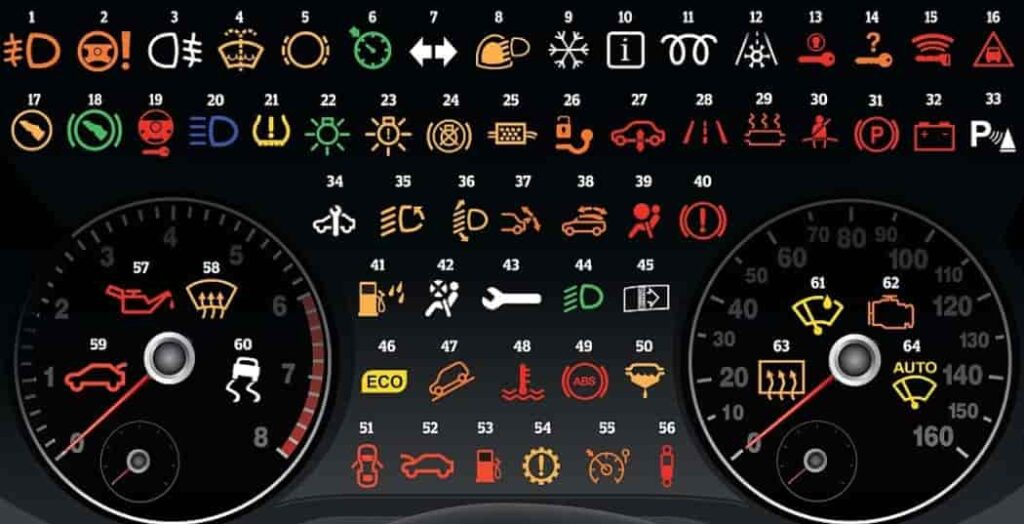
Have you ever been driving your Ford F150 when the check engine light suddenly turns on without warning? That small glowing icon on your dashboard can instantly trigger stress, confusion, and even fear of expensive repairs. For many drivers, the biggest problem is not the light itself, but the lack of clear understanding behind what it actually means.
The Ford F150 is known for its durability and performance, but like any modern vehicle, it relies heavily on advanced onboard diagnostics to monitor engine health. When something goes wrong, the system generates specific check engine light codes that point to underlying issues. These codes can range from minor problems like a loose gas cap to serious engine failures that require immediate attention.
Ignoring these warning signs can lead to higher repair costs, reduced fuel efficiency, and even long term engine damage. On the other hand, understanding Ford F150 check engine light codes gives you the power to act early, save money, and avoid unnecessary stress.
In this complete guide, you will learn the full meaning of Ford F150 check engine light codes, the most common causes behind them, and the most effective ways to diagnose and fix each issue. Whether you are a beginner or an experienced driver, this guide will help you stay in control of your vehicle.
Contents
- What Are Ford F150 Check Engine Light Codes
- Most Common Ford F150 Check Engine Light Codes and Their Meanings
- Causes of Check Engine Light on Ford F150
- How to Diagnose Ford F150 Check Engine Light Codes
- How to Fix Ford F150 Check Engine Light Codes
- Repair Costs for Common Ford F150 Check Engine Light Codes
- Can You Drive with the Check Engine Light On
- How to Reset Ford F150 Check Engine Light
- Conclusion
What Are Ford F150 Check Engine Light Codes
Ford F150 check engine light codes are diagnostic trouble codes generated by the vehicle’s onboard computer system when it detects a problem related to the engine or emissions system. These codes are part of the OBD2 system, which stands for On Board Diagnostics, a standardized technology used in all modern vehicles to monitor performance and identify faults.
At the core of this system is the Engine Control Unit, often called the ECU. This component continuously collects data from various sensors located throughout the vehicle. These sensors track critical parameters such as air fuel ratio, engine temperature, exhaust emissions, ignition timing, and fuel pressure. When any of these values fall outside the normal range, the ECU triggers the check engine light and stores a specific code.
Each Ford F150 check engine light code follows a structured format, typically starting with a letter and followed by four numbers. For example, codes that begin with the letter P relate to powertrain issues, which include the engine and transmission. These are the most common codes that drivers encounter.
Understanding these codes is essential because they act as a direct communication channel between your vehicle and you. Instead of guessing what might be wrong, you can use a diagnostic scanner to retrieve the exact code and identify the root cause. This not only saves time but also helps prevent unnecessary repairs.
Many drivers make the mistake of ignoring the check engine light, especially when the vehicle still seems to run normally. However, even minor issues can develop into major problems if left untreated. Learning how Ford F150 check engine light codes work is the first step toward protecting your engine, reducing repair costs, and maintaining long term vehicle performance.
Most Common Ford F150 Check Engine Light Codes and Their Meanings
Understanding the most common Ford F150 check engine light codes will help you quickly identify what is happening under the hood. Instead of feeling overwhelmed, you can recognize symptoms early and take action before the problem becomes more serious or expensive.
P0171 System Too Lean
The P0171 code indicates that the engine is running with too much air and not enough fuel. This imbalance can reduce engine performance and increase fuel consumption over time. One of the most common causes is a dirty or faulty mass airflow sensor, which sends incorrect data to the engine control unit. Vacuum leaks in the intake system can also lead to this issue.
Drivers may notice rough idling, hesitation during acceleration, or a drop in fuel efficiency. In many cases, cleaning the mass airflow sensor or fixing a small air leak can resolve the problem. If ignored, however, this code can lead to long term engine wear.
P0300 Random Misfire Detected
The P0300 code is one of the most frequent and frustrating issues for Ford F150 owners. It means that the engine cylinders are misfiring randomly, which disrupts smooth operation. This problem is often caused by worn spark plugs, faulty ignition coils, or fuel delivery issues.
Symptoms include engine shaking, loss of power, and difficulty starting the vehicle. In more severe cases, the check engine light may start flashing, which signals a higher risk of engine damage. Replacing spark plugs or ignition components usually solves the issue, but delayed repairs can damage the catalytic converter and increase costs significantly.
P0420 Catalytic Converter Efficiency Below Threshold
This code points to a problem with the catalytic converter, a critical component responsible for reducing harmful emissions. When the converter is not functioning properly, the system detects lower efficiency and triggers the P0420 code.
You might notice reduced engine performance, unusual exhaust smells, or failed emissions tests. Unfortunately, fixing this issue is often expensive because catalytic converter replacement can cost a significant amount. In some cases, the root cause may be related to upstream issues such as misfires, so proper diagnosis is essential before replacing parts.
P0455 EVAP System Large Leak
The P0455 code indicates a large leak in the evaporative emissions system. This system prevents fuel vapors from escaping into the environment. Surprisingly, one of the most common causes is simply a loose or damaged gas cap.
Other causes may include cracked hoses or faulty EVAP components. The good news is that this is usually one of the easiest and least expensive problems to fix. Tightening or replacing the gas cap often resolves the issue quickly, making it a simple first step before considering more complex repairs.
P0401 EGR Insufficient Flow
The P0401 code occurs when there is not enough exhaust gas flowing through the EGR system. This system helps reduce emissions and control engine temperature. Over time, carbon buildup can block the EGR valve or passages, preventing proper flow.
Drivers may experience engine knocking, reduced efficiency, or increased emissions. Cleaning the EGR valve is often an effective solution, but in some cases, replacement may be required. Addressing this issue early can prevent further engine stress and maintain optimal performance.
Causes of Check Engine Light on Ford F150
The check engine light on a Ford F150 can appear for many different reasons, and each cause reflects a specific issue inside the vehicle. Understanding these causes helps drivers react quickly and avoid unnecessary repair costs.
Sensor problems are one of the most common triggers. The Ford F150 uses multiple sensors, including the oxygen sensor and mass airflow sensor, to monitor engine performance in real time. When these sensors become dirty or start sending inaccurate data, the system detects irregular readings and activates the check engine light. This situation often leads to poor fuel efficiency and unstable engine behavior.
Fuel system issues also play a major role. Clogged fuel injectors, weak fuel pumps, or incorrect air fuel mixtures can disrupt the combustion process. When the engine does not receive the right balance of fuel and air, performance drops and diagnostic codes appear. Drivers may notice reduced power or hesitation during acceleration.
The emissions system is another key factor. Components such as the catalytic converter, EGR valve, and EVAP system control harmful gases. Carbon buildup or small leaks can cause these parts to fail, which triggers warning codes and affects overall efficiency.
Electrical faults can also create problems. Damaged wiring or loose connections interrupt communication between components and lead to unexpected errors. In more serious cases, mechanical issues like engine misfires or overheating may occur and require immediate attention.
By understanding these common causes, you can identify problems earlier, reduce repair costs, and keep your Ford F150 running smoothly.
How to Diagnose Ford F150 Check Engine Light Codes
Diagnosing Ford F150 check engine light codes is not as complicated as many drivers think. With the right approach, you can quickly identify the problem and decide whether you can fix it yourself or need professional help.
The first step is to use an OBD2 scanner. This small device connects to the diagnostic port under the dashboard and retrieves stored trouble codes from the system. Most modern scanners are easy to use and even connect to smartphone apps, making the process simple for beginners. Once you plug in the scanner, you can read the exact Ford F150 check engine light codes within seconds.
After retrieving the code, the next step is to understand what it means. Each code points to a specific issue, such as a sensor malfunction, fuel system imbalance, or emissions problem. You can look up the code in a reliable database or use the scanner’s built in explanation feature. This step is critical because it helps you avoid guessing and replacing unnecessary parts.
Next, perform a basic visual inspection. Check for obvious problems such as loose connectors, damaged hoses, or a loose gas cap. Many minor issues can be identified and fixed at this stage without spending extra money.
If the issue is not visible, you should test the related components. For example, if the code indicates a mass airflow sensor problem, inspect and clean the sensor before replacing it. Always focus on the root cause instead of reacting to the code alone.
By following these steps, you can diagnose Ford F150 check engine light codes accurately, save time, and prevent costly mistakes.
How to Fix Ford F150 Check Engine Light Codes
Fixing Ford F150 check engine light codes requires a clear understanding of the problem and a logical approach. Once you have identified the code, you can decide whether the issue is simple enough to handle yourself or requires professional repair.
Start with basic fixes that many drivers can perform at home. Tightening or replacing a loose gas cap is often enough to clear codes related to the EVAP system. Cleaning the mass airflow sensor can also restore proper air fuel balance and improve engine performance. In cases of misfire codes, replacing worn spark plugs or ignition coils can quickly solve the issue and bring the engine back to normal operation.
Next, focus on preventive maintenance. Regular oil changes, air filter replacement, and fuel system cleaning help reduce the risk of recurring problems. Many Ford F150 check engine light codes appear because of neglected maintenance rather than serious mechanical failure. Taking care of these small tasks can save a significant amount of money over time.
For more complex issues, such as catalytic converter failure or persistent sensor errors, professional assistance is often the best option. These repairs require specialized tools and accurate diagnostics. Attempting to fix them without proper knowledge can lead to higher costs and additional damage.
It is also important to avoid a common mistake. Resetting the check engine light without fixing the root cause will not solve the problem. The light may turn off temporarily, but it will return once the system detects the issue again.
By applying the right fix at the right time, you can resolve Ford F150 check engine light codes efficiently, protect your engine, and maintain long term performance.
Repair Costs for Common Ford F150 Check Engine Light Codes
Repair costs for Ford F150 check engine light codes can vary widely depending on the specific issue and how early you address it. Understanding these costs helps you prepare financially and avoid overpaying for unnecessary repairs.
Simple fixes are usually affordable and quick. For example, replacing spark plugs often costs between 50 and 200 dollars, depending on the type and labor fees. Cleaning or replacing a mass airflow sensor may range from 100 to 300 dollars. These are common issues that many drivers can resolve without major expenses if detected early.
Moderate repairs involve components like the EVAP system. Fixing a leak or replacing a faulty gas cap can cost as little as 20 dollars, while more complex EVAP repairs may reach up to 200 dollars. Although these problems seem minor, ignoring them can lead to additional system errors over time.
More serious issues bring significantly higher costs. A failing catalytic converter is one of the most expensive repairs, often ranging from 800 to 2500 dollars. This component plays a critical role in emissions control, and damage usually results from prolonged engine problems such as misfires or poor combustion.
Labor costs also affect the total price. Diagnostic services at repair shops typically cost between 80 and 150 dollars. However, investing in early diagnosis can prevent much larger expenses later.
The key insight is simple. The longer you ignore Ford F150 check engine light codes, the more expensive the repair becomes. Acting early not only saves money but also protects your engine from long term damage.
Can You Drive with the Check Engine Light On
Many drivers feel uncertain when the check engine light turns on, especially when the vehicle still runs normally. The answer depends on how the light behaves and what Ford F150 check engine light codes indicate.
If the check engine light stays solid, the issue is usually less urgent. The vehicle can often continue running, but this does not mean you should ignore it. A solid light often signals problems like sensor errors, minor fuel system issues, or emissions faults. Driving for a short period is generally safe, but you should diagnose the problem as soon as possible to avoid higher repair costs.
A flashing check engine light is a completely different situation. This warning indicates a serious issue, most commonly an engine misfire. When misfires occur, unburned fuel can enter the exhaust system and damage the catalytic converter. This can quickly turn a manageable repair into a very expensive one. In this case, you should stop driving immediately and have the vehicle inspected.
You should also pay attention to how the vehicle behaves. If you notice strong vibrations, loss of power, strange noises, or unusual smells, these are clear signs that the problem may be severe. Continuing to drive under these conditions can lead to engine damage and safety risks.
Ford F150 check engine light codes are designed to warn you early, not just to inform you after damage occurs. Taking action at the right time can protect your vehicle, reduce repair costs, and ensure safe driving.
How to Reset Ford F150 Check Engine Light
Resetting the check engine light on a Ford F150 can be useful after you fix the underlying issue. However, you should always remember that clearing the light without solving the root problem will only provide a temporary result. The system will detect the issue again and the warning will return.
One of the most reliable methods is using an OBD2 scanner. After connecting the device to the vehicle’s diagnostic port, you can access the stored Ford F150 check engine light codes and select the option to clear them. This method is fast, accurate, and recommended because it ensures the system resets properly without affecting other components.
Another common method involves disconnecting the battery. You can remove the negative terminal and wait for about ten to fifteen minutes before reconnecting it. This process resets the vehicle’s electronic system and may turn off the check engine light. While this method is simple, it can also reset other settings such as radio presets and clock information.
Some drivers rely on driving cycles to reset the light. After fixing the issue, the system may automatically clear the code if it no longer detects the problem over several driving sessions. This method takes more time but confirms that the repair was successful.
It is important to avoid using reset methods as a shortcut. Ford F150 check engine light codes exist to protect your engine and alert you to potential damage. Always diagnose and fix the issue first, then reset the system to ensure long term reliability and performance.
Conclusion
Understanding Ford F150 check engine light codes is essential for every driver who wants to maintain performance, reduce repair costs, and avoid unexpected breakdowns. These codes are not random warnings. They provide clear signals about what is happening inside your vehicle and help you take action before small issues turn into major problems.
Throughout this guide, you have learned the meaning behind common codes, the main causes that trigger the check engine light, and the most effective ways to diagnose and fix each issue. You also understand the importance of acting early, especially when dealing with serious warnings like a flashing check engine light.
By paying attention to these signals, you can save money, protect your engine, and extend the lifespan of your Ford F150. Instead of feeling stressed when the check engine light appears, you now have the knowledge to handle it with confidence.
If you are currently dealing with a specific Ford F150 check engine light code, feel free to share it in the comments. Getting the right information at the right time can make all the difference in keeping your vehicle running smoothly.