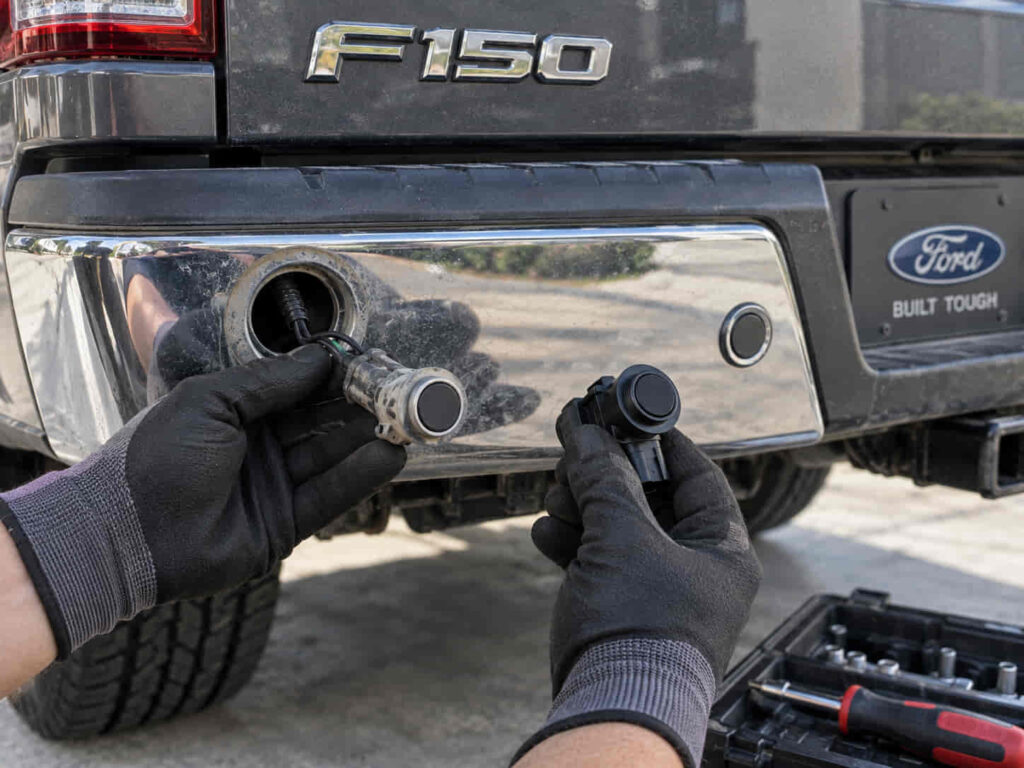
A backup sensor may be a small component on your Ford F-150, but when it stops working, you notice it immediately. A parking aid system that suddenly starts beeping, fails to detect nearby objects, or displays a warning can make reversing feel less predictable, especially in a large pickup with limited visibility around the rear bumper. If you are searching for a Ford F-150 backup sensor replacement, the challenge is not simply finding a sensor that looks like the original. You need the right component for your truck’s model year, parking aid system, connector, mounting position, and bumper configuration.
Choosing between an OEM Ford sensor and an aftermarket replacement can also be confusing. The cheaper option may reduce your initial repair cost, while an original equipment sensor can provide a more predictable fit and compatibility. At the same time, not every aftermarket sensor is a poor choice, and not every parking sensor fault means the sensor itself has failed.
This guide explains what to consider when you need to replace a Ford F-150 backup sensor, how to choose the correct replacement, what can affect replacement cost, and how OEM and aftermarket options compare. The goal is to help you avoid buying the wrong part and turning a simple repair into a much more expensive problem.
Best Replacement Backup Sensors for Ford F-150
Finding the best replacement backup sensor for a Ford F-150 starts with one simple principle: compatibility matters more than appearance. Several parking sensors can look almost identical while using different connectors, mounting systems, sensing characteristics, or vehicle-specific applications. This is why a sensor advertised as a replacement for an F-150 is not automatically the correct part for every model year or configuration.
An OEM Ford backup sensor is generally the safest choice when maintaining factory specifications is the priority. Because the sensor is designed for the vehicle’s original parking aid system, an OEM component can provide a predictable physical fit and electrical connection when the correct part number is selected. This can be particularly important when the truck has an integrated rear parking aid system that communicates with other vehicle modules. Paying more for an original sensor can make sense when avoiding compatibility problems is more important than minimizing the initial purchase price.
Aftermarket sensors can offer another practical solution, particularly when the original sensor is expensive or difficult to source. Quality varies considerably between manufacturers, however. A well-made aftermarket replacement can provide a good balance between price and functionality, while a poorly matched component may create intermittent warnings, inaccurate detection, or a parking aid system that remains unavailable after installation. The important distinction is therefore not simply OEM versus aftermarket. It is whether the replacement component is engineered and specified for the exact F-150 application.
The sensor’s physical position also deserves attention. A rear parking sensor is installed in a specific location within the bumper, and its orientation can affect how the system detects objects behind the truck. A replacement that fits the opening but does not sit correctly can produce disappointing results. Paint and bumper finish can also matter because some replacement sensors are supplied ready to install while others may require appropriate refinishing.
For this reason, the best Ford F-150 backup sensor is ultimately the one that matches the truck’s model year, original equipment specifications, connector, mounting arrangement, and parking aid configuration. Checking the original part number or using the vehicle’s exact identification information before ordering is far more reliable than choosing a sensor based only on photographs or a generic product description.
Read more: Ford F150 Throttle Body Cleaning Guide
How to Know Your Ford F-150 Backup Sensor Needs Replacement
A Ford F-150 parking sensor does not always fail in an obvious way. Sometimes the system stops detecting objects completely, while in other cases the sensor works intermittently or causes the parking aid system to produce unexpected warning tones. Understanding these symptoms can help you determine whether you actually need a replacement sensor or whether another part of the system is responsible.
One of the most recognizable signs is an unusual continuous beep when reverse is selected. Instead of responding normally as the truck approaches an obstacle, the parking aid system may behave as though something is directly behind the bumper even when the area is clear. A single faulty sensor can sometimes cause the entire system to behave abnormally because the vehicle relies on multiple sensors working together.
Another common symptom is a parking aid warning message or a system that becomes unavailable. If the F-150 suddenly reports a parking sensor or parking aid fault, it is tempting to order a replacement immediately. However, the warning itself does not prove that the sensor has failed. Damaged wiring, a loose electrical connector, corrosion, physical impact, contamination, or a problem elsewhere in the parking aid system can produce similar symptoms.
Physical damage is another strong indicator. A rear bumper impact can crack the sensor housing, dislodge its mounting position, or damage the connection behind the bumper. Even when the sensor appears intact from the outside, an impact can affect its positioning and prevent it from operating correctly.
Dirt, mud, ice, or other material covering the sensor can also interfere with detection. Before purchasing a replacement, the sensor surface should be inspected and cleaned appropriately. If the problem disappears afterward, replacing the component may not be necessary.
When the symptoms remain after basic inspection, proper diagnosis becomes more important. Identifying which sensor is actually causing the fault can prevent unnecessary replacement of functioning components. This is especially valuable when several sensors are installed across the rear bumper and the truck’s parking aid system is reporting a fault without clearly identifying the failed component.
The key point is simple: a Ford F-150 backup sensor replacement should be based on evidence rather than symptoms alone. Confirming the source of the fault first can save money, reduce installation work, and help ensure that the new sensor actually resolves the parking aid problem.
How to Choose the Correct Ford F-150 Backup Sensor
Choosing a replacement backup sensor for a Ford F-150 requires more than matching the shape of the old component. The F-150 has been produced across multiple generations, configurations, and equipment levels, so parking sensors can differ depending on the truck’s model year and factory-installed system. A sensor that fits one F-150 may not function correctly on another, even when the two components appear nearly identical.
The model year should be the starting point when searching for a replacement. Vehicle manufacturers can change electrical systems, bumper designs, connectors, and parking aid technology between generations and production periods. This makes a generic search for a “Ford F-150 backup sensor” less reliable than identifying the exact vehicle application first.
The original part number is another valuable reference. If the existing sensor can be accessed safely, its identification information may help establish which replacement component is required. Comparing the original part number with the replacement listing can reduce the risk of purchasing a sensor that has the wrong electrical connection or mounting arrangement. When a part number is unavailable, vehicle-specific fitment information should be checked carefully before ordering.
The connector is particularly important because two sensors can have similar housings while using different electrical interfaces. A replacement sensor should connect correctly without forcing the plug, modifying factory wiring, or relying on questionable adapters. The mounting method also needs to match the bumper. A sensor that does not sit securely or maintain the intended orientation may not provide reliable detection even if the electrical connection works.
The rear bumper configuration can create another compatibility consideration. F-150 trucks may have different bumper designs or equipment packages, and the position and number of parking sensors can vary accordingly. Before purchasing a replacement, it is therefore worth comparing the sensor’s mounting style, connector, dimensions, and specified vehicle applications rather than relying solely on a product photograph.
Paint is a secondary consideration, but it can affect the final appearance. Some replacement sensors are supplied in a finish intended for painting, while others may already have a suitable color or surface treatment. Any refinishing should follow the sensor manufacturer’s recommendations because an inappropriate coating can potentially interfere with sensor performance.
Ultimately, the safest way to select a Ford F-150 backup sensor replacement is to match the exact vehicle application and original component information. Price should come after compatibility. A sensor that costs less but does not communicate correctly with the truck can quickly become more expensive once additional diagnosis, return shipping, installation time, or another replacement is involved.
Ford F-150 Backup Sensor Replacement Cost
The cost of replacing a backup sensor on a Ford F-150 can vary considerably depending on the sensor itself, the truck’s model year, the type of parking aid system installed, and whether the repair is completed at home or by a professional. The price of the sensor is only one part of the total expense. Diagnosis, labor, bumper access, painting, and additional hardware can all influence the final repair bill.
An aftermarket sensor is generally the starting point for owners looking to control the cost of a Ford F-150 backup sensor replacement. Prices can be relatively affordable when the replacement is a direct-fit component from a reputable manufacturer. However, the lowest-priced option is not necessarily the least expensive solution in the long run. If the sensor is incompatible or produces a fault after installation, the owner may have to spend additional money on diagnosis and another replacement.
An OEM Ford sensor can cost more, but the additional expense may be worthwhile when factory compatibility and fit are the primary concerns. The exact price depends on the specific sensor and vehicle application, so checking the correct part number is essential before comparing prices. A seemingly cheaper OEM or aftermarket listing may also exclude related components or use different fitment assumptions.
Labor can become the largest additional expense when the sensor is difficult to access. Some replacements may be relatively straightforward when the sensor and connector are accessible from the rear bumper, while other configurations can require additional disassembly. A professional repair may also include diagnostic testing before the replacement is installed, which helps identify whether the sensor itself is actually responsible for the fault.
DIY replacement can reduce labor costs for an owner who is comfortable working around the rear bumper and electrical connectors. However, saving money should not mean skipping diagnosis. Replacing a functioning sensor will not solve a problem caused by damaged wiring, a connector issue, or another component in the parking aid system.
There may also be an additional cost when the replacement sensor requires painting to match the truck’s bumper. This is primarily a cosmetic consideration, but it can matter on a vehicle where the sensor is clearly visible.
For these reasons, there is no single universal price for Ford F-150 backup sensor replacement. The most accurate estimate comes from identifying the exact sensor required, confirming whether the fault is actually caused by that component, and then comparing the combined cost of the part and installation rather than looking at the sensor price alone.
Can You Replace a Ford F-150 Backup Sensor Yourself?
Replacing a backup sensor on a Ford F-150 can be a manageable DIY repair when the correct replacement part is identified and the sensor is accessible without extensive bumper disassembly. The difficulty depends largely on the truck’s model year, bumper configuration, sensor mounting arrangement, and the condition of the electrical connector. For an owner who is comfortable with basic automotive repairs, replacing a single sensor may be considerably less complicated than paying for a complete professional repair.
The process begins with confirming the faulty sensor and obtaining a replacement that matches the original application. Once the vehicle is safely prepared, access to the rear sensor can be established according to the specific bumper design. The electrical connector must be disconnected carefully because forcing or damaging the connector can create a second problem that did not exist before the repair.
After the original sensor is removed from its mounting position, the replacement needs to be seated correctly in the bumper. Orientation matters because parking sensors are designed to detect objects within a particular field around the rear of the vehicle. A sensor that is loose, incorrectly positioned, or not fully secured may produce unreliable detection even when the electrical connection is correct.
Once the replacement is connected and installed, the parking aid system should be tested. The purpose of the test is not simply to confirm that the sensor is physically installed. The system should respond normally when the vehicle is operated in reverse under safe testing conditions. If the warning remains after the replacement, further diagnosis may be necessary because the original fault may involve wiring, another sensor, or the parking aid system itself.
DIY replacement can therefore make sense when the repair is straightforward and the owner has the appropriate skills and tools. It becomes less attractive when the sensor is difficult to access, the bumper has suffered impact damage, or the vehicle continues to report a fault after installation. In those situations, professional diagnosis can prevent repeated parts replacement and unnecessary expense.
The most important part of a successful Ford F-150 backup sensor replacement is not simply removing the old sensor and installing a new one. It is making sure the replacement is compatible, correctly positioned, properly connected, and followed by a functional test. Taking those steps seriously can turn a potentially frustrating parking aid problem into a relatively simple repair.
Common Ford F-150 Backup Sensor Replacement Mistakes
A backup sensor replacement can seem straightforward, but several small mistakes can cause the parking aid system to continue malfunctioning. One of the most common is ordering a replacement based only on the appearance of the original sensor. Because different F-150 applications can use sensors with similar shapes, visual similarity is not enough to confirm compatibility. The model year, part number, connector, mounting method, and parking aid configuration should all be considered before purchasing.
Choosing the cheapest available sensor can create another problem. Price is useful when comparing replacement options, but an unusually inexpensive component may have limited fitment information or inconsistent quality. If the replacement does not communicate correctly with the vehicle’s parking aid system, the owner may end up paying for another sensor or additional diagnosis. A reputable aftermarket component with clearly documented compatibility can sometimes offer better value than an unknown low-cost alternative.
Another mistake is assuming that every parking aid warning means a sensor has failed. The problem can originate from damaged wiring, a loose connector, contamination, physical bumper damage, or another part of the parking aid system. Replacing a sensor without first establishing the source of the fault can solve nothing while adding unnecessary expense.
Installation itself can also affect performance. A sensor that is not seated correctly in the bumper may have an altered detection angle. The connector should be fully secured, and the sensor should remain firmly mounted rather than moving inside its opening. Care should also be taken when handling the surrounding bumper components because a damaged connector or mounting bracket can create a new fault.
Painting is another detail that should not be overlooked. If a replacement sensor requires refinishing, the manufacturer’s recommendations should be followed. Applying an unsuitable coating or excessive material can potentially affect the sensor’s ability to operate as intended.
Finally, some owners replace the component but do not properly test the system afterward. A successful Ford F-150 backup sensor replacement should end with confirmation that the parking aid system operates normally. If the warning persists, the correct response is further diagnosis rather than automatically purchasing another sensor.
Avoiding these mistakes makes the repair more predictable and helps ensure that the replacement addresses the underlying problem instead of simply replacing a component based on assumption.
Ford F-150 Backup Sensor Replacement FAQs
How much does it cost to replace a backup sensor on a Ford F-150?
The total cost depends on the exact F-150 application, the replacement sensor selected, and whether the repair is performed at home or by a professional. An aftermarket sensor can reduce the parts cost, while an OEM component may cost more but provide a closer match to the original factory specification. Professional labor and diagnostic charges can increase the final price, particularly when the sensor is difficult to access or the underlying problem has not yet been identified.
Can I replace an F-150 parking sensor myself?
Yes, a replacement can be a reasonable DIY repair when the sensor is accessible and the correct component has been identified. The electrical connector and mounting position need to be handled carefully, and the system should be tested after installation. If the problem remains, additional diagnosis may be necessary rather than assuming the replacement sensor is defective.
How do I know which backup sensor fits my F-150?
The safest approach is to verify the truck’s model year and compare the original sensor’s part number, connector, mounting arrangement, and vehicle-specific fitment information. Searching only by the phrase “Ford F-150 backup sensor” can produce multiple components that are not interchangeable.
Are aftermarket F-150 backup sensors reliable?
A quality aftermarket sensor can be a practical alternative to an OEM component, but aftermarket quality varies between manufacturers. Compatibility information, warranty coverage, construction quality, and customer support should be considered alongside price. The most important factor is whether the sensor is specifically designed for the truck’s parking aid system.
Does a Ford F-150 backup sensor need programming?
Not every replacement situation is identical, so programming or additional procedures should not be assumed to be either universally required or universally unnecessary. The requirements can depend on the vehicle’s model year and parking aid configuration. Following the applicable service information for the specific F-150 is the safest approach.
Why is my F-150 parking sensor still beeping after replacement?
A continuing warning does not necessarily mean the new sensor is faulty. The cause could involve another sensor, a damaged connector, wiring, bumper damage, contamination, incorrect sensor fitment, or another part of the parking aid system. If a new sensor does not resolve the original symptom, the system should be diagnosed before additional parts are purchased.
Can a damaged bumper cause parking sensor problems?
Yes. A rear bumper impact can affect the sensor housing, mounting position, connector, or surrounding wiring. Even when the sensor itself appears undamaged, a change in its position can affect detection. Inspecting the bumper and sensor mounting area is therefore important when a parking aid problem appears after an impact.
Final Thoughts on Ford F-150 Backup Sensor Replacement
Replacing a backup sensor on a Ford F-150 does not have to become a complicated or expensive repair, but choosing the correct component is essential. The right replacement depends on more than the sensor’s appearance. Model year, original part number, connector, mounting arrangement, bumper configuration, and parking aid system all play a role in determining whether a replacement will work as intended.
OEM sensors remain a strong choice for owners who prioritize factory compatibility and predictable fitment, while a quality aftermarket sensor can provide a more affordable alternative when its application is properly verified. Neither option should be selected based on price alone. A sensor that does not match the truck can lead to continued warnings, inaccurate detection, additional diagnostic work, and another replacement.
It is also important to confirm that the sensor is actually responsible for the problem before purchasing a replacement. Wiring damage, loose connections, contamination, bumper damage, and other parking aid components can create symptoms that look like a failed sensor.
If you are ready to replace a Ford F-150 backup sensor, start by identifying your exact truck and comparing the original component with the replacement. Confirm compatibility before ordering, install the sensor carefully, and test the parking aid system afterward. Taking these steps can help you avoid unnecessary costs while restoring the confidence and convenience that your F-150’s rear parking assistance system is designed to provide.