Ford F-150 transmission problems can range from minor shifting issues to complete transmission failure. However, not every problem requires a full replacement. Many owners notice rough shifting, delayed gear changes, or vibrations long before serious damage develops. Recognizing these warning signs early helps reduce repair costs and prevents unexpected breakdowns.
Several factors affect transmission reliability. The model year plays a major role because Ford used different transmission designs across generations. Driving habits, towing frequency, maintenance history, and fluid condition also influence long-term performance. For example, the 6R80 and 10R80 transmissions experience different issues and require different repair approaches. In many cases, replacing a faulty component or updating the transmission software restores normal operation without rebuilding the entire unit.
This guide explains the most common Ford F-150 transmission problems and the symptoms that appear first. It also explores the main causes behind these failures and identifies the model years that receive the most owner complaints. In addition, you will learn how technicians diagnose transmission faults, compare available repair options, estimate repair costs, and follow maintenance practices that extend transmission life. Understanding these topics helps you make informed decisions and avoid expensive transmission repairs.
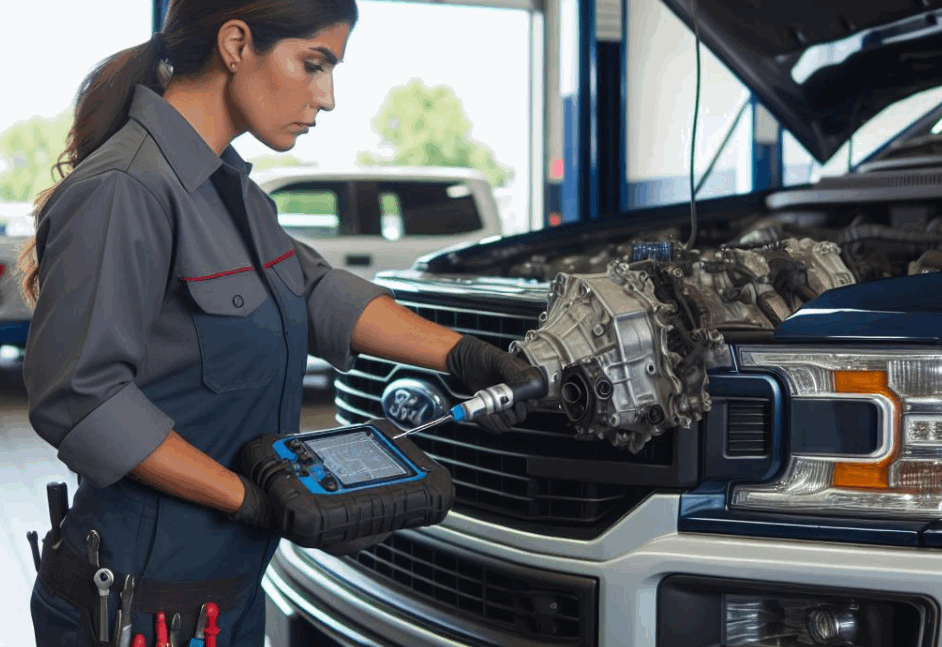
What Are the Most Common Ford F-150 Transmission Problems?
Ford F-150 transmission problems usually begin with shifting irregularities instead of complete transmission failure. Most drivers first notice hard shifts, delayed gear engagement, hesitation during acceleration, or unexpected vibrations. These symptoms often develop gradually and become more noticeable under heavy loads or during daily stop-and-go traffic. Ignoring these early signs increases wear on internal components and raises the risk of expensive repairs.
Hard shifting ranks among the most reported transmission complaints across multiple Ford F-150 generations. The transmission may shift aggressively between gears or produce a noticeable jolt during acceleration. In many cases, worn valve body components, faulty shift solenoids, outdated software, or contaminated transmission fluid cause this behavior. A professional diagnosis helps identify the exact source before additional damage occurs.
Gear slipping is another common issue that affects both performance and safety. The engine speed increases, but the truck fails to accelerate as expected because the transmission cannot maintain the selected gear. Low transmission fluid, worn clutch packs, or internal hydraulic pressure loss often create this condition. Drivers should address gear slipping immediately because continued operation can damage the transmission beyond a simple repair.
Many owners also report transmission shudder, delayed shifting, and gear hunting. A shudder feels like a vibration when the transmission changes gears or the torque converter locks. Delayed shifting occurs when the transmission hesitates before engaging Drive or Reverse. Gear hunting happens when the transmission repeatedly shifts between gears while maintaining a steady speed. These symptoms commonly appear in trucks with high mileage, frequent towing, or overdue transmission maintenance.
Transmission overheating and limp mode usually indicate a more serious problem. Excessive heat breaks down transmission fluid and reduces its ability to protect internal parts. As temperatures rise, electronic sensors may activate limp mode to prevent severe damage. The truck then limits power and locks the transmission into a restricted gear range. Immediate inspection helps prevent complete transmission failure and significantly reduces repair costs.
What Symptoms Indicate a Ford F-150 Transmission Problem?
Ford F-150 transmission problems usually produce clear warning signs before a major failure occurs. Most symptoms begin subtly and become more noticeable over time. Recognizing these changes early allows owners to schedule repairs before internal components suffer extensive damage. Quick action also reduces repair costs and helps maintain safe vehicle operation.
Delayed gear engagement is one of the earliest symptoms. The transmission takes several seconds to shift into Drive or Reverse after selecting a gear. Some trucks may also hesitate before accelerating from a complete stop. This delay often points to low hydraulic pressure, worn internal seals, contaminated transmission fluid, or valve body problems. If the hesitation becomes more frequent, the transmission requires a professional inspection.
Unusual noises also indicate that the transmission is not operating correctly. Drivers may hear whining, grinding, humming, or clunking sounds during acceleration or gear changes. A whining noise often results from low transmission fluid or a failing pump. Grinding noises may suggest excessive wear inside the gearbox, while repeated clunks can indicate damaged gears or worn driveline components. These sounds rarely disappear without repair and usually become louder as the damage progresses.
Vehicle performance can also change when transmission problems develop. The truck may accelerate slowly, shift unpredictably, or struggle to maintain a steady speed. Some drivers notice engine revs increasing without a corresponding increase in vehicle speed, which often indicates gear slipping. Others experience shaking or vibration during acceleration because the torque converter cannot engage smoothly. These performance issues reduce driving confidence and place additional stress on the transmission.
Dashboard warning lights provide another important clue. The Check Engine Light or a dedicated transmission warning message may appear when the control module detects abnormal operating conditions. Modern Ford F-150 models continuously monitor transmission temperature, shift timing, and hydraulic pressure through multiple sensors. When these values fall outside normal limits, the system stores diagnostic trouble codes that help technicians identify the source of the problem. Ignoring these warnings can allow minor issues to develop into complete transmission failure.
What Causes Ford F-150 Transmission Problems?
Ford F-150 transmission problems develop when mechanical wear, hydraulic failures, electronic faults, or poor maintenance affect normal transmission operation. In most cases, several factors contribute to the failure instead of a single defective part. Identifying the root cause helps technicians recommend the correct repair and prevents the same problem from returning.
Low or contaminated transmission fluid remains one of the most common causes of transmission failure. Clean transmission fluid lubricates moving parts, controls hydraulic pressure, and removes excess heat. As the fluid ages, it loses its protective properties and allows friction to increase. Dirt, metal particles, and excessive heat also reduce fluid performance. As a result, the transmission may shift harshly, hesitate between gears, or overheat during normal driving.
Internal component wear also causes many transmission problems. The valve body controls hydraulic fluid flow throughout the transmission, while the shift solenoids regulate gear changes. When these components wear out, the transmission may shift unpredictably or struggle to engage the correct gear. A worn torque converter can also create vibration, shudder, or delayed acceleration because it cannot transfer engine power efficiently. These issues become more common as vehicle mileage increases.
Electronic systems play an equally important role in transmission performance. Modern Ford F-150 models rely on the Transmission Control Module to calculate shift timing and adjust gear changes according to driving conditions. Corrupted software, damaged wiring, or faulty sensors can interrupt this process and produce hard shifting, gear hunting, or delayed engagement. In many situations, updating the transmission software or replacing a failed sensor restores normal operation without major mechanical repairs.
Driving conditions and maintenance habits significantly influence transmission lifespan. Frequent towing, carrying heavy payloads, aggressive acceleration, and repeated stop-and-go traffic generate additional heat inside the transmission. Excessive heat accelerates fluid degradation and increases wear on internal components. Following the recommended maintenance schedule, replacing transmission fluid at the correct interval, and avoiding unnecessary strain help reduce the risk of premature transmission failure and improve long-term reliability.
Which Ford F-150 Model Years Have the Most Transmission Problems?
Ford F-150 transmission reliability varies by model year because Ford introduced different transmission designs, software calibrations, and powertrain updates over time. Some generations earned a strong reputation for durability, while others received more owner complaints related to shift quality and transmission performance. Understanding these differences helps buyers evaluate used trucks and allows current owners to recognize potential issues before they become serious.
The 2009 to 2014 Ford F-150 models equipped with the 6R80 automatic transmission generally offer solid long-term reliability. However, high-mileage trucks may develop hard shifting, delayed engagement, or torque converter wear after years of regular use. These problems often result from normal component wear, overdue transmission fluid changes, or heavy towing rather than major design flaws. Many of these transmissions continue to perform well when owners follow the recommended maintenance schedule.
The 2015 to 2017 model years also use the 6R80 transmission and remain among the more dependable options. Although most trucks deliver smooth performance, some owners report rough downshifts, occasional shift flare, or valve body issues as mileage increases. Regular software updates and routine transmission service often improve shift quality and extend transmission life. Buyers should still inspect service records and test drive the vehicle before making a purchase.
The 2018 to 2020 Ford F-150 introduced the 10R80 ten speed automatic transmission. This transmission improved fuel efficiency and towing performance, but it also generated more owner complaints than the previous generation. Some drivers experienced harsh shifting, gear hunting, delayed acceleration, or sudden downshifts. Ford released multiple software updates and Technical Service Bulletins to address shift logic and transmission calibration. Many trucks showed noticeable improvement after receiving these updates, although some vehicles still required mechanical repairs.
The 2021 and newer Ford F-150 models continue to use updated versions of the 10R80 transmission with revised software and production improvements. Overall reliability has improved compared with earlier production years, but regular maintenance remains essential. Buyers should review the vehicle’s service history, confirm that all software updates have been completed, and verify smooth shifting during a road test. These simple checks provide a clearer picture of transmission condition and reduce the risk of unexpected repair costs.
How Do You Diagnose Ford F-150 Transmission Problems?
Diagnosing Ford F-150 transmission problems requires a systematic inspection instead of replacing parts based on symptoms alone. Many transmission issues produce similar warning signs, even though the underlying causes differ significantly. A complete diagnosis helps identify the exact fault, reduces unnecessary repair costs, and prevents recurring transmission problems.
The inspection usually begins with the transmission fluid because its condition provides valuable information about internal transmission health. Healthy transmission fluid appears clean and has a bright red or light amber color. Dark fluid, a burnt smell, or visible metal particles often indicate excessive heat or internal wear. Technicians also check the fluid level because both low and overfilled transmission fluid can affect hydraulic pressure and shift quality.
The next step involves scanning the vehicle with an OBD-II diagnostic tool. Modern Ford F-150 models continuously monitor transmission performance through multiple sensors and control modules. When the system detects abnormal pressure, incorrect gear ratios, or communication failures, it stores diagnostic trouble codes. These codes help technicians narrow the possible causes before performing additional mechanical inspections. However, fault codes should support the diagnosis rather than replace it because some mechanical failures do not immediately trigger warning lights.
A road test allows technicians to reproduce the reported symptoms under real driving conditions. During the test, they evaluate shift timing, gear engagement, acceleration, transmission temperature, and torque converter operation. They also monitor live sensor data to determine whether the problem occurs during specific speeds, throttle positions, or engine loads. This process often reveals intermittent faults that remain hidden during a stationary inspection.
If the fluid condition, diagnostic codes, and road test indicate internal damage, technicians perform a more detailed mechanical inspection. They may measure hydraulic pressure, inspect the transmission pan for excessive debris, or disassemble selected components when necessary. Following this structured diagnostic process ensures that repairs target the actual cause instead of treating only the visible symptoms. Accurate diagnosis improves repair quality and helps extend the service life of the transmission.
How Can Ford F-150 Transmission Problems Be Repaired?
Repairing Ford F-150 transmission problems depends on the root cause, the severity of the damage, and the overall condition of the transmission. Not every transmission issue requires a complete rebuild or replacement. Many problems respond well to early repairs, especially when technicians identify the fault before internal components experience extensive wear. Choosing the correct repair method improves reliability and helps avoid unnecessary expenses.
Minor transmission problems often require relatively simple repairs. Replacing old transmission fluid restores proper lubrication and hydraulic pressure when the existing fluid has degraded. Installing a new transmission filter also removes contaminants that restrict fluid flow. In some cases, technicians update the Transmission Control Module software to correct shift timing and improve gear engagement. These services frequently resolve hard shifting, delayed shifts, or inconsistent transmission behavior without replacing major components.
Mechanical repairs become necessary when individual transmission parts fail. A damaged valve body can disrupt hydraulic pressure and produce harsh or unpredictable gear changes. Faulty shift solenoids may prevent the transmission from selecting the correct gear, while a worn torque converter often causes vibration or shudder during acceleration. Replacing these components restores normal operation if the remaining transmission parts remain in good condition. Early intervention also prevents additional damage from spreading throughout the transmission.
Extensive internal wear may require a complete transmission rebuild. During this process, technicians disassemble the transmission, inspect every internal component, and replace worn clutch packs, seals, bearings, and other damaged parts. A rebuild restores transmission performance while allowing reusable components to remain in service. This option often provides a practical balance between cost and long-term reliability when the transmission housing remains structurally sound.
A complete transmission replacement becomes the best solution when internal damage is too severe for an effective rebuild. Cracked housings, catastrophic gear failure, or repeated rebuild failures usually justify installing a new or remanufactured transmission. Although replacement involves a higher upfront cost, it delivers the highest level of reliability for heavily damaged transmissions. A professional diagnosis ensures that owners choose the most appropriate repair strategy based on the actual condition of the transmission rather than the symptoms alone.
How Much Does It Cost to Repair a Ford F-150 Transmission?
The cost to repair a Ford F-150 transmission depends on the type of failure, the damaged components, labor rates, and whether the transmission requires a repair, rebuild, or complete replacement. Minor issues usually cost much less than internal mechanical failures. An accurate diagnosis helps owners avoid unnecessary expenses and select the most cost-effective repair option.
A transmission fluid service is the least expensive repair and often resolves minor shifting concerns caused by degraded or contaminated fluid. Most repair shops charge between $200 and $450 for a fluid and filter service, depending on the transmission type and the fluid specification. This maintenance service cannot repair worn internal components, but it helps improve shift quality and reduces heat when performed at the recommended interval.
Replacing individual transmission components costs more because technicians must remove and inspect part of the transmission. A shift solenoid replacement typically ranges from $250 to $600, while a valve body replacement usually costs between $700 and $1,500. A torque converter replacement generally falls between $800 and $2,000 because it requires significant labor. Repair costs vary according to the model year, transmission design, and local labor rates.
A transmission rebuild provides a practical solution when multiple internal components have worn out but the transmission housing remains reusable. Most Ford F-150 transmission rebuilds cost between $2,500 and $4,500. During the rebuild process, technicians replace worn clutch packs, seals, bearings, and other damaged parts before reassembling and testing the transmission. A properly rebuilt transmission can deliver many additional years of reliable performance when owners maintain it correctly.
A complete transmission replacement represents the most expensive repair option. Installing a remanufactured transmission usually costs between $4,500 and $7,500, while a brand-new factory transmission may exceed $8,000 in some markets. Although replacement requires a larger investment, it often provides the best long-term value when the original transmission has experienced catastrophic internal damage. Comparing repair estimates, warranty coverage, and the overall condition of the truck helps owners make the most informed financial decision.
How Can You Prevent Ford F-150 Transmission Problems?
Preventing Ford F-150 transmission problems requires consistent maintenance and responsible driving habits. Most transmission failures develop gradually instead of occurring without warning. Regular inspections, timely fluid service, and proper vehicle operation reduce internal wear and help the transmission perform efficiently for many years.
Changing the transmission fluid at the recommended interval remains one of the most effective maintenance practices. Fresh transmission fluid lubricates internal components, maintains hydraulic pressure, and removes excess heat. As the fluid ages, it loses its protective properties and allows friction to increase. Many transmission specialists recommend shortening the service interval for trucks that tow heavy trailers or operate in demanding conditions because these activities generate higher transmission temperatures.
Managing heat is equally important because excessive temperature remains one of the leading causes of transmission failure. Drivers should avoid aggressive acceleration, repeated heavy towing beyond the truck’s rated capacity, and prolonged operation under extreme loads without adequate cooling. Installing an auxiliary transmission cooler may provide additional protection for trucks that frequently tow large trailers or carry heavy payloads. Lower operating temperatures help preserve transmission fluid and reduce stress on internal components.
Routine inspections also help identify small problems before they become expensive repairs. Owners should regularly check for fluid leaks, unusual noises, delayed shifting, or vibration during acceleration. Any change in transmission performance deserves immediate attention because early repairs often prevent major internal damage. Addressing minor issues quickly also reduces repair costs and minimizes vehicle downtime.
Keeping the transmission software up to date improves both performance and reliability. Ford periodically releases software updates that refine shift logic and correct known calibration issues for certain model years. Owners should also follow the factory maintenance schedule and have the transmission inspected during routine service visits. Combining preventive maintenance with careful driving habits significantly extends transmission life and reduces the likelihood of unexpected transmission failure.
Are There Any Ford F-150 Transmission Recalls or Technical Service Bulletins?
Ford has issued several recalls, Technical Service Bulletins (TSBs), and software updates to address transmission concerns in specific Ford F-150 model years. However, a Technical Service Bulletin is not the same as a recall. A recall corrects a safety-related defect at no cost to the owner, while a TSB provides repair instructions for known issues that technicians may encounter during service. Understanding this difference helps owners determine whether their truck qualifies for free repairs or requires standard maintenance.
Several Ford F-150 models equipped with the 10R80 automatic transmission have received Technical Service Bulletins related to harsh shifting, delayed gear engagement, gear hunting, and unexpected downshifts. In many cases, these issues resulted from transmission calibration rather than major mechanical failures. Ford released updated software to improve shift quality, optimize gear selection, and reduce customer complaints. Many owners reported smoother transmission performance after installing the latest software version.
Some model years have also been affected by recalls involving transmission-related components. Depending on the production year, these recalls addressed issues that could increase the risk of unintended vehicle movement or reduce driver control under specific conditions. Owners should verify whether their truck has any outstanding recalls because repair eligibility depends on the vehicle identification number rather than the transmission model alone.
Warranty coverage also influences repair costs. Ford’s Powertrain Warranty may cover transmission repairs if the vehicle remains within the applicable warranty period and the failure results from a manufacturing defect. However, damage caused by neglected maintenance, contaminated transmission fluid, or improper vehicle modifications usually falls outside warranty coverage. Owners should review their warranty documents before authorizing major repairs.
Checking for recalls, TSBs, and software updates should become part of every transmission diagnosis. Completing these repairs early may resolve shifting problems without replacing expensive transmission components. Owners should also ask a Ford dealership to confirm that all available calibration updates have been installed during routine maintenance visits.
Frequently Asked Questions About Ford F-150 Transmission Problems
Can I continue driving with Ford F-150 transmission problems?
Driving with transmission problems is not recommended because minor symptoms often develop into major mechanical failures. Hard shifting, delayed gear engagement, or gear slipping increases stress on internal components every time the truck moves. If these symptoms become more severe, stop driving and have the transmission inspected as soon as possible.
How long does a Ford F-150 transmission last?
A well-maintained Ford F-150 transmission typically lasts between 150,000 and 250,000 miles. Some transmissions exceed 300,000 miles when owners follow the recommended maintenance schedule, replace transmission fluid regularly, and avoid excessive towing or aggressive driving.
Does changing transmission fluid fix shifting problems?
A transmission fluid service can improve shift quality if old or contaminated fluid causes the problem. However, fresh fluid cannot repair worn clutch packs, damaged valve body components, or internal mechanical failures. A professional diagnosis should always determine whether maintenance or mechanical repair is necessary.
Is the 10R80 transmission reliable?
The 10R80 transmission delivers excellent fuel efficiency, towing capability, and overall performance. Early production models received more owner complaints about harsh shifting, delayed engagement, and gear hunting. Ford addressed many of these concerns through software updates and Technical Service Bulletins. Later model years generally provide more consistent transmission performance.
Should I rebuild or replace a damaged transmission?
A transmission rebuild is usually the better option when the transmission case remains in good condition and the internal damage is repairable. A complete replacement becomes the better investment when catastrophic failure damages multiple major components or when rebuilding cannot guarantee long-term reliability. A professional inspection provides the most accurate recommendation based on the transmission’s overall condition.
Conclusion
Ford F-150 transmission problems do not always lead to complete transmission failure, but they should never be ignored. Early symptoms such as hard shifting, delayed engagement, gear slipping, or vibration often indicate developing mechanical or electronic issues. Identifying these warning signs quickly allows owners to complete smaller repairs before the damage spreads throughout the transmission.
Regular maintenance remains the most effective way to improve transmission reliability. Replacing transmission fluid at the recommended interval, installing available software updates, and addressing unusual transmission behavior immediately help reduce wear and extend service life. Owners who frequently tow heavy loads should also monitor transmission temperature and follow a more demanding maintenance schedule.
If your Ford F-150 begins to shift abnormally or displays transmission warning messages, a professional diagnosis should become the next step. Determining the exact cause allows you to choose the most appropriate repair and avoid unnecessary expenses. Learning how the transmission operates, understanding common failure patterns, and following preventive maintenance practices will help you maximize transmission lifespan and keep your Ford F-150 performing reliably for years to come.