Ford F-150 backup camera problems affect many truck owners, especially those who drive daily or use their vehicles in demanding conditions. A system that should improve safety can suddenly fail without warning. Some drivers see a black screen when shifting into reverse. Others notice flickering images or delayed camera activation. These issues often appear during parking or low visibility situations, when drivers rely on the camera the most.
The backup camera on a Ford F-150 serves more than a convenience role. It helps drivers detect obstacles, reduce blind spots, and avoid accidents. When the camera stops working, drivers lose an important layer of awareness. This failure increases the risk of minor collisions, property damage, and safety concerns around pedestrians. Over time, small camera issues can lead to higher repair costs if owners ignore the early signs.
This guide explains Ford F-150 backup camera problems in a clear and practical way. It breaks down how the system operates, why common failures occur, and which symptoms signal a serious issue. More importantly, it focuses on permanent fixes instead of temporary resets that rarely last. By understanding the real causes behind backup camera failures, Ford F-150 owners can protect their vehicle, improve driving confidence, and restore a key safety feature with the right solution.
Contents
- Understanding How the Ford F-150 Backup Camera System Works
- Common Causes of Ford F-150 Backup Camera Problems
- Symptoms You Should Not Ignore
- Permanent Fixes vs Temporary Workarounds
- Cost of Fixing Ford F-150 Backup Camera Problems
- Can You Drive Safely with a Broken Backup Camera?
- How to Prevent Backup Camera Problems in the Future
- Conclusion
Understanding How the Ford F-150 Backup Camera System Works
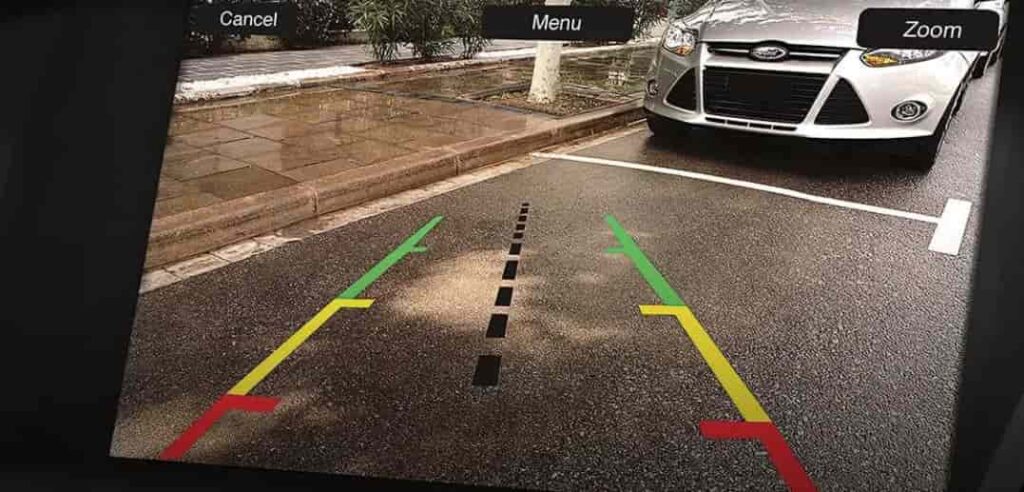
The backup camera system on a Ford F-150 relies on several components that work together in real time. When the driver shifts the gear into reverse, the system sends a signal to activate the rear view camera. The camera captures a live image behind the truck and sends it to the infotainment screen on the dashboard. This process happens within seconds and depends on stable electrical and software communication.
The camera itself sits near the tailgate handle or rear emblem, depending on the model year. It uses a small image sensor designed to handle vibration and weather exposure. A wiring harness connects the camera to the vehicle electrical system. This wiring supplies power and transfers video data to the display unit. Any damage or corrosion along this path can disrupt the signal and cause display issues.
The infotainment screen, often powered by the Ford SYNC system, plays a key role in how the image appears. The software controls image resolution, response time, and error detection. If the software freezes or fails to load correctly, the camera may not display an image even when the hardware works properly. Because the system depends on both hardware and software, backup camera problems often result from a combination of electrical faults and system logic errors rather than a single broken part.
Common Causes of Ford F-150 Backup Camera Problems
Several factors can trigger Ford F-150 backup camera problems, and most of them relate to wear, exposure, or system communication failures. Understanding these causes helps owners avoid guesswork and focus on the right repair approach from the start.
A faulty camera module is one of the most common causes. Over time, the internal sensor can degrade and lose image clarity. Heat, vibration, and moisture accelerate this process. When the camera begins to fail, the screen may turn black or display distorted images. In many cases, the camera still receives power, but it cannot transmit a stable video signal.
Wiring and connector issues also create frequent problems. The wiring harness runs through areas that experience constant movement and weather exposure. Loose connectors, broken wires, or corrosion can interrupt the signal between the camera and the display. Water intrusion after rain or car washes often worsens this issue and leads to intermittent failures.
Software and system glitches within the Ford SYNC platform represent another major cause. Failed updates, system freezes, or memory errors can prevent the camera from activating when the vehicle shifts into reverse. In some cases, the camera works correctly, but the screen does not respond due to software conflicts.
Environmental damage plays a supporting role in many failures. Extreme temperatures, road salt, and high pressure water can weaken seals and connectors. These conditions increase the risk of long term electrical damage and shorten the lifespan of the backup camera system.
Symptoms You Should Not Ignore
Ford F-150 backup camera problems often show clear warning signs before the system fails completely. Recognizing these symptoms early can help drivers avoid safety risks and costly repairs.
A black or blue screen is one of the most obvious symptoms. The display activates when shifting into reverse, but no image appears. This issue often points to a failing camera module or a disrupted video signal. In some cases, the screen may show an error message instead of a live image.
Flickering or distorted images also signal trouble. The picture may shake, blur, or flash on and off while reversing. These symptoms usually relate to loose wiring, corrosion, or electrical interference. Temperature changes can make this problem appear more frequently.
Delayed camera activation is another warning sign. The screen may take several seconds to load after shifting into reverse. This delay reduces reaction time and increases the risk of backing into obstacles. Software glitches or system communication errors often cause this behavior.
Intermittent operation should never be ignored. The camera may work one day and fail the next without any pattern. This symptom often indicates moisture inside connectors or unstable electrical connections. Left untreated, intermittent issues tend to become permanent failures over time.
Permanent Fixes vs Temporary Workarounds
Many Ford F-150 owners try quick solutions when backup camera problems appear. Some of these methods restore the image for a short time, but they rarely address the real cause. Understanding the difference between temporary workarounds and permanent fixes helps drivers avoid repeated failures.
Temporary workarounds often include system resets or battery disconnection. Drivers may restart the SYNC system or remove the battery cable for a few minutes. These actions can clear minor software errors and restore the camera briefly. However, the problem often returns because the underlying issue remains. Temporary fixes also fail when hardware damage or wiring faults exist.
Permanent fixes focus on correcting the root cause of the failure. Replacing a faulty camera module restores image quality and system stability. Repairing or replacing damaged wiring eliminates signal interruptions and intermittent operation. In cases related to software failure, a full system reflash at a dealership corrects corrupted files and communication errors.
Recall related repairs also count as permanent solutions. When Ford identifies a manufacturing defect, authorized service centers apply updated parts or software at no cost. Ignoring recall notices increases the risk of repeated camera failure.
Permanent fixes require more time and expense upfront, but they prevent ongoing frustration. They also restore the backup camera as a reliable safety feature rather than an unreliable accessory.
Cost of Fixing Ford F-150 Backup Camera Problems
Repair costs for Ford F-150 backup camera problems vary based on the cause and repair method. Understanding these costs helps owners plan repairs and avoid unnecessary expenses.
DIY repairs usually involve basic troubleshooting or part replacement. A simple wiring repair or connector cleaning may cost very little. Replacing the backup camera with an aftermarket unit often falls within a lower price range. While this option saves money, it may not match the image quality or durability of original equipment.
Dealership repairs cost more but offer long term reliability. Replacing an original camera module includes parts, labor, and system calibration. Software reflashing or system diagnostics also add to the final bill. Although the upfront cost feels high, dealership repairs reduce the risk of repeated failures.
Ignoring camera problems often leads to higher expenses later. Moisture damage can spread through wiring and affect other electrical systems. What starts as a small camera issue can turn into a larger repair involving multiple components.
Choosing the right repair option depends on vehicle age, budget, and usage needs. For daily drivers and work trucks, a permanent fix often delivers better value over time.
Can You Drive Safely with a Broken Backup Camera?
Driving a Ford F-150 with a broken backup camera increases safety risks, especially in crowded or low visibility environments. While experienced drivers can rely on mirrors and direct sight, the loss of the camera removes an important layer of awareness.
Backup cameras help drivers detect obstacles that mirrors cannot show clearly. Small objects, pets, and pedestrians often fall into blind spots behind the truck. Without a functioning camera, the chance of minor collisions rises during parking and reversing. This risk becomes higher in tight spaces and residential areas.
Legal considerations also matter. In many regions, backup cameras form part of vehicle safety standards for newer models. Although driving without a working camera may not result in immediate penalties, it can affect liability after an accident. Insurance companies may question whether the driver maintained required safety equipment.
A broken backup camera also affects driver confidence. Many owners hesitate or double check movements, which slows reaction time. Over time, this stress turns daily driving into an uncomfortable experience. Restoring the camera improves safety, reduces anxiety, and helps drivers operate their Ford F-150 with full awareness.
How to Prevent Backup Camera Problems in the Future
Preventing Ford F-150 backup camera problems starts with regular inspection and proper care. Small habits can protect the system and extend its lifespan.
Drivers should inspect the camera lens and surrounding area on a regular basis. Dirt, road salt, and debris can block the image or trap moisture near the camera housing. Gentle cleaning helps maintain image clarity and prevents long term damage.
Proper car wash habits also reduce risk. High pressure water can force moisture into seals and connectors near the tailgate. Using lower pressure around the camera area helps protect internal components. After heavy rain or washing, checking camera performance can reveal early signs of moisture intrusion.
Keeping the SYNC system up to date supports stable camera operation. Software updates fix bugs and improve system communication. Drivers should complete updates fully and avoid interrupting the process. After battery replacement or electrical work, checking camera function ensures the system resets correctly.
Environmental awareness also matters. Extreme heat and cold affect electrical components over time. Parking in covered areas when possible reduces exposure and helps preserve wiring and connectors. Preventive care reduces unexpected failures and keeps the backup camera reliable.
Conclusion
Ford F-150 backup camera problems often start as minor issues but can grow into serious safety concerns if drivers ignore them. Understanding how the system works makes it easier to identify the real cause behind camera failures. Faulty camera modules, damaged wiring, software glitches, and environmental exposure remain the most common reasons these problems appear.
Recognizing early symptoms such as black screens, flickering images, delayed activation, or intermittent operation allows owners to act before the system fails completely. While temporary resets may offer short term relief, they rarely solve the underlying issue. Permanent fixes such as proper wiring repair, camera replacement, or software updates restore reliability and reduce long term costs.
A functioning backup camera improves awareness, confidence, and safety during daily driving. It helps drivers avoid blind spots and reduce the risk of accidents in tight or crowded areas. Preventive care and regular inspection further protect the system and extend its lifespan.
Addressing Ford F-150 backup camera problems early saves time, money, and frustration. Owners who invest in proper repairs and maintenance can rely on their backup camera as a dependable safety feature rather than an ongoing concern.