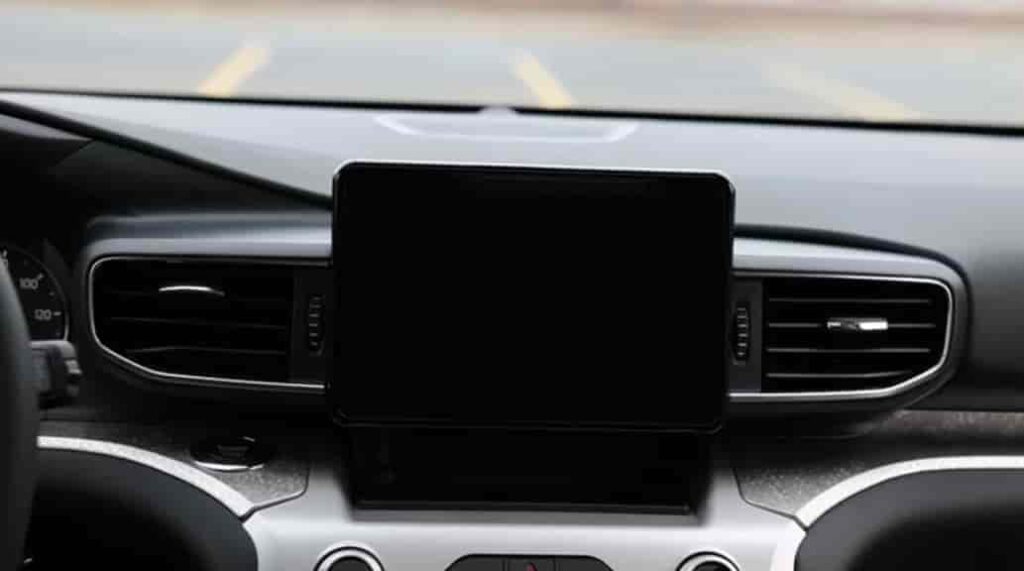
Experiencing a black screen on your Ford Explorer can frustrate any driver. It can block access to navigation, media, and safety features that you rely on every day. Many owners face sudden screen blackouts that make even a short drive stressful.
Most black screen issues come from software glitches, hardware problems, or minor electrical faults. Knowing the cause helps you fix the problem quickly and avoid unnecessary trips to the dealership. This guide explains why the Ford Explorer screen black happens and shows simple ways to restore full functionality.
You will learn step-by-step fixes that you can try at home or with professional assistance. The guide also offers practical tips to prevent the issue from returning. By following these strategies, you can keep your Ford Explorer running smoothly, maintain essential features, and enjoy every drive without interruptions.
Contents
Common Causes of Ford Explorer Screen Black
Many Ford Explorer owners face a black screen issue that blocks access to the vehicle’s infotainment system. Understanding the main causes helps you fix the problem quickly and prevent it from happening again. One frequent cause is a software glitch in the Sync system. Outdated firmware or corrupted software can make the screen go black suddenly. Keeping the system updated often resolves these glitches before they affect daily driving.
Hardware problems also contribute to a black screen. Loose cables, a malfunctioning display, or a faulty control module may stop the screen from showing information. Checking the connections and components ensures the system receives proper signals. Electrical issues are another common cause. A blown fuse, weak battery, or unstable power supply can interrupt the screen’s operation and cause it to shut off unexpectedly.
Some Ford Explorer models, particularly those from 2020 to 2023, show black screen issues when exposed to extreme temperatures or sudden ignition cycles. These situations highlight the importance of maintaining a stable vehicle environment and avoiding abrupt shutdowns. Knowing these common causes allows drivers to take early actions, either fixing minor issues themselves or seeking professional help, keeping the infotainment system reliable for navigation, media, and safety purposes.
Step-by-Step Fixes for Ford Explorer Screen Black
If your Ford Explorer screen black appears, several practical fixes can restore its functionality. The first step is to perform a system reset. Restarting the Sync system often resolves temporary software glitches and brings the display back to normal. To do this, press and hold the power and volume buttons for a few seconds until the screen restarts.
Updating the firmware is another effective solution. Ford regularly releases software updates to fix bugs and improve performance. Connecting your vehicle to a Wi-Fi network or using a USB drive allows you to install the latest update, reducing the chances of future blackouts.
Checking hardware connections is essential if the screen remains black. Inspecting cables, connectors, and the control module ensures that signals reach the display correctly. Tightening loose connections or replacing faulty components can solve many black screen issues.
Electrical problems may also cause the display to turn off unexpectedly. Verify that fuses are intact, the battery is strong, and the power supply is stable. Replacing a blown fuse or restoring a weak battery often brings the screen back to life.
If the problem persists, seeking professional help at a certified Ford dealership or a trusted garage is the safest option. Technicians can diagnose hidden issues and perform repairs that prevent future problems. Following these step-by-step fixes keeps your Ford Explorer infotainment system reliable, ensuring navigation, media, and safety features remain fully functional.
Professional Repair vs DIY for Ford Explorer Screen Black
When your Ford Explorer screen black persists despite basic fixes, deciding between a DIY approach and professional repair becomes important. Performing repairs yourself can save money and address minor issues quickly. Simple steps like resetting the system, updating the firmware, or checking connections often solve common black screen problems without visiting a garage.
However, DIY fixes carry some risks. Improper handling of cables or components may worsen the problem or void your warranty. Electrical issues such as blown fuses or battery problems can be dangerous if handled incorrectly. Assessing your comfort level and technical knowledge helps determine whether a DIY approach is suitable.
Professional repair offers a safer and more reliable solution for complex issues. Certified Ford technicians can diagnose hidden hardware or software problems and replace faulty parts safely. Dealerships and trusted garages use specialized tools to ensure the system works properly, reducing the risk of recurring black screen issues.
Comparing costs, DIY is usually less expensive but may not fully resolve the problem. Professional repair costs more, but it provides peace of mind and long-term reliability. Choosing the right approach depends on the severity of the issue, your technical skills, and your willingness to spend on professional service. Understanding these options ensures that the Ford Explorer screen black problem is handled efficiently, keeping your vehicle’s infotainment system fully functional and safe for everyday use.
Prevention Tips for Ford Explorer Screen Black
Preventing the Ford Explorer screen black is easier than fixing it after it occurs. Regular system maintenance is the first step. Keeping the Sync software up to date ensures the screen operates smoothly and reduces the risk of glitches. Connecting your vehicle to Wi-Fi or using a USB drive for updates keeps the firmware current and stable.
Maintaining stable electrical conditions also helps prevent blackouts. Avoid abrupt ignition cycles and ensure the battery is strong and healthy. Checking fuses and electrical connections periodically prevents sudden power interruptions that could affect the screen.
Proper care of hardware components is essential. Avoid pressing the display aggressively and protect the screen from extreme temperatures. Excessive heat or cold can trigger temporary malfunctions, especially in models from 2020 to 2023.
Adopting these preventive habits keeps the infotainment system reliable. By monitoring software, hardware, and electrical conditions, drivers can minimize the chances of experiencing a black screen. Understanding how to prevent the Ford Explorer screen black enhances the overall driving experience, ensuring navigation, media, and safety features remain fully functional at all times.
Conclusion
The Ford Explorer screen black can disrupt your driving experience, but understanding its causes makes it easier to handle. Software glitches, hardware malfunctions, and electrical problems are the most common reasons for blackouts. Addressing these issues early, whether through simple DIY fixes or professional repair, keeps the infotainment system reliable and functional.
Following step-by-step fixes, updating firmware, checking connections, and monitoring electrical conditions can restore your screen and prevent future problems. Choosing between DIY solutions and certified repair depends on the severity of the issue and your technical confidence. Proper preventive measures, such as maintaining software, protecting hardware, and ensuring stable power, reduce the risk of black screen occurrences significantly.
By applying these strategies, drivers can enjoy a fully operational Ford Explorer infotainment system for navigation, media, and safety. Do not ignore early signs of a black screen. Regular checks, timely updates, and cautious handling ensure the Ford Explorer screen black remains a rare problem, letting you focus on a smooth and enjoyable driving experience.