Noticing a green, orange, or even pink puddle under your Ford Explorer can be alarming, especially if you rely on your vehicle every day. A Ford Explorer leaking antifreeze is not just a minor inconvenience. It is often an early warning sign of a deeper issue within the cooling system that can quickly escalate if ignored.
Antifreeze, also known as coolant, plays a critical role in regulating engine temperature. When it starts leaking, your engine loses its ability to maintain a stable temperature. This can lead to overheating, reduced performance, and in the worst case, severe engine damage that may cost thousands of dollars to repair. Many drivers underestimate how quickly a small leak can turn into a major mechanical failure.
The real challenge is that coolant leaks are not always obvious. Sometimes the leak is visible under the car, but in other cases, it happens internally, making it harder to detect until symptoms become serious. This uncertainty often leaves drivers confused about what to do next and whether it is safe to continue driving.
In this guide, you will learn exactly why your Ford Explorer is leaking antifreeze, how to recognize the most important warning signs, and what steps you can take to fix the problem quickly and effectively. By the end, you will have a clear understanding of how to protect your engine and avoid costly repairs.
Contents
- What Does It Mean When Your Ford Explorer Is Leaking Antifreeze?
- Common Causes of Ford Explorer Leaking Antifreeze
- Common Causes of Ford Explorer Leaking Antifreeze
- Warning Signs You Shouldn’t Ignore
- How to Diagnose an Antifreeze Leak in Ford Explorer
- How to Fix Ford Explorer Leaking Antifreeze Fast
- Repair Cost Breakdown
- How to Prevent Antifreeze Leaks
- Conclusion
What Does It Mean When Your Ford Explorer Is Leaking Antifreeze?
When your Ford Explorer is leaking antifreeze, it means the cooling system is no longer sealed properly. This system is designed to circulate coolant through the engine, absorb heat, and release it through the radiator. Once a leak appears, this cycle is disrupted, and your engine becomes vulnerable to overheating.
Antifreeze is not just a liquid that prevents freezing. It also raises the boiling point of the coolant and protects internal components from corrosion. Without the right level of antifreeze, the engine temperature can rise quickly, especially during long drives or in hot weather. Even a small leak can gradually reduce coolant levels and create serious risks over time.
There are two main types of coolant leaks you need to understand. The first is an external leak. This is the most common type and usually shows up as a puddle under the vehicle. It often comes from components like the radiator, hoses, or the coolant reservoir. These leaks are easier to detect but still require immediate attention.
The second type is an internal leak, which is more dangerous. This happens when coolant leaks inside the engine, often due to a damaged head gasket. In this case, you may not see any fluid on the ground. Instead, the coolant may mix with engine oil or burn inside the combustion chamber. This can lead to white smoke from the exhaust, loss of engine power, and long term engine damage.
Understanding what a coolant leak means is the first step toward fixing it. It helps you identify whether the issue is minor and manageable or a serious problem that requires immediate professional repair.
Common Causes of Ford Explorer Leaking Antifreeze
A Ford Explorer leaking antifreeze can be traced back to several key components within the cooling system. Understanding these causes helps you identify the problem faster and avoid unnecessary repair costs.
One of the most common causes is a damaged radiator. Over time, the radiator can develop cracks due to constant exposure to heat and pressure. Corrosion inside the radiator can also weaken its structure, allowing coolant to seep out slowly. Even a small crack can lead to significant coolant loss if left untreated.
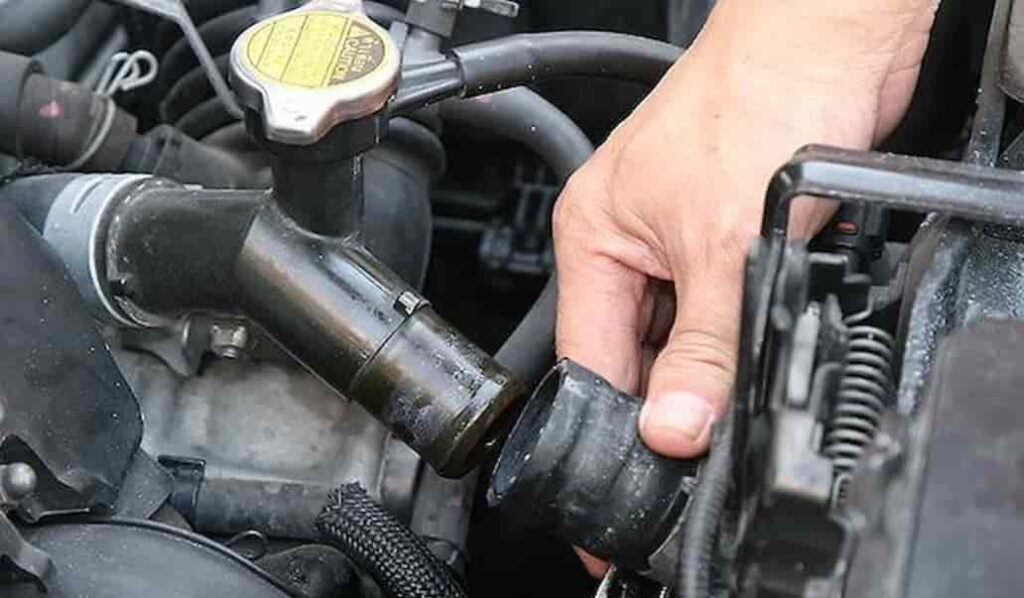
Worn out coolant hoses are another frequent issue. These rubber hoses carry antifreeze between different parts of the engine. After years of use, they can become brittle, swollen, or cracked. When this happens, coolant can leak from weak points, especially under high pressure when the engine is running.
A faulty water pump is also a major contributor. The water pump is responsible for circulating coolant throughout the engine. If its internal seal fails or the bearing wears out, coolant can start leaking from the pump housing. This type of leak often worsens quickly and should not be ignored.
The coolant reservoir can also crack or become damaged. Since it stores excess coolant, any damage to the reservoir may cause visible leaks. Temperature fluctuations can cause the plastic to expand and contract, eventually leading to fractures.
One of the most serious causes is a blown head gasket. This issue allows coolant to leak internally into the engine. It often results from prolonged overheating or engine stress. A blown head gasket can lead to coolant mixing with engine oil or entering the combustion chamber, which significantly increases the risk of engine failure.
Loose clamps or poor connections can also be the source of the problem. If clamps are not tightened properly, coolant can slowly leak at connection points. While this may seem minor, it can still lead to a gradual loss of coolant and eventual overheating.
Each of these causes highlights the importance of regular inspection and maintenance. Identifying the root cause early can save you from expensive repairs and keep your Ford Explorer running smoothly.
Common Causes of Ford Explorer Leaking Antifreeze
A Ford Explorer leaking antifreeze can be traced back to several key components within the cooling system. Understanding these causes helps you identify the problem faster and avoid unnecessary repair costs.
One of the most common causes is a damaged radiator. Over time, the radiator can develop cracks due to constant exposure to heat and pressure. Corrosion inside the radiator can also weaken its structure, allowing coolant to seep out slowly. Even a small crack can lead to significant coolant loss if left untreated.
Worn out coolant hoses are another frequent issue. These rubber hoses carry antifreeze between different parts of the engine. After years of use, they can become brittle, swollen, or cracked. When this happens, coolant can leak from weak points, especially under high pressure when the engine is running.
A faulty water pump is also a major contributor. The water pump is responsible for circulating coolant throughout the engine. If its internal seal fails or the bearing wears out, coolant can start leaking from the pump housing. This type of leak often worsens quickly and should not be ignored.
The coolant reservoir can also crack or become damaged. Since it stores excess coolant, any damage to the reservoir may cause visible leaks. Temperature fluctuations can cause the plastic to expand and contract, eventually leading to fractures.
One of the most serious causes is a blown head gasket. This issue allows coolant to leak internally into the engine. It often results from prolonged overheating or engine stress. A blown head gasket can lead to coolant mixing with engine oil or entering the combustion chamber, which significantly increases the risk of engine failure.
Loose clamps or poor connections can also be the source of the problem. If clamps are not tightened properly, coolant can slowly leak at connection points. While this may seem minor, it can still lead to a gradual loss of coolant and eventual overheating.
Each of these causes highlights the importance of regular inspection and maintenance. Identifying the root cause early can save you from expensive repairs and keep your Ford Explorer running smoothly.
Warning Signs You Shouldn’t Ignore
Recognizing the early warning signs of a Ford Explorer leaking antifreeze can save you from serious engine damage and expensive repairs. Many drivers miss these signals at first, which allows the problem to worsen over time.
One of the most obvious signs is a puddle under your vehicle. If you notice a green, orange, or pink liquid forming beneath your Ford Explorer after it has been parked, there is a high chance it is antifreeze. This is often the first visible indication that something in the cooling system is failing.
Another common symptom is a sweet smell coming from the engine area. Antifreeze has a distinct sugary odor, and when it leaks or burns, that smell becomes noticeable, especially after driving. If you detect this scent regularly, it is a strong sign that coolant is escaping from the system.
Engine overheating is a more serious warning sign. When coolant levels drop, the engine loses its ability to regulate temperature. You may see the temperature gauge rising higher than normal or even reaching dangerous levels. Ignoring this can quickly lead to severe engine damage.
A low coolant warning light on your dashboard is another clear indicator. Modern Ford Explorer models are equipped with sensors that monitor coolant levels. If this light turns on, it means the system has already detected a problem that needs immediate attention.
White smoke coming from the exhaust is often a sign of an internal coolant leak. This usually indicates that antifreeze is entering the combustion chamber and being burned along with fuel. It is a critical issue that can lead to major engine failure if not addressed quickly.
Ignoring these warning signs can result in costly consequences. What starts as a small leak can escalate into engine failure that may cost thousands of dollars to repair. Acting early is the key to protecting your vehicle and avoiding unnecessary stress.
How to Diagnose an Antifreeze Leak in Ford Explorer
Diagnosing a Ford Explorer leaking antifreeze does not always require advanced mechanical skills, but it does require careful observation and a step by step approach. Identifying the exact source of the leak early can help you avoid unnecessary repairs and reduce downtime.
The first step is a visual inspection. Start by checking under your vehicle after it has been parked for a while. Look for any colored fluid on the ground, especially green, orange, or pink. Then open the hood and inspect visible components such as the radiator, hoses, and coolant reservoir. Pay close attention to wet spots, residue, or crusty deposits, as these are strong indicators of a leak.
Next, check the coolant level in the reservoir. If the level is consistently low even after refilling, there is likely a leak somewhere in the system. Make sure to only check the coolant when the engine is cool to avoid injury from hot pressurized fluid.
A more advanced method is using a coolant pressure tester. This tool pressurizes the cooling system while the engine is off, making it easier to spot leaks. When pressure is applied, coolant will begin to seep out from weak points, revealing the exact location of the problem. This method is commonly used by professional mechanics but can also be done at home with the right equipment.
Another effective technique is the UV dye test. In this method, a special dye is added to the coolant, and a UV light is used to trace where the leak is coming from. This is especially helpful for detecting small or hidden leaks that are not visible during a normal inspection.
Proper diagnosis is essential before attempting any repair. Fixing the wrong component can waste both time and money. By following these steps, you can narrow down the issue and decide whether it is something you can handle yourself or if it requires professional attention.
How to Fix Ford Explorer Leaking Antifreeze Fast
Fixing a Ford Explorer leaking antifreeze depends on the root cause, but acting quickly is critical to prevent further engine damage. The right approach can save you both time and money, while the wrong fix can make the situation worse.
For minor issues, there are several DIY solutions you can try. Start by checking and tightening any loose clamps around the coolant hoses. These connection points can loosen over time due to vibration and temperature changes. If a hose appears cracked or worn out, replacing it is usually inexpensive and straightforward. In some cases, you can use a radiator sealant as a temporary fix. This product can seal small leaks inside the radiator or hoses, but it should only be used as a short term solution, not a permanent repair.
However, not all leaks can be fixed at home. If the radiator is cracked or severely corroded, it will need to be replaced. This is a more complex job that often requires professional tools and experience. A faulty water pump is another issue that typically requires professional repair. Since the water pump is essential for circulating coolant, any failure here can quickly lead to overheating.
The most serious case is a blown head gasket. This type of repair is complex and expensive because it involves opening the engine. Attempting to fix it without proper expertise can cause even more damage. In this situation, taking your Ford Explorer to a qualified mechanic is the safest option.
It is important to understand that choosing the wrong repair method can increase costs significantly. A temporary fix might seem convenient, but if the underlying issue is serious, delaying proper repair can lead to engine failure. Acting fast and choosing the right solution is the key to keeping your vehicle reliable and avoiding major expenses.
Repair Cost Breakdown
Understanding the cost of fixing a Ford Explorer leaking antifreeze is essential before deciding on the next step. Repair costs can vary widely depending on the source of the leak, the severity of the issue, and whether you choose a DIY solution or professional service.
For minor problems like a damaged coolant hose, the cost is relatively low. Replacing a hose typically ranges from 50 to 200 dollars, including parts and basic labor. This is one of the most affordable fixes and is often resolved quickly if detected early.
Radiator repairs or replacement are more expensive. If the radiator is leaking due to cracks or corrosion, the total cost can range from 300 to 900 dollars. The price depends on the model year of your Ford Explorer and the quality of the replacement part.
A faulty water pump falls into a mid to high cost category. Replacing a water pump usually costs between 400 and 1000 dollars. Since the water pump plays a critical role in circulating coolant, delaying this repair can lead to overheating and additional engine damage.
The most expensive repair is a blown head gasket. This issue can cost 1500 dollars or more due to the complexity of the repair. It often involves significant labor, including disassembling parts of the engine. In some cases, the total cost may be even higher depending on the extent of the damage.
When comparing these costs, it becomes clear that early detection can save a significant amount of money. Ignoring a small leak may seem harmless at first, but it can quickly develop into a major problem that requires expensive repairs. Taking action early not only protects your engine but also helps you avoid unnecessary financial stress.
How to Prevent Antifreeze Leaks
Preventing a Ford Explorer leaking antifreeze is much easier and cheaper than dealing with repairs after a failure occurs. With regular maintenance and a few simple habits, you can significantly reduce the risk of coolant leaks and keep your engine running efficiently.
One of the most important steps is performing regular cooling system inspections. Check hoses, clamps, and the radiator for any signs of wear, cracks, or corrosion. These components are constantly exposed to heat and pressure, so early detection of damage can prevent sudden leaks.
Routine coolant flushes are also essential. Over time, antifreeze can break down and lose its protective properties. This can lead to internal corrosion, which weakens components like the radiator and water pump. Flushing and replacing the coolant at recommended intervals helps maintain system integrity and prevents buildup.
It is equally important to use the correct type of coolant for your Ford Explorer. Using the wrong antifreeze can cause chemical reactions that damage seals and internal parts. Always follow manufacturer recommendations to ensure compatibility and long term performance.
Monitoring coolant levels regularly is another simple but effective habit. If you notice a gradual drop in coolant levels, it may indicate a small leak that has not yet become visible. Addressing this early can prevent more serious issues later.
Preventive maintenance not only extends the life of your vehicle but also reduces the risk of unexpected breakdowns. Taking a proactive approach helps you avoid costly repairs and ensures that your Ford Explorer remains reliable in all driving conditions.
Conclusion
A Ford Explorer leaking antifreeze is a problem that should never be ignored. What may seem like a minor issue at first can quickly escalate into serious engine damage if left untreated. From damaged radiators and worn hoses to more severe problems like a blown head gasket, the causes can vary, but the risks remain high.
By understanding the common causes, recognizing the warning signs, and knowing how to diagnose the issue, you are in a much stronger position to take control of the situation. Acting quickly can help you avoid overheating, maintain engine performance, and prevent repair costs from spiraling out of control.
Fixing the problem may be as simple as replacing a hose or tightening a clamp, but in more complex cases, professional repair is the safest option. The key is not to delay action. Every mile driven with a coolant leak increases the risk of severe damage.
In the end, prevention is your best defense. Regular maintenance, proper coolant usage, and routine inspections can go a long way in keeping your cooling system in top condition. If you suspect any issue, it is always better to check early rather than face costly consequences later.
Take action today to protect your Ford Explorer and ensure it continues to perform reliably for years to come.